
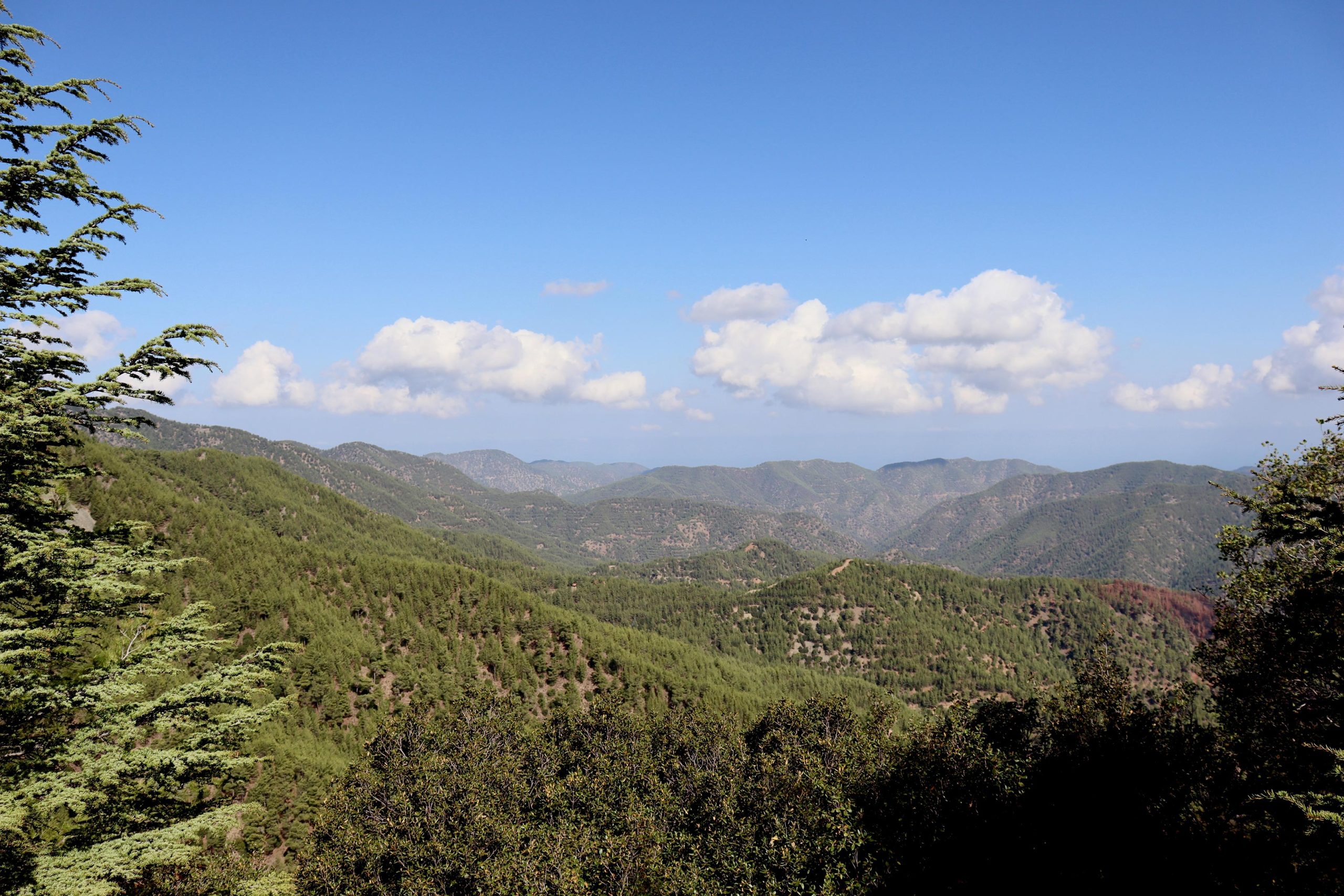
Research links the rapid extinction of dwarf megafauna on Cyprus to early human settlers, whose hunting practices decimated these species quickly after their arrival.
Researchers have solved a longstanding mystery about the extinction of dwarf hippos and elephants on the Mediterranean island of Cyprus.
During the Late Pleistocene, Cyprus only had two species of megafauna present — the 500-kg dwarf elephant (Palaeoloxodon cypriotes) and the 130-kg dwarf hippo (Phanourios minor). However, both species disappeared shortly after the arrival of Paleolithic humans around 14,000 years ago.
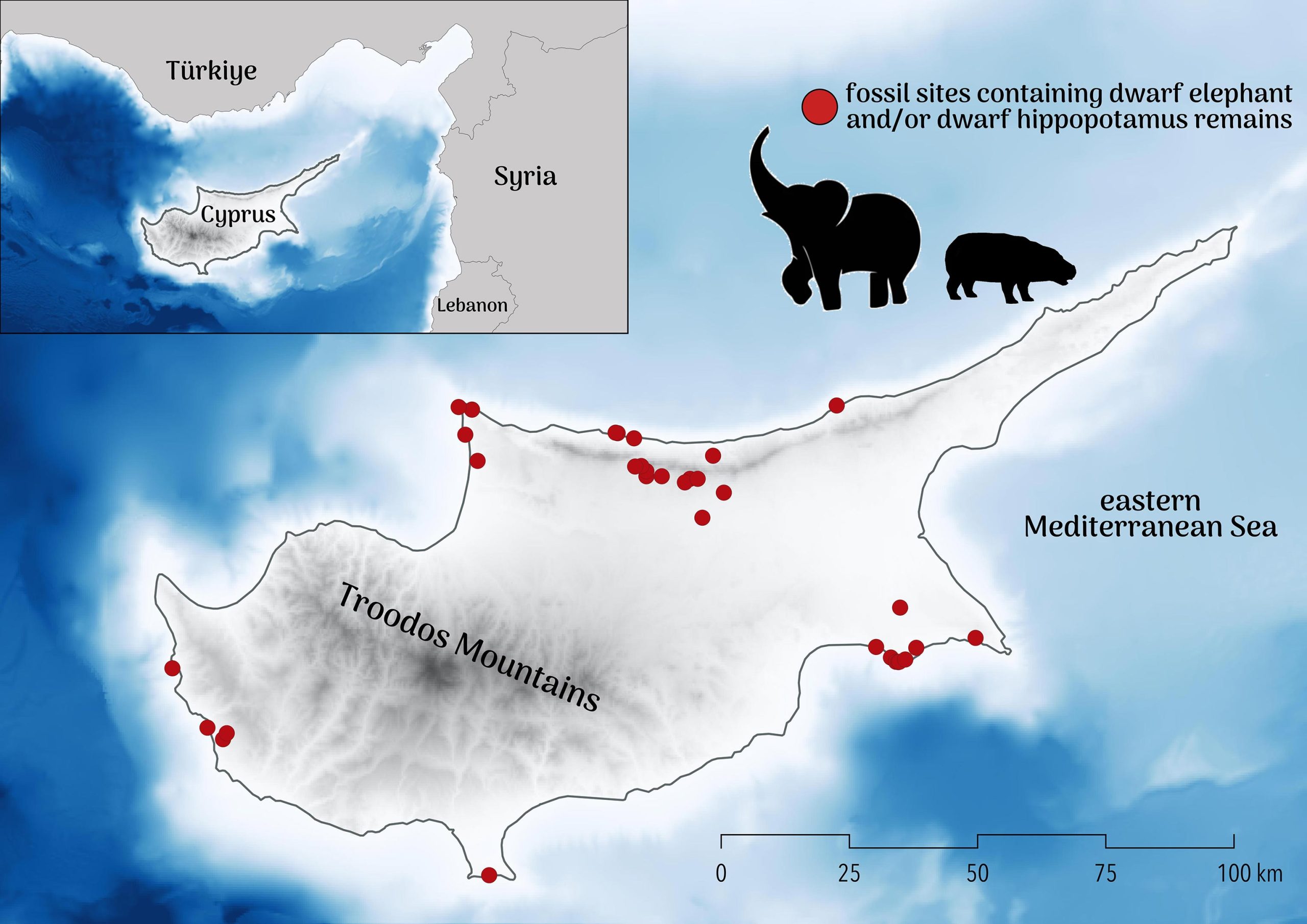
Human Impact on Dwarf Species Extinction
New research indicates that paleolithic hunter-gatherers on Cyprus could have first driven dwarf hippos, and then dwarf elephants to extinction in less than 1000 years.
These findings refute previous arguments that suggested the introduction of a small human population on the island could not have caused these extinctions so quickly.

Advanced Modeling Reveals Extinction Dynamics
In the study, recently published in Proceedings of the Royal Society B, the researchers built mathematical models combining data from various disciplines, including paleontology and archaeology, to show that paleolithic hunter-gatherers in Cyprus are most likely the main cause of the extinction of these species due to their hunting practices.
The researchers used data-driven approaches to reveal the impact of rapid human settlement on driving the extinction of species soon after their arrival.
Using detailed reconstructions of human energy demand, diet composition, prey selection, and hunting efficiency, the model demonstrates that 3,000–7,000 hunter-gatherers predicted to have occurred on the island were likely responsible for driving both dwarf species to extinction.
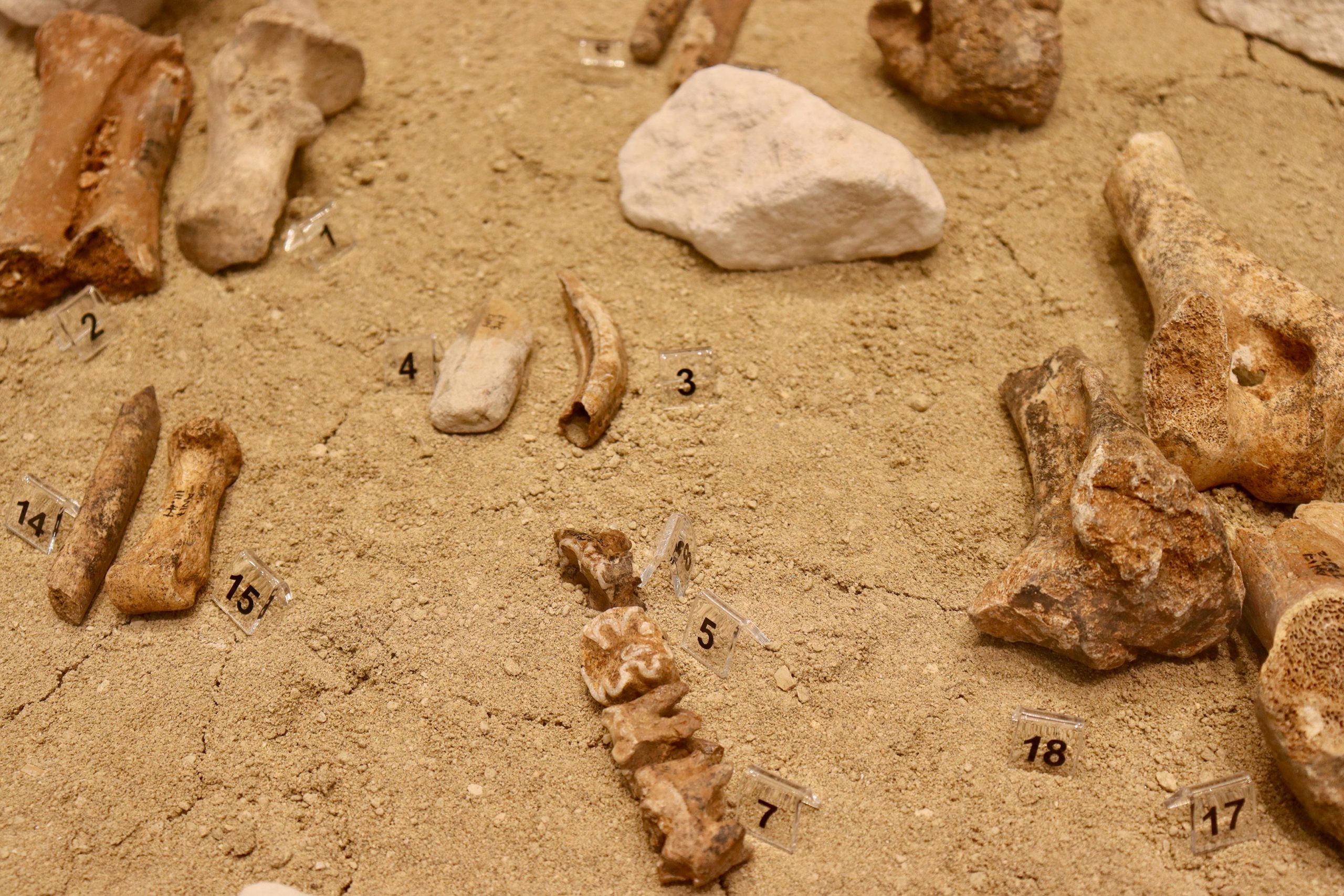
Concluding Insights on Human-Caused Extinctions
“Our results therefore provide strong evidence that palaeolithic peoples in Cyprus were at least partially responsible for megafauna extinctions during the Late Pleistocene and early Holocene. The main determinant of extinction risk for both species was the proportion of edible meat they provided to the first people on the island,” says lead author Professor Corey Bradshaw of Flinders University.
“Our research lays the foundation for an improved understanding on the impact small human populations can have in terms of disrupting native ecosystems and causing major extinctions even during a period of low technological capacity.”
Predictions in the model matched the chronological sequence of megafauna extinctions in palaeontological records.
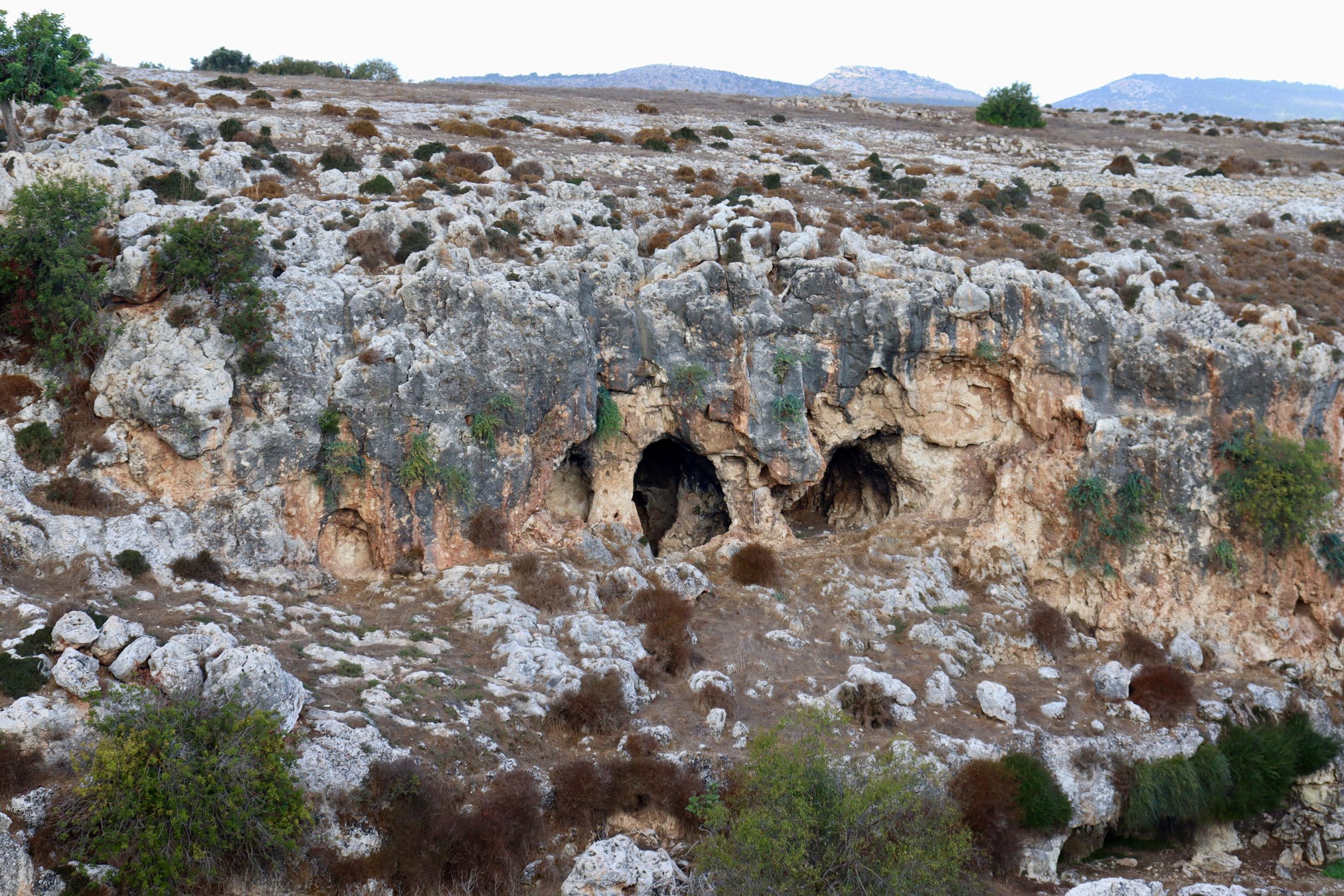
Co-author Dr. Theodora Moutsiou says: “Cyprus is the perfect location to test our models because the island offers an ideal set of conditions to examine whether the arrival of populations of humans ultimately led to the extinction of its megafauna species. This is because Cyprus is an insular environment and can provide a window back in time through our data.”
Previous findings by Professor Bradshaw and collaborators have shown that large groups of hundreds to thousands of people could have arrived on Cyprus in two to three main migration events in less than 1000 years.
Reference: “Small populations of Palaeolithic humans in Cyprus hunted endemic megafauna to extinction” by Corey J. A. Bradshaw, Frédérik Saltré, Stefani A. Crabtree, Christian Reepmeyer and Theodora Moutsiou, 1 September 2024, Proceedings of the Royal Society B.
DOI: 10.1098/rspb.2024.0967
This research was funded by the European Regional Development Fund and the Republic of Cyprus through the Research and Innovation Foundation for project MIGRATE.
The project Modelling Demography and Adaptation in the Initial Peopling of the Eastern Mediterranean Islandscape (MIGRATE, EXCELLENCE/0421/0050) is hosted at the Archaeological Research Unit, University of Cyprus and coordinated by Dr. Theodora Moutsiou.
Never miss a breakthrough: Join the SciTechDaily newsletter.
Follow us on Google and Google News.
6 Comments
Whenever early humans arrived in an area, hunting larger animals was common practice. And they hunted females and less mature members of megafauna species, as well as older members. Large animals reproduce more slowly and in smaller numbers. Over a period of centuries a growing number of human hunters can make it very difficult for megafauna to survive, whether on an island or even a continent. Conversely, there is evidence that distinct populations of ancient megafauna survived for some time in areas isolated from humans, long after less fortunate species were killed off.
Because they didn’t wanna be found?
On the Island of Malta (Ghar Dalam Cave) remnants of hippos and 3 species of elephants have been excavated but seem to have died out without the help of humans.
The extinction of the dwarf hippos and elephants on Malta is assumed to be the result of insufficient food sources. These species were not indigenous to this area, having migrated southward from Sicily on the land bridge formed during the last ice age. When sea levels rose as the ice began to melt they were unable to return to Sicily.
Early humans certainly must have hunted megafauna on Sicily, though evidence of human activity on Malta has not been found prior to 7,500 years ago. There is a report of a carbonized (i.e. exposed to fire) hippo bone supposedly found in the cave, but there isn’t much info on this.
Regardless, extinctions can occur in such specific, isolated conditions without human hunting pressure, but this does preclude over hunting as a major factor elsewhere.
The dwarf hippos and elephants on Malta were not indigenous to this area, having migrated there from Sicily over a land bridge that formed during the last ice age. They became isolated when sea levels rose, and could not cross back to Sicily. The food sources on Malta were not sufficient to support the population of megafauna. So, yes, extinctions can occur in such isolated and specific circumstances without apparent overhunting by humans. But it does not preclude excessive hunting as a major factor elsewhere.
Sorry about the website screw up, thought the original comment had been lost or deleted.