
Close Menu
    Facebook X (Twitter) Instagram
    SciTechDaily
    • Biology
    • Chemistry
    • Earth
    • Health
    • Physics
    • Science
    • Space
    • Technology
    Facebook X (Twitter) Pinterest YouTube RSS
    SciTechDaily
    Home»Space»NASA Outraged by Destructive Russian Anti-Satellite Test That Endangered Space Station Crew
    Space

    NASA Outraged by Destructive Russian Anti-Satellite Test That Endangered Space Station Crew

    By NASANovember 16, 2021No Comments2 Mins Read
    Facebook Twitter Pinterest Telegram LinkedIn WhatsApp Email Reddit
    Share
    Facebook Twitter LinkedIn Pinterest Telegram Email Reddit
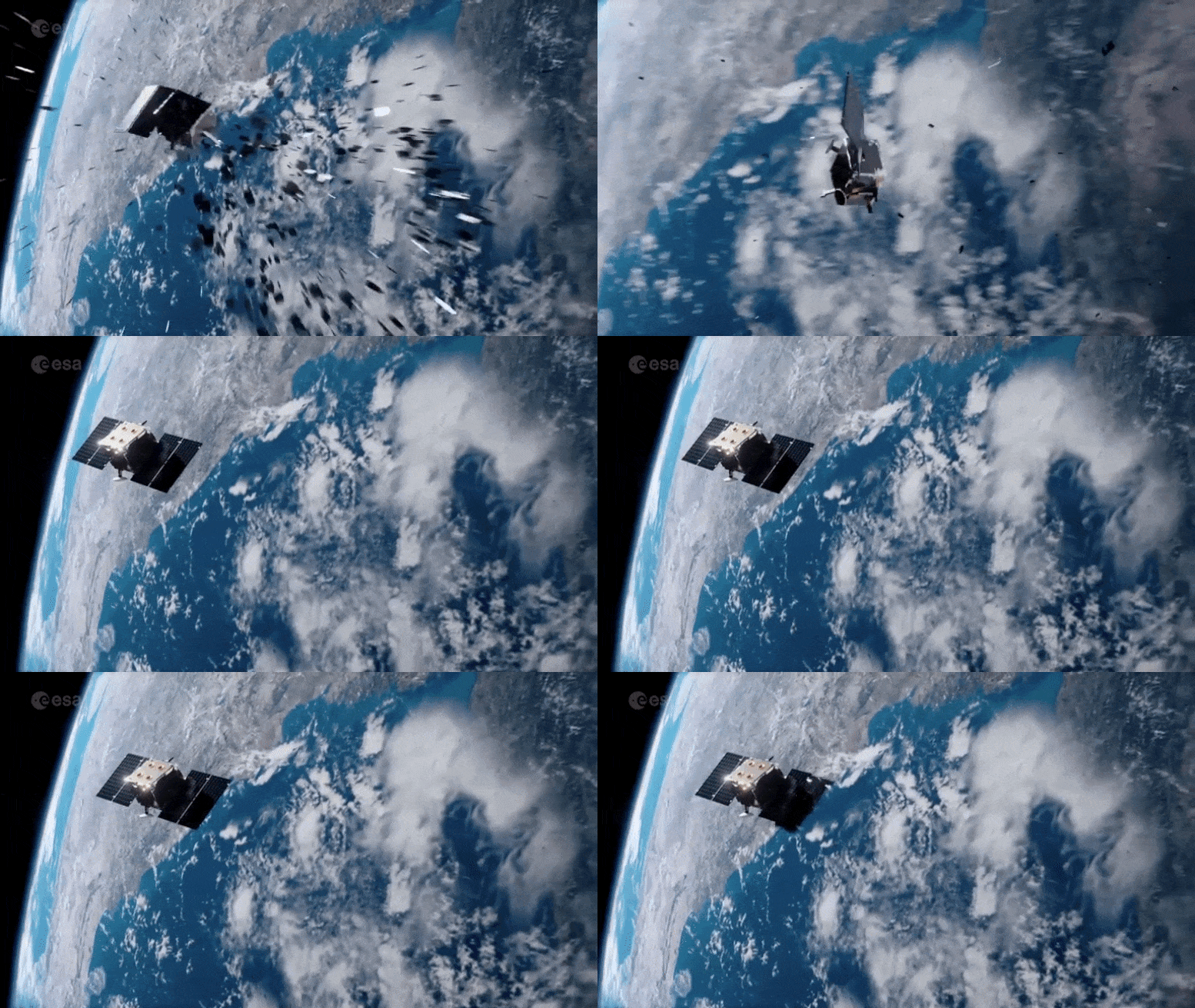
    Space Debris Hitting Satellite
    Illustration of a satellite being destroyed by space debris.

    Debris from a Russian anti-satellite test forced ISS crew to close hatches and shelter in spacecraft. NASA condemned the act as reckless and continues to monitor potential threats.

    On Monday Moscow Standard Time, the International Space Station (ISS) Flight Control team was notified of indications of a satellite breakup that may create sufficient debris to pose a conjunction threat to the station. NASA Administrator Bill Nelson released the following statement about the incident:

    “Earlier today, due to the debris generated by the destructive Russian Anti-Satellite (ASAT) test, ISS astronauts and cosmonauts undertook emergency procedures for safety.

    “Like Secretary Blinken, I’m outraged by this irresponsible and destabilizing action. With its long and storied history in human spaceflight, it is unthinkable that Russia would endanger not only the American and international partner astronauts on the ISS, but also their own cosmonauts. Their actions are reckless and dangerous, threatening as well the Chinese space station and the taikonauts on board.
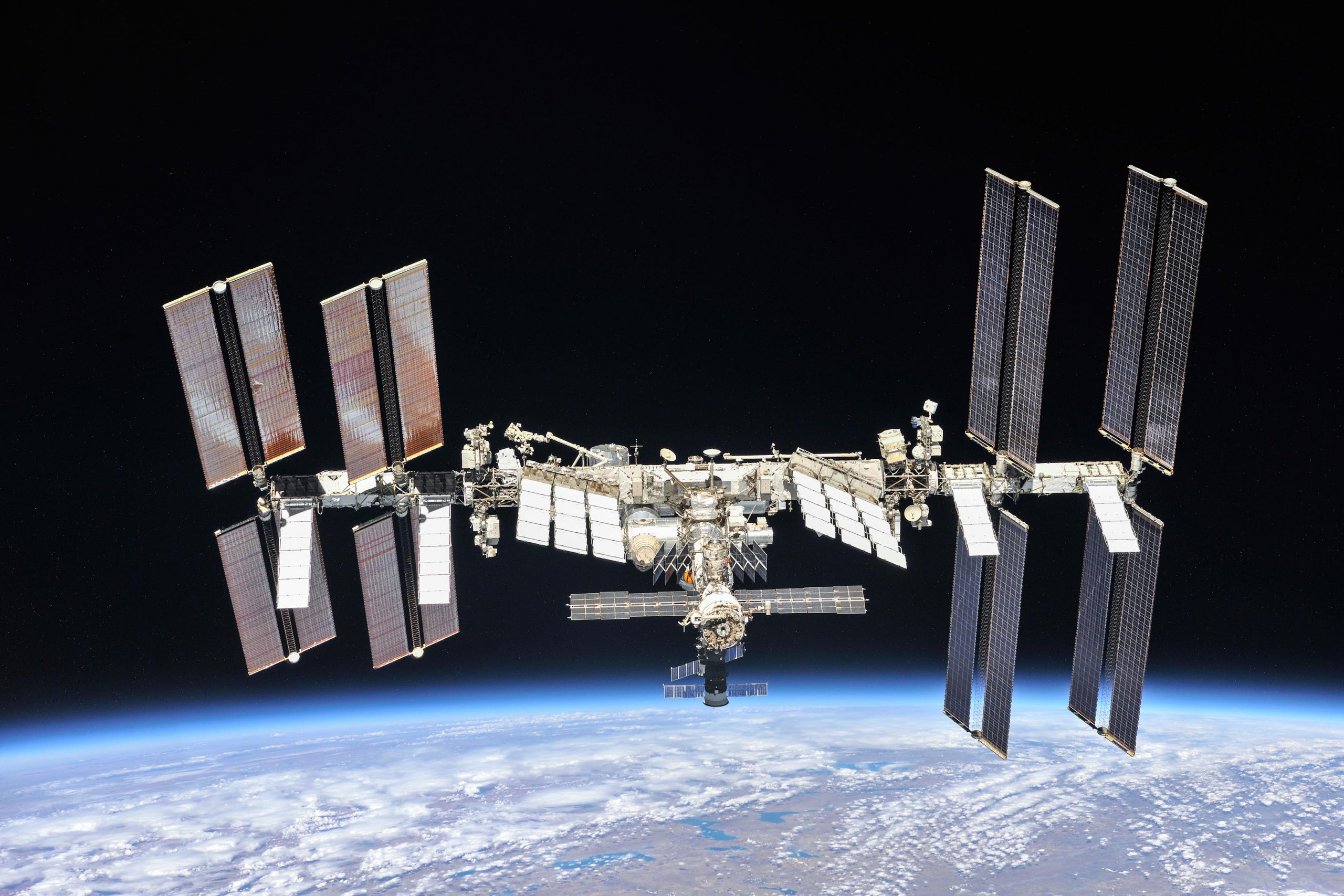
    International Space Station Orbiting Earth
    Astronauts and experiments on the International Space Station work to make life better on Earth and help humanity explore deep into the cosmos. Credit: NASA

    “All nations have a responsibility to prevent the purposeful creation of space debris from ASATs and to foster a safe, sustainable space environment.

    “NASA will continue monitoring the debris in the coming days and beyond to ensure the safety of our crew in orbit.”

    The crew was awakened and directed to close the hatches to radial modules on the station, including Columbus, Kibo, the Permanent Multipurpose Module, Bigelow Expandable Activity Module, and Quest Joint Airlock. Hatches between the U.S. and Russian segments remain open.

    An additional precautionary measure of sheltering the crew was executed for two passes through or near the vicinity of the debris cloud. The crew members made their way into their spacecraft shortly before 2 a.m. EST and remained there until about 4 a.m. The space station is passing through or near the cloud every 90 minutes, but the need to shelter for only the second and third passes of the event was based on a risk assessment made by the debris office and ballistics specialists at NASA’s Johnson Space Center in Houston.

    Never miss a breakthrough: Join the SciTechDaily newsletter.
    Follow us on Google and Google News.

    Astronaut International Space Station NASA
    Share. Facebook Twitter Pinterest LinkedIn Email Reddit

    Related Articles

    NASA’s Crew-9 Returns After 286-Day Mission With a Spectacular Splashdown in the Gulf of America

    NASA’s SpaceX Crew-9 Splashes Down Off Coast of Florida

    SpaceX Dragon Undocks With NASA Crew-9 Members for Return to Earth

    Liftoff! NASA’s SpaceX Crew-10 Blasts Off From Kennedy Space Center [Video]

    Rocket Ready: NASA’s SpaceX Crew-10 Set for Liftoff

    NASA’s SpaceX Crew-10 Was Moments From Liftoff – Then a Last-Minute Malfunction Shut It Down

    NASA’s SpaceX Crew-10: Four Astronauts, a 17,500 MPH Rocket, and 200+ Experiments

    No Treadmill, No Problem – NASA’s Space Workout Experiment Could Change Fitness Forever

    NASA and SpaceX’s Unexpected Spacecraft Swap Sends Crew-10 to Space Sooner

    Leave A Reply Cancel Reply

    • Facebook
    • Twitter
    • Pinterest
    • YouTube

    Don't Miss a Discovery

    Subscribe for the Latest in Science & Tech!

    Trending News

    These Toads Are Surviving a Deadly Fungus – Scientists May Finally Know Why

    These Brain Cells May Explain Why We Eventually Have To Sleep

    Tomatoes Contain an Invisible Ingredient With Surprising Effects on Liver Health

    World’s First Heat-Powered Cooling System Turns Waste Heat Into Cold

    Antarctica Gained a Record 695 Billion Tons of Ice in Just Two Years

    Don’t Miss: A Brilliant Venus and Glowing Harvest Moon Light Up the Sky

    New Twist on the Einstein Problem Reveals Unexpected Physics

    JWST Captures Stunning Evidence of How Supermassive Black Holes Feed

    Follow SciTechDaily
    • Facebook
    • Twitter
    • YouTube
    • Pinterest
    • Newsletter
    • RSS
    SciTech News
    • Biology News
    • Chemistry News
    • Earth News
    • Health News
    • Physics News
    • Science News
    • Space News
    • Technology News
    Recent Posts
    • Scientists Discover the 7 Stages a Meteoroid Goes Through Before Hitting Earth
    • Scientists Bring a Galápagos Plant Back From the Brink of Extinction
    • Scientists Discover a Bacterial Molecule That “Disarms” a Dangerous Fungus
    • Bats May Hold the Secret to Fighting Aging, Cancer, and Infection
    • Scientists Discover a Hidden Defect That Could Explain Why IBD Keeps Coming Back
    Copyright © 1998 - 2026 SciTechDaily. All Rights Reserved.
    • Science News
    • About
    • Contact
    • Editorial Board
    • Privacy Policy
    • Terms of Use

    Type above and press Enter to search. Press Esc to cancel.