

Close Menu
    Facebook X (Twitter) Instagram
    SciTechDaily
    • Biology
    • Chemistry
    • Earth
    • Health
    • Physics
    • Science
    • Space
    • Technology
    Facebook X (Twitter) Pinterest YouTube RSS
    SciTechDaily
    Home»Space»NASA PREFIRE Postponed: Arctic Heat Mission Launch Delayed Due to Severe Storms
    Space

    NASA PREFIRE Postponed: Arctic Heat Mission Launch Delayed Due to Severe Storms

    By SciTechDaily.comMay 23, 2024No Comments2 Mins Read
    Facebook Twitter Pinterest Telegram LinkedIn WhatsApp Email Reddit
    Share
    Facebook Twitter LinkedIn Pinterest Telegram Email Reddit
    NASA Cubesat Over Earth
    NASA’s PREFIRE mission, in collaboration with Rocket Lab, is now rescheduled for no earlier than May 25 due to adverse weather conditions at the launch site in Mahia, New Zealand. The mission’s objective is to deploy two CubeSats into near-polar orbits to investigate thermal energy loss from the Arctic and Antarctica, with a second launch planned following the first. Credit: NASA

    NASA and Rocket Lab have postponed the launch of NASA’s PREFIRE (Polar Radiant Energy in the Far-InfraRed Experiment) mission to no earlier than Saturday, May 25, due to a severe weather system affecting Launch Complex 1 in Mahia, New Zealand. The team will stand by until the weather clears.

    The mission aims to deploy two CubeSats into asynchronous, near-polar orbits to investigate the amount of Earth’s heat lost to space from the Arctic and Antarctica. Following the successful deployment of the first CubeSat, a second launch will be scheduled.
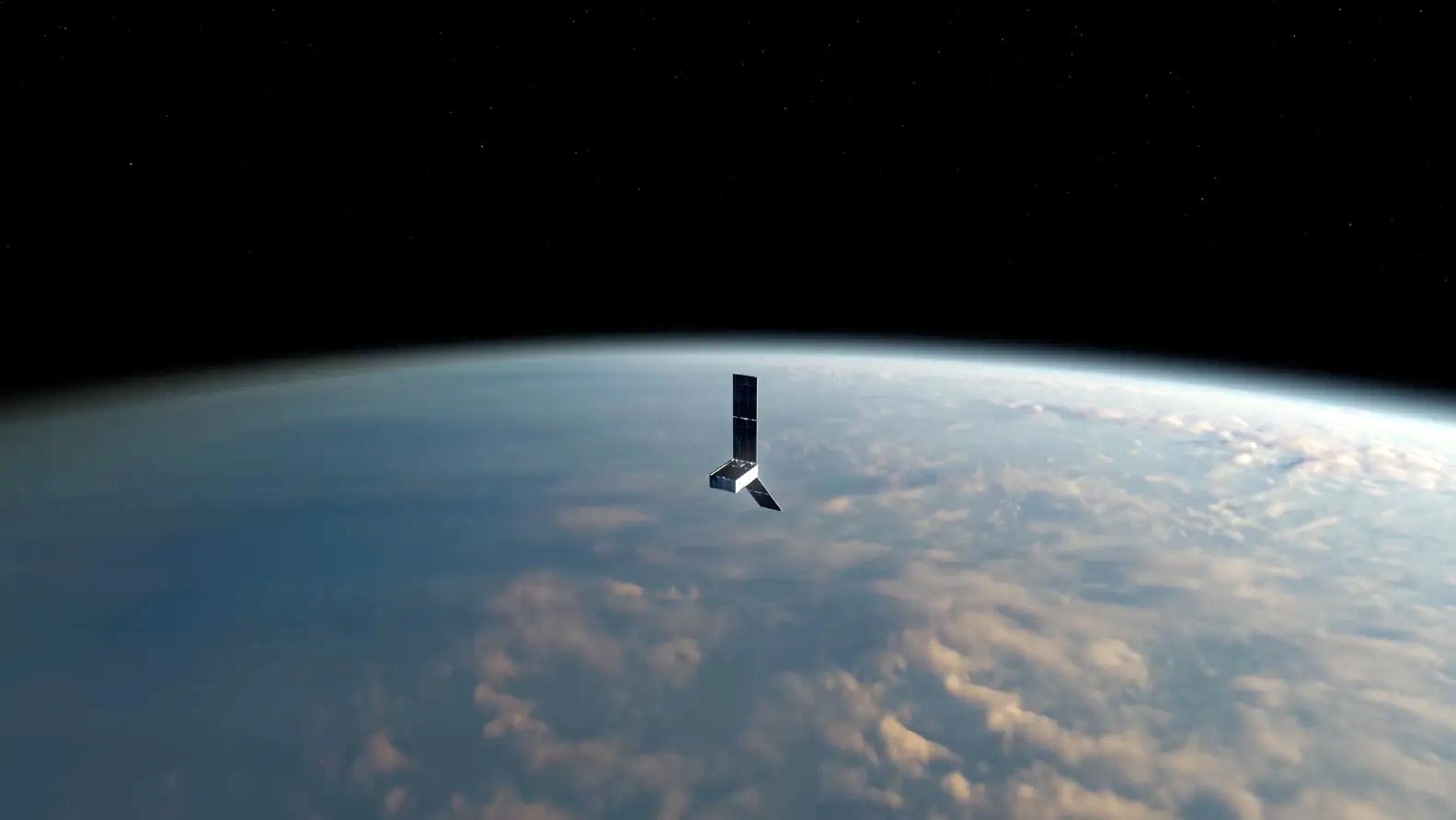
    PREFIRE Cubesat Illustration
    This artist’s concept depicts one of two PREFIRE CubeSats in orbit around Earth. The NASA mission will measure the amount of far-infrared radiation the planet’s polar regions shed to space – information that’s key to understanding Earth’s energy balance. Credit: NASA/JPL-Caltech

    PREFIRE, which stands for Polar Radiant Energy in the Far-InfraRed Experiment, is a NASA mission designed to investigate Earth’s thermal energy dynamics, specifically focusing on how much heat is lost to space from the Arctic and Antarctica. The mission utilizes two CubeSats, small research satellites, which are deployed into asynchronous, near-polar orbits.

    By measuring the far-infrared radiant energy emitted from these polar regions, PREFIRE aims to enhance our understanding of Earth’s energy balance and contribute valuable data to climate science, particularly in terms of understanding and predicting changes in polar ice and cloud dynamics. The data collected by PREFIRE will also help improve climate models, providing a more accurate prediction of future climate scenarios.

    Never miss a breakthrough: Join the SciTechDaily newsletter.
    Follow us on Google and Google News.

    NASA NASA PREFIRE Rocket Rocket Lab
    Share. Facebook Twitter Pinterest LinkedIn Email Reddit

    Related Articles

    Liftoff for PREFIRE and Ice! Rocket Lab Launches Second Polar Heat CubeSat

    NASA and Rocket Lab Gear Up for Second PREFIRE Satellite Launch

    NASA’s PREFIRE Mission To Study Polar Heat Escape Set To Launch

    Liftoff! NASA’s Next-Generation Solar Sail Boom Technology Launched

    NASA and Rocket Lab: Launching the PREFIRE Arctic Warming Experiment

    NASA TROPICS Constellation: Rocket Lab Successfully Launches Final CubeSat Duo

    Storm Chasers of the Future: NASA, Rocket Lab Launch First Pair of TROPICS CubeSats

    Unmanned Orbital Sciences Corp Spacecraft Explodes During Launch

    NASA Confiscates Stolen Rocket Engine

    Leave A Reply Cancel Reply

    • Facebook
    • Twitter
    • Pinterest
    • YouTube

    Don't Miss a Discovery

    Subscribe for the Latest in Science & Tech!

    Trending News

    Scientists May Have Found the Key to Jupiter and Saturn’s Moon Mystery

    Scientists Uncover Brain Changes That Link Pain to Depression

    Saunas May Do More Than Raise Body Temperature – They Activate Your Immune System

    Exercise in a Pill? Metformin Shows Surprising Effects in Cancer Patients

    Hidden Oceans of Magma Could Be Protecting Alien Life

    New Study Challenges Alzheimer’s Theories: It’s Not Just About Plaques

    Artificial Sweeteners May Harm Future Generations, Study Suggests

    Splashdown! NASA Artemis II Returns From Record-Breaking Moon Mission

    Follow SciTechDaily
    • Facebook
    • Twitter
    • YouTube
    • Pinterest
    • Newsletter
    • RSS
    SciTech News
    • Biology News
    • Chemistry News
    • Earth News
    • Health News
    • Physics News
    • Science News
    • Space News
    • Technology News
    Recent Posts
    • Researchers Capture Quantum Interference in One of Nature’s Rarest Atoms
    • Ancient DNA Reveals Irish Goats Have a 3,000-Year-Old Lineage Still Alive Today
    • Historians Reveal Secrets of the Strange Hat Wars That Shook Early Modern England
    • “A Plague Is Upon Us”: The Mass Death That Changed an Ancient City Forever
    • This Strange Material Can Turn Superconductivity on and off Like a Switch
    Copyright © 1998 - 2026 SciTechDaily. All Rights Reserved.
    • Science News
    • About
    • Contact
    • Editorial Board
    • Privacy Policy
    • Terms of Use

    Type above and press Enter to search. Press Esc to cancel.