
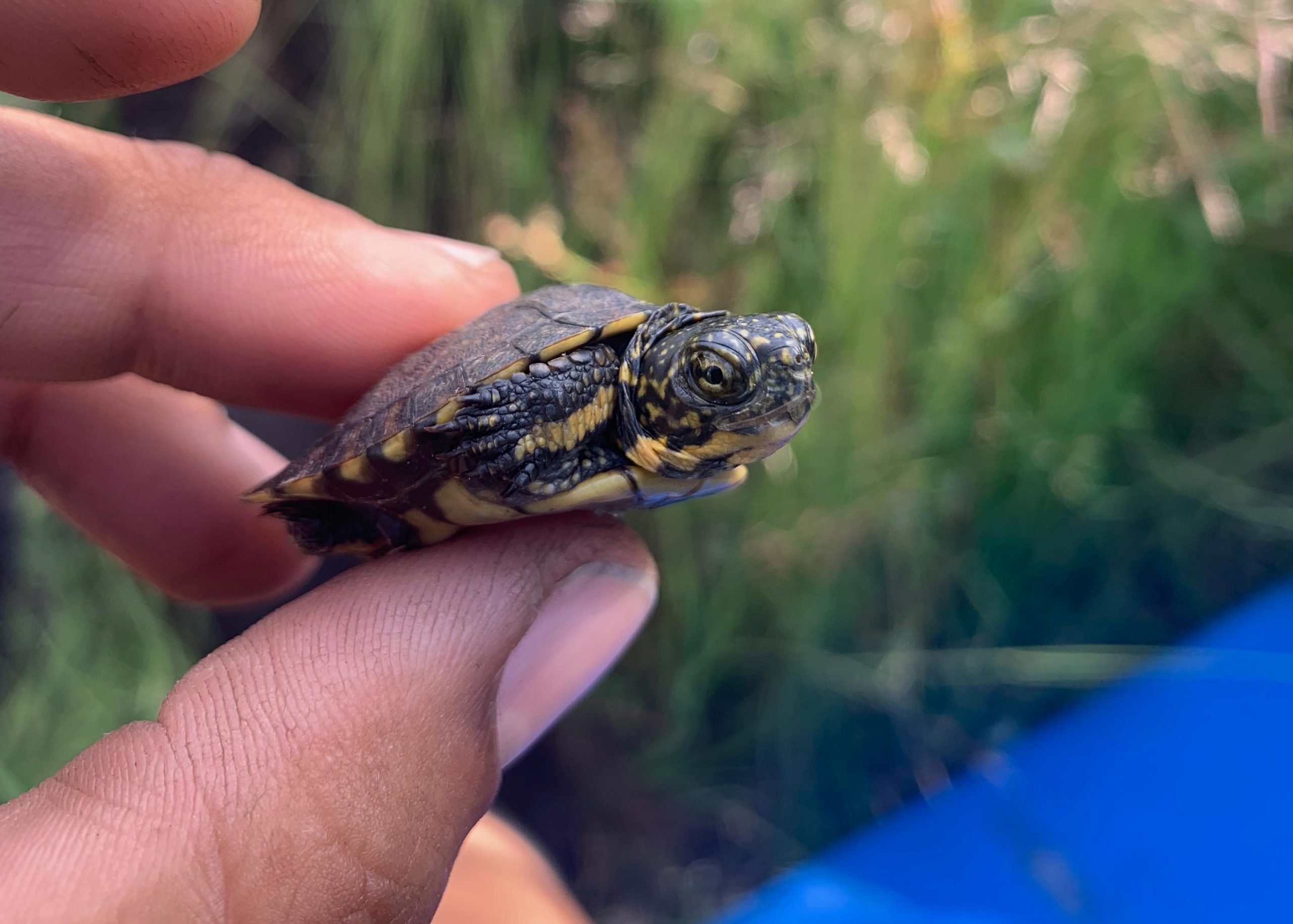
Native pond turtle populations rise after removal of American bullfrogs at national park.
When scientists from the University of California, Davis, first began studying the effects of invasive bullfrogs on northwestern pond turtles in Yosemite National Park, the soundscape was dominated by the frogs’ calls.
“At night, you could look out over the pond and see a constellation of eyes blinking back at you,” said UC Davis Ph.D. candidate Sidney Woodruff, lead author of a study chronicling the effects of removal. “Their honking noise is iconic, and it drowns out native species’ calls.”
Today, those same ponds echo with the voices of native species once again. A study published in the May issue of Biological Conservation reported that as bullfrog populations declined, northwestern pond turtles began to return. The findings suggest that controlling or removing bullfrogs may be essential in priority conservation areas to support the recovery of pond turtle populations.
A western icon
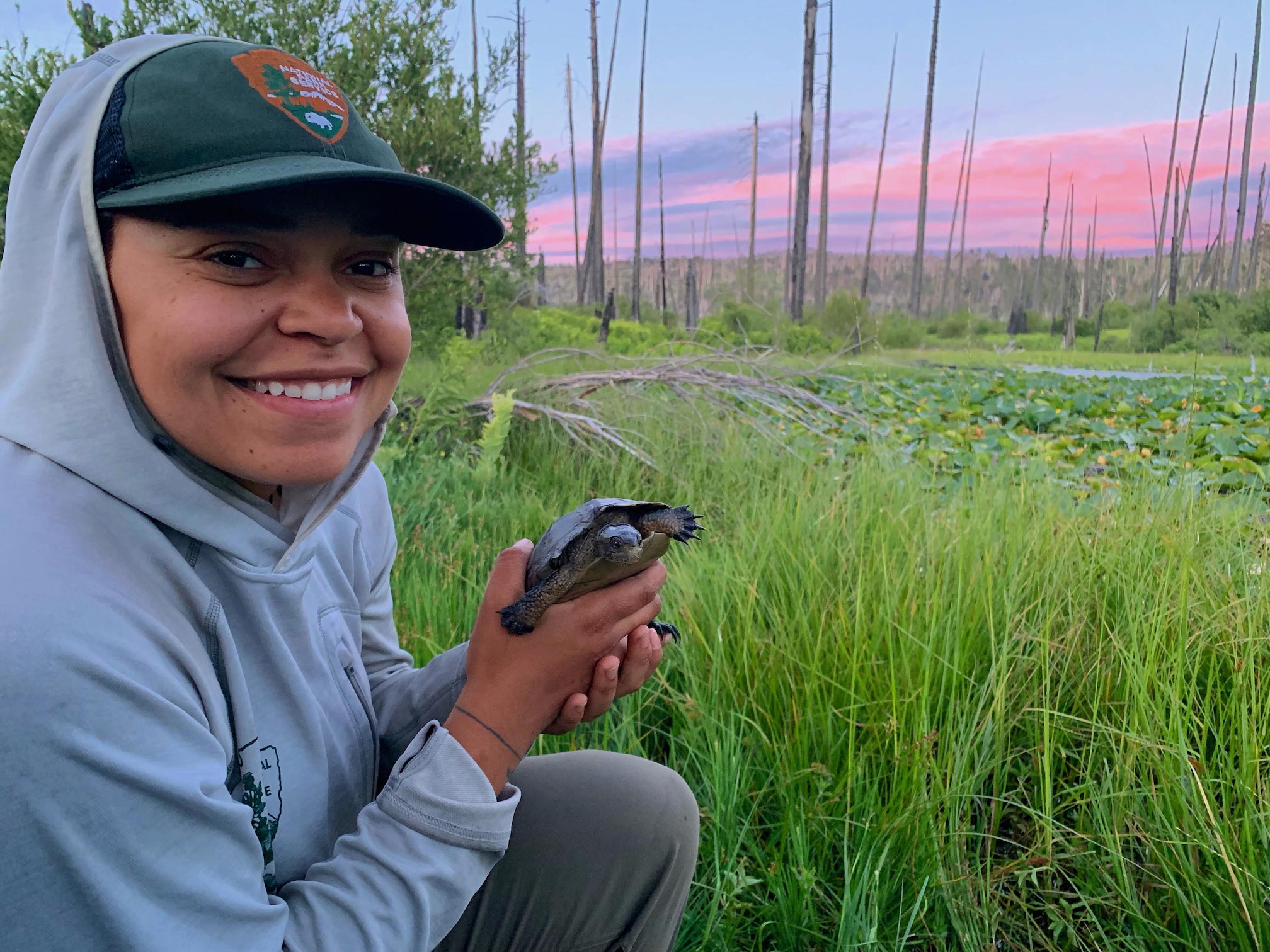
The northwestern pond turtle is one of two species of western pond turtle, the other being the southwestern pond turtle. Together, they represent California’s only native freshwater turtles. Yet the western pond turtle has vanished from more than half of its historical range, which once extended from Baja California to Washington state.
Among the greatest threats to their survival is the spread of American bullfrogs. Native to the eastern United States, bullfrogs were introduced to western ecosystems, where they feed on small, young turtles and disrupt native populations.
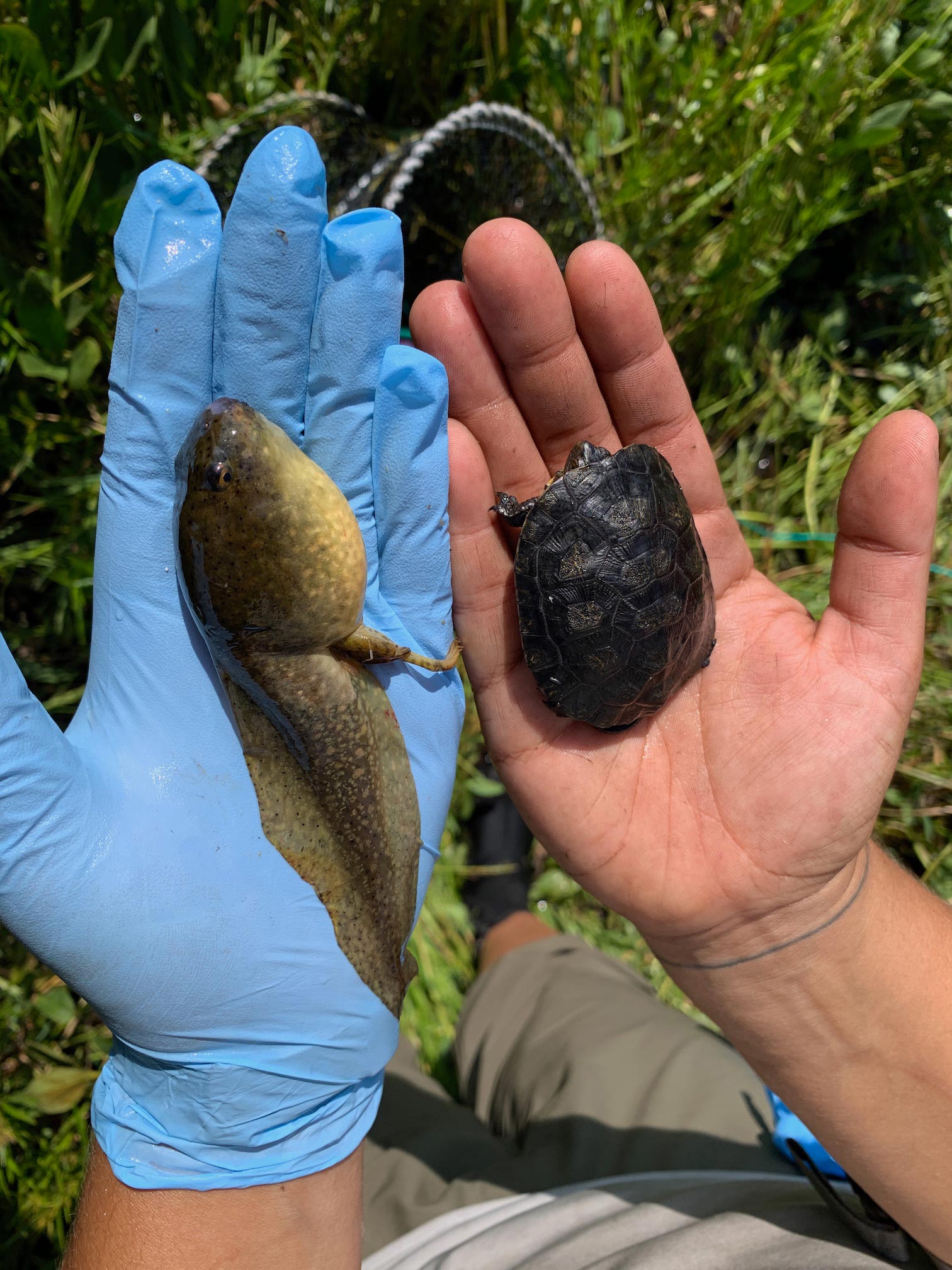
“One reason American bullfrogs are among the top worst globally introduced pests is because they eat everything – anything that fits into their mouth,” said senior author Brian Todd, a UC Davis professor in the Department of Wildlife, Fish and Conservation Biology. “They’ve been causing declines to native species everywhere they’re introduced, which is around the world.”
Turtles return after bullfrogs croak
Bullfrogs were released across Yosemite beginning in the 1950s and became firmly established in several regions of the park by the mid-1970s. Field observations revealed that they preyed upon native turtles, raising concerns that their spread might explain the turtles’ rapid decline. To investigate, researchers launched a seven-year study tracking the effects of bullfrog removal on turtle populations. Between 2016 and 2022, they monitored four sites in Yosemite where pond turtles still survived — two where bullfrogs persisted and two where they were absent.
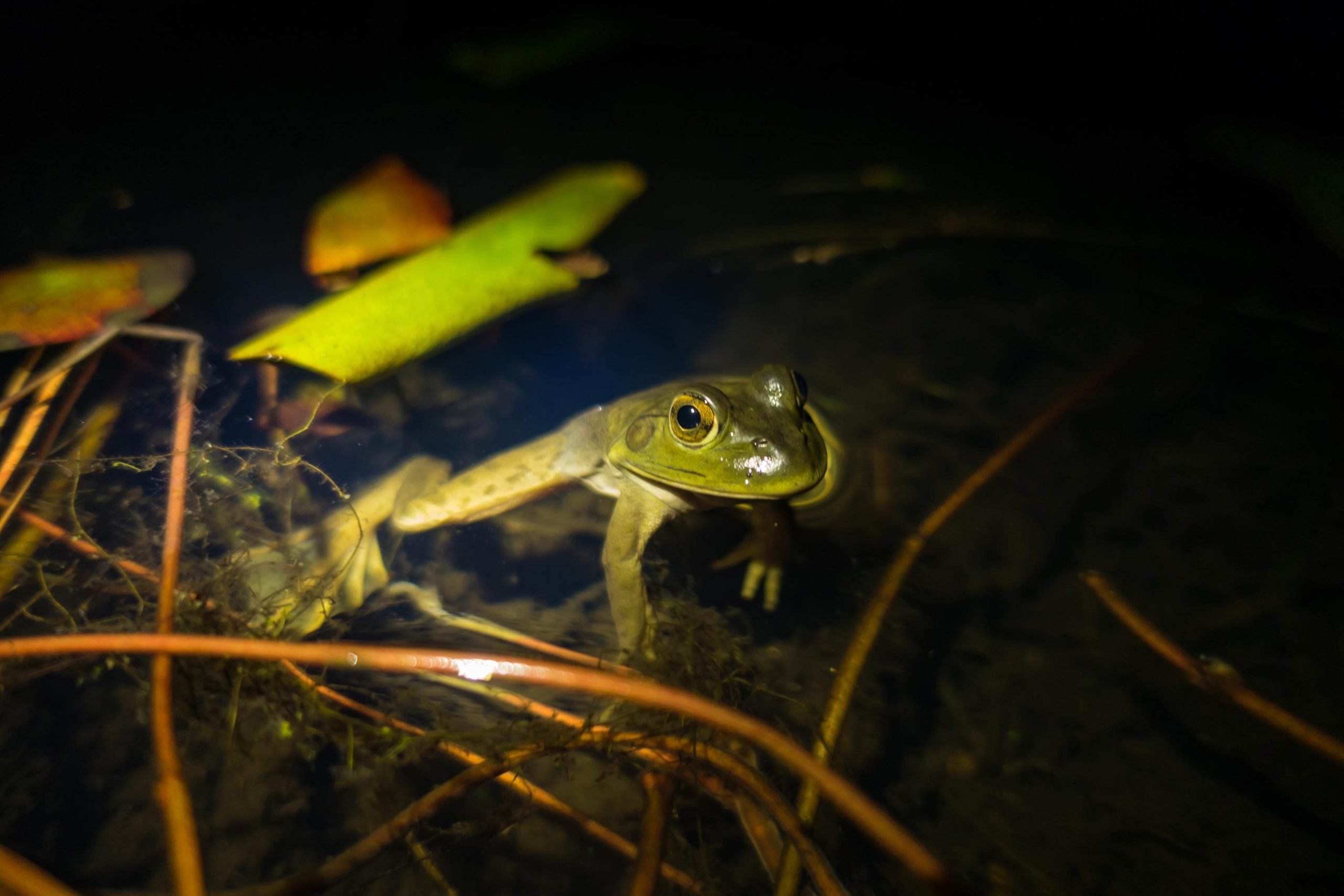
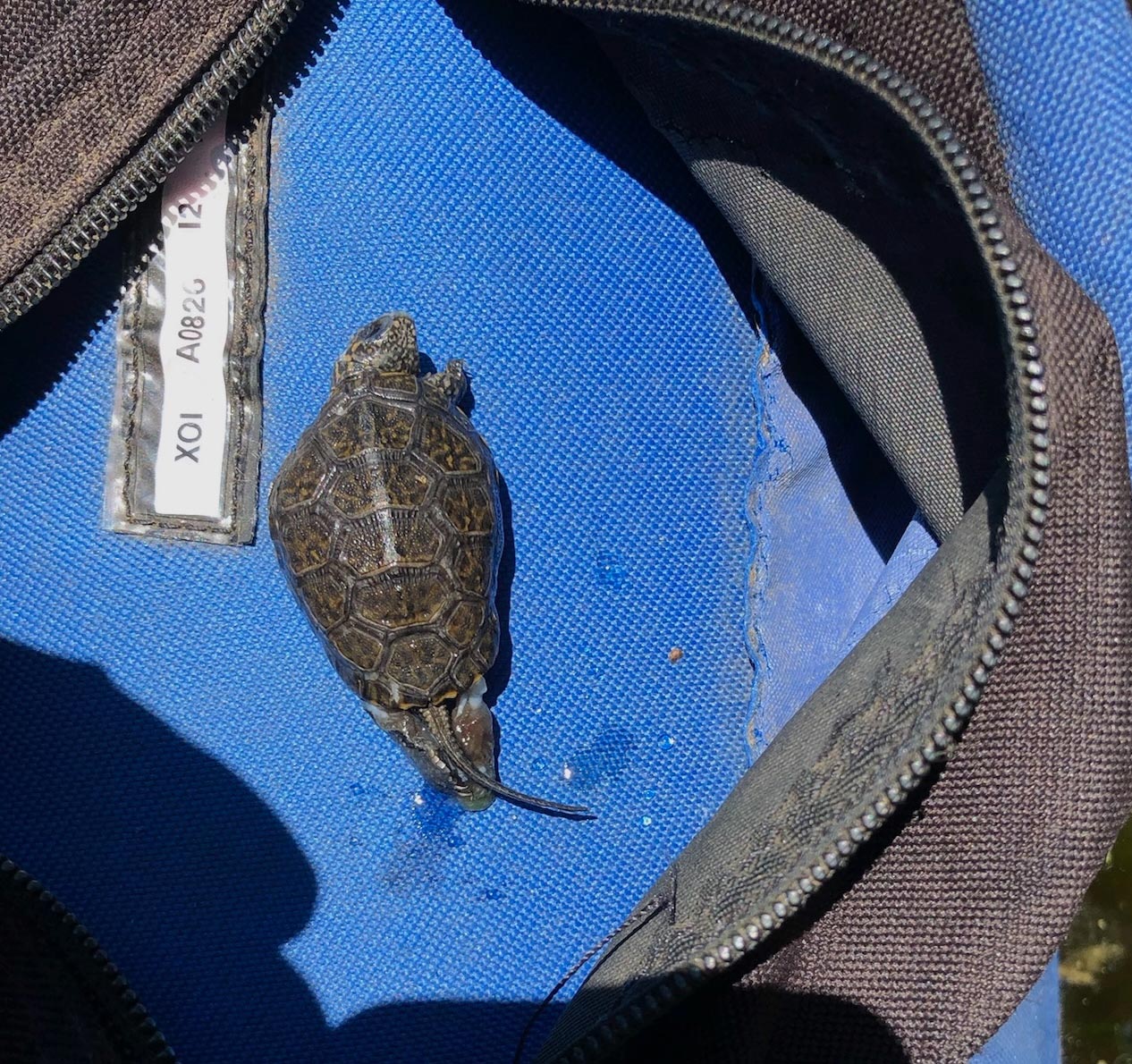
Where bullfrogs were present, only older, large turtles — too big to fit in bullfrogs’ mouths — remained. Researchers even found juvenile turtles — along with newts, snakes, small birds, and rodents — in the stomachs of captured bullfrogs. Turtles were up to 36% larger and up to 97% heavier at sites where bullfrogs were present, suggesting younger turtles are not surviving at sites shared with bullfrogs.
Turtles were 2 to 100 times more abundant where bullfrogs were absent. Not until bullfrogs were nearly eradicated from the sites in 2019 did scientists observe the first juvenile turtles at the formerly “bullfrog-present” ponds.
The value of native turtles
Western pond turtles, including northwestern pond turtles, play important ecological roles, cycling nutrients and energy through aquatic systems as they peacefully go about their lives. Proposed as a threatened species under the Endangered Species Act, their intrinsic value goes beyond the legal and ecological, Todd said.
“All across the state we have one native freshwater turtle, and it’s the western pond turtle,” Todd said. “If it disappears, we have no other freshwater turtles that are supposed to be here. It’s part of our natural heritage.”
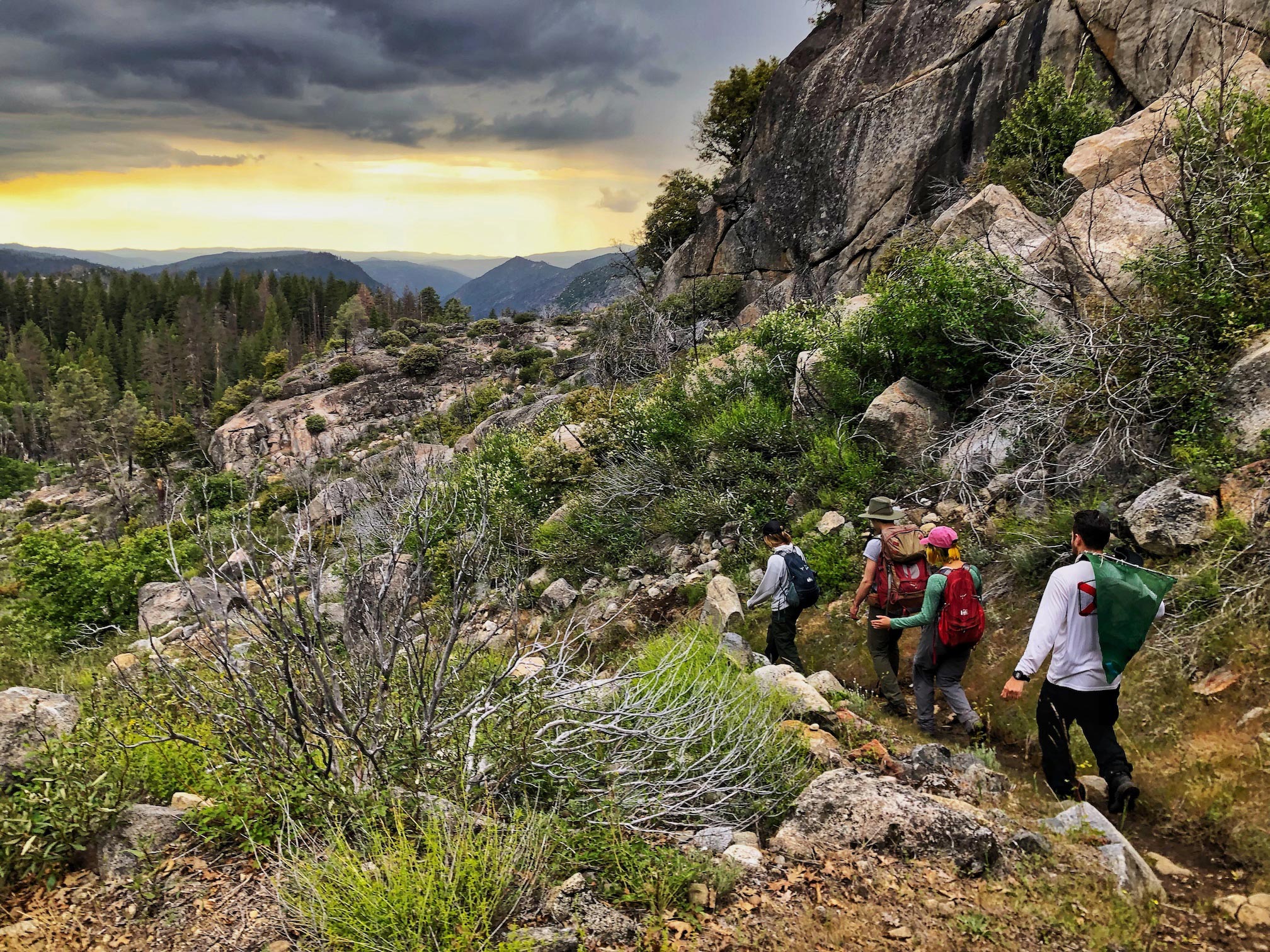
The authors emphasize that eradicating non-native bullfrogs is not a likely solution for every location but could make sense for priority conservation areas where the risk of reinvasion is low and where native turtle recovery is most promising.
“As bullfrog presence declined, we started to hear other native frogs call and see native salamanders walking around,” Woodruff said of their field work. “It’s nice to be able to go back to these sites and hear a chorus of native frogs calling again that previously would not have been heard.”
Reference: “Effects of invasive American bullfrogs and their removal on Northwestern pond turtles” by Sidney M. Woodruff, Robert L. Grasso, Brian J. Halstead and Brian D. Todd, 19 March 2025, Biological Conservation.
DOI: 10.1016/j.biocon.2025.111090
The study was funded by the Western Pond Turtle Range-wide Conservation Coalition, Yosemite Conservancy, U.S. Geological Survey, and USDA National Institute of Food and Agriculture.
Never miss a breakthrough: Join the SciTechDaily newsletter.
Follow us on Google and Google News.
3 Comments
Bullfrogs are a continuing menace to young and defenseless birds as well as young turtles; not to mention any other energy-bearing creature that blunders into their insatiable mouths. It might be wise to investigate bullfrogs’ mating and reproduction, as a possible method to control or limit them in a variety of ecological circumstances.
I’ve worked for 10 years head starting and repopulating western pond turtles into their native habitats. Bullfrogs are a tremendous nuisance and problem. They aren’t the biggest issue now though, which is a shell fungus, E. testavorans, which is destroying this species.
You also need to factor in herbicide and pesticide long term exposures which are clearly affecting inland turtles vulnerability to respiratory and fungal illness and reproduction just like birds were affected in racheal carsons masterful depiction in silent spring.