
Close Menu
    Facebook X (Twitter) Instagram
    SciTechDaily
    • Biology
    • Chemistry
    • Earth
    • Health
    • Physics
    • Science
    • Space
    • Technology
    Facebook X (Twitter) Pinterest YouTube RSS
    SciTechDaily
    Home»Biology»Natural, Not Surgical, Birth Triggers Brain Boosting Proteins
    Biology

    Natural, Not Surgical, Birth Triggers Brain Boosting Proteins

    By Karen N. Peart, Yale UniversityAugust 9, 2012No Comments3 Mins Read
    Facebook Twitter Pinterest Telegram LinkedIn WhatsApp Email Reddit
    Share
    Facebook Twitter LinkedIn Pinterest Telegram Email Reddit
    Natural Birth Triggers Brain Boosting Proteins
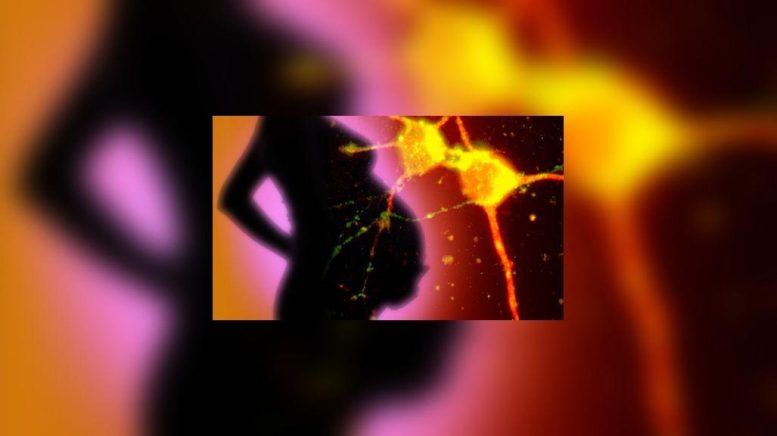
    A new study finds that natural birth — but not C-section — triggers brain-boosting proteins. Credit: Illustration by Michael Helfenbein

    A newly published study examined the effect of natural and surgical deliveries on mitochondrial uncoupling protein 2 (UCP2) in mice, finding that vaginal birth triggers UCP2 expression in the brains of newborns, which improves brain development and function in adulthood, and that expression is impaired in offspring delivered by cesarean section.

    Vaginal birth triggers the expression of a protein in the brains of newborns that improves brain development and function in adulthood, according to a new study by Yale School of Medicine researchers, who also found that this protein expression is impaired in the brains of offspring delivered by cesarean section (C-sections).

    These findings are published in the August issue of PLoS ONE by a team of researchers led by Tamas Horvath, the Jean and David W. Wallace Professor of Biomedical Research and chair of the Department of Comparative Medicine at Yale School of Medicine.

    The team studied the effect of natural and surgical deliveries on mitochondrial uncoupling protein 2 (UCP2) in mice. UCP2 is important for the proper development of hippocampal neurons and circuits. This area of the brain is responsible for short- and long-term memory. UCP2 is involved in cellular metabolism of fat, which is a key component of breast milk, suggesting that induction of UCP2 by natural birth may aid the transition to breastfeeding.

    The researchers found that natural birth triggered UCP2 expression in the neurons located in the hippocampal region of the brain. This was diminished in the brains of mice born via C-section. Knocking out the UCP2 gene or chemically inhibiting UCP2 function interfered with the differentiation of hippocampal neurons and circuits, and impaired adult behaviors related to hippocampal functions.

    “These results reveal a potentially critical role of UCP2 in the proper development of brain circuits and related behaviors,” said Horvath. “The increasing prevalence of C-sections driven by convenience rather than medical necessity may have a previously unsuspected lasting effect on brain development and function in humans as well.”

    Reference: “Ucp2 Induced by Natural Birth Regulates Neuronal Differentiation of the Hippocampus and Related Adult Behavior” by Julia Simon-Areces, Marcelo O. Dietrich, Gretchen Hermes, Luis Miguel Garcia-Segura, Maria-Angeles Arevalo and Tamas L. Horvath, 8 August 2012, PLoS ONE.
    DOI: 10.1371/journal.pone.0042911

    Other authors on the study included Julia Simon-Areces, Marcelo O. Dietrich, Gretchen Hermes, Luis Miguel Garcia-Segura, and Maria-Angeles Arevalo. The study was funded by the National Institutes of Health.

    Never miss a breakthrough: Join the SciTechDaily newsletter.
    Follow us on Google and Google News.

    Biomedicine Birth Brain Yale University
    Share. Facebook Twitter Pinterest LinkedIn Email Reddit

    Related Articles

    Yale Scientists Solve a Century-Old Brain Wave Mystery

    Your Earliest Memories Might Still Exist – Science Just Found the Clues

    Yale Scientists Just Cracked the DNA Code That Built the Human Brain

    Autism’s Hidden Brain Differences Discovered in Living People

    Yale Scientists Discover Clues to What Makes the Human Brain Different

    Neurons That Control Hunger Could Help Control Autoimmune Diseases

    Evolutionary Changes Surrounding the NOS1 Gene

    Tiny Spider Brains Overflow Into the Body and Legs

    Human Stem Cells Transplanted Into Mouse Brains

    Leave A Reply Cancel Reply

    • Facebook
    • Twitter
    • Pinterest
    • YouTube

    Don't Miss a Discovery

    Subscribe for the Latest in Science & Tech!

    Trending News

    Millions Take These IBS Drugs, But a New Study Finds Serious Risks

    Scientists Unlock Hidden Secrets of 2,300-Year-Old Mummies Using Cutting-Edge CT Scanner

    Bread Might Be Making You Gain Weight Even Without Eating More Calories

    Scientists Discover Massive Magma Reservoir Beneath Tuscany

    Europe’s Most Active Volcano Just Got Stranger – Here’s Why Scientists Are Rethinking It

    Alzheimer’s Symptoms May Start Outside the Brain, Study Finds

    Millions Take This Popular Supplement – Scientists Discover a Concerning Link to Heart Failure

    The Universe Is Expanding Too Fast and Scientists Can’t Explain Why

    Follow SciTechDaily
    • Facebook
    • Twitter
    • YouTube
    • Pinterest
    • Newsletter
    • RSS
    SciTech News
    • Biology News
    • Chemistry News
    • Earth News
    • Health News
    • Physics News
    • Science News
    • Space News
    • Technology News
    Recent Posts
    • Doctors Surprised by the Power of a Simple Drug Against Colon Cancer
    • Why Popular Diabetes Drugs Like Ozempic Don’t Work for Everyone: The “Genetic Glitch”
    • Scientists Create Improved Insulin Cells That Reverse Diabetes in Mice
    • Scientists Stunned After Finding Plant Thought Extinct for 60 Years
    • A Common Diabetes Drug May Hold the Key to Stopping HIV From Coming Back
    Copyright © 1998 - 2026 SciTechDaily. All Rights Reserved.
    • Science News
    • About
    • Contact
    • Editorial Board
    • Privacy Policy
    • Terms of Use

    Type above and press Enter to search. Press Esc to cancel.