
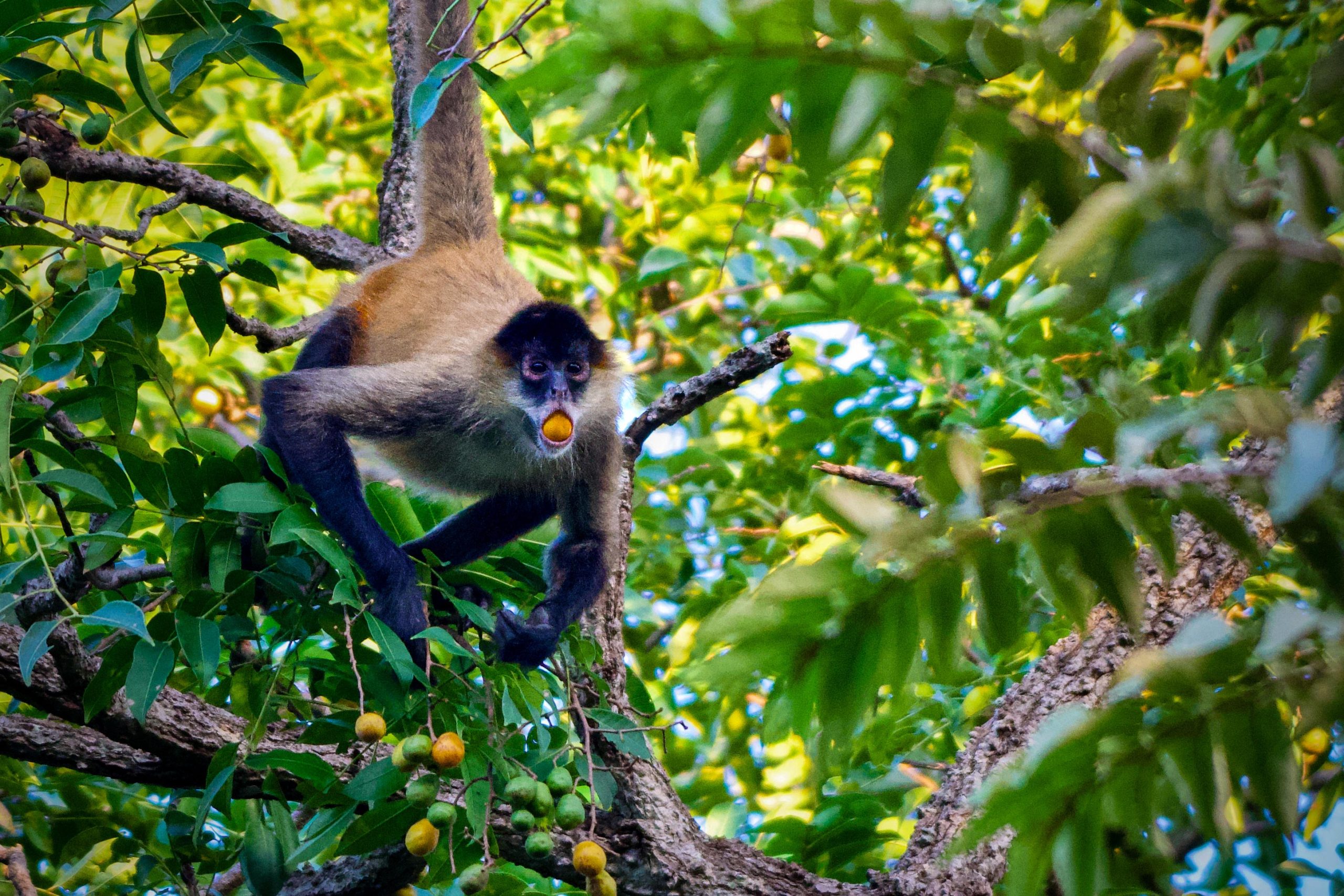
Wild animals might not just accidentally consume ethanol from fermented fruits and nectar; it’s likely a regular part of their diet.
Researchers suggest that ethanol, naturally abundant in ecosystems due to ancient evolutionary processes, offers potential caloric benefits and might even impact animal behavior and physiology.
Wild animals behaving “drunk” after eating fermented fruits is often seen as rare and accidental, but ecologists now challenge this view. In a review published today (October 30) in Trends in Ecology & Evolution, researchers argue that because ethanol is naturally found in almost every ecosystem, it’s likely that many fruit- and nectar-eating animals consume it regularly.
“We’re moving away from this anthropocentric view that ethanol is just something that humans use,” says behavioral ecologist and senior author Kimberley Hockings from the University of Exeter. “It’s much more abundant in the natural world than we previously thought, and most animals that eat sugary fruits are going to be exposed to some level of ethanol.”
Evolutionary Adaptations to Ethanol
Ethanol became widespread around 100 million years ago, as flowering plants began producing nectar and fruits that yeast could ferment. Today, ethanol is still naturally present across ecosystems, with higher concentrations and year-round production in humid, tropical regions. Typically, naturally fermented fruits reach only 1%-2% alcohol by volume (ABV), though in some cases, such as over-ripe palm fruit in Panama, levels have been found as high as 10.2% ABV.
Animals already harbored genes that could degrade ethanol before yeasts began producing it, but there is evidence that evolution fine-tuned this ability for mammals and birds that consume fruit and nectar. In particular, primates and treeshrews have adapted to efficiently metabolize ethanol.
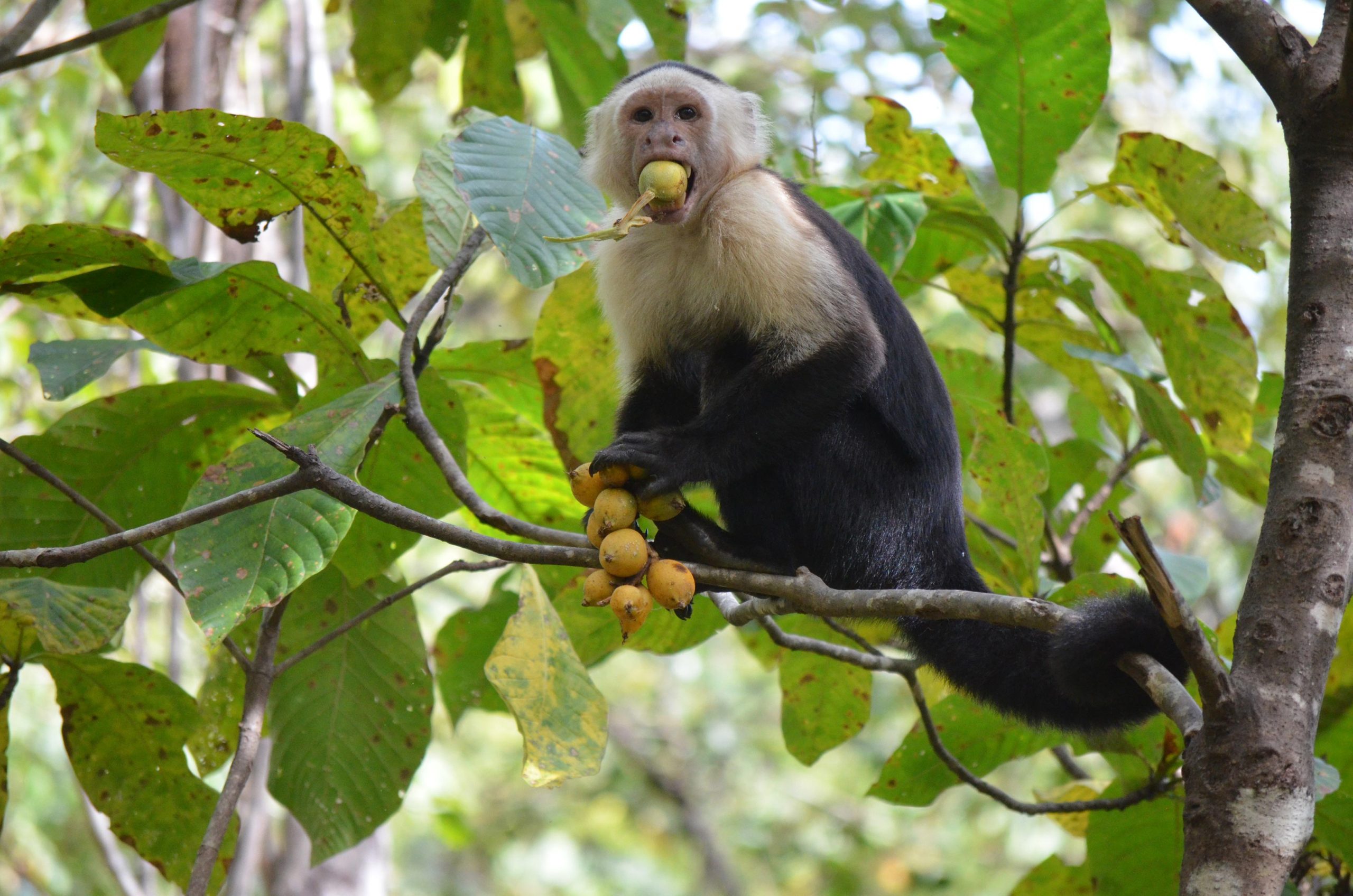
“From an ecological perspective, it is not advantageous to be inebriated as you’re climbing around in the trees or surrounded by predators at night—that’s a recipe for not having your genes passed on,” says molecular ecologist and senior author Matthew Carrigan of the College of Central Florida. “It’s the opposite of humans who want to get intoxicated but don’t really want the calories—from the non-human perspective, the animals want the calories but not the inebriation.”
Potential Benefits of Ethanol for Animals
It’s unclear whether animals intentionally consume ethanol for ethanol’s sake, and more research is needed to understand its impact on animal physiology and evolution. However, the researchers say that ethanol consumption could carry several benefits for wild animals. First and foremost, it’s a source of calories, and the odorous compounds produced during fermentation could guide animals to food sources, though the researchers say it’s unlikely that animals can detect ethanol itself. Ethanol could also have medicinal benefits: fruit flies intentionally lay their eggs in substances containing ethanol, which protects their eggs from parasites, and fruit fly larvae increase their ethanol intake when they become parasitized by wasps.
“On the cognitive side, ideas have been put forward that ethanol can trigger the endorphin and dopamine system, which leads to feelings of relaxation that could have benefits in terms of sociality,” says behavioral ecologist and first author Anna Bowland of the University of Exeter. “To test that, we’d really need to know if ethanol is producing a physiological response in the wild.”
Future Research Directions
There are a lot of unanswered questions regarding the significance of ethanol consumption to wild animals. In their future research, the team plans to investigate the behavioral and social implication of ethanol consumption in primates and to more deeply examine the enzymes involved in alcohol metabolism.
Reference: “The evolutionary ecology of ethanol” by Anna C. Bowland, Amanda D. Melin, David J. Hosken, Kimberley J. Hockings and Matthew A. Carrigan, 30 October 2024, Trends in Ecology & Evolution.
DOI: 10.1016/j.tree.2024.09.005
Never miss a breakthrough: Join the SciTechDaily newsletter.
Follow us on Google and Google News.