
Close Menu
    Facebook X (Twitter) Instagram
    SciTechDaily
    • Biology
    • Chemistry
    • Earth
    • Health
    • Physics
    • Science
    • Space
    • Technology
    Facebook X (Twitter) Pinterest YouTube RSS
    SciTechDaily
    Home»Science»NDM-1 Superbug Discovered in a Cat in the USA
    Science

    NDM-1 Superbug Discovered in a Cat in the USA

    By SciTechDailySeptember 13, 2012No Comments2 Mins Read
    Facebook Twitter Pinterest Telegram LinkedIn WhatsApp Email Reddit
    Share
    Facebook Twitter LinkedIn Pinterest Telegram Email Reddit
    cat-harbors-ndm-1
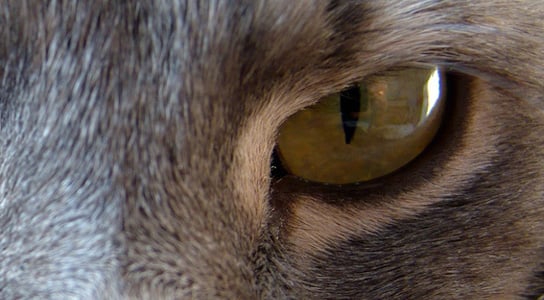
    The Indian superbug NDM-1 has been found in the USA in a household cat.

    The Indian superbug NDM-1, which has a gene that encodes an enzyme conferring resistance to almost all known antibiotics, has been found in the USA in a household cat.

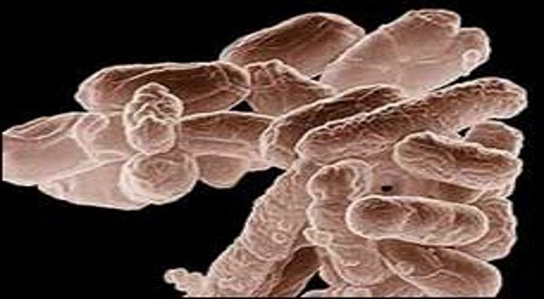
    Pets with NDM-1 could be a dangerous vector of infection, since people have close contact with them. The finding was announced by Rajesh Nayak, a research scientist at the FDA’s National Center for Toxicological Research in Jefferson, Arkansas. The gene, blaNDM, was found in isolates of E. coli that they had received as part of a project to study bacterial samples from veterinary laboratories all over the USA.
    ndm-1

    NDM-1 was first identified in 2008 in Sweden, in a man of Indian origin who had gone home to India, was hospitalized, recovered and then was hospitalized once again in Sweden. The Klebsiella discovered in his urine was resistant to a vast number of drugs, including some last-resort category drugs known as carbapenems. It was susceptible to only two drugs, one old and toxic. The other was new, but not effective in all tissues of the patient’s body.

    In 2009, bacteria containing the NDM-1 gene, traveling on plasmids that can easily move between organisms, were found in the UK. NDM-1 was first found in the USA in 2010, in three residents living in three different states.

    Almost all of the patients had ties to India or Pakistan. Since then, research has shown that the organisms containing the gene weren’t confined to hospitals, but were circulating widely in New Delhi, India, through the water supply and other vectors of infection. NDM-1 has spread to over 12 countries so far.

    The actual cat that has the NDM-1 is unknown, as veterinarians collected the samples whenever pets were not feeling well as part of the initial project. The samples were collected between 2008 and 2009, making the timing somewhat perplexing. It was collected at the same time as the earliest recognition of the resistance factor in Europe, nearly a year before it was detected in the US.

    Never miss a breakthrough: Join the SciTechDaily newsletter.
    Follow us on Google and Google News.

    Disease Epidemiology Superbug
    Share. Facebook Twitter Pinterest LinkedIn Email Reddit

    Related Articles

    Targeted Isolation May Be the Most Effective Way to Reduce Transmission of Ebola

    Biodiversity and Disease Risk for Humans

    Whole-Genome Analysis Identifies the Source of a Recent MRSA Outbreak

    US Concerns About Biosecurity Could Hamper Collaborations in Viral Research

    Spread of Disease-Carrying Mosquitoes in Europe Prompts Surveillance

    Brucella Blocked From Bonding With Host, Could Lead to Superbug Cure

    How Airports Will Influence the Spread of a Contagious Disease

    Highest Recorded Rates of Drug Resistant Tuberculosis

    Earliest Drug-Resistant Tuberculosis Strains Were First Detected in Italy

    Leave A Reply Cancel Reply

    • Facebook
    • Twitter
    • Pinterest
    • YouTube

    Don't Miss a Discovery

    Subscribe for the Latest in Science & Tech!

    Trending News

    Giant Plasma Waves May Be Stripping Away Mars’ Atmosphere

    Scientists Thought SuperAgers Had Lucky Genes. They Were Wrong

    Astronomers Find Ancient Black Holes Shining With the Power of a Trillion Suns

    Researchers Solve Mystery Behind Contradictory Weight-Loss Drug Paradox

    Long-Lost Megalodon Fossils Found Hiding on a Museum Shelf

    Experimental Eye Drops Restore Sight in Blind Mice

    Scientists Discover the Brain May Enter a New Biological Phase Between 50 and 75

    New Research Reveals Autistic Brains Process Faces Differently

    Follow SciTechDaily
    • Facebook
    • Twitter
    • YouTube
    • Pinterest
    • Newsletter
    • RSS
    SciTech News
    • Biology News
    • Chemistry News
    • Earth News
    • Health News
    • Physics News
    • Science News
    • Space News
    • Technology News
    Recent Posts
    • Nuclear Reactors Keep Emitting a Hidden Signal Long After They Shut Down
    • This Ancient Grain Could Help Transform Children’s Gut Health
    • Pesticide Exposure May Carry a Serious Neurological Risk Years Later
    • Ozempic Could Fight Addiction Too – Scientists Finally Know How
    • Spain’s Largest Wildfire on Record Burned an Area the Size of New York City
    Copyright © 1998 - 2026 SciTechDaily. All Rights Reserved.
    • Science News
    • About
    • Contact
    • Editorial Board
    • Privacy Policy
    • Terms of Use

    Type above and press Enter to search. Press Esc to cancel.