
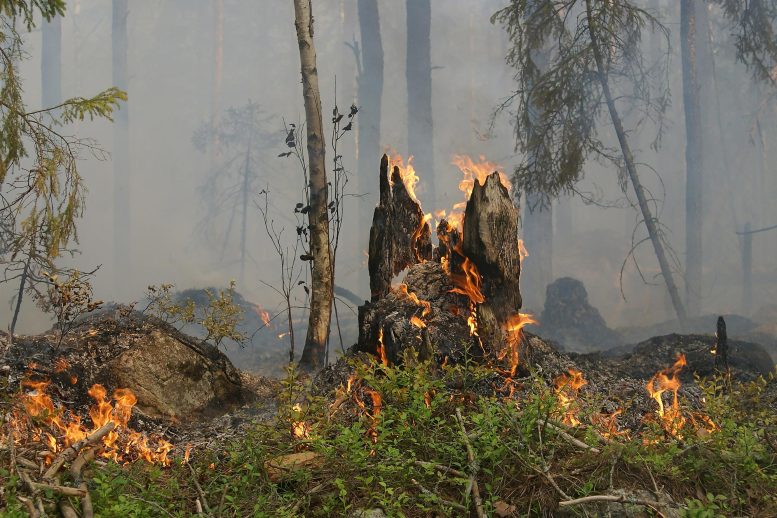
Neanderthals deliberately used fire to keep forests open 125,000 years ago, reshaping ecosystems long before farming.
Hunter-gatherers caused ecosystems to change 125,000 years ago. These are the findings of an interdisciplinary study by archaeologists from Leiden University in collaboration with other researchers. Neanderthals used fire to keep the landscape open and thus had a big impact on their local environment. The study was published in the journal Science Advances on December 15, 2021.
“Among other things, we found the remains of hundreds of slaughtered animals, surrounded by numerous stone tools and a huge amount of charcoal remains.” — Wil Roebroeks
“Archaeologists have long been asking questions about the character and temporal depth of human intervention in our planet’s ecosystems. We are increasingly seeing very early, generally weak signs of this,” says Wil Roebroeks, Archaeology professor at Leiden University.
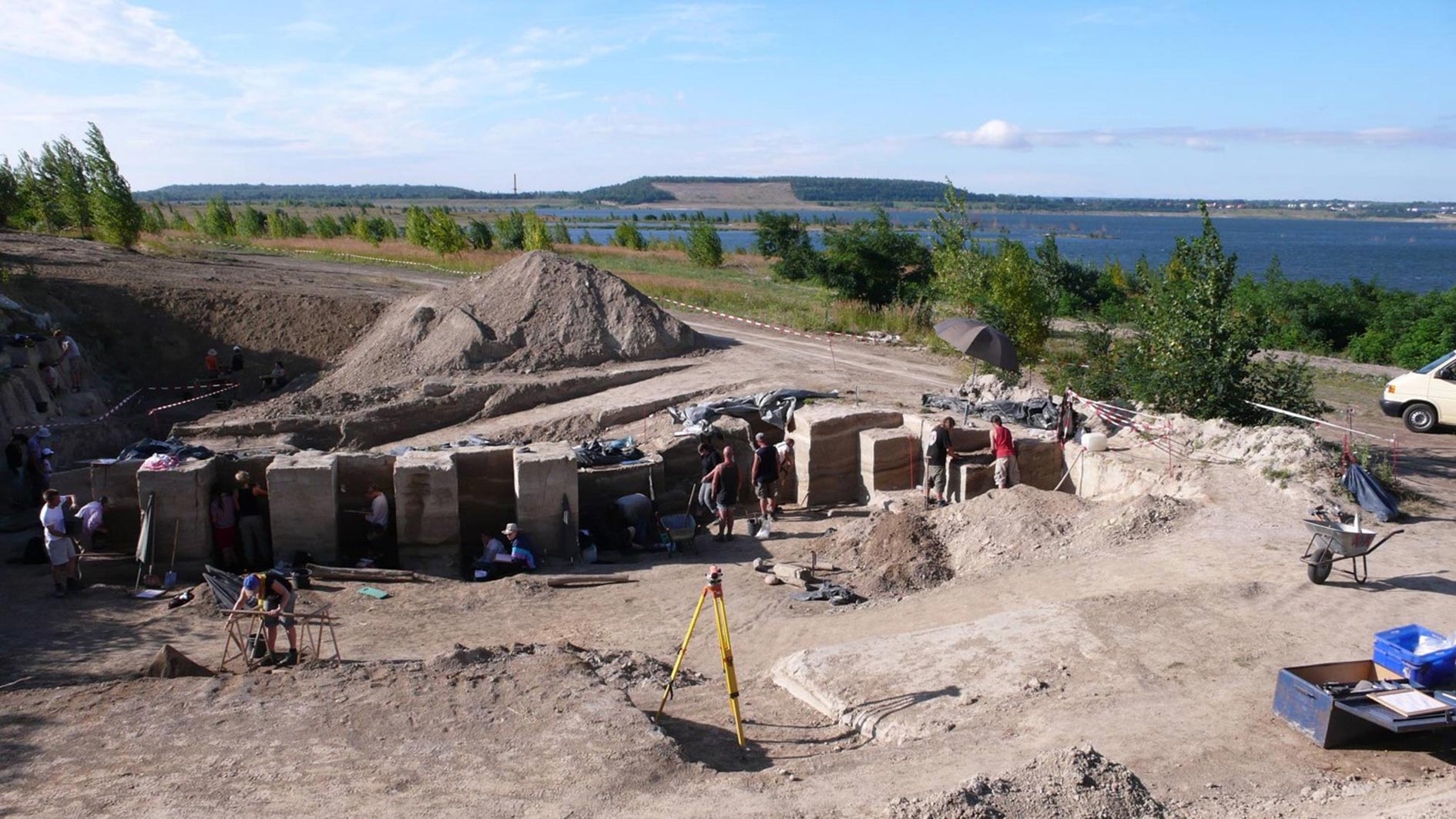
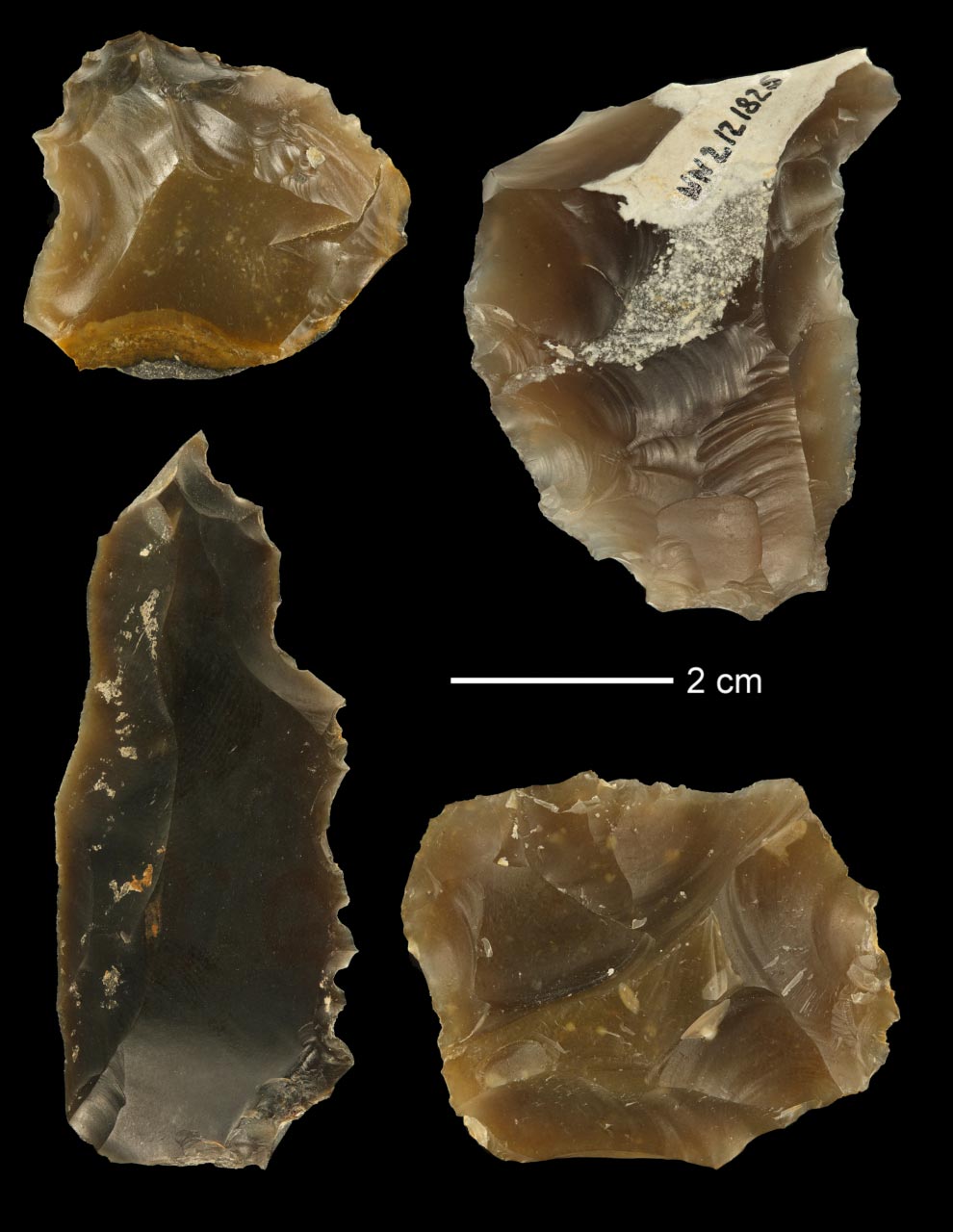
These signs proved much stronger in research at a lignite quarry near Halle in Germany. Archaeological research has been carried out at this quarry, Neumark-Nord, in the last few decades, and alongside a huge amount of data about the early environment, abundant traces of Neanderthal activities have been found. “Among other things, we found the remains of hundreds of slaughtered animals, surrounded by numerous stone tools and a huge amount of charcoal remains.”

Open for 2,000 Years
The traces were found in what 125,000 years ago was a forest area where not only prey such as horses, deer, and cattle, but also elephants, lions, and hyenas lived. This mixed deciduous forest stretched from the Netherlands to Poland. In several places in the area were lakes, and on the edges of some of these, traces of Neanderthals have been found, Roebroeks explains. At the point in time when these Neanderthals turned up there, the closed forest made way for large open spaces, in part due to fires.
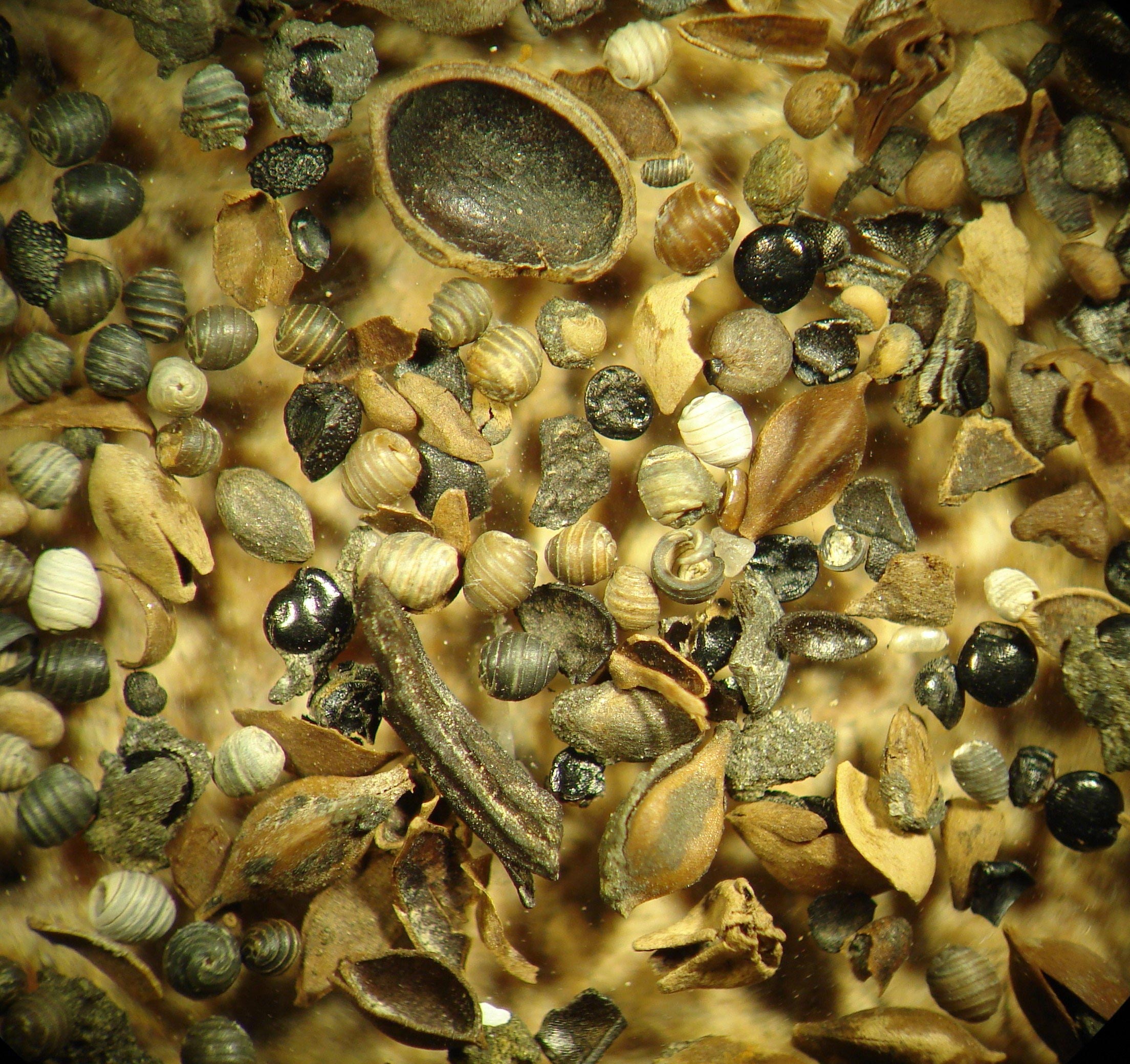
“The question is, of course, whether it became open because of the arrival of hominins, or whether hominins came because it was open? However, we have found sufficient evidence to conclude that hunter-gatherers kept the area open for at least 2,000 years.” Comparative research conducted by Leiden palaeobotanist Professor Corrie Bakels has shown that at similar lakes in the area, where the same animals roamed, but where there are no traces of Neanderthals, the dense forest vegetation remained largely intact.
“Hunter-gatherers weren’t simply “primal hippies” who roamed the landscape picking fruit here and hunting animals there.” — Wil Roebroeks
Until now it was generally thought that it was only when humans took up agriculture about 10,000 years ago that they began to shape their environment, for instance by cutting down trees to create fields. But many archaeologists believe it started much sooner, on a smaller scale, and according to Roebroeks, Neumark-Nord is the earliest example of such intervention. The new research findings are not only important for archaeology, says Roebroeks, but also for disciplines involved in nature restoration, for instance. “It also adds something to the behavioral spectrum of early hunter-gatherers. They weren’t simply “primal hippies” who roamed the landscape picking fruit here and hunting animals there. They helped shape their landscape.”
Major Impact of Fire
A previous study by Roebroeks and his research team showed that knowledge about fire was already being passed down by hominins at least 400,000 years ago. “We shouldn’t be surprised if in future research we find traces that indicate that hominins had a major impact on their environment much earlier, on a local scale at least.”
Reference: “Landscape modification by Last Interglacial Neanderthals” by Wil Roebroeks, Katharine MacDonald, Fulco Scherjon, Corrie Bakels, Lutz Kindler, Anastasia Nikulina, Eduard Pop and Sabine Gaudzinski-Windheuser, 15 December 2021, Science Advances.
DOI: 10.1126/sciadv.abj5567
Never miss a breakthrough: Join the SciTechDaily newsletter.
Follow us on Google and Google News.
6 Comments
This is an important finding in view of the current climate crisis.
Would you care to expound on your profound statement? Just what is the importance and the relationship to the “current climate crisis?”
… this question might fit better in this line>
If the Humans have babies with the Neanderthals, could there be a chance that one of those combination had cancer more likely occur and then that way we would carry the Neanderthals genes only or more likely from one side. . .
… like we would see that more woman would have been in contact with neanderthals or more men would be in contact with neanderthals… perhaps…
… Something like that happens when you mix a tiger and a lion…
As the daughter of someone with more Neanderthal genes than 99% of everyone on 23&me, I am pretty sure they’ve been wrong about almost everything up until recent discoveries. We are so pathetic that we think people who lived at any point prior to now were not as smart as us. Meanwhile, so many of us can’t even understand that wearing a mask saves lives or that all humans are equal.
Good comment Kathe, good for you! And for your info, yes, there is a tremendous and persistent tendency to not just underestimate cognitive and emotional capacities in mainstream anthropology that studies other hominids,including us in the middle and late Paleolithic, but even a kind of racism, including, surprise, surprise, misogyny. For further reading, perhaps, the blade and the chalice, I think by Riesner, not sure.