
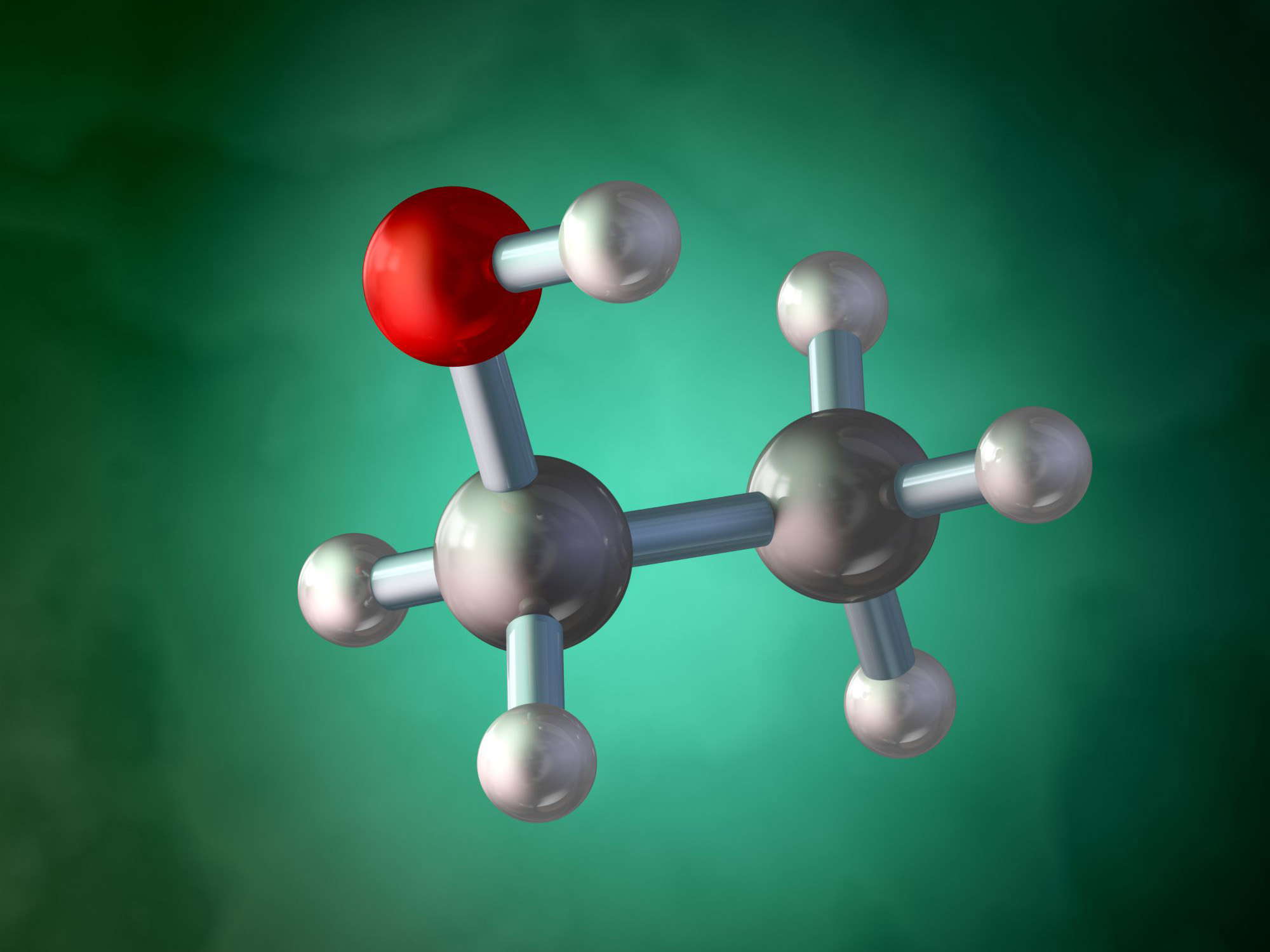
A new method for monitoring contamination in bioethanol production could boost industry revenue by over $1.6 billion USD and cut CO2 emissions by 2 million tons.
For the first time ever, researchers at The Novo Nordisk Foundation Center for Biosustainability (DTU Biosustain) have investigated the contaminant population from the sugarcane bioethanol production process at strain-level resolution. This pioneering study reveals how strain dynamics are directly involved in process performance, emphasizing the need for improved microbial control techniques to enhance industrial efficiency. The research results are recently published in Nature Communications.
Enhanced process yield and environmental benefits
Bioethanol, a major renewable energy source, is derived from the fermentation of sugars by yeast, primarily Saccharomyces cerevisiae. However, contaminant bacteria present in the raw material can significantly affect fermentation efficiency. Until now, these contaminant microbes have been characterized using methods that did not fully capture their diversity or impact.
“Our research provides a comprehensive analysis of microbial populations across all stages of the industrial bioethanol process in two major Brazilian biorefineries. By using a combination of shotgun metagenomics and cultivation-based methods, we identified ecological factors that influence community dynamics and bioconversion efficiency,” says Postdoc Felipe Lino from DTU Biosustain. He adds: “The study demonstrates that specific bacterial strains, influenced by temperature, can either hinder or enhance ethanol yield. This improvement could only be achieved with the advanced techniques we utilized.”
The findings could result in more than a 5% increase in process yield, translating into approximately $1.6 billion in increased revenues and a reduction in CO2 emissions by around 2 million tons per year, considering Brazil alone.
Strain-Level Resolution: Uncovering Hidden Bacterial Dynamics
The researchers discovered that the interplay between different species significantly impacts ethanol yield. Whenever Lactobacillus amylovorus is present in higher concentrations, yields are notably better.
Professor Morten Sommer from DTU Biosustain explains:
“We have mapped the microbial populations at strain-level resolution to uncover the true impact of non-yeast microbes on fermentation performance. We identified specific strains of the L. fermentum species causing the most damage to the process, while other strains are neutral and should even be kept as a buffer against harmful ones. Increased temperatures were linked to the growth of specific L. fermentum strains that negatively affect yeast viability and fermentation efficiency. This underscores the importance of adopting higher resolution methods in the future to monitor microbial communities.”
Paving the way for novel microbial and process control solutions
The results of this study could lead to the development of novel microbial and process control solutions that can control undesirable microbes and unlock significant performance improvements in bioethanol production. This can translate to more cost-effective biofuels, increased efficiency, and a substantial reduction in CO2 emissions, supporting global efforts to reduce greenhouse gas emissions.
Implications beyond bioethanol production
The research results are particularly relevant for biofuel and industrial biotechnology companies, as well as research groups focused on bioinformatics tools for analyzing microbiomes at strain-level resolution. The novel gene catalog and functional analyses developed in this study offer valuable resources for discovering new enzymes and metabolic traits for robust industrial strains. Also, these insights could be applied to other metagenomics studies, such as gut microbiome dynamics, soil and crop-related microbiomes.
Reference: “Strain dynamics of contaminating bacteria modulate the yield of ethanol biorefineries” by Felipe Senne de Oliveira Lino, Shilpa Garg, Simone S. Li, Maria-Anna Misiakou, Kang Kang, Bruno Labate Vale da Costa, Tobias Svend-Aage Beyer-Pedersen, Thamiris Guerra Giacon, Thiago Olitta Basso, Gianni Panagiotou and Morten Otto Alexander Sommer, 22 June 2024, Nature Communications.
DOI: 10.1038/s41467-024-49683-2
Never miss a breakthrough: Join the SciTechDaily newsletter.
Follow us on Google and Google News.