

A New Dataset Provides an Important Glimpse Into Arctic Ecosystems
A major new project will help to monitor biodiversity change in the Arctic Ocean and guide conservation efforts by identifying unique species and calculating their extinction risk.
The Alfred-Wegener Institute Helmholtz Centre for Polar- and Marine Research (AWI) in Germany and the University of East Anglia (UEA) in the UK jointly led the development of the EcoOmics dataset, which will support bioprospecting to address the shortage of antibiotics and antiviral medications as well as reveal evidence of novel biology that may affect our understanding of the evolution of life on Earth.
“Those organisms are likely a treasure trove for discovering novel biology because of their unique adaptation.” Prof. Thomas Mock
The group, which consists of scientists from the German Helmholtz Association, the German Research Foundation (DFG), the Joint Genome Institute (JGI, USA), and the Earlham Institute (UK), among other organizations, describes the project and early results in the journal PLOS Biology.
EcoOmics, the first large ‘omics’ or genome sequence dataset for any polar environment, shows a year in the biological life of the central Arctic Ocean, with a focus on microbiomes, communities of microorganisms living together in a habitat.
The Arctic Ocean acts as a gauge of the impacts of climate change as well as the persistence of biodiversity on our planet. Arctic ecosystems are among those most affected by global warming.
However, the Arctic, particularly the middle Arctic Ocean, continues to be one of the least studied regions owing to logistical and accessibility issues.
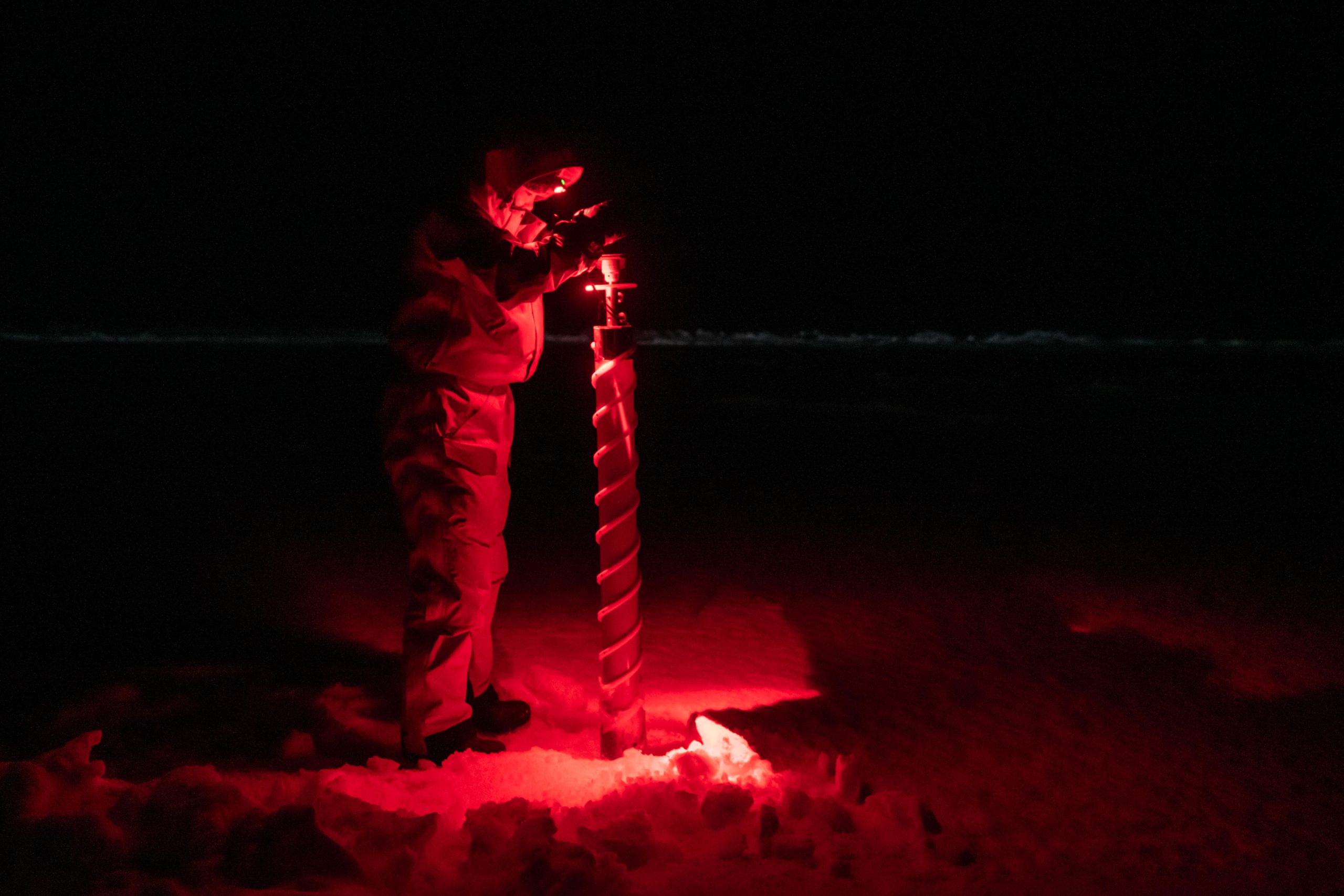
The MOSAiC Expedition: Unprecedented Polar Research
The work by the EcoOmics team aims to address this, providing an ‘open access’ genomic resource for the scientific community. It uses data from samples gathered during the ground-breaking Multi-Disciplinary drifting Observatory for the study of Arctic Climate (MOSAiC) program, which took place from September 2019 to October 2020.
The largest polar expedition in history, it saw the research ship the RV Polarstern frozen into the Arctic sea ice and drift across the top of the Arctic Ocean. Hundreds of scientists conducted a range of coordinated marine, atmospheric, sea-ice related, and other research dedicated to improving our understanding of the role of the Arctic Ocean in climate processes.
Prof. Thomas Mock, of UEA’s School of Environmental Sciences, co-leads the EcoOmics project with Dr. Katja Metfies from the AWI.
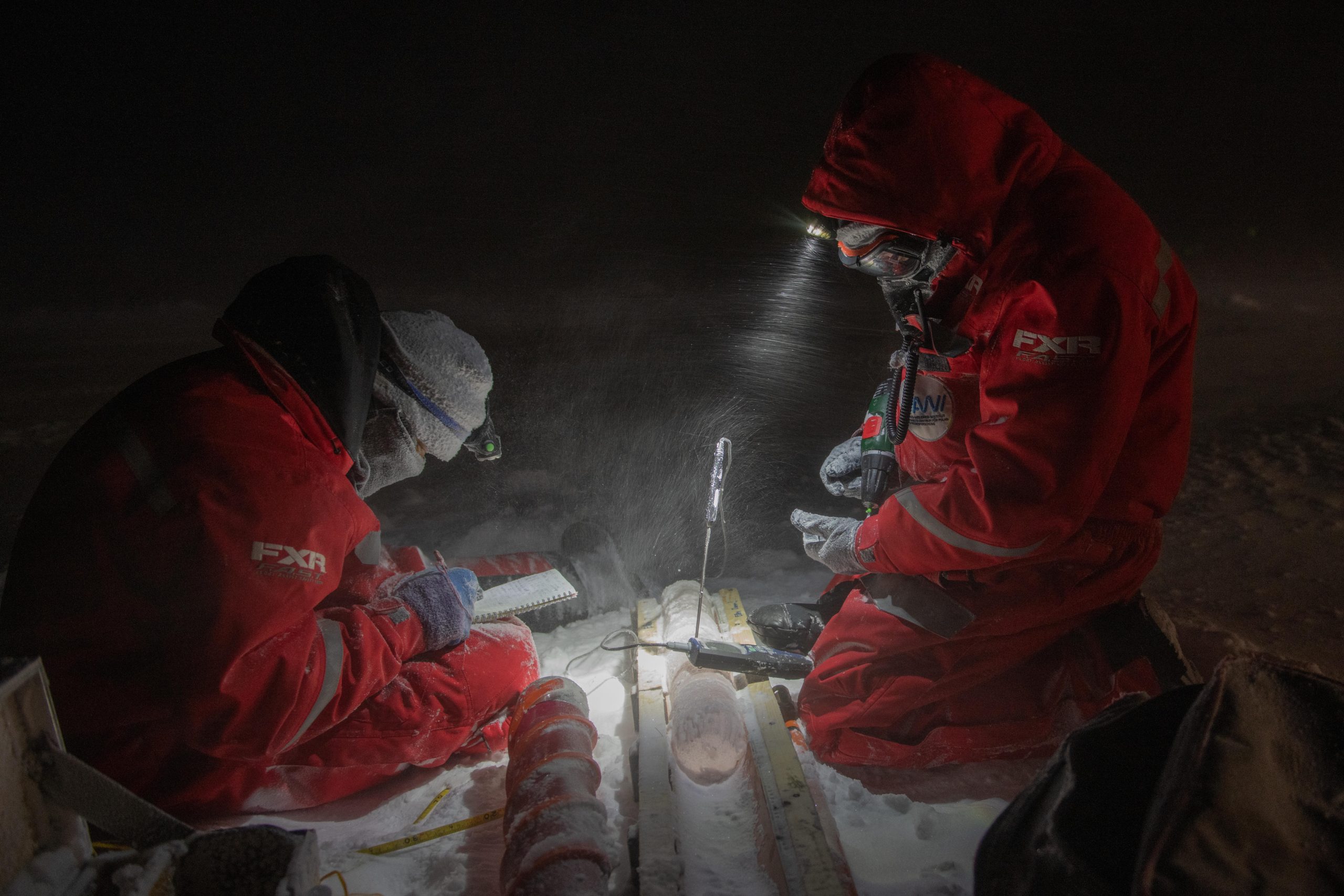
Unveiling Novel Biology in the Arctic Ocean
“This is the first and largest effort to sequence the central Arctic Ocean through space and time,” said Prof. Mock. “It provides the first evidence of novel biology as the work was done in an area that has never been studied ever before using multi-omics technology, that is, sequencing of genes, genomes, and transcriptomes from natural microbial communities from the surface to the deep central Arctic Ocean.
Dr. Metfies said: “This dataset will give us an unprecedented insight into the relevance of sea ice and its associated organisms to sustain the functionality and services of the Arctic marine ecosystem, which is facing the drastic pressure of climate change.
“MOSAiC gives us an important glimpse into the future of Arctic ecosystems beyond 2050 when the Arctic Ocean is predicted to be ice-free during summer. This integrative scientific approach is unprecedented for polar oceans, but it is needed to improve our projections of interacting species’ responses to climate change in the Arctic.”
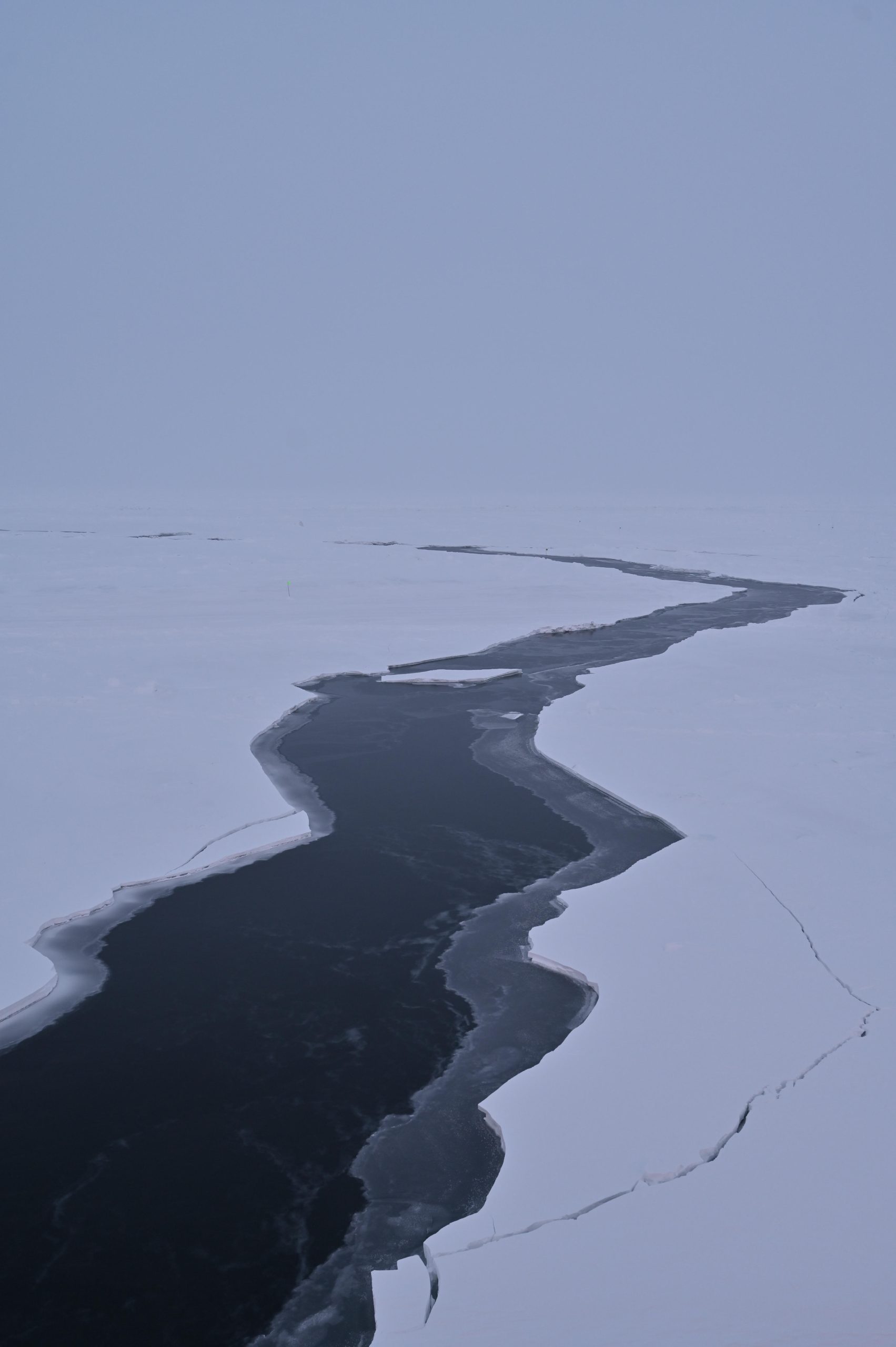
Sea Ice Microbes and Climate Feedback
In particular, marine microbes in sea ice and seawater are a cornerstone in this ecosystem and play pivotal roles in climate feedback and in sustaining food webs, which are central for conservation and ecosystem services such as providing a habitat for species including fisheries. Microbes also serve as biological indicators due to their fast adaptive response to environmental change.
Initial results from the MOSAiC EcoOmics group provide the first evidence of habitat filtering in the Arctic Ocean, which describes the process by which habitat characteristics select for species adapted to them. It also revealed that the central Arctic Ocean is a “treasure trove” for discovering novel biology which has possibly evolved because of adaptive processes required to thrive in this harsh and understudied environment.
“MOSAiC EcoOmics is well placed to build the most comprehensive and integrative genetic and genomic inventory of any polar ecosystem on Earth,” said Prof. Mock. “EcoOmics will contribute to conservation efforts and extend fundamental questions in biology including the evolution of life on planet Earth, which remains incomplete unless polar organisms are considered.
“Those organisms are likely a treasure trove for discovering novel biology because of their unique adaptation. How our understanding of global biodiversity will be influenced by novel polar biology remains to be seen, but our preliminary insights hold great promise.”
Reference: “Multiomics in the central Arctic Ocean for benchmarking biodiversity change” by Thomas Mock, William Boulton, John-Paul Balmonte, Kevin Barry, Stefan Bertilsson, Jeff Bowman, Moritz Buck, Gunnar Bratbak, Emelia J. Chamberlain, Michael Cunliffe, Jessie Creamean, Oliver Ebenhöh, Sarah Lena Eggers, Allison A. Fong, Jessie Gardner, Rolf Gradinger, Mats A. Granskog, Charlotte Havermans, Thomas Hill, Clara J. M. Hoppe, Kerstin Korte, Aud Larsen, Oliver Müller, Anja Nicolaus, Ellen Oldenburg, Ovidiu Popa, Swantje Rogge, Hendrik Schäfer, Katyanne Shoemaker, Pauline Snoeijs-Leijonmalm, Anders Torstensson, Klaus Valentin, Anna Vader, Kerrie Barry, I.-M. A. Chen, Alicia Clum, Alex Copeland, Chris Daum, Emiley Eloe-Fadrosh, Brian Foster, Bryce Foster, Igor V. Grigoriev, Marcel Huntemann, Natalia Ivanova, Alan Kuo, Nikos C. Kyrpides, Supratim Mukherjee, Krishnaveni Palaniappan, T. B. K. Reddy, Asaf Salamov, Simon Roux, Neha Varghese, Tanja Woyke, Dongying Wu, Richard M. Leggett, Vincent Moulton and Katja Metfies, 17 October 2022, PLOS Biology.
DOI: 10.1371/journal.pbio.3001835
The study was funded by the Alfred Wegener Institute for Polar and Marine Research, the German Research Foundation, the USA Department of Energy (DOE) Joint Genome Institute, the US National Science Foundation, the USA Department of Energy Atmospheric Radiation Measurement and Atmospheric System Research, the Natural Environment Research Council UK, the Research Council of Norway, the European Commission, the Swedish Polar Research Secretariat, the Swedish Research Council, the Swedish Scientific Council FORMAS, and the Leverhulme Trust.
Never miss a breakthrough: Join the SciTechDaily newsletter.
Follow us on Google and Google News.