
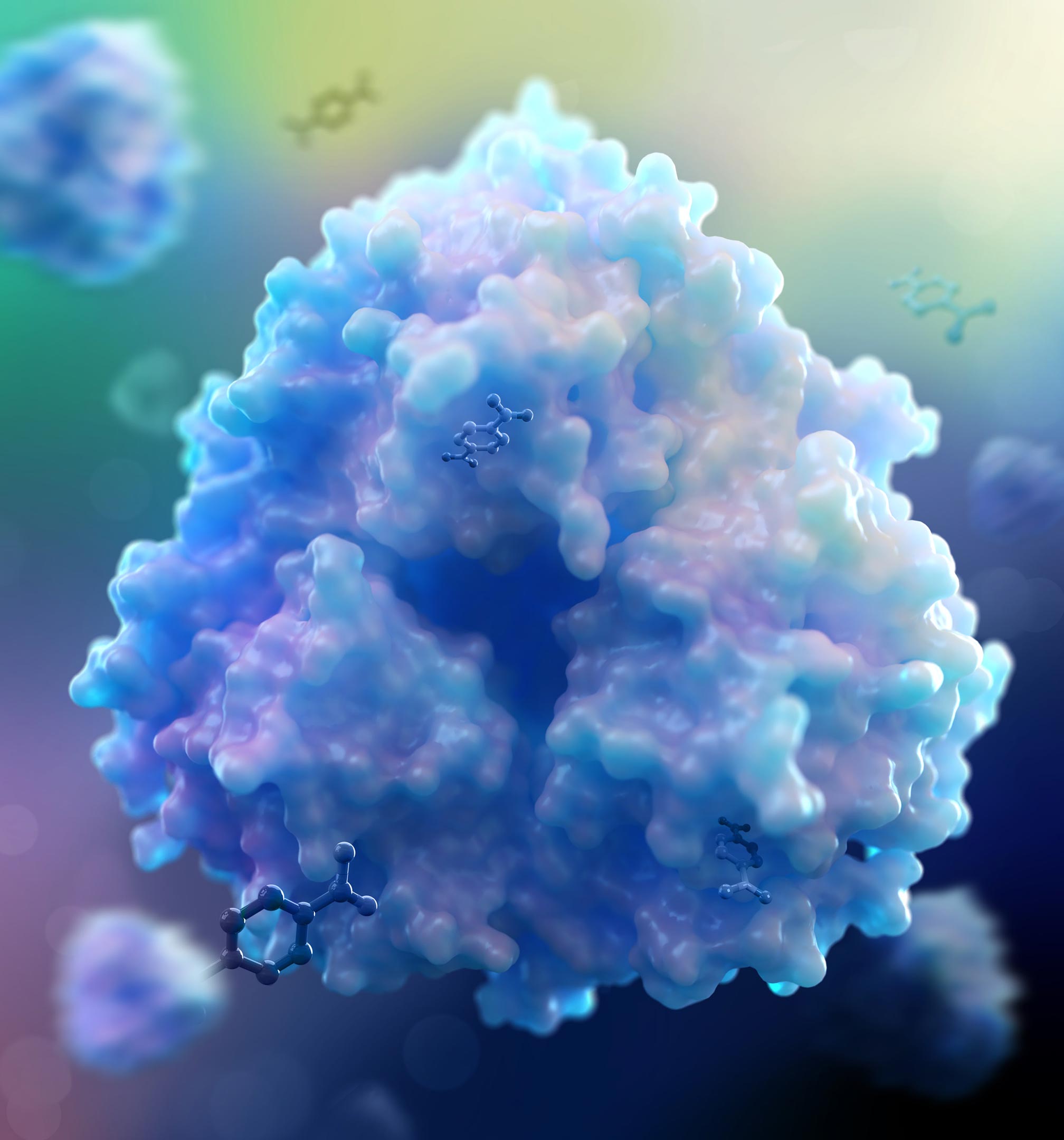
Scientists who helped to pioneer the use of enzymes to eat plastic have taken an important next step in developing nature-based solutions to the global plastics crisis.
Scientists who helped to pioneer the use of enzymes to eat plastic have taken an important next step in developing nature-based solutions to the global plastics crisis.
They have characterized an enzyme that has the remarkable capacity to help break down terephthalate (TPA), one of the chemical building blocks of polyethylene terephthalate (PET) plastic, which is used to make single-use drinks bottles, clothing, and carpets.
The research, which is published in The Proceedings of the National Academy of Sciences (PNAS), was co-led by Professor Jen DuBois, Montana State University, and Professor John McGeehan from the University of Portsmouth, who in 2018 led the international team that engineered a natural enzyme that could break down PET plastic. The enzymes (PETase and MHETase) break the PET polymer into the chemical building blocks ethylene glycol (EG) and TPA. This new research describes the next steps, specifically for managing TPA.
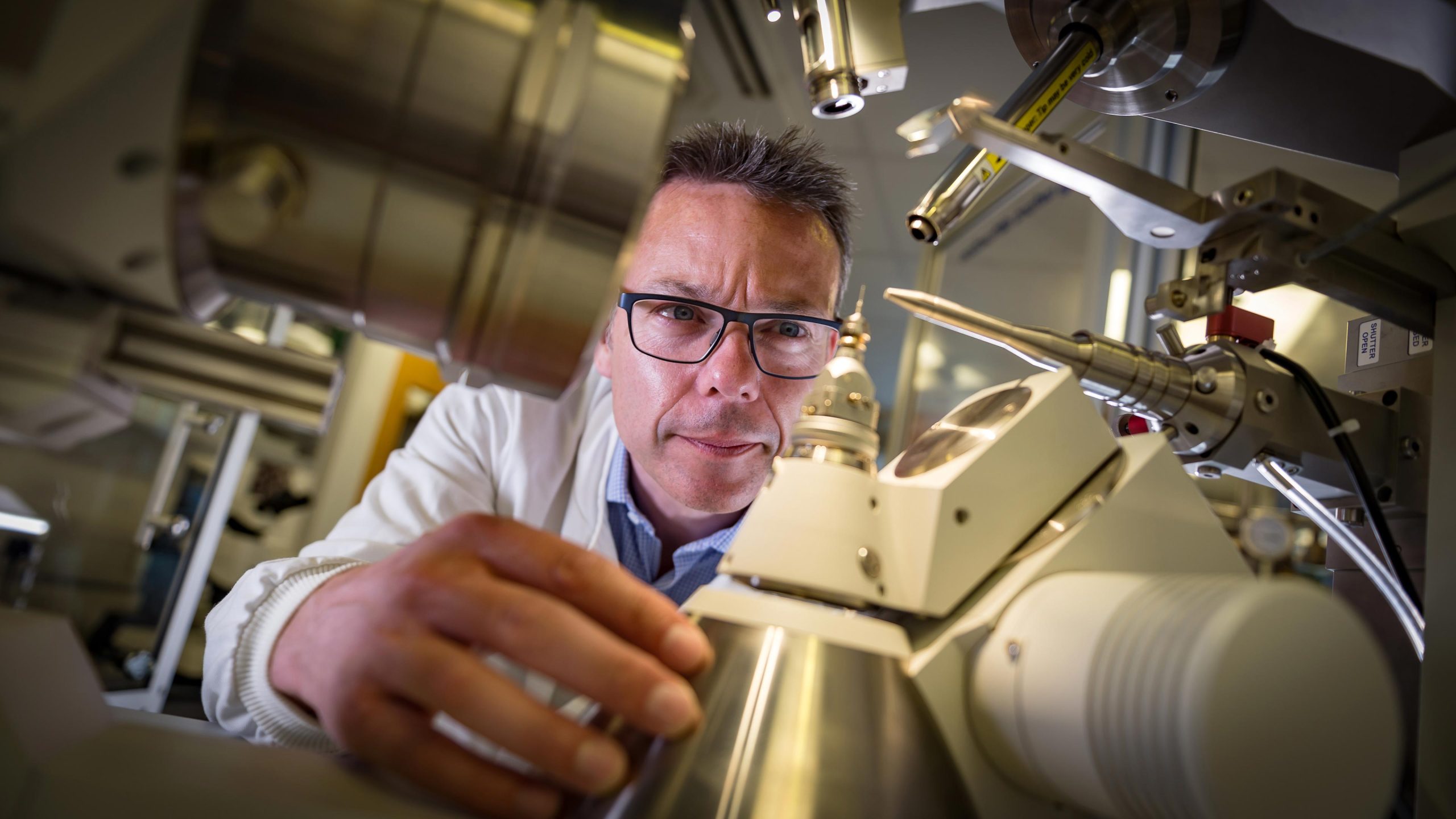
Characterizing the TPADO Enzyme for Efficient TPA Breakdown
Professor DuBois said: “While EG is a chemical with many uses – it’s part of the antifreeze you put into your car, for example – TPA does not have many uses outside of PET, nor is it something that most bacteria can even digest. However, the Portsmouth team revealed that an enzyme from PET-consuming bacteria recognizes TPA like a hand in a glove. Our group at MSU then demonstrated that this enzyme, called TPADO, breaks down TPA and pretty much only TPA, with amazing efficiency.”
With more than 400 million tons of plastic waste produced each year, the overwhelming majority of which ends up in landfills, it is hoped this work will open the door to improving bacterial enzymes, such as TPADO. This will help tackle the challenge of plastic pollution and develop biological systems that can convert waste plastic into valuable products.
Professor McGeehan, who is the Director of the University’s Centre for Enzyme Innovation, said: “The last few years have seen incredible advances in the engineering of enzymes to break down PET plastic into its building blocks. This work goes a stage further and looks at the first enzyme in a cascade that can deconstruct those building blocks into simpler molecules. These can then be utilized by bacteria to generate sustainable chemicals and materials, essential for making valuable products out of plastic waste.
“Using powerful X-ray at the Diamond Light Source, we were able to generate a detailed 3D structure of the TPADO enzyme, revealing how it performs this crucial reaction. This provides researchers with a blueprint for engineering faster and more efficient versions of this complex enzyme.”
Reference: “Biochemical and structural characterization of an aromatic ring–hydroxylating dioxygenase for terephthalic acid catabolism” by William M. Kincannon, Michael Zahn, Rita Clare, Jessica Lusty Beech, Ari Romberg, James Larson, Brian Bothner, Gregg T. Beckham, John E. McGeehan and Jennifer L. DuBois, 21 March 2022, Proceedings of the National Academy of Sciences.
DOI: 10.1073/pnas.2121426119.
The study was undertaken as part of the BOTTLE Consortium, an international collaboration between the US and UK, bringing together researchers from across a wide range of scientific areas to tackle plastic recycling and upcycling.
Never miss a breakthrough: Join the SciTechDaily newsletter.
Follow us on Google and Google News.