
Close Menu
    Facebook X (Twitter) Instagram
    SciTechDaily
    • Biology
    • Chemistry
    • Earth
    • Health
    • Physics
    • Science
    • Space
    • Technology
    Facebook X (Twitter) Pinterest YouTube RSS
    SciTechDaily
    Home»Biology»New Repair Mechanism for Alcohol-Induced DNA Damage Discovered
    Biology

    New Repair Mechanism for Alcohol-Induced DNA Damage Discovered

    By Hubrecht InstituteMarch 4, 2020No Comments3 Mins Read
    Facebook Twitter Pinterest Telegram LinkedIn WhatsApp Email Reddit
    Share
    Facebook Twitter LinkedIn Pinterest Telegram Email Reddit
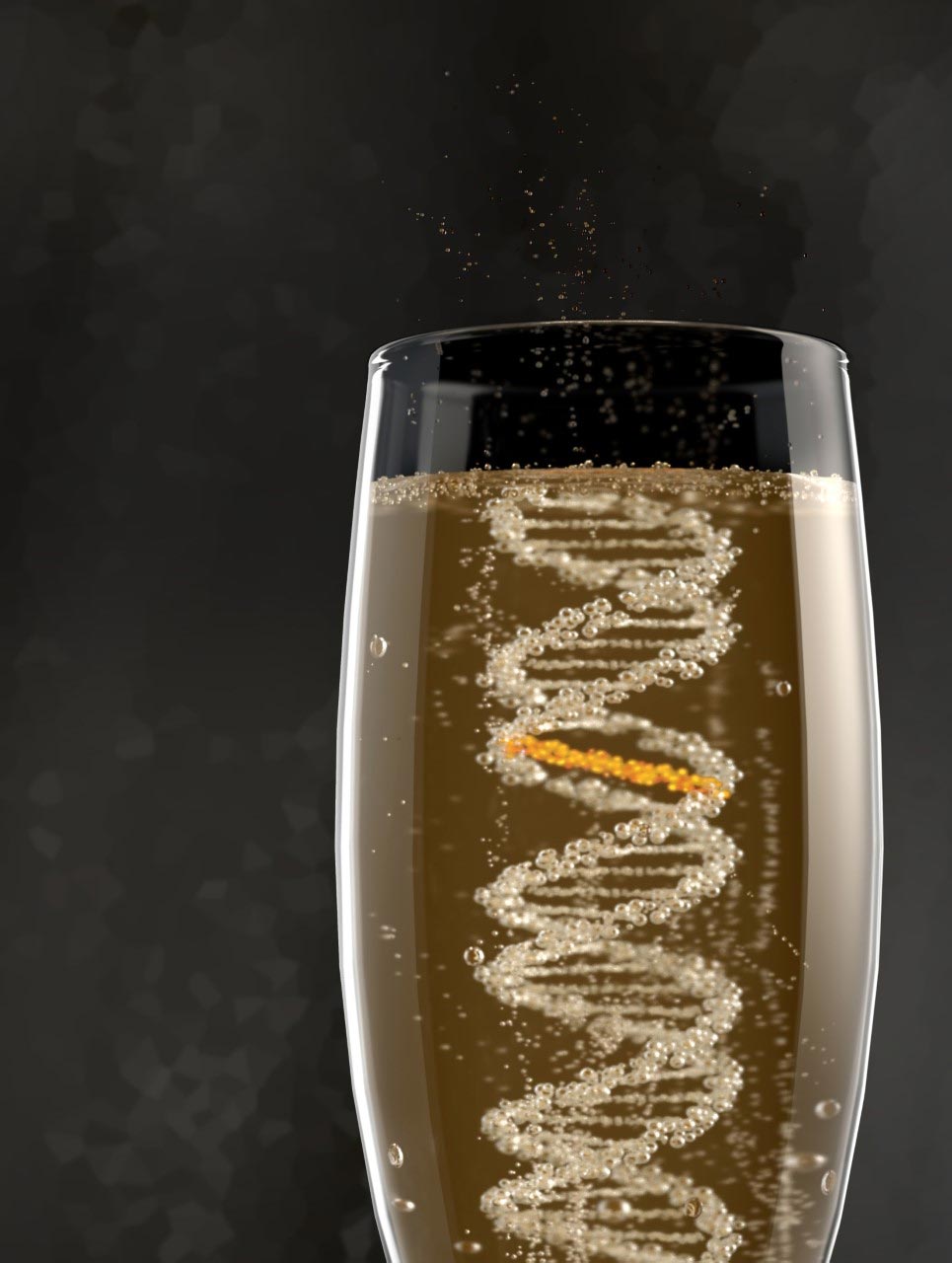
    Alcohol Induced Interstrand Crosslink
    Artist impression of an alcohol-induced interstrand crosslink (ICL). The ICL is the yellow connection between both DNA strands, making them stick together. Credit: Copyright MRC Laboratory of Molecular Biology or MRC LMB

    Researchers of the Hubrecht Institute (KNAW) in Utrecht, The Netherlands, and the MRC Laboratory of Molecular Biology in Cambridge, United Kingdom, have discovered a new way in which the human body repairs DNA damage caused by a degradation product of alcohol. That knowledge underlines the link between alcohol consumption and cancer. The research groups of Puck Knipscheer and Ketan J. Patel worked together on this study and published the results in the scientific journal Nature today (March 4, 2020).

    Our DNA is a daily target for a barrage of damage caused by radiation or toxic substances such as alcohol. When alcohol is metabolized, acetaldehyde is formed. Acetaldehyde causes a dangerous kind of DNA damage — the interstrand crosslink (ICL) — that sticks together the two strands of the DNA. As a result, it obstructs cell division and protein production. Ultimately, an accumulation of ICL damage may lead to cell death and cancer.

    Defense against DNA damage

    Thankfully, every cell in our body possesses a toolkit with which it can repair this type of damage to the DNA. The first line of defense against ICLs caused by acetaldehyde is the ALDH2 enzyme, that largely breaks down acetaldehyde before it causes any harm. However, not everyone profits from this enzyme — about half of the Asian population, more than 2 billion people worldwide, possess a mutation in the gene coding for this enzyme. Because they are not able to break down acetaldehyde, they are more prone to develop alcohol-related cancer.

    New line of defense

    Scientists from the groups of Puck Knipscheer (Hubrecht Institute) and Ketan J. Patel (MRC Laboratory of Molecular Biology) studied the second line of defense against alcohol-induced ICLs: mechanisms that remove the damage from the DNA. The investigators studied these mechanisms using protein extracts made from the eggs of the clawed frog (Xenopus laevis), an animal model commonly used in biology research. By using these extracts to repair an ICL formed by acetaldehyde, they discovered the existence of two mechanisms that repair ICL damage: the previously known Fanconi anemia (FA) pathway and a novel, faster route. These two mechanisms differ from each other: in the FA pathway the DNA is cut to remove the ICL, whereas the enzymes in the newly discovered route cut the crosslink itself.

    Specific damage

    With this research, the scientists provide a mechanistic sneak peek in the process of DNA damage repair. ‘We now know that there are multiple ways in which the body can repair ICLs in the DNA’, says co-lead author Puck Knipscheer. She thinks that this type of research may lead to a better understanding of treatment for alcohol-related types of cancer. ‘But before we can do that, we first have to know exactly how this novel mechanism for ICL repair works.’

    Reference: “Alcohol-derived DNA crosslinks are repaired by two distinct mechanisms” by Michael R. Hodskinson, Alice Bolner, Koichi Sato, Ashley N. Kamimae-Lanning, Koos Rooijers, Merlijn Witte, Mohan Mahesh, Jan Silhan, Maya Petek, David M. Williams, Jop Kind, Jason W. Chin, Ketan J. Patel and Puck Knipscheer, 4 March 2020, Nature.
    DOI: 10.1038/s41586-020-2059-5

    Never miss a breakthrough: Join the SciTechDaily newsletter.
    Follow us on Google and Google News.

    Alcohol Biochemistry Cancer DNA Hubrecht Institute Molecular Biology
    Share. Facebook Twitter Pinterest LinkedIn Email Reddit

    Related Articles

    Researchers Discover New Way To Fight the Aging Process

    Yale Research Identifies Causes of Cancer

    Blue Light Can Trigger Key Signaling Pathway for Embryonic Development and Cancer Genesis

    Innovative Chemical “Nose” Sniffs Critical Differences in DNA Structures

    Dietary Therapy for Cancer? Amino Acid Consumption Determines the Fate of Cancer Cells

    Solving a 100-Year-Old Paradox: Why Cancer Cells Waste So Much Energy

    Scientists Can Now Scoop Molecular Contents of Individual Cells for Study

    Biochemists Reveal Secrets of a Little-Known Cancer Ally

    UCLA Study Shows DNA Patterns Can Unlock How Glucose Metabolism Drives Cancer

    Leave A Reply Cancel Reply

    • Facebook
    • Twitter
    • Pinterest
    • YouTube

    Don't Miss a Discovery

    Subscribe for the Latest in Science & Tech!

    Trending News

    AI Could Detect Early Signs of Alzheimer’s in Under a Minute – Far Before Traditional Tests

    What if Dark Matter Has Two Forms? Bold New Hypothesis Could Explain a Cosmic Mystery

    This Metal Melts in Your Hand – and Scientists Just Discovered Something Strange

    Beef vs. Chicken: Surprising Results From New Prediabetes Study

    Alzheimer’s Breakthrough: Scientists Discover Key Protein May Prevent Toxic Protein Clumps in the Brain

    Quantum Reality Gets Stranger: Physicists Put a Lump of Metal in Two Places at Once

    Scientists May Have Found the Key to Jupiter and Saturn’s Moon Mystery

    Scientists Uncover Brain Changes That Link Pain to Depression

    Follow SciTechDaily
    • Facebook
    • Twitter
    • YouTube
    • Pinterest
    • Newsletter
    • RSS
    SciTech News
    • Biology News
    • Chemistry News
    • Earth News
    • Health News
    • Physics News
    • Science News
    • Space News
    • Technology News
    Recent Posts
    • Living With Roommates Might Be Changing Your Gut Microbiome Without You Knowing
    • Simple and Cheap Blood Test Could Detect Cancer and Other Diseases Before Symptoms Appear
    • Century-Old Cleaning Chemical Linked to 500% Increased Risk of Parkinson’s Disease
    • What if Your Memories Never Happened? Physicists Take a New Look at the Boltzmann Brain Paradox
    • Students Found an Ancient Star That Shouldn’t Be in the Milky Way
    Copyright © 1998 - 2026 SciTechDaily. All Rights Reserved.
    • Science News
    • About
    • Contact
    • Editorial Board
    • Privacy Policy
    • Terms of Use

    Type above and press Enter to search. Press Esc to cancel.