
Close Menu
    Facebook X (Twitter) Instagram
    SciTechDaily
    • Biology
    • Chemistry
    • Earth
    • Health
    • Physics
    • Science
    • Space
    • Technology
    Facebook X (Twitter) Pinterest YouTube RSS
    SciTechDaily
    Home»Science»New Research Reveals How Microbes Help Detoxify Our Atmosphere
    Science

    New Research Reveals How Microbes Help Detoxify Our Atmosphere

    By Monash UniversityJanuary 31, 2025No Comments3 Mins Read
    Facebook Twitter Pinterest Telegram LinkedIn WhatsApp Email Reddit
    Share
    Facebook Twitter LinkedIn Pinterest Telegram Email Reddit
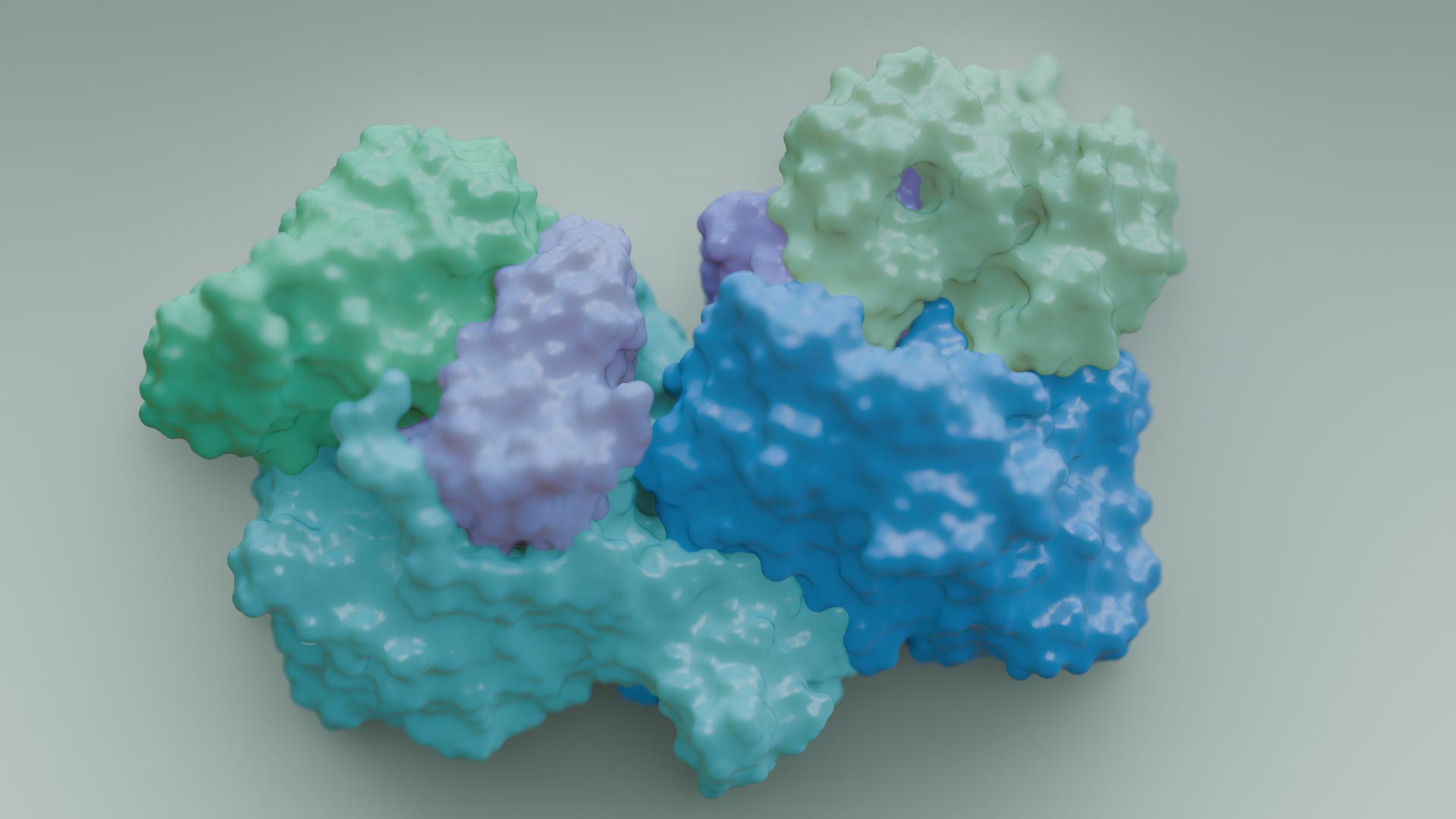
    Molecular Architecture of the Specialised Enzyme That Allows Microbes To Consume Toxic CO From the Atmosphere
    This image shows the molecular architecture of the specialized enzyme that allows microbes to consume toxic CO from the atmosphere. Credit: Ashleigh Kropp and Dr David Gillett

    Microbes consume large amounts of carbon monoxide using a specialized enzyme, helping regulate atmospheric CO levels.

    Melbourne researchers have uncovered key insights into how microbes absorb large quantities of carbon monoxide (CO), helping to lower levels of this toxic gas.

    Each year, over two billion tons of CO are released into the atmosphere worldwide. Microbes play a crucial role in reducing this by consuming approximately 250 million tonnes, contributing to a safer environment.

    Unveiling the Mechanism Behind Microbial CO Consumption

    The Monash University-led Study, published in Nature Chemical Biology, reveals at an atomic level how microbes consume CO present in the atmosphere. They use a special enzyme, called the CO dehydrogenase, to extract energy from this universally present but highly toxic gas.

    Co-first author Ashleigh Kropp, from the Monash Biomedicine Discovery Institute’s (BDI) Greening lab and the University of Melbourne’s Grinter lab, said the study showed for the first time how this enzyme extracted atmospheric CO and powered cells.

    “This enzyme is used by trillions of microbes in our soils and waters. These microbes consume CO for their own survival, but in the process inadvertently help us,” Ms Kropp said.

    Microbes: Nature’s Atmospheric Cleaners

    Co-first author Dr David Gillett, who completed his PhD research in the Greening Lab, said this was a fantastic example of microbial ‘ingenuity’: how life has evolved ways to turn something toxic into something useful.

    “These microbes help clean our atmosphere,” Dr Gillett said. “This counteracts air pollution, which kills many millions of people each year, and also reduces global warming given CO is indirectly a greenhouse gas.”

    While this discovery is unlikely to be directly used to combat or monitor CO emissions, it deepens our understanding of how the atmosphere is regulated and how it might respond to future changes.

    Professor Chris Greening, co-senior author and head of BDI’s Global Change Program, said the discovery highlighted the broader importance of microbes.

    “Microbes play countless roles essential for both human and planetary health. Yet, because they’re invisible and often misunderstood, their contributions frequently go unnoticed,” he said.

    Ms Kropp said microbes were a big reason why our air was breathable. “They make half the oxygen we breathe and detoxify various pollutants like CO. It’s crucial we better understand and appreciate how they support our own survival,” she said.

    Reference: “Quinone extraction drives atmospheric carbon monoxide oxidation in bacteria” by Ashleigh Kropp, David L. Gillett, Hari Venugopal, Miguel A. Gonzálvez, James P. Lingford, Surbhi Jain, Christopher K. Barlow, Jie Zhang, Chris Greening and Rhys Grinter, 29 January 2025, Nature Chemical Biology.
    DOI: 10.1038/s41589-025-01836-0

    Funding: Australian Research Council, National Health and Medical Research Council, Australian Government Research Training Stipend

    Never miss a breakthrough: Join the SciTechDaily newsletter.
    Follow us on Google and Google News.

    Chemical Biology Climate Change Environment Monash University Pollution
    Share. Facebook Twitter Pinterest LinkedIn Email Reddit

    Related Articles

    Global Warming Impacts Lake Water

    The First ‘Bottom-Up’ Estimates of China’s CO2 Emissions

    Many Mammals in Western Hemisphere are Unlikely to Outrun Climate Change

    Particulate Pollution Created ‘Warming Hole’ that Delayed Climate Change

    Study Reports Air Pollution Causes Thousands of Premature Deaths Each Year

    Coal-Tar-Based Sealants Emitting PAHs at Rates Possibly Greater Than Auto Emissions

    Natural Gas Mining Could Leak Enough Methane, No Longer Considered as Clean

    Intercontinental Crop Losses Caused by Ozone

    Da Vinci’s Last Supper Threatened By Air Pollution

    Leave A Reply Cancel Reply

    • Facebook
    • Twitter
    • Pinterest
    • YouTube

    Don't Miss a Discovery

    Subscribe for the Latest in Science & Tech!

    Trending News

    First-of-Its-Kind Discovery: Homer’s Iliad Found Embedded in a 1,600-Year-Old Egyptian Mummy

    Beyond Inflammation: Scientists Uncover New Cause of Persistent Rheumatoid Arthritis

    A Simple Molecule Could Unlock Safer, Easier Weight Loss

    Scientists Just Built a Quantum Battery That Charges Almost Instantly

    Researchers Unveil Groundbreaking Sustainable Solution to Vitamin B12 Deficiency

    Millions of People Have Osteopenia Without Realizing It – Here’s What You Need To Know

    Researchers Discover Boosting a Single Protein Helps the Brain Fight Alzheimer’s

    World-First Study Reveals Human Hearts Can Regenerate After a Heart Attack

    Follow SciTechDaily
    • Facebook
    • Twitter
    • YouTube
    • Pinterest
    • Newsletter
    • RSS
    SciTech News
    • Biology News
    • Chemistry News
    • Earth News
    • Health News
    • Physics News
    • Science News
    • Space News
    • Technology News
    Recent Posts
    • Scientists Just Solved the Mystery of the Twelve Apostles
    • Stone Age Mystery: DNA Reveals Ancient Population Wipeout in France
    • Why Did the Neanderthals Disappear? Scientists Reveal Humans Had a Hidden Advantage
    • Unusually Warm Water Detected Creeping Toward Antarctica – and Scientists Are Alarmed
    • Scientists Uncover Hidden Property of Light That Twists Matter Sideways
    Copyright © 1998 - 2026 SciTechDaily. All Rights Reserved.
    • Science News
    • About
    • Contact
    • Editorial Board
    • Privacy Policy
    • Terms of Use

    Type above and press Enter to search. Press Esc to cancel.