
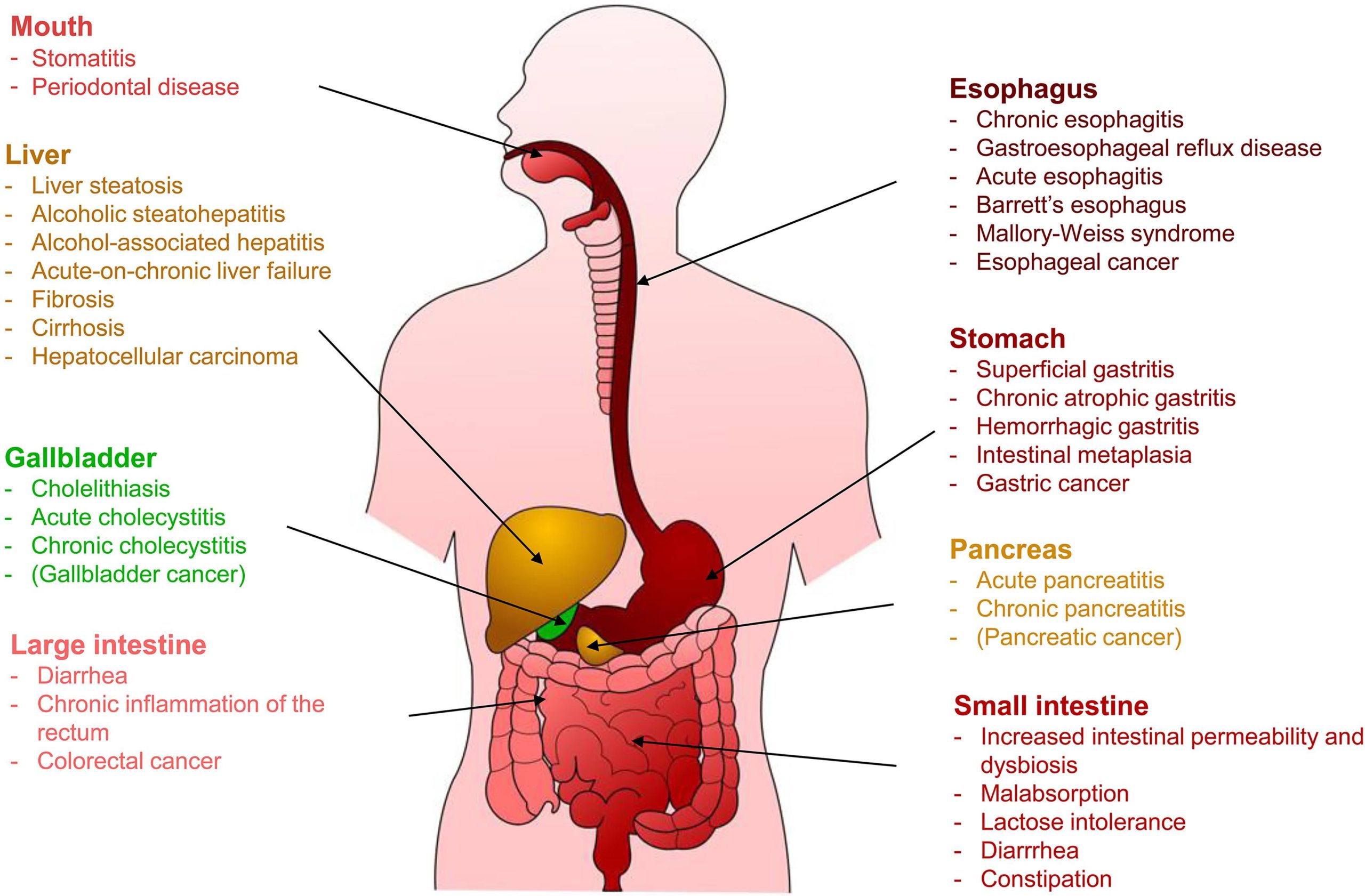
Alcohol doesn’t just impact the liver, it wreaks havoc on the entire digestive system. From inflamed gums and acid reflux to chronic pancreatitis and deadly cancers, excessive drinking is a silent destroyer of gastrointestinal health.
The liver, responsible for breaking down alcohol, suffers immense damage, leading to cirrhosis and even liver cancer. Meanwhile, the stomach and intestines experience erosion, ulcers, and nutrient malabsorption. The pancreas is at risk for life-threatening pancreatitis, while the gallbladder can develop painful gallstones. Even more alarming, alcohol significantly raises the risk of deadly gastrointestinal cancers. Reducing alcohol intake is the best way to protect digestive health and prevent irreversible damage.
The Hidden Toll of Alcohol on Digestive Health
Excessive alcohol consumption is a major public health issue, contributing to 6% of all deaths worldwide and 5.1% of the global disease burden. It is a key risk factor for more than 200 diseases, including liver cirrhosis, pancreatitis, and esophageal cancer, with particularly severe effects on the digestive system. More than half of alcohol-related deaths are linked to gastrointestinal diseases, underscoring the need to understand how alcohol affects digestion. This review explores how the body processes ethanol and how alcohol consumption contributes to diseases affecting the liver, gastrointestinal tract, pancreas, and gallbladder.
Liver
The liver is the primary site of alcohol metabolism, processing about 90% of the alcohol a person consumes. Once inside the liver, ethanol is broken down into acetaldehyde by the enzyme alcohol dehydrogenase (ADH). Acetaldehyde, a highly toxic substance, is then converted into acetate, which eventually breaks down into carbon dioxide and water.
However, acetaldehyde can cause significant damage to liver cells, leading to a range of liver diseases. These include fatty liver (steatosis), liver inflammation (steatohepatitis and alcoholic hepatitis), scarring (fibrosis and cirrhosis), and even liver cancer (hepatocellular carcinoma or HCC). Chronic alcohol use speeds up liver damage, and factors such as genetics and the type of alcohol consumed can influence disease progression. Women are particularly vulnerable to alcohol-related liver damage due to differences in metabolism and body composition, making them more susceptible to long-term harm.
Gastrointestinal Tract
The gastrointestinal tract is often the first to show damage from excessive alcohol consumption, which can cause both reversible and irreversible lesions. Alcohol can lead to stomatitis, periodontal disease, and alterations in the oral microbiota. In the esophagus, alcohol’s toxic effects contribute to esophagitis, gastroesophageal reflux disease, and an increased risk of esophageal cancer, particularly when combined with smoking.
Alcohol also affects gastric motility and mucosal integrity, contributing to conditions like gastritis, peptic ulcers, and eventually gastric cancer. Chronic alcohol use can impair intestinal barrier function, leading to “leaky gut,” dysbiosis, and nutrient malabsorption. These changes increase the risk of diarrhea and contribute to colorectal cancer development.
Pancreas
Alcohol misuse is a leading cause of pancreatitis. Acute pancreatitis (AP) and chronic pancreatitis are common consequences of alcohol consumption. In AP, excessive alcohol intake leads to inflammation and pancreatic tissue damage, while chronic pancreatitis involves persistent inflammation, fibrosis, and pancreatic insufficiency.
The pathophysiology of alcohol-induced pancreatitis is multifactorial, involving both direct toxic effects on pancreatic cells and indirect effects through the activation of inflammatory and fibrotic pathways. Pancreatic cancer is also a severe consequence of long-term alcohol abuse, with alcohol serving as a cofactor in the disease’s development, particularly when combined with smoking.
Gallbladder
Alcohol consumption is associated with an increased risk of gallstones and gallbladder disease. Alcohol can alter bile composition, contributing to the formation of gallstones, and chronic alcohol use can lead to gallbladder inflammation, resulting in conditions like cholecystitis. Additionally, alcohol abuse can exacerbate pre-existing gallbladder issues by increasing oxidative stress and promoting the secretion of inflammatory cytokines.
Gastrointestinal Tumors
Alcohol is a significant risk factor for various gastrointestinal cancers, particularly those in the esophagus, stomach, and colon. Ethanol metabolism produces acetaldehyde, a potent carcinogen that can damage DNA, inhibit DNA repair, and shorten telomeres, contributing to carcinogenesis. Alcohol consumption, particularly in combination with smoking, significantly increases the risk of esophageal squamous cell carcinoma and gastric cancer. It is also associated with an elevated risk of colorectal cancer through mechanisms like DNA methylation induced by alcohol.
Discussion
Chronic alcohol consumption results in a broad spectrum of damage across the digestive system, from the oral cavity to the rectum. The severity of the damage depends on factors such as the amount and frequency of alcohol intake, genetic predisposition, and the presence of other risk factors. The interaction of alcohol with other drugs, particularly in women, can further exacerbate its harmful effects. Acetaldehyde and endotoxemia triggered by alcohol intake play critical roles in liver damage, leading to conditions like cirrhosis and liver cancer. Early detection and management of alcohol-induced damage are essential to prevent progression to more severe conditions like pancreatitis, cirrhosis, and cancer.
Conclusions
Minimizing alcohol intake is crucial for digestive health. Social drinking, defined as up to one drink per day for women and two drinks per day for men, is considered the safest approach. Individuals with alcohol use disorder should seek professional support and management to reduce the risk of gastrointestinal damage. Immediate medical evaluation is recommended for patients who present with persistent digestive symptoms linked to excessive alcohol consumption.
Reference: “Effects of Ethanol on the Digestive System: A Narrative Review” by Fabio Caputo, Matteo Guarino, Alberto Casabianca, Lisa Lungaro, Anna Costanzini, Giacomo Caio, Giorgio Zoli and Roberto De Giorgio, 2024, Journal of Translational Gastroenterology.
DOI: 10.14218/JTG.2024.00028
Never miss a breakthrough: Join the SciTechDaily newsletter.
Follow us on Google and Google News.
1 Comment
Great overview of alcohol-caused problems. But it loses it when it says, “Social drinking, defined as up to one drink per day for women and two drinks per day for men, is considered the safest approach.” Actually, abstention is the safest approach. Surprising that the authors felt the need to support alcohol after showing how it harms everything.
They also ignored the production of alcohol by intestinal microflora, which gets absorbed and also affects the intestinal environment. Carbs are fermented in the intestines, producing acetaldehyde, alcohol, and other by-products that affect the body. So our alcohol exposure is more than just from drinking.