
Close Menu
    Facebook X (Twitter) Instagram
    SciTechDaily
    • Biology
    • Chemistry
    • Earth
    • Health
    • Physics
    • Science
    • Space
    • Technology
    Facebook X (Twitter) Pinterest YouTube RSS
    SciTechDaily
    Home»Health»New Research Uncovers Details Behind Depression, PTSD, and the Body’s Response to Stress
    Health

    New Research Uncovers Details Behind Depression, PTSD, and the Body’s Response to Stress

    By McLean HospitalJuly 12, 2021No Comments3 Mins Read
    Facebook Twitter Pinterest Telegram LinkedIn WhatsApp Email Reddit
    Share
    Facebook Twitter LinkedIn Pinterest Telegram Email Reddit
    Body Stress Response
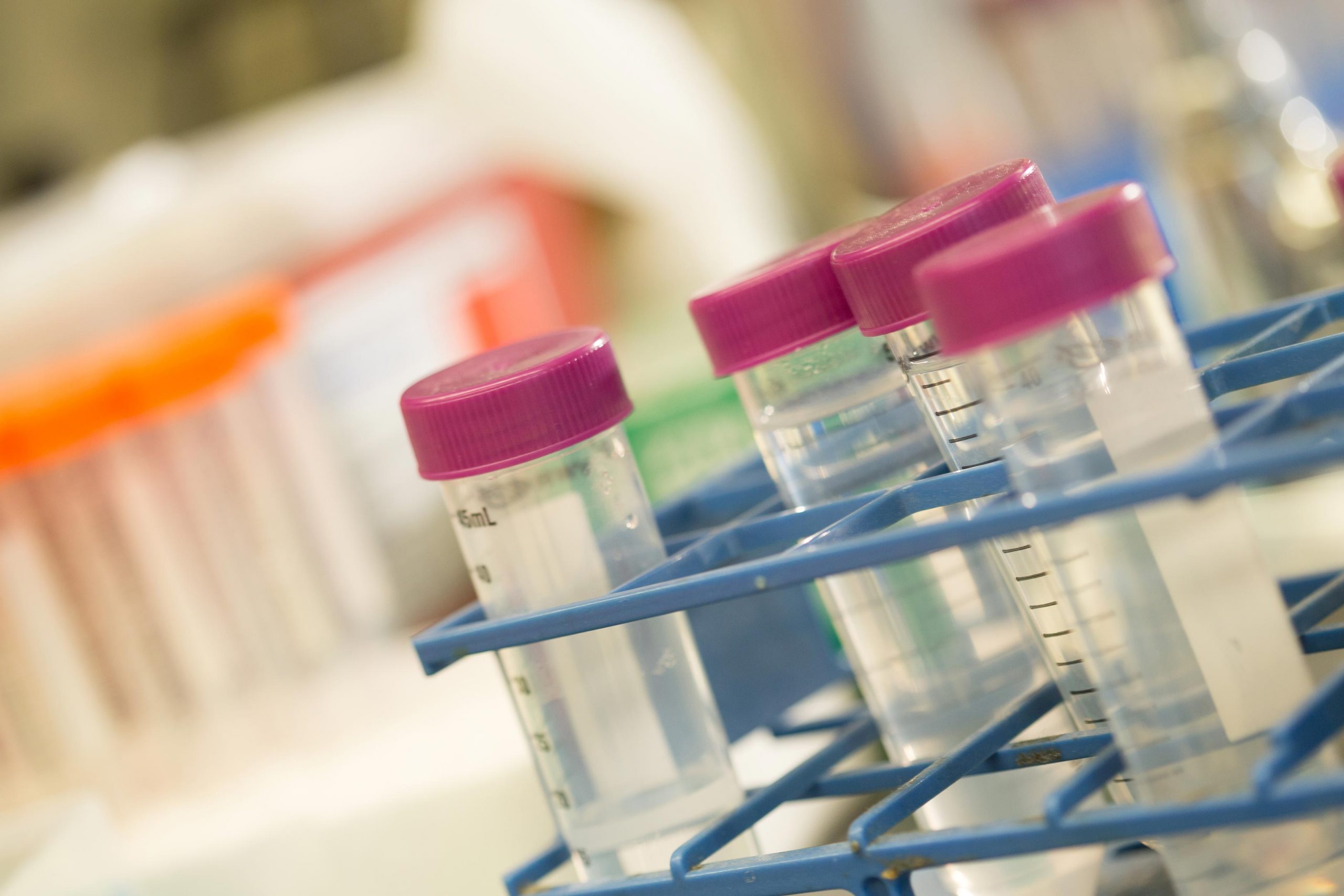
    New research reveals how key proteins interact to regulate the body’s response to stress. Credit: McLean Hospital

    The biological mechanisms behind stress-related psychiatric conditions, including major depressive disorder and post-traumatic stress disorder (PTSD), are poorly understood.

    New research now details the interplay between proteins involved in controlling the body’s stress response and points to potential therapeutic targets when this response goes awry. The study, which was conducted by an international team led by investigators at McLean Hospital, appears in the journal Cell Reports.

    Study Highlights

    • New research reveals how key proteins interact to regulate the body’s response to stress
    • Targeting these proteins may help treat or prevent stress-related psychiatric disorders

    “A dysregulated stress response of the body can be damaging for the brain and promote susceptibility to mood and anxiety disorders,” said lead author Jakob Hartmann, PhD. Hartmann is an assistant neuroscientist in the Neurobiology of Fear Laboratory at McLean and an instructor in psychiatry at Harvard Medical School.

    “A key brain region involved in the regulation of the stress response is the hippocampus,” said Hartmann. “The idea for this study occurred to us when we noticed interesting distinctions in hippocampal localization of three important stress-regulating proteins.”

    The researchers’ experiments in non-human tissue and postmortem brain tissue revealed how these proteins—the glucocorticoid receptor (GR), the mineralocorticoid receptor (MR), and the FK506-binding protein 51 (FKBP5)—interact with each other.

    Specifically, MRs, rather than GRs, control the production of FKBP5 under normal conditions. FKBP5 decreases GRs’ sensitivity to binding stress hormones during stressful situations. FKBP5 appears to fine-tune the stress response by acting as a mediator of the MR:GR balance in the hippocampus.

    “Our findings suggest that therapeutic targeting of GR, MR, and FKBP5 may be complementary in manipulating central and peripheral regulation of stress,” said senior author Kerry J. Ressler, MD, PhD. Ressler is the chief scientific officer at McLean Hospital, chief of McLean’s Division of Depression and Anxiety Disorders, and a professor in psychiatry at Harvard Medical School.

    “Moreover, our data further underline the important but largely unappreciated role of MR signaling in stress-related psychiatric disorders,” added Ressler. “The findings of this study will open new directions for future research.”

    Reference: “Mineralocorticoid receptors dampen glucocorticoid receptor sensitivity to stress via regulation of FKBP5” by Jakob Hartmann, Thomas Bajaj, Claudia Klengel, Chris Chatzinakos, Tim Ebert, Nina Dedic, Kenneth M. McCullough, Roy Lardenoije, Marian Joëls, Onno C. Meijer, Katharine E. McCann, Serena M. Dudek, R. Angela Sarabdjitsingh, Nikolaos P. Daskalakis, Torsten Klengel, Nils C. Gassen, Mathias V. Schmidt and Kerry J. Ressler, 1 June 2021, Cell Reports.
    DOI: 10.1016/j.celrep.2021.109185

    This study was supported by:

    • NARSAD Young Investigator Grant from the Brain & Behavior Research Foundation (awarded to Hartmann, grant no. 24774)
    • National Institutes of Health (R01MH108665, P50MH115874)
    • Intramural Research Program of the National Institute of Environmental Health Sciences, National Institutes of Health (Z01ES100221, awarded to Serena M. Dudek, PhD)
    • Research grants Q10 from NICHD (R21HD088931, R21HD097524), NIMH (R21MH117609), and ERA-Net Neuron (01EW2003), awarded to Torsten Klengel, MD, PhD

    Never miss a breakthrough: Join the SciTechDaily newsletter.
    Follow us on Google and Google News.

    Depression McLean Hospital Mental Health PTSD Stress
    Share. Facebook Twitter Pinterest LinkedIn Email Reddit

    Related Articles

    Ketamine Therapy Quickly Reduces Depression and Suicidal Thoughts

    New Clues to Why Psychiatric Drugs Help Some, but Not Others

    Psychosocial Safety Climate: Toxic Workplaces Increase Risk of Depression by 300%

    Reversal of Fortunes: COVID Pandemic Adolescent Mental Health Study Reveals Turnaround Finding

    Defying Your Natural Body Clock Linked to Depression and Lower Wellbeing

    COVID-19 Psychological Distress: 1 in 3 Adults Anxious, Depressed

    Happy Childhood? That’s No Guarantee for Good Mental Health Later in Life

    Five Most Likely Causes of Post-traumatic Stress in Police Officers Identified in New Research

    Psychological Distress: Acute Depression, Stress & Anxiety Higher During Peak of COVID-19 Pandemic

    Leave A Reply Cancel Reply

    • Facebook
    • Twitter
    • Pinterest
    • YouTube

    Don't Miss a Discovery

    Subscribe for the Latest in Science & Tech!

    Trending News

    Largest-Ever Study Finds Medicinal Cannabis Ineffective for Anxiety, Depression, PTSD

    250-Million-Year-Old Egg Solves One of Evolution’s Biggest Mysteries

    Living With Roommates Might Be Changing Your Gut Microbiome Without You Knowing

    Century-Old Cleaning Chemical Linked to 500% Increased Risk of Parkinson’s Disease

    What if Your Memories Never Happened? Physicists Take a New Look at the Boltzmann Brain Paradox

    One of the Universe’s Largest Stars May Be Getting Ready To Explode

    Scientists Discover Enzyme That Could Supercharge Ozempic-Like Weight Loss Drugs

    Popular Sweetener Linked to DNA Damage – “It’s Something You Should Not Be Eating”

    Follow SciTechDaily
    • Facebook
    • Twitter
    • YouTube
    • Pinterest
    • Newsletter
    • RSS
    SciTech News
    • Biology News
    • Chemistry News
    • Earth News
    • Health News
    • Physics News
    • Science News
    • Space News
    • Technology News
    Recent Posts
    • Scientists Uncover Hidden Trigger Behind Stem Cell Aging
    • Scientists Discover Coral Reefs Are Teeming With Previously Unknown Life
    • Scientists Find Way to Reverse Fatty Liver Disease Without Changing Diet
    • Could Humans Regrow Limbs? New Study Reveals Promising Genetic Pathway
    • Black Hole Jets Pack Power of 10,000 Suns, Stunning New Study Reveals
    Copyright © 1998 - 2026 SciTechDaily. All Rights Reserved.
    • Science News
    • About
    • Contact
    • Editorial Board
    • Privacy Policy
    • Terms of Use

    Type above and press Enter to search. Press Esc to cancel.