
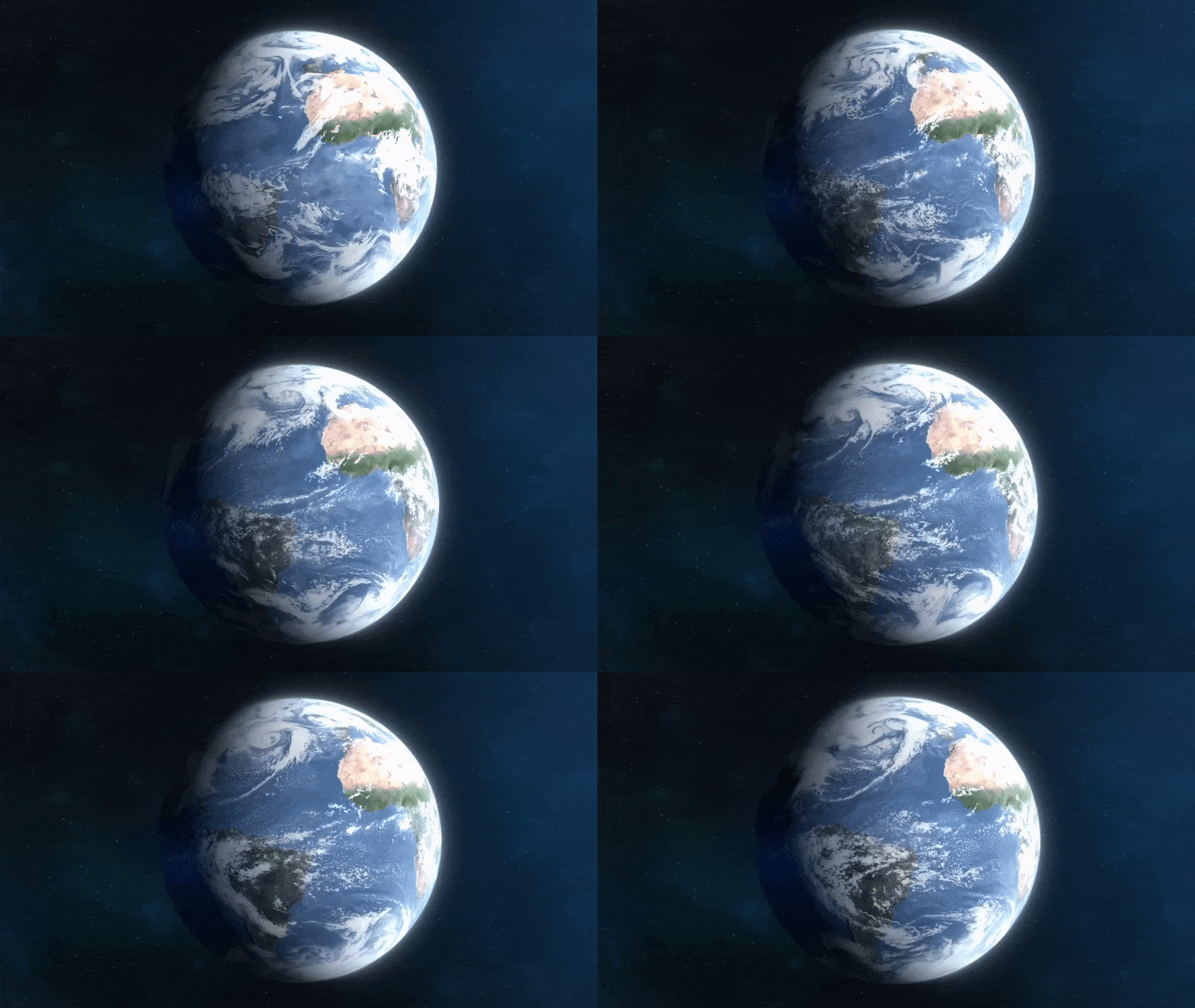
A recent study reveals the complexities of temperature trends over the last 12,000 years.
Because climate measurements seldom go back more than 150 years, we depend on climate models to predict the future, however, these models cannot be fully tested. Understanding the Earth’s historical climate history over a longer duration provides us with a valuable opportunity to put climate models on longer periods and minimize uncertainty in climate predictions. Changes in the average surface temperature of the Earth throughout the present interglacial Epoch, the Holocene (about the last 12,000 years), have been extensively debated in this context during the previous decades. According to historical temperature reconstructions, the average global temperature peaked approximately 6,000 years ago and then declined until the industrial revolution, when the current climate crisis began.
On the other hand, simulations of climate models indicate that warming has been ongoing since the beginning of the Holocene. This major discrepancy between models and historical climate observations was termed the “Holocene Temperature Conundrum” by researchers in 2014.
Regional Variability in Holocene Temperature Peaks
Researchers meticulously analyzed the geographic pattern of temperature change over the Holocene in this new study using the largest collection database of historical temperature reconstructions dating back 12,000 years. Contrary to popular belief, Oliver Cartapanis and his colleagues found that there was no worldwide synchronous warm period during the Holocene. Instead, the highest temperatures are found at different times, not just in different regions, but also between the ocean and on land. This calls into question the reliability of comparisons of the global average temperature between reconstructions and models.
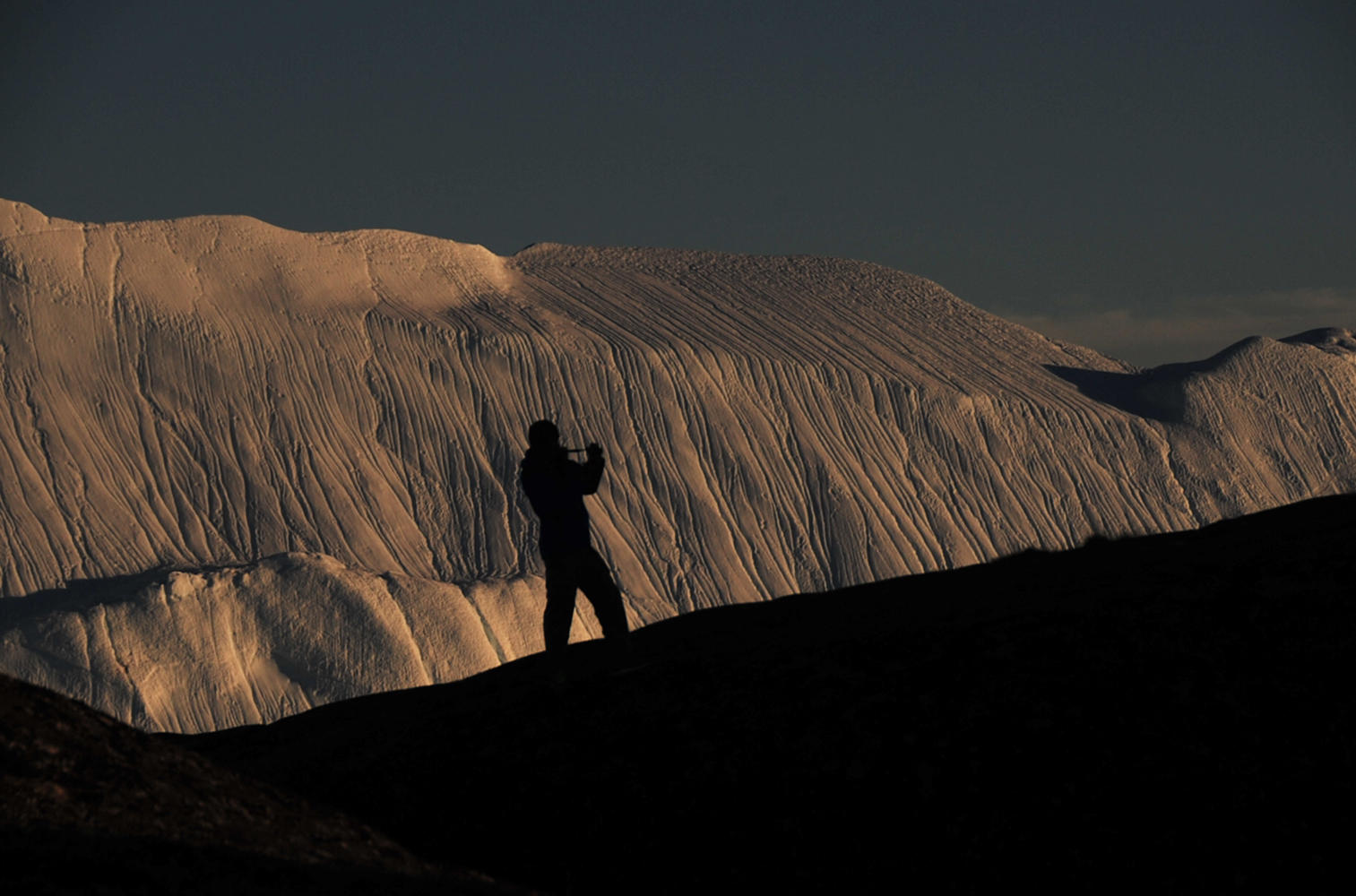
According to the lead author Olivier Cartapanis, “the results challenge the paradigm of a Holocene Thermal Maximum occurring at the same time worldwide”. And, while the warmest temperature was reached between 4,000 and 8,000 years ago in western Europe and northern America, the surface ocean temperature cooled since about 10,000 years ago at mid-high latitudes and remained stable in the tropics. The regional variability in the timing of maximum temperature suggests that high latitude insolation and ice extent played major roles in driving climate changes throughout the Holocene.
Enhancing Climate Model Accuracy for Future Predictions
Lukas Jonkers, a co-author of the study and researcher at the MARUM – Center for Marine Environmental Sciences in Bremen, Germany, says “Because ecosystems and people do not experience the mean temperature of the Earth, but are affected by regional and local changes in climate, models need to get the spatial and temporal patterns of climate change right in order to guide policymakers”. Thus, the new work by Cartapanis and colleagues presents a clear target for climate models as the ability of climate models to reproduce Holocene climate variations in space and time, will increase confidence in their regional projections of future climate change.
Reference: “Complex spatio-temporal structure of the Holocene Thermal Maximum” by Olivier Cartapanis, Lukas Jonkers, Paola Moffa-Sanchez, Samuel L. Jaccard, and Anne de Vernal, 3 October 2022, Nature Communications.
DOI: 10.1038/s41467-022-33362-1
Never miss a breakthrough: Join the SciTechDaily newsletter.
Follow us on Google and Google News.
4 Comments
You have just destroyed al-be-gored, Gret-a-wreck thun-burger & leo-tarded decapitated all one fell swoop!
That’s awesome!
“Changes in the average surface temperature of the Earth throughout the present interglacial Epoch, the Holocene (about the last 12,000 years), have been extensively debated in this context during the previous decades.”
Yes, and the Medieval Warm Period and similar events have been denied as being worldwide, and claimed to be regional. However, new evidence found has not supported the regional view. What is important, is that sea level reconstructions, which integrate what is happening worldwide, strongly suggest that temperature changes are worldwide, and not just locally. That doesn’t mean that there weren’t variations in temperature or precipitation locally or regionally. Even today, we have microclimates and regional droughts.
Most likely oceans. Oceans warm up during the ice age and the thermocline expands, something tips the oceans and the ocean currents pushes down to the bottom of the ocean pulling ocean waters to the poles. Heat gets transferred to the poles and the ice melts. The oceans are the only thing that has the energy to melt the ice caps, the heat capacity of the oceans is mind boggling. The Atlantification and Pacification of the Arctic ocean is most like the cause of most of the current warming, the ocean surface layer is being reduced. When the oceans change we are getting back into cold in the slow cycle that takes out all the warm out of the oceans as it does every interglacial a rollercoaster down to when the ocean circulation changes and back into storing heat in the oceans during an ice age and explodes into an interglacial in another 100,000 years. https://scitechdaily.com/thinning-surface-layer-of-ocean-leaves-waters-more-susceptible-to-extreme-warming-events/