
Close Menu
    Facebook X (Twitter) Instagram
    SciTechDaily
    • Biology
    • Chemistry
    • Earth
    • Health
    • Physics
    • Science
    • Space
    • Technology
    Facebook X (Twitter) Pinterest YouTube RSS
    SciTechDaily
    Home»Science»New Study Shakes Up Sleep Guidelines: It’s Not When Teens Use Screens, It’s Where
    Science

    New Study Shakes Up Sleep Guidelines: It’s Not When Teens Use Screens, It’s Where

    By University of OtagoSeptember 15, 2024No Comments4 Mins Read
    Facebook Twitter Pinterest Telegram LinkedIn WhatsApp Email Reddit
    Share
    Facebook Twitter LinkedIn Pinterest Telegram Email Reddit
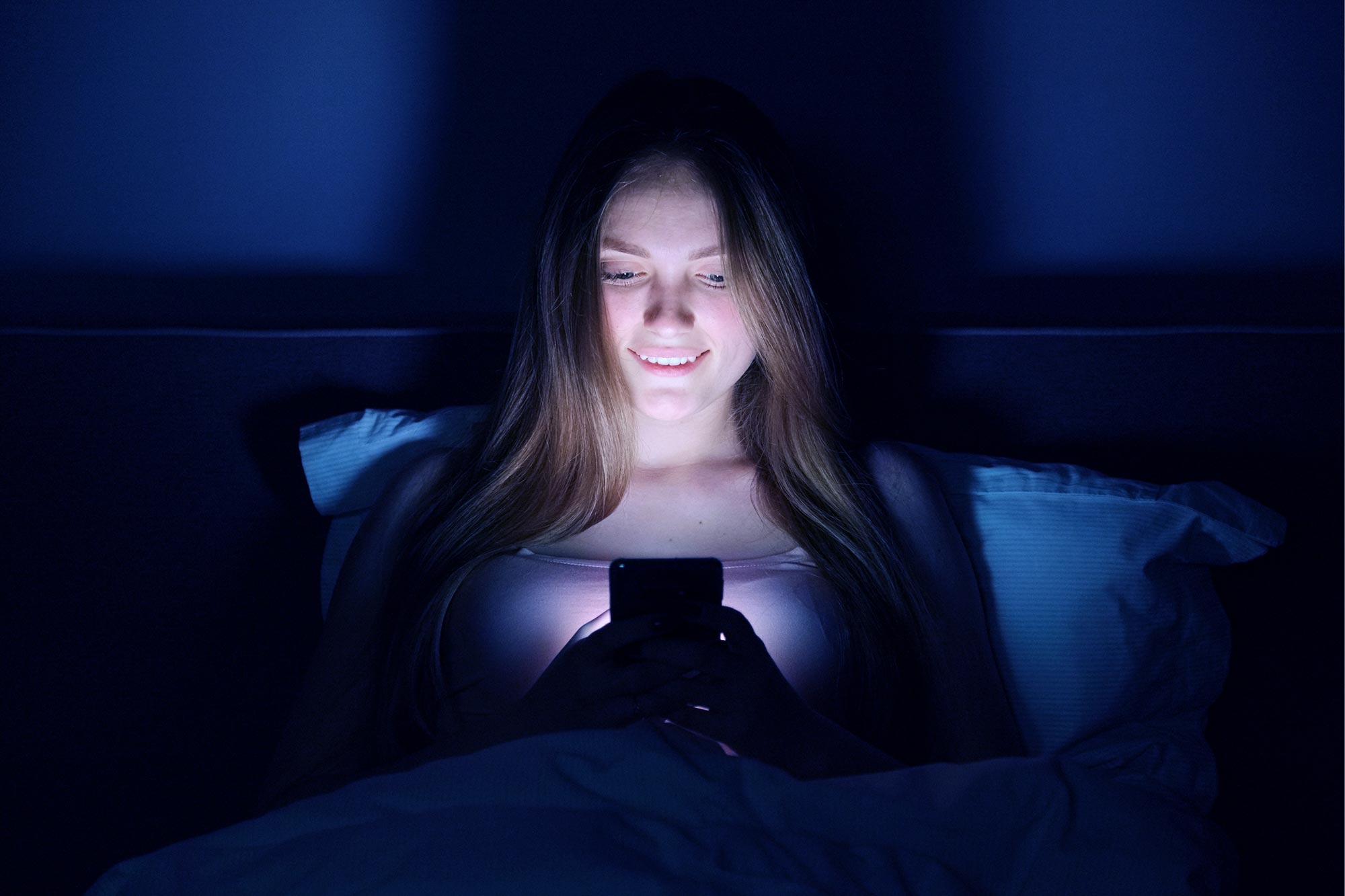
    Young Woman Smartphone Bed
    A study by the University of Otago discovered that the adverse effects of screen time on youth sleep are more about when screens are used—specifically in bed—rather than the mere use before bedtime. Dr. Bradley Brosnan emphasized the need for updated sleep guidelines that align with modern behaviors, as screens in bed delayed sleep onset and reduced sleep duration more significantly than pre-bedtime use.

    A study from the University of Otago reveals that for youths, screen time just before bed is not as detrimental to sleep as using screens while in bed.

    A study from the University of Otago has found that it is the timing of screen use in the evening, rather than the screen activity itself, that negatively affects the sleep of young people.

    Current sleep guidelines recommend no screen use in an hour or two before bed. However, the researchers found screen time in the two hours before bed had little impact on youth sleep, it was screen time once in bed that caused problems.

    Lead author Dr. Bradley Brosnan, of the Edgar Diabetes and Obesity Research Centre, says screen time is a mainstay in adolescents’ bedtime routines, and sleep guidelines need to be revaluated to better reflect modern life.

    Published in JAMA Pediatrics, the study had 85 adolescents aged 11 to 14 years wear a body camera on their chest from three hours before bed until they got into bed, over the course of one week.

    Findings on Screen Time and Sleep

    Along with the body camera capturing when, what, and how they used their screens, a second infrared camera was placed in their bedrooms to capture their screen time while in bed. They also wore an actigraph, a watch-sized device which measures sleep.

    “It quickly became obvious that adolescents spend a lot of their screen time while in bed,” Dr Brosnan says.

    The researchers found 99 per cent of participants used screens in the two hours before bed, more than half used screens once in bed, and a third used them after first trying to go to sleep for the night.

    “Our most interesting findings were that this screen time before they got into bed had little impact on sleep that night. However, screen time once in bed did impair their sleep – it stopped them from going to sleep for about half an hour, and reduced the amount of sleep they got that night.”

    This was particularly true for more interactive screen activities like gaming and multitasking – when more than one device is used at the same time, such as watching a movie on Netflix on a laptop while playing Xbox on a gaming device.

    Implications and Recommendations

    “Every additional 10 minutes of this type of screen time reduced the amount of sleep they got that night by almost the same amount. Our findings suggest that the impact of screen time on sleep is primarily through time displacement delaying sleep onset rather than any direct effects of blue light or interactive engagement as we didn’t find associations with sleep latency and wakefulness during the sleep period.”

    Dr Brosnan says a ‘simple’ sleep guideline – in theory but not necessarily reality – would be for devices to be kept out of the bedroom, allowing teenagers to use their devices before bed, but not in bed.

    “We need to revisit sleep guidelines, so they fit the world we live in, and actually make sense – the current ones aren’t achievable or appropriate for how we live.”

    Reference: “Screen Use at Bedtime and Sleep Duration and Quality Among Youths” by Bradley Brosnan, Jillian J. Haszard, Kim A. Meredith-Jones, Shay-Ruby Wickham, Barbara C. Galland and Rachael W. Taylor, 3 September 2024, JAMA Pediatrics.
    DOI: 10.1001/jamapediatrics.2024.2914

    Never miss a breakthrough: Join the SciTechDaily newsletter.
    Follow us on Google and Google News.

    Public Health Sleep Science Smartphone University of Otago
    Share. Facebook Twitter Pinterest LinkedIn Email Reddit

    Related Articles

    The Late-Night Link: How Staying Up Late May Fuel Depression

    Regulations Are Urgently Needed – Children Are Spending a Third of Their After-School Time on Screens

    New Study Reveals That a Four-Day Work Week Can Improve Health

    Scientists Find No Correlation Between Moon Phases and Sleep

    Researchers Find a Link between Poor Sleep, Memory Loss and Brain Deterioration

    Study Suggests $31 Billion in Workplace Losses Due to Insomnia

    Small Changes in Sleeping Patterns Have a Big Impact on Kids

    Brain Scans Help Scientists Read Dreams

    Strategic Napping Allows Workers to Perform Better at Arduous Tasks

    Leave A Reply Cancel Reply

    • Facebook
    • Twitter
    • Pinterest
    • YouTube

    Don't Miss a Discovery

    Subscribe for the Latest in Science & Tech!

    Trending News

    Just a Few Breathless Minutes a Day Could Slash Your Risk of 8 Major Diseases

    This Simple Habit Could Cut Your Risk of Dementia by 30%

    Scientists Debunk Rattlesnake Myth That Fooled Hikers and Doctors for Decades

    Scientists Discover Plants Can “Count” – and May Be Smarter Than We Thought

    New Research Reveals Ancient Mars May Have Been Warm, Wet – and Possibly Alive

    This Surprising Daily Habit Could Cut Dementia Risk by 35%

    Just 10 Minutes a Day: Scientists Say This Ancient Chinese Practice Shows Powerful Blood Pressure Benefits

    Scientists Say This Popular Food Could Help Your Body Get Rid of Microplastics

    Follow SciTechDaily
    • Facebook
    • Twitter
    • YouTube
    • Pinterest
    • Newsletter
    • RSS
    SciTech News
    • Biology News
    • Chemistry News
    • Earth News
    • Health News
    • Physics News
    • Science News
    • Space News
    • Technology News
    Recent Posts
    • Scientists Just Rewrote the Timeline of Complex Life on Earth
    • 160,000 Years Ago, Hominins in China Were Far More Advanced Than We Thought
    • Teenager’s Fossil Find Leads to Discovery of Shark Teeth in 5 Million-Year-Old Whale Skull
    • Weight-Loss Drugs Like Ozempic Are Creating a Hidden Environmental Disaster
    • Even Occasional Binge Drinking May Triple Liver Damage Risk
    Copyright © 1998 - 2026 SciTechDaily. All Rights Reserved.
    • Science News
    • About
    • Contact
    • Editorial Board
    • Privacy Policy
    • Terms of Use

    Type above and press Enter to search. Press Esc to cancel.