
Close Menu
    Facebook X (Twitter) Instagram
    SciTechDaily
    • Biology
    • Chemistry
    • Earth
    • Health
    • Physics
    • Science
    • Space
    • Technology
    Facebook X (Twitter) Pinterest YouTube RSS
    SciTechDaily
    Home»Biology»New UCLA Research Reveals That Practice Significantly Rewires the Brain
    Biology

    New UCLA Research Reveals That Practice Significantly Rewires the Brain

    By University of California - Los Angeles Health SciencesMay 18, 20241 Comment2 Mins Read
    Facebook Twitter Pinterest Telegram LinkedIn WhatsApp Email Reddit
    Share
    Facebook Twitter LinkedIn Pinterest Telegram Email Reddit
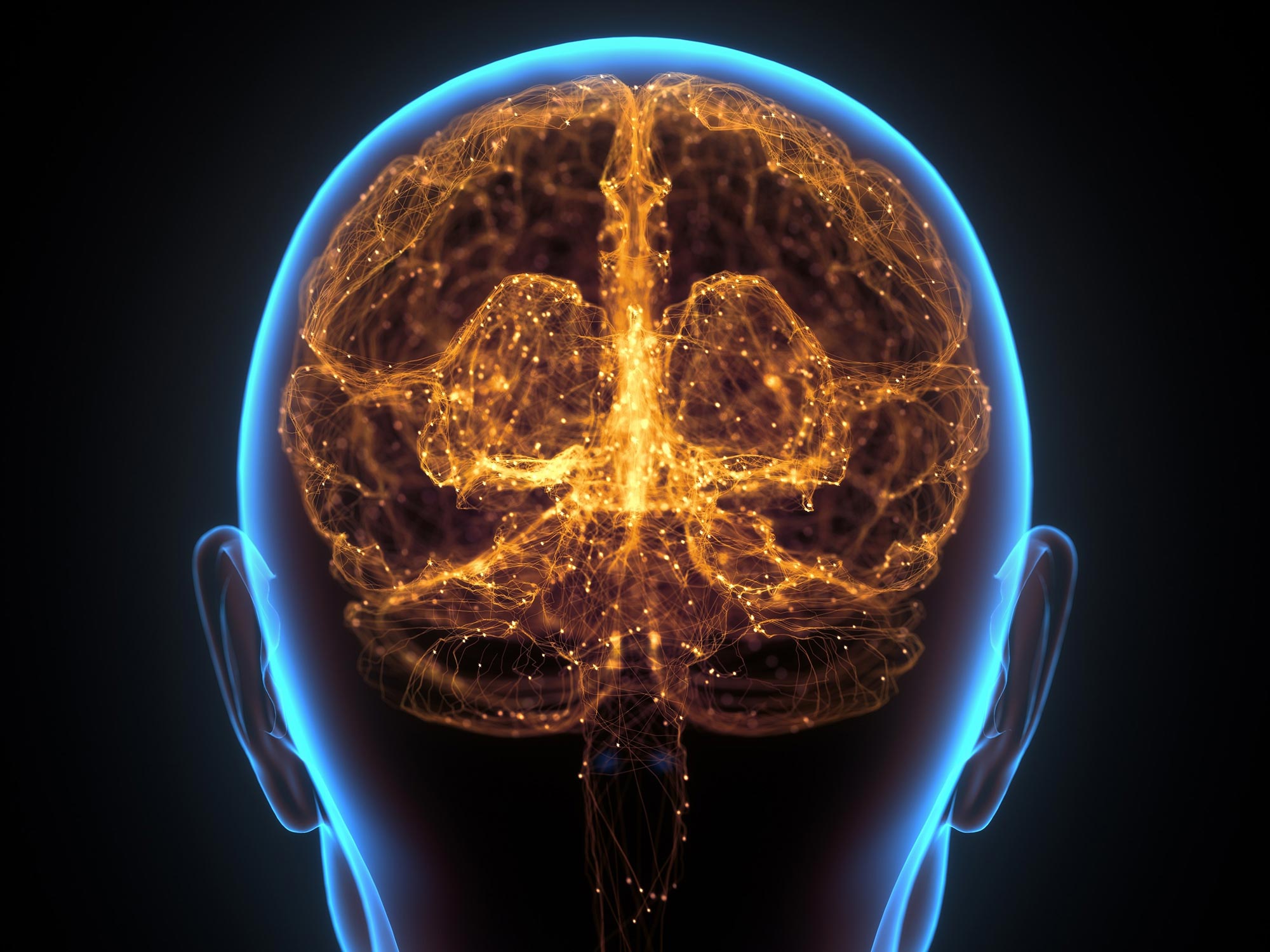
    Human Brain Neural Network Cerebral Cortex
    A UCLA Health study shows that repetitive practice enhances brain memory pathways, stabilizing working memory and improving skill accuracy, with implications for treating memory disorders.

    Researchers at UCLA utilize a novel microscope to uncover changes in neuron activity during repeated training sessions.

    A recent study conducted by UCLA Health has revealed that repetitive practice not only enhances skill acquisition but also significantly alters the brain’s pathways for memory.

    The research, published in the journal Nature and co-led by Rockefeller University, sought to unravel how the brain’s ability to retain and process information, known as working memory, improves through training.

    To test this, researchers tasked mice with identifying and recalling a sequence of odors over the course of two weeks. Researchers then tracked neural activity in the animals as they practiced the task by using a novel, custom-built microscope that can image cellular activity in up to 73,000 neurons simultaneously throughout the cortex.

    Findings on Working Memory Improvement

    The study revealed a transformation in the working memory circuits located in the secondary motor cortex as the mice repeated the task through time. As the mice were first learning the task, the memory representations were unstable. However, after repeatedly practicing the task, the memory patterns began to solidify or “crystalize,” said corresponding author and UCLA Health neurologist Dr. Peyman Golshani.

    “If one imagines that each neuron in the brain is sounding a different note, the melody that the brain is generating when it is doing the task was changing from day to day, but then became more and more refined and similar as animals kept practicing the task,” Golshani said.

    These changes give insights into why performance becomes more accurate and automatic following repetitive practice.

    “This insight not only advances our understanding of learning and memory but also has implications for addressing memory-related disorders,” Golshani said.

    Reference: “Volatile working memory representations crystallize with practice” by Arash Bellafard, Ghazal Namvar, Jonathan C. Kao, Alipasha Vaziri and Peyman Golshani, 15 May 2024, Nature.
    DOI: 10.1038/s41586-024-07425-w

    The work was performed by Dr. Arash Bellafard, project scientist at UCLA in close collaboration with Dr. Alipasha Vaziri’s group at Rockefeller University.

    Never miss a breakthrough: Join the SciTechDaily newsletter.
    Follow us on Google and Google News.

    Brain Memory Neuroscience UCLA Health
    Share. Facebook Twitter Pinterest LinkedIn Email Reddit

    Related Articles

    Spontaneous Persistent Inactivity – Scientists Discover New Type of Memory State

    MIT Neuroscientists Identify Brain Circuit in the Hippocampus That Encodes Timing of Events

    Researchers Discover Molecular Mechanism of Long-Term Memory

    MIT Neuroscientists Discover a Molecular Mechanism That Allows Memories to Form

    What Makes Memories So Detailed and Enduring? Newly Discovered Mechanism of Learning

    Reactivation of the Hippocampus Causes Memory Recall

    Stimulating the Entorhinal Cortex of the Brain Boosts Memory

    Synchronized Brain Oscillations Crucial for Short-Term Memory

    Mother’s Nurturing Results in Larger Hippocampus in Children

    1 Comment

    1. Alberto on May 19, 2024 1:38 pm

      How much money is wasted on these common sense “research” projects every year? Seriously, they needed to prove that practice improves memory of a given task??? Is there a study that shows that kids going to college are dumber than kids going to college 30 years ago?

      Reply
    Leave A Reply Cancel Reply

    • Facebook
    • Twitter
    • Pinterest
    • YouTube

    Don't Miss a Discovery

    Subscribe for the Latest in Science & Tech!

    Trending News

    Why Popular Diabetes Drugs Like Ozempic Don’t Work for Everyone: The “Genetic Glitch”

    Scientists Stunned After Finding Plant Thought Extinct for 60 Years

    Scientists Discover Tiny New Spider That Hunts Prey 6x Its Size

    Natural Component From Licorice Shows Promise for Treating Inflammatory Bowel Disease

    Scientists Warn: Popular Sweetener Linked to Dangerous Metabolic Effects

    Monster Storms on Jupiter Unleash Lightning Beyond Anything on Earth

    Scientists Create “Liquid Gears” That Spin Without Touching

    The Simple Habit That Could Help Prevent Cancer

    Follow SciTechDaily
    • Facebook
    • Twitter
    • YouTube
    • Pinterest
    • Newsletter
    • RSS
    SciTech News
    • Biology News
    • Chemistry News
    • Earth News
    • Health News
    • Physics News
    • Science News
    • Space News
    • Technology News
    Recent Posts
    • Scientists Teach AI To Think Like a Professional Chemist
    • Scientists Were Wrong About This Strange “Rule-Breaking” Particle
    • Webb Space Telescope Uncovers Unexpected Ice Clouds on a Jupiter-Like World
    • 289-Million-Year-Old Reptile Mummy Reveals Origin of Human Breathing System
    • New Brain Discovery Challenges Long-Held Theory of Teenage Brain Development
    Copyright © 1998 - 2026 SciTechDaily. All Rights Reserved.
    • Science News
    • About
    • Contact
    • Editorial Board
    • Privacy Policy
    • Terms of Use

    Type above and press Enter to search. Press Esc to cancel.