
Close Menu
    Facebook X (Twitter) Instagram
    SciTechDaily
    • Biology
    • Chemistry
    • Earth
    • Health
    • Physics
    • Science
    • Space
    • Technology
    Facebook X (Twitter) Pinterest YouTube RSS
    SciTechDaily
    Home»Health»Next-Generation Vitamin D3 Supplement Significantly Improves Core Autism Symptoms
    Health

    Next-Generation Vitamin D3 Supplement Significantly Improves Core Autism Symptoms

    By Shanghai Jiao Tong University Journal CenterJuly 5, 20252 Comments3 Mins Read
    Facebook Twitter Pinterest Telegram LinkedIn WhatsApp Email Reddit
    Share
    Facebook Twitter LinkedIn Pinterest Telegram Email Reddit
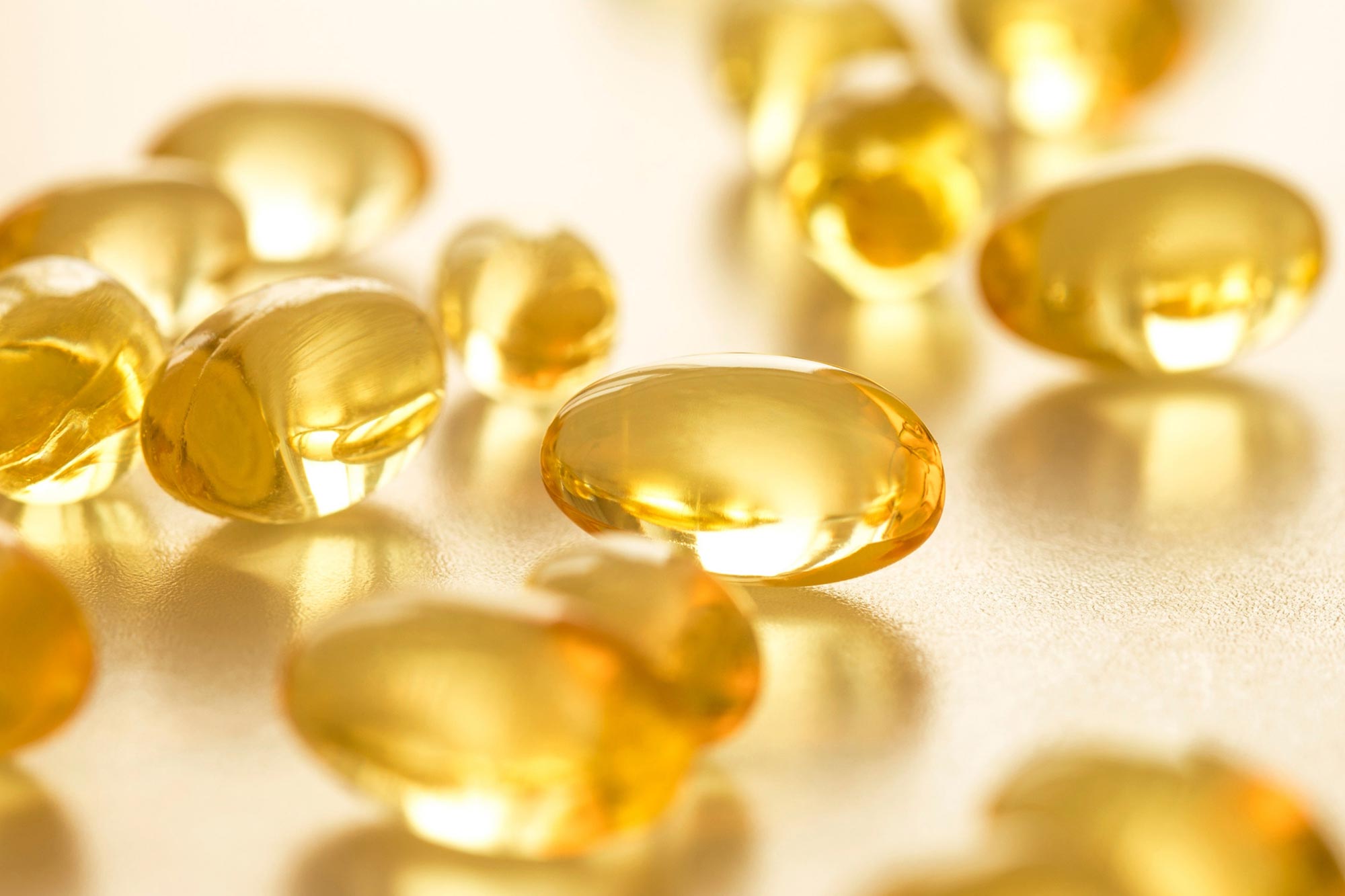
    Vitamin D Supplement Capsules Close
    A novel nanoemulsion of vitamin D3 shows surprising potential to improve core symptoms in children with autism, far outperforming conventional supplements. Credit: Stock

    A specialized vitamin D3 nanoemulsion significantly improved core autism symptoms in children.

    New research explores how a vitamin D3 nanoemulsion might help ease the primary symptoms of autism spectrum disorder (ASD) in young children. Many children diagnosed with ASD tend to have low levels of vitamin D3, a deficiency that has been associated with slower development in language, adaptive behaviors, and fine motor coordination.

    Previous studies on regular vitamin D3 supplements have delivered inconsistent results. In contrast, this study focuses on a nanoemulsion form of vitamin D3, which is specifically designed to improve how well the body absorbs and utilizes the nutrient, potentially leading to more effective outcomes.

    Study Design and Methodology

    The study involved 80 children with confirmed ASD diagnoses, all between 3 and 6 years old. These children were randomly split into two groups: one group received the nanoemulsion version of vitamin D3, while the other group was given a commonly available standard supplement. Both groups followed their respective treatments for a six-month period.

    Researchers evaluated the children’s vitamin D3 levels, social and adaptive behaviors, and language development both before and after the supplementation. To measure these changes, they used widely recognized assessment tools, including the Childhood Autism Rating Scale (CARS), the Vineland Adaptive Behavior Scale, and the Preschool Language Scale.

    Effect of Vitamin D3 Supplementation on Autism Severity and Social IQ in Children with ASD
    Comparisons of baseline levels and the post-supplementation levels in group I (A) and II (B) A: P values for the change of the 2 types of vitamin D3 (P ​< ​0.000,1), CARS scores (P ​= ​0.000,2), and social IQ (P ​= ​0.04) in group I; B: P value for the 2 types of vitamin D3 (P ​< ​0.000,1; P ​= ​0.02), CARS scores (P ​= ​0.4), and social IQ (P ​= ​0.8) in group II. CARS: childhood autism rating scale; IQ: intelligence quotient. Credit: Nagwa A. Meguid, Maha Hemimi, Gina Hussein, Ahmed Elnahry, Marwa Hasanein Asfour, Sameh Hosam Abd El-Alim, Ahmed Alaa Kassem, Abeer Salama, Amr Sobhi Gouda, Walaa Samy Nazim, Radwa Ibrahim Ali Hassan, Neveen Hassan Nashaat

    Only the nanoemulsion group showed statistically significant improvements in vitamin D3 levels, autism severity, social IQ, and both receptive and expressive language performance. The conventional supplement, despite raising blood vitamin D3 levels, did not lead to meaningful improvements in behavioral outcomes.

    Implications and Future Directions

    The study concludes that the nanoemulsion form of vitamin D3 is superior to the conventional oral form in terms of increasing vitamin bioavailability and producing clinically relevant improvements in children with ASD. The authors suggest that nanoemulsion technology could offer a valuable strategy for enhancing the effectiveness of nutritional interventions in neurodevelopmental disorders.

    However, they acknowledge that further studies with larger sample sizes and long-term follow-up are needed to confirm these findings and explore potential gender-related differences in response.

    Reference: “Improved core manifestations of autism following supplementation with vitamin D3-loaded nanoemulsion” by Nagwa A. Meguid, Maha Hemimi, Gina Hussein, Ahmed Elnahry, Marwa Hasanein Asfour, Sameh Hosam Abd El-Alim, Ahmed Alaa Kassem, Abeer Salama, Amr Sobhi Gouda, Walaa Samy Nazim, Radwa Ibrahim Ali Hassan and Neveen Hassan Nashaat, 26 June 2025, LabMed Discovery.
    DOI: 10.1016/j.lmd.2025.100071

    Never miss a breakthrough: Join the SciTechDaily newsletter.
    Follow us on Google and Google News.

    Autism Spectrum Disorder Pediatrics Popular Vitamins
    Share. Facebook Twitter Pinterest LinkedIn Email Reddit

    Related Articles

    Researchers Solve 80-Year-Old Vitamin D Medical Mystery That Claimed Infant Lives

    Vitamin D Could Explain Why Autism Is Three Times More Common in Boys

    Study Shows Autism Screening Is Less Accurate Than Thought

    Genomic Analysis Reveals Roots of Neuropsychiatric Diseases

    Marijuana Study Finds 63 Percent of Breast Milk Samples Have THC Up to Six Days After Use

    New Method Uses Vitamin D to Treat Diabetes and Protect β Cells

    Scientists Debunk Common Vitamin D Myths

    New Research Confirms Vitamin D Protects Against Respiratory Diseases

    Yale Study Shows Siblings of Children with Autism Can Show Signs at 18 Months

    2 Comments

    1. John on July 6, 2025 6:50 am

      The data you show demonstrates no benefit to the nanoemulsion.

      Reply
    2. Hugh on July 6, 2025 8:16 pm

      China doesn’t respect our patents. The country is not trustworthy — it is driven by self interest of the top leaders. I would never believe a paper written by 8 people. 6 of them are toadies. Do your our experiment!
      A summary of 8 views is a fog of disinformation. Were the groups cherry-picked after the results?

      Reply
    Leave A Reply Cancel Reply

    • Facebook
    • Twitter
    • Pinterest
    • YouTube

    Don't Miss a Discovery

    Subscribe for the Latest in Science & Tech!

    Trending News

    Scientists Uncover Potential Brain Risks of Popular Fish Oil Supplements

    Scientists Discover a Surprising Way To Make Bread Healthier and More Nutritious

    After 60 Years, Scientists Uncover Unexpected Brain Effects of Popular Diabetes Drug Metformin

    New Research Uncovers Hidden Side Effects of Popular Weight-Loss Drugs

    Scientists Rethink Extreme Warming After Surprising Ocean Discovery

    Landmark Study Links Never Marrying to Significantly Higher Cancer Risk

    Researchers Discover Unknown Beetle Species Just Steps From Their Lab

    Largest-Ever Study Finds Medicinal Cannabis Ineffective for Anxiety, Depression, PTSD

    Follow SciTechDaily
    • Facebook
    • Twitter
    • YouTube
    • Pinterest
    • Newsletter
    • RSS
    SciTech News
    • Biology News
    • Chemistry News
    • Earth News
    • Health News
    • Physics News
    • Science News
    • Space News
    • Technology News
    Recent Posts
    • Early Warning Signals of Esophageal Cancer May Be Hiding in Plain Sight
    • Researchers Have Discovered a THC-Free Cannabis Compound That May Replace Opioids
    • Common Blood Pressure Drug Shows Surprising Power Against Deadly Antibiotic-Resistant Superbug
    • Students Build Dark Matter Detector and Set New Experimental Limits
    • Scientists Discover Caffeine Can Repair Key Memory Circuits After Sleep Loss
    Copyright © 1998 - 2026 SciTechDaily. All Rights Reserved.
    • Science News
    • About
    • Contact
    • Editorial Board
    • Privacy Policy
    • Terms of Use

    Type above and press Enter to search. Press Esc to cancel.