

An extinct carnivorous group known as gorgonopsians, which lived between 270 and 250 million years ago, laid eggs and had saber teeth. Recent findings in Mallorca suggest the discovery of the oldest gorgonopsian, featuring unique limb anatomy indicative of efficient locomotion.
Gorgonopsians were an extinct group of synapsids that lived during the Permian period, between 270 and 250 million years ago. They are part of the evolutionary lineage that eventually led to the first mammals about 50 million years later. Like modern mammals, gorgonopsians were warm-blooded, but unlike most mammals today, they laid eggs. These carnivorous predators were the first animals to develop saber-like teeth, making them the dominant hunters of their ecosystems. Their appearance might have resembled a dog, though they lacked ears and fur.
Discovery in Mallorca
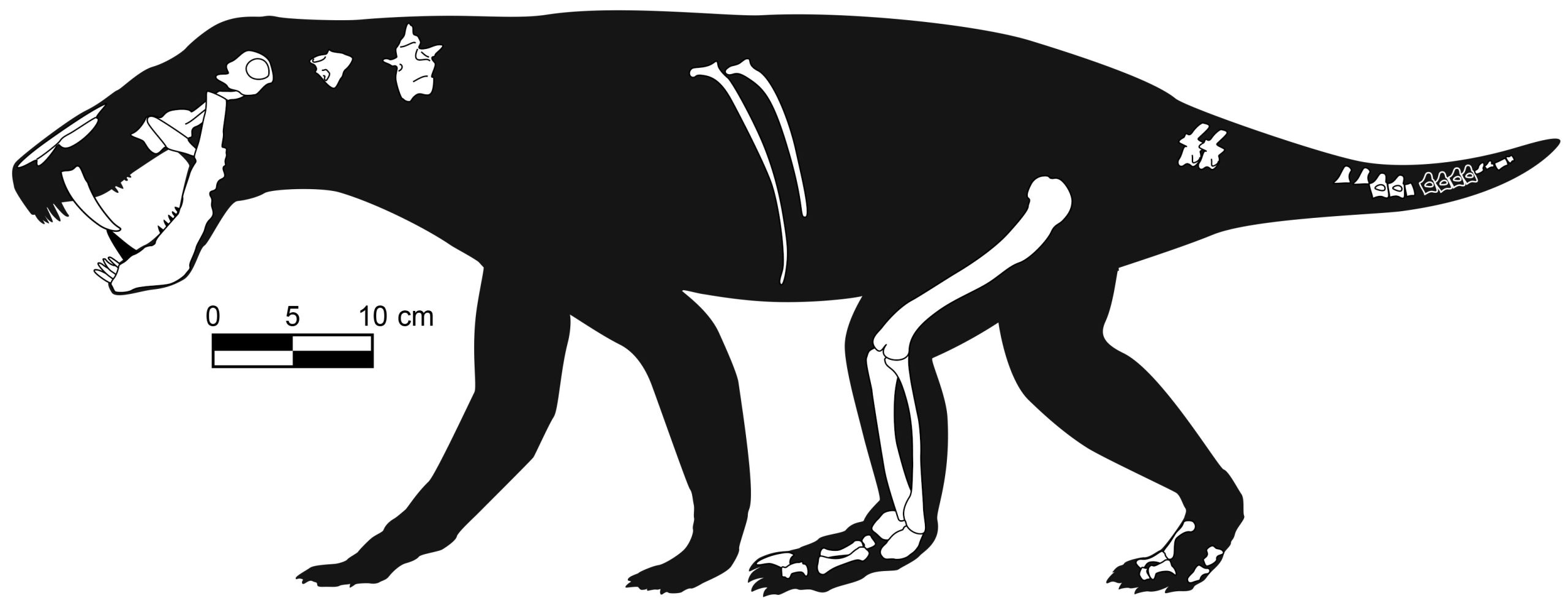
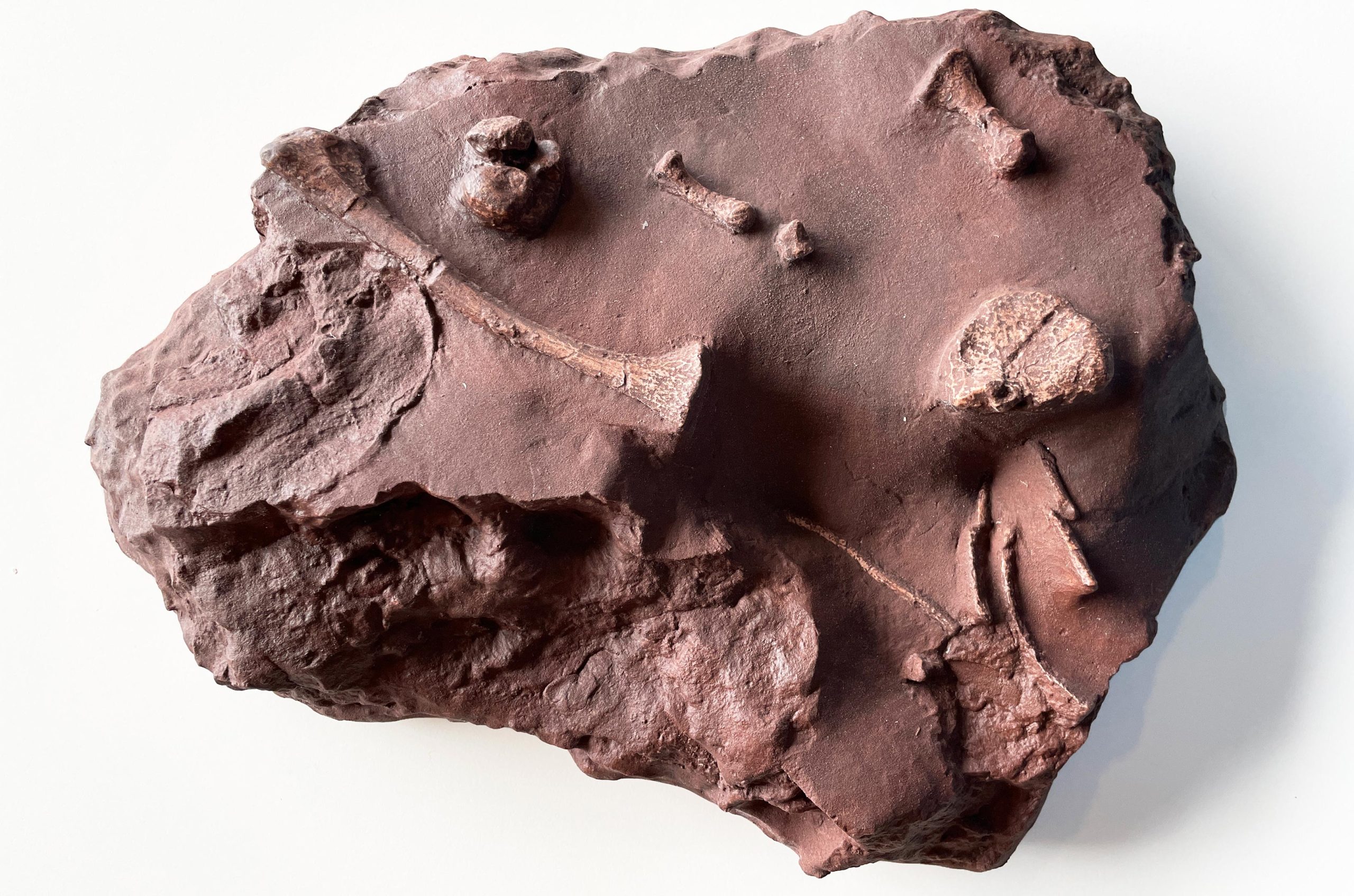
In Mallorca, researchers uncovered the remains of a small to medium-sized gorgonopsian, approximately one meter long, at a site near Banyalbufar in the Serra de Tramuntana region of Spain. Excavations took place over three field campaigns, yielding an impressive number of fossils.
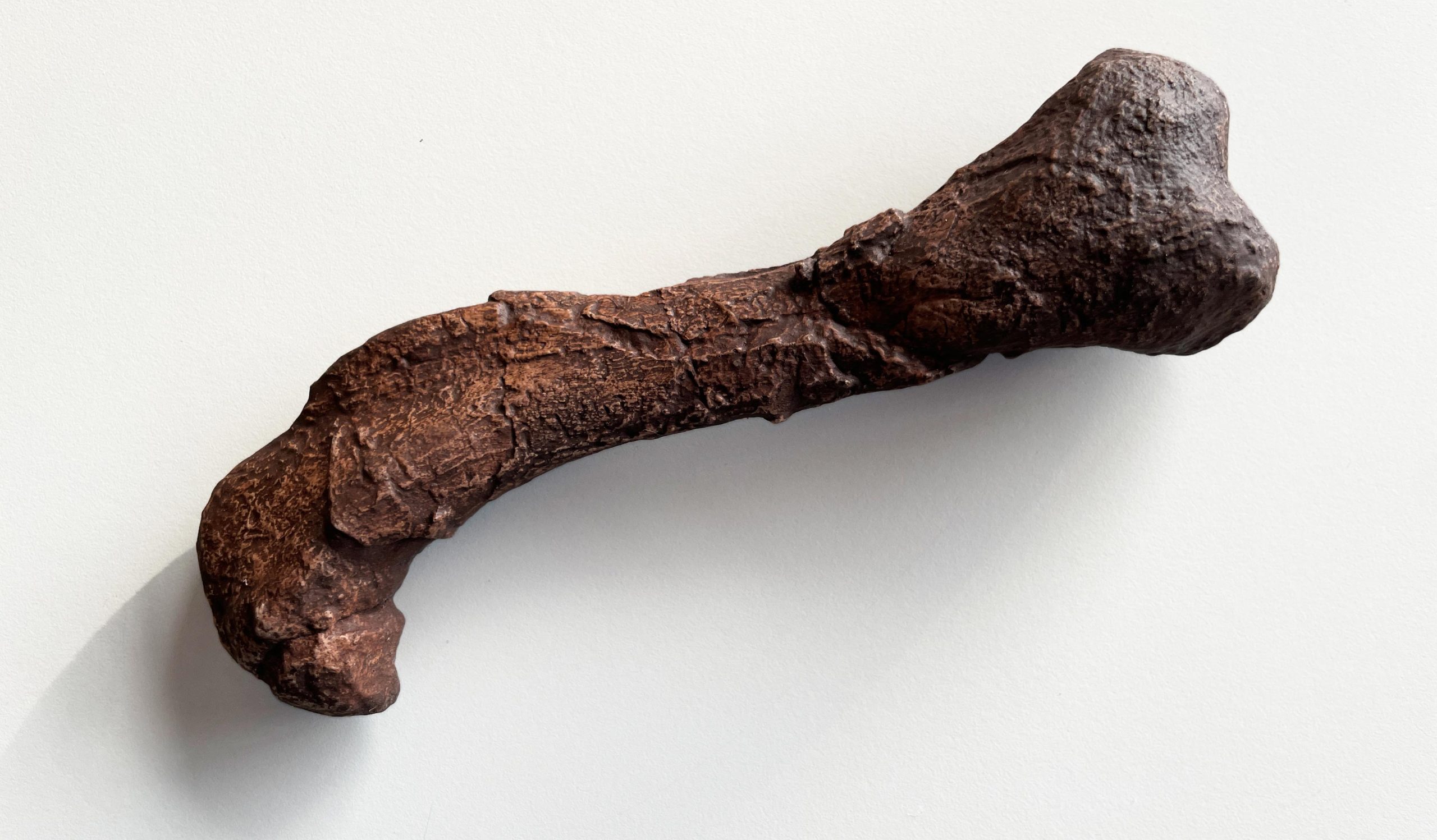
“The large number of bone remains is surprising. We have found everything from fragments of skull, vertebrae, and ribs to a very well-preserved femur. In fact, when we started this excavation, we never thought we would find so many remains of an animal of this type in Mallorca,” said Rafel Matamales, curator of the Museu Balear de Ciències Naturals (MUCBO | MBCN) and research associate at the Institut Català de Paleontologia Miquel Crusafont (ICP), as well as the study’s lead author.

The location of the specimen in the Balearic Islands is an unusual fact in itself. The known remains of gorgonopsians prior to this discovery belonged to very high latitudes such as Russia or South Africa. Its age has also surprised the researchers who conducted the study. “It is probably the oldest gorgonopsian on the planet. The one we found in Mallorca is at least 270 million years old, and the other records of this group worldwide are, at the very least, slightly younger,” points Josep Fortuny, senior author of the article and leader of the Computational Biomechanics and Evolution of Life History research group at the ICP.
Anatomy and Movement Analysis
Among the excavated fossil remains, a nearly complete leg stands out, which has allowed researchers to study how the animal moved. Unlike reptiles, which have a more ancestral locomotion with their legs more spread out, gorgonopsians had their legs positioned more vertically and, therefore, moved in a way that was intermediate between reptiles and mammals. This system is more efficient for walking and especially for running. The recovered saber teeth confirm its diet. “We know that this is a carnivorous animal, a characteristic shared by all gorgonopsians worldwide. The saber teeth are a common feature in large predators of ecosystems, and what we have found was likely one in the environment in which it lived,” emphasizes Àngel Galobart, researcher at the ICP and director of the Museu de la Conca Dellà.
When Mallorca Was Not an Island
During the Permian, approximately 270 million years ago, Mallorca was not an island but was part of the supercontinent Pangaea. It was located at an equatorial latitude, where countries like Congo or Guinea can be found today. The climate was monsoonal, alternating between wet and very dry seasons. It has been found that the site where the fossils were found was a floodplain with temporary ponds where gorgonopsians and other fauna drank. Among the animals that cohabited in this ecosystem were moradisaurine captorhinids, an ancient group of herbivorous reptiles to which the Tramuntanasaurus tiai belongs, which may have been part of the gorgonopsians’ diet.
Rich Fossil History of the Balearic Islands
Despite the small area that occupy, the Balearic Islands have an exceptional fossil record. The most studied and well-known fossils are from the Pleistocene and Holocene. However, the fossil record from other periods is considerably less known. Nonetheless, remarkable fossils have been found, such as the world’s oldest mosquito, nearly a thousand species of ammonoids (cephalopods related to squids), ancestors of horses and hippos, giant sharks, and large coral reefs.
For more on this discovery, see Scientists Discover Prehistoric Saber-Toothed Predator That Predates the Dinosaurs.
Reference: “Early–middle Permian Mediterranean gorgonopsian suggests an equatorial origin of therapsids” by Rafel Matamales-Andreu, Christian F. Kammerer, Kenneth D. Angielczyk, Tiago R. Simões, Eudald Mujal, Àngel Galobart and Josep Fortuny, 17 December 2024, Nature Communications.
DOI: 10.1038/s41467-024-54425-5
In addition to Matamales, Fortuny, and Galobart, the study also involved Eudald Mujal, researcher at the Staatliches Museum für Naturkunde Stuttgart (Germany), Tiago Simões, from the Princeton University (USA), Christian Kammerer from the North Carolina Museum of Natural Sciences (USA), and Kenneth Angielczyk from the Field Museum of Natural History (USA). The study has been supported by the project “Mallorca abans dels dinosaures: estudi dels ecosistemes continentals del Permià i Triàsic amb especial èmfasi en les restes de vertebrats” from the Institut Català de Paleontologia Miquel Crusafont (ICP) and funded by the Departament de Cultura i Patrimoni (Consell Insular de Mallorca) and the CERCA program of the Generalitat de Catalunya.
Never miss a breakthrough: Join the SciTechDaily newsletter.
Follow us on Google and Google News.
2 Comments
Hello sir namaste god bless all family members danke fur god bitte achtu ihre gusendheit und cyber security settings.viel Gluck global business.immer etwas neu zu zuchen.passen sir up nagative members.bitte prayer for alle.thanks for alls Schone gruss Rajveer Singh sun of karnail singh batth village kotala bet po chhourian district Ludhiana Punjab India thanks for alls
that “reconstrunction” is ai generated, look at the footprints… they could’ve just asked an artist to help, but no -_-