
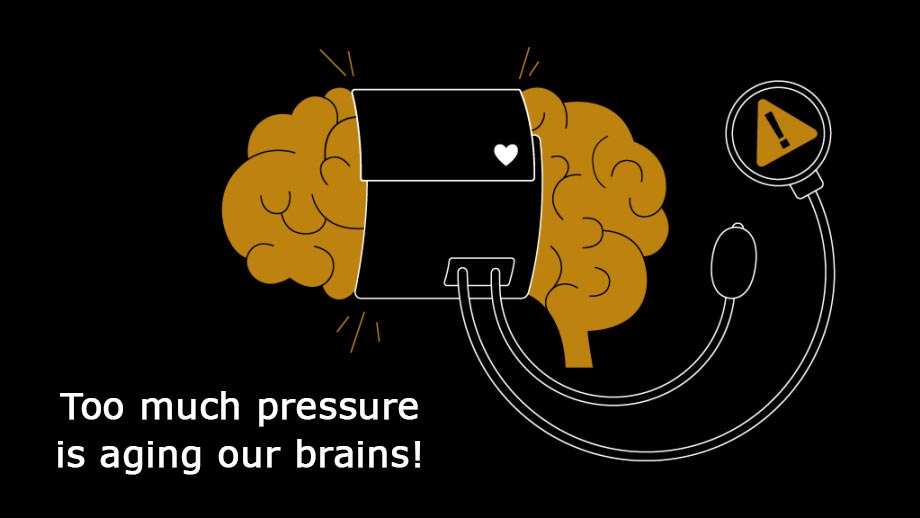
The study shows that brain aging linked to blood pressure may begin decades earlier than thought, stressing the importance of early prevention, lifestyle changes, and regular monitoring.
People with elevated blood pressure that falls within the normal recommended range are at risk of accelerated brain aging, according to new research from The Australian National University (ANU).
The research also found optimal blood pressure helps our brains stay at least six months younger than our actual age. The researchers are now calling for national health guidelines to be updated to reflect their important findings.
The ANU study, published in Frontiers in Aging Neuroscience, found participants with high blood pressure had older and therefore less healthy brains, increasing their risk of heart disease, stroke, and dementia.
Participants with elevated blood pressure, but within the normal range, also had older-looking brains and were at risk of health problems.
Brain Damage Begins Earlier Than Expected
“This thinking that one’s brain becomes unhealthy because of high blood pressure later in life is not completely true,” Professor Nicolas Cherbuin, Head of the ANU Centre for Research on Ageing, Health and Wellbeing, said.
“It starts earlier and it starts in people who have normal blood pressure.”
Normal blood pressure is defined by pressure below 120/80, whereas an optimal and healthier blood pressure is closer to 110/70.
The new research comes after a large international study found the number of people over 30 with high blood pressure has doubled globally.
Lifestyle Changes Keep Brains Younger
Cardiologist and co-author of the study, Professor Walter Abhayaratna, said if we maintain optimal blood pressure our brains will remain younger and healthier as we age.
“It’s important we introduce lifestyle and diet changes early on in life to prevent our blood pressure from rising too much, rather than waiting for it to become a problem,” he said.
“Compared to a person with a high blood pressure of 135/85, someone with an optimal reading of 110/70 was found to have a brain age that appears more than six months younger by the time they reach middle age.”
The ANU team, in collaboration with colleagues in Australia, New Zealand and Germany, examined more than 2,000 brain scans of 686 healthy individuals aged 44 to 76.
The blood pressure of the participants was measured up to four times across a 12-year period. The brain scan and blood pressure data was used to determine a person’s brain age, which is a measure of brain health.
Lead author, Professor Cherbuin, said the findings highlight a particular concern for young people aged in their 20s and 30s because it takes time for the effects of increased blood pressure to impact the brain.
Brain Health Effects Build Up Over Decades
“By detecting the impact of increased blood pressure on the brain health of people in their 40s and older, we have to assume the effects of elevated blood pressure must build up over many years and could start in their 20s. This means that a young person’s brain is already vulnerable,” he said.
Professor Abhayaratna said the research findings show the need for everyone, including young people, to check their blood pressure regularly.
“Australian adults should take the opportunity to check their blood pressure at least once a year when they see their GP, with an aim to ensure that their target blood pressure is closer to 110/70, particularly in younger and middle age groups,” he said.
“If your blood pressure levels are elevated, you should take the opportunity to speak with your GP about ways to reduce your blood pressure, including the modification of lifestyle factors such as diet and physical activity.”
Reference: “Optimal Blood Pressure Keeps Our Brains Younger” by Nicolas Cherbuin, Erin I. Walsh, Marnie Shaw, Eileen Luders, Kaarin J. Anstey, Perminder S. Sachdev, Walter P. Abhayaratna and Christian Gaser, 5 October 2021, Frontiers in Aging Neuroscience.
DOI: 10.3389/fnagi.2021.694982
Background:
The patient data used for this research was taken from the PATH study, a large longitudinal study featuring about 7,500 participants.
Never miss a breakthrough: Join the SciTechDaily newsletter.
Follow us on Google and Google News.