
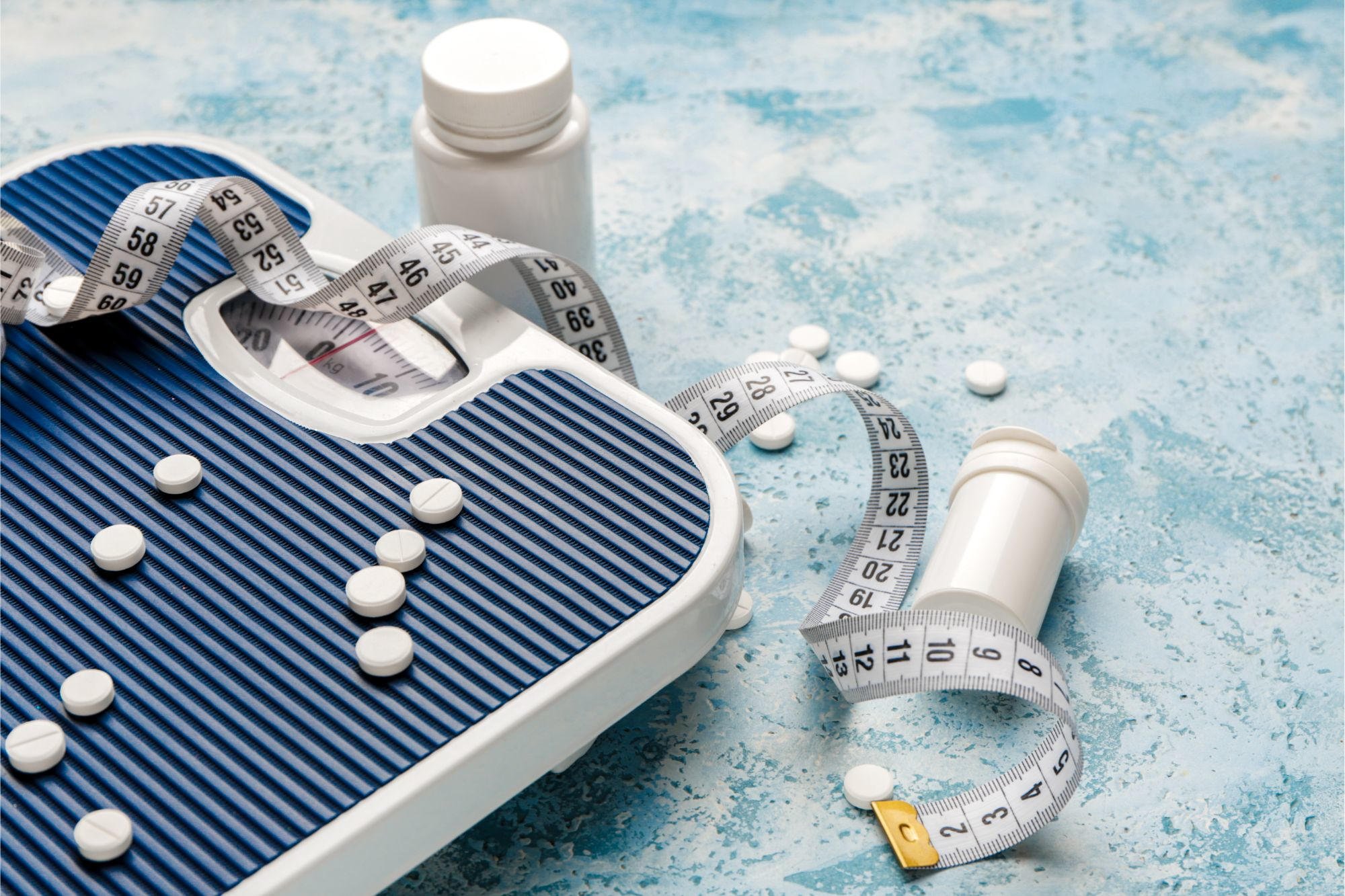
GLP-1 medications linked to a lower risk of dementia and addiction but higher risk of kidney, pancreatic, and gastrointestinal issues.
Demand for weight-loss medications, including popular brands like Ozempic and Wegovy, continues to rise. A recent study revealed that one in eight Americans has used or is currently using these drugs to manage diabetes, heart disease, or obesity.
These medications, officially classified as glucagon-like peptide-1 receptor agonists (GLP-1RAs), include drugs such as Mounjaro and Zepbound. Often referred to as “miracle drugs” by media, patients, and even some physicians, GLP-1 medications are celebrated for their significant weight-loss effects. While their benefits are well-documented, little is known about how these drugs impact various organ systems.
In response, researchers from Washington University School of Medicine in St. Louis and the Veterans Affairs (VA) St. Louis Health Care System conducted a comprehensive study involving over 2 million individuals with diabetes who were taking GLP-1 medications. Their findings revealed notable benefits to cognitive and behavioral health, but also identified increased risks of pancreatitis, kidney issues, and other health conditions.
The study was recently published in the journal Nature Medicine.
“Given the drugs’ newness and skyrocketing popularity, it is important to systematically examine their effects on all body systems — leaving no stone unturned — to understand what they do and what they don’t do,” said the study’s senior author, Ziyad Al-Aly, MD, a clinical epidemiologist and nephrologist who treats patients at the WashU Medicine-affiliated John J. Cochran Veterans Hospital in St. Louis.
“Our approach has allowed us to build a comprehensive atlas mapping the associations of GLP-1RA spanning all organ systems,” he said. “The study’s results provide insights into some known and previously unrecognized benefits and risks of GLP-1RA that may be useful to inform clinical care and guide research agendas.”
Mechanisms and Benefits of GLP-1RA Drugs
The drugs, taken once a week by injection, simulate naturally produced hormones that curb appetite and slow digestion, creating longer-lasting satiety. A healthy diet and exercise also assist with weight loss.
For the study, WashU Medicine researchers analyzed de-identified medical records in a database maintained by the U.S. Department of Veterans Affairs. They compared 175 health outcomes between veterans who took GLP-1RA drugs to treat their diabetes and those who took more traditional medications sold under brand names such as Jardiance, Glipizide, and Januvia.
Altogether, the dataset examined more than 2 million veterans who were treated for diabetes from Oct. 1, 2017, to Dec. 31, 2023. Patients included people of diverse ages, races, and sexes.

GLP-1RA drugs were associated with significant benefits to neurological and behavioral health, with reduced risks of seizures and addiction to substances such as alcohol, cannabis, stimulants, and opioids. People taking the weight-loss drugs also experienced decreased risks of suicidal ideation, self-harm, bulimia, and psychotic disorders such as schizophrenia.
WashU Medicine’s findings also showed a decreased risk of neurocognitive disorders such as Alzheimer’s and dementia.
How GLP-1RA Drugs Impact Brain Health
“Interestingly, GLP-1RA drugs act on receptors that are expressed in brain areas involved in impulse control, reward, and addiction — potentially explaining their effectiveness in curbing appetite and addiction disorders,” said Al-Aly, the director of the Clinical Epidemiology Center at the VA St. Louis Health Care System, where he is head of the research and development service. “These drugs also reduce inflammation in the brain and result in weight loss; both these factors may improve brain health and explain the reduced risk of conditions like Alzheimer’s disease and dementia.”
While GLP-1RA drugs display effectiveness against a wide array of health problems, the magnitude of associated benefits is modest — about a 10 percent to 20 percent reduction for most outcomes. “However, the modest effect does not negate the potential value of these drugs, especially for conditions where few effective treatment options exist, for example, dementia,” Al-Aly said. “This may also imply that these drugs are most beneficial when used in conjunction with other interventions, such as lifestyle changes or other medications.”
The study also confirmed past research findings detailing the drugs’ potential to lower the risk of heart attack, stroke, and other cardiovascular concerns.
Al-Aly emphasized that his study also highlighted potential downsides to the medications, including an increased risk of gastrointestinal problems such as nausea, vomiting, diarrhea, and in rare cases paralysis of the stomach. “These have been well documented in the research and anecdotally,” Al-Aly said. “Our study confirmed such findings.”
But what is novel is the potential ways GLP-1RA drugs can negatively affect the pancreas and kidneys. While these adverse effects are uncommon, they can be very serious; physicians must be vigilant for signs of pancreatitis and monitor kidney function among people taking GLP-1RA medications. Kidney problems can occur without symptoms until the condition is at an advanced stage with limited treatment options.
“GLP-1RA drugs can have broad health benefits,” Al-Aly said. “However, they are not without risks. Our findings underscore the possibility for wider applications for these medications but also highlight important risks that should be carefully monitored in people taking these drugs.”
Reference: “Mapping the effectiveness and risks of GLP-1 receptor agonists” by Yan Xie, Taeyoung Choi and Ziyad Al-Aly, 20 January 2025, Nature Medicine.
DOI: 10.1038/s41591-024-03412-w
The study was funded by the U.S. Department of Veterans Affairs.
Never miss a breakthrough: Join the SciTechDaily newsletter.
Follow us on Google and Google News.
14 Comments
The real miracle wieght loss drug has been around for couple hundred years. Its called COCAINE… try it it works
Tell us more, Flippy. I’ve heard anecdotally, and from studies, but they’re old data. For example, “Effect of Erythroxylum coca, cocaine and ecgonine methyl ester as dietary supplements on energy metabolism in the rat” (Journal of Ethnopharmacology) was 1986, and “Coca chewing for exercise: hormonal and metabolic responses of nonhabitual chewers” ( Appl Physiol) was 1996, both very encouraging. I’ve had an interest in coca leaf research, but everyone else outside of deepest Peru is terrified of it, apart from Andrew Weil.
Anyway. This article is a commercial. The “new risks” are listed at the end, like a commercial. “But what is novel is the potential ways GLP-1RA drugs can negatively affect the pancreas and kidneys” is not novel at all, but have been known for years. For example, “Acute Kidney Injury Associated with Semaglutide” (Kidney Medicine, 2021). Also, ” Pancreatitis, pancreatic, and thyroid cancer with glucagon-like peptide-1-based therapies” (Gastroenterology. 2011), which not only linked these drugs to acute pancreatitis, but also pancreatic cancer, and thyroid cancer, which is a warning given in the box. That said, semaglutide also seems to improve kidney health with impaired kidney function (“Effects of Semaglutide on Chronic Kidney Disease in Patients with Type 2 Diabetes”, NEJM May 2024), we have to be fair.
The study itself is paywalled. The abstract also adds “There was an increased risk of gastrointestinal disorders, hypotension, syncope, arthritic disorders, nephrolithiasis, interstitial nephritis and drug-induced pancreatitis associated with GLP-1RA use compared to usual care.”, which includes conditions the article mysteriously failed to mention. Two of the authors are consultants for Pfizer.
I don’t know what the University of Washington is doing in St. Louis, but it’s writing misleading commercials with clickbait headlines. Ask your doctor if pancreatic cancer is right for you.
I’ve been on wegovy for 7 months now and lost 50 pounds with minor side effects at the start (nausea , headache and heartburn) and none anymore.
The weight loss is well worth it.
Well done Chris! There’s risk and reward to everything, and sometimes a risk is very worth it. The article is terrible, but the drug is impressive.
I’ve read information on building tolerance to semaglutide over time, and early data and many anecdotes about the risks of higher dosage, from sarcopenia to osteoporosis, from muscle wasting and brittle bones to blindness. It’s partly a guess as it’s early days, but many risks seem to correlate with higher doses. Losing 50lb would help ease into fitness goals, which might help keep the weight off with a low maintenance-dose. I’m not a doctor, but take care Chris.
LOL
Why is my nose numb?
That’s old school thinking. Meth is the new weight loss drug. Lol
I’m laughing so hard, it’s making me sniffle.
I am diabetic for 20 years until I was put on Mounjaro a similar drug I couldn’t control my diabetes since I am on it my A1C is 5.5
I think it’s best to take this over 5 other highly other problematic pills
I wonder how many of the alleged benefits of this drug are from the reduction of food intake, since much of the food supply is toxic and unhealthy. This may also be why fasting shows health benefits. A control group should be dieters who reduce food intake without drugs.
My husband took Mounjaro for about 3 months. Less than 6 months later, he passed away from Pancreatic cancer. The cancer wasn’t caused by the Mounjaro, but it was exacerbated by it and his whole gastrointestinal system went into shutdown because of it. Unless there is absolutely no other choice, I would never, ever take these drugs.
My condolences!
Eat a healthy diet, don’t overeat, do adequate exercise and you won’t need these drugs.
I lost 45 lbs since the last week of August 2024. I didn’t use any medicine just changed my diet. No sugar, no bread, fiber daily and green tea. Natural foods, NO processed. My A1C is now 5.7 from 7+. My next check with hopefully score lower or in the same range. Some medical conditions came back negative too. If you can try to avoid meds, as much as possible!
True!