
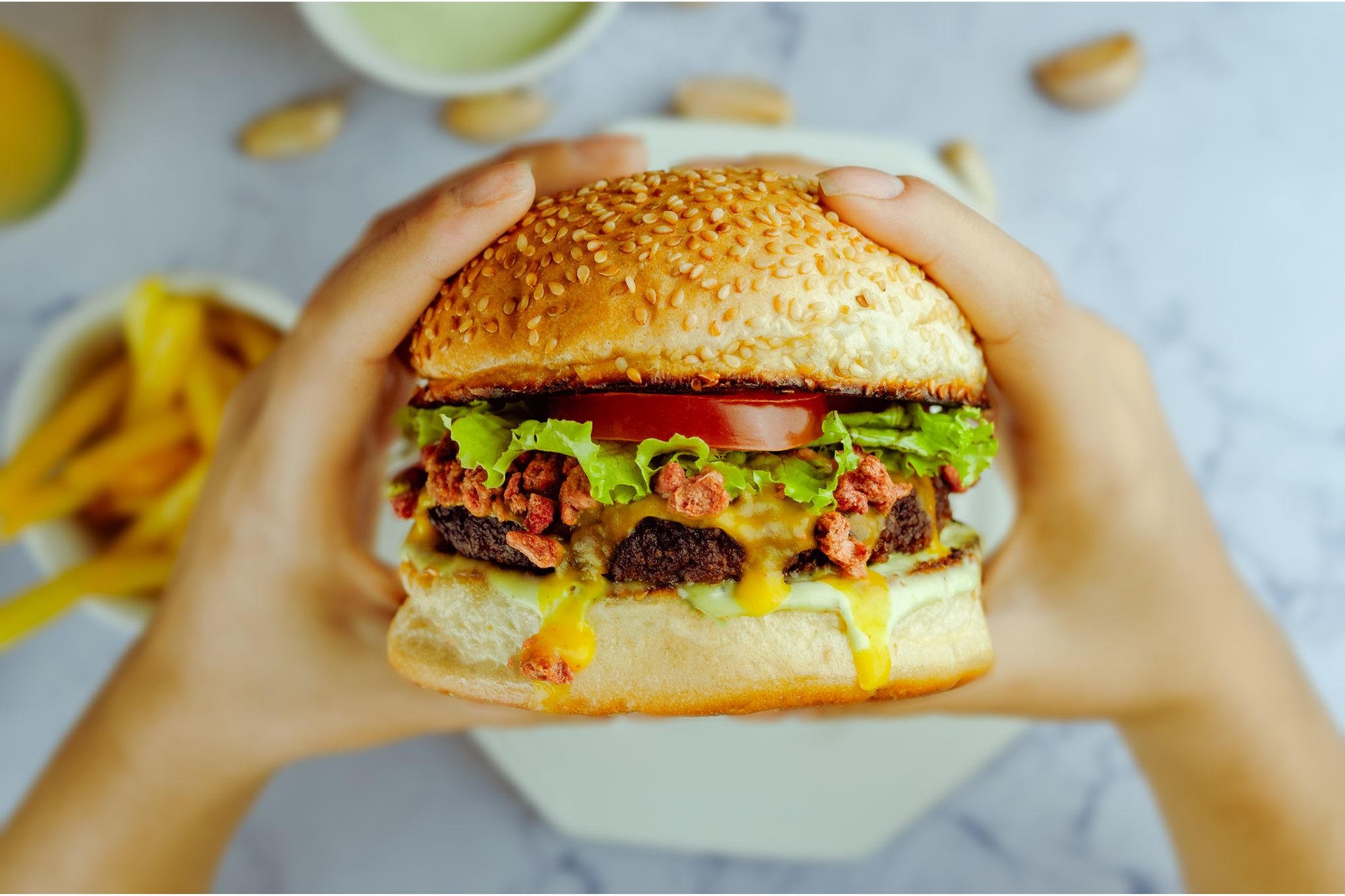
A Drexel University study tested an intervention to help reduce ultra-processed food (UPF) consumption. Over two months, 14 participants cut their UPF intake by nearly half, leading to lower calorie, sugar, fat, and sodium intake, as well as weight loss and improved mood.
Most dietary programs are designed to help people lose weight or follow U.S. nutrition guidelines—which currently do not address ultra-processed foods (UPFs). UPFs, such as chips and candy, are mass-produced, packaged items that contain little or no natural ingredients, and their consumption is strongly linked to higher risks of disease and early death.
Because few programs specifically target reducing UPF intake, researchers from Drexel University’s College of Arts and Sciences developed an intervention that uses a variety of strategies to counteract the unique challenges posed by UPFs, including their engineered addictive qualities. The program provides education about UPFs, incorporates mindfulness and acceptance-based techniques to help participants manage cravings, offers personalized meal planning, and encourages a healthier home food environment by involving a household member. It also includes financial support to help participants afford healthier options like fresh fruits and vegetables, which can be more expensive.
Significant Reduction in UPF Consumption
Recently published in Obesity and Science Practice, the researchers tested a two-month intervention with 14 adults with overweight or obesity, who regularly ate UPFs (two UPF items per day). On average, participants successfully reduced their UPF intake by almost half.
“Reducing UPF intake can be extremely difficult, because the food industry wants us to be hooked on UPFs,” said lead author Charlotte Hagerman, PhD, an assistant research professor in the College. “The industry designs UPFs to be ultra-delicious, convenient, cheap, and constantly present in the U.S. — even if not directly in front of us, then on our TVs, phones, and roadside signs.”
Hagerman noted that although the sample was small, the results of this intervention were very promising. By the end of the program, participants had reduced their UPF intake by almost half – both when measured as calories from UPFs and as the total number of UPFs consumed. Participants also reduced their calorie intake, on average by over 600 calories per day. Further, sugar consumption declined by 50%, saturated fat consumption declined by 37%, and sodium consumption declined by 28%. Participants also self-reported losing an average of 7.7 pounds.
Unexpected Findings and Participant Feedback
“Interestingly, participants did not have meaningful increases in their fruit and vegetable consumption, suggesting that if we want to improve dietary intake more wholistically, we may need to more strongly encourage people to eat these foods,” said Hagerman.
The research team highlighted that participants had highly positive feedback about the intervention and were enthusiastic about the benefits they noticed. During interviews, many reported that they experienced improvements in their mood and energy.
During the two-month intervention, the 14 participants worked with coaches with expertise in health behavior change at weekly group sessions that included one-on-one meetings, discussion and activities. Participants received education about identifying UPFs and their harmful effects, learned acceptance-based strategies for coping with the cravings and withdrawal of reducing UPFs and learned the importance of the household food environment for reducing UPF intake. Participants also had individual meal-planning sessions and financial support in the form of a $100 grocery store gift card.
To assess their dietary intake, participants completed the Automated Self-Administered 24-Hour Dietary Assessment Tool (ASA-24) to ask participants to report everything they ate over the past 24 hours. Before and after the intervention, participants reported everything they ate during two weekdays and one weekend day (since eating behavior tends to be different during the weekend). The assessment tool automatically reported servings of specific food groups (e.g., fruits), macronutrient intake, and calorie intake, to help the team and participants identify consumption patterns.
A member of the research team categorized each entry as UPF or not and consulted with a UPF expert for a second opinion on ambiguous cases. Researchers were not aware of whether each entry was from before or after the intervention, to avoid biasing their coding.
The data allowed the team to determine whether participants had significant changes in their UPF intake, sodium, added sugar, saturated fat, weight, and fruit/vegetable intake.
“The findings suggest that people can reduce their ultra-processed food intake, if given the proper tools, and that they will be enthusiastic about interventions designed for this purpose,” said Hagerman. “The results also suggest that reducing UPF intake will lead to meaningful health improvements – such as weight loss and better mood – in as short as eight weeks.”
The research team plans to continue testing the intervention – on a larger sample, testing efficacy of the specific components of the intervention and testing on different populations.
Reference: “A Pilot Study of a Novel Dietary Intervention Targeting Ultra-Processed Food Intake” by Charlotte J. Hagerman, Asher E. Hong, Emma Jennings and Meghan L. Butryn, 8 December 2024, Obesity Science & Practice.
DOI: 10.1002/osp4.70029
Never miss a breakthrough: Join the SciTechDaily newsletter.
Follow us on Google and Google News.