

Exceptionally preserved Cambrian fossils uncovered in the Grand Canyon show how evolution accelerated in resource-rich waters.
An extraordinary cache of remarkably well-preserved ancient animals, dating back over 500 million years, has been unearthed in the Grand Canyon, one of the most renowned geological landmarks in the world.
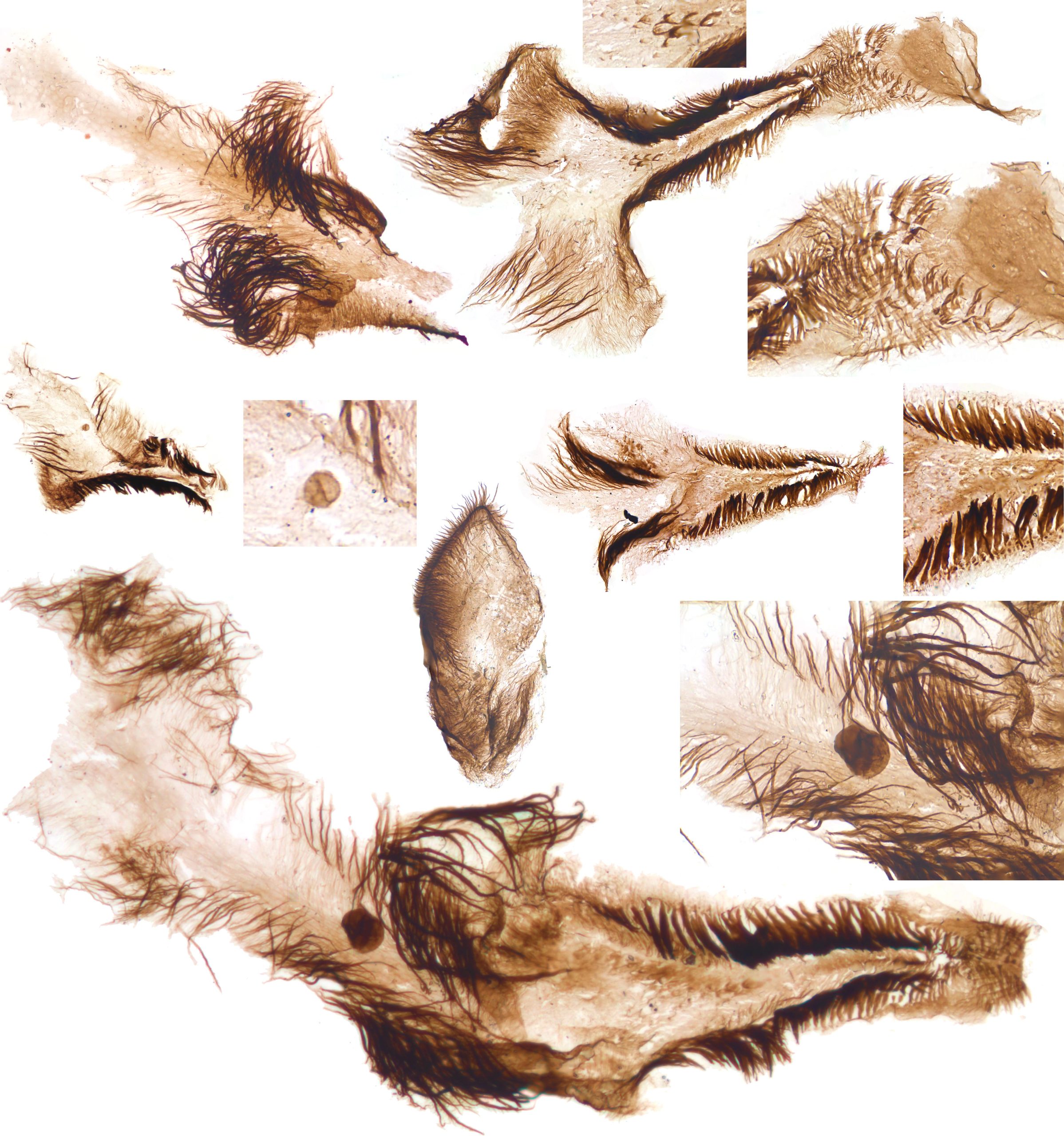
This groundbreaking discovery, the first of its kind in the Grand Canyon, features microscopic fossils of rock-grazing mollusks, filter-feeding crustaceans, worm-like creatures with spiked teeth, and even remnants of their presumed diets.
To analyze these organisms, a research team from the University of Cambridge dissolved the fossil-bearing rocks and studied the residue with high-powered microscopes, revealing a vivid glimpse into a pivotal stage in the early evolution of animal life.
An evolutionary arms race in rich waters
The fossils date to between 507 and 502 million years ago, placing them within the Cambrian explosion—a pivotal era of rapid evolutionary change when most major animal groups first emerged in the fossil record.
During this time, certain regions with nutrient-rich waters saw intense evolutionary activity, with animals developing diverse and specialized traits for feeding, locomotion, and reproduction.
Although Cambrian fossils typically consist of hard-shelled organisms, a few exceptional sites—such as the Burgess Shale in Canada and the Maotianshan Shales in China—preserved soft-bodied creatures before decomposition could occur.
Until now, however, soft-bodied Cambrian fossils were primarily found in low-oxygen, nutrient-poor environments, which were unlikely to foster the more advanced evolutionary innovations seen in early animals.
First soft-bodied Cambrian fossils from a resource-rich zone
Now, the Grand Canyon has revealed the first soft-bodied, or non-mineralized, Cambrian fossils from an evolutionary ‘Goldilocks zone’ that would have provided rich resources for the evolution of early animals to accelerate. The results are reported in the journal Science Advances.
“These rare fossils give us a fuller picture of what life was like during the Cambrian period,” said first author Giovanni Mussini, a PhD student in Cambridge’s Department of Earth Sciences. “By combining these fossils with traces of their burrowing, walking, and feeding – which are found all over the Grand Canyon – we’re able to piece together at an entire ancient ecosystem.”
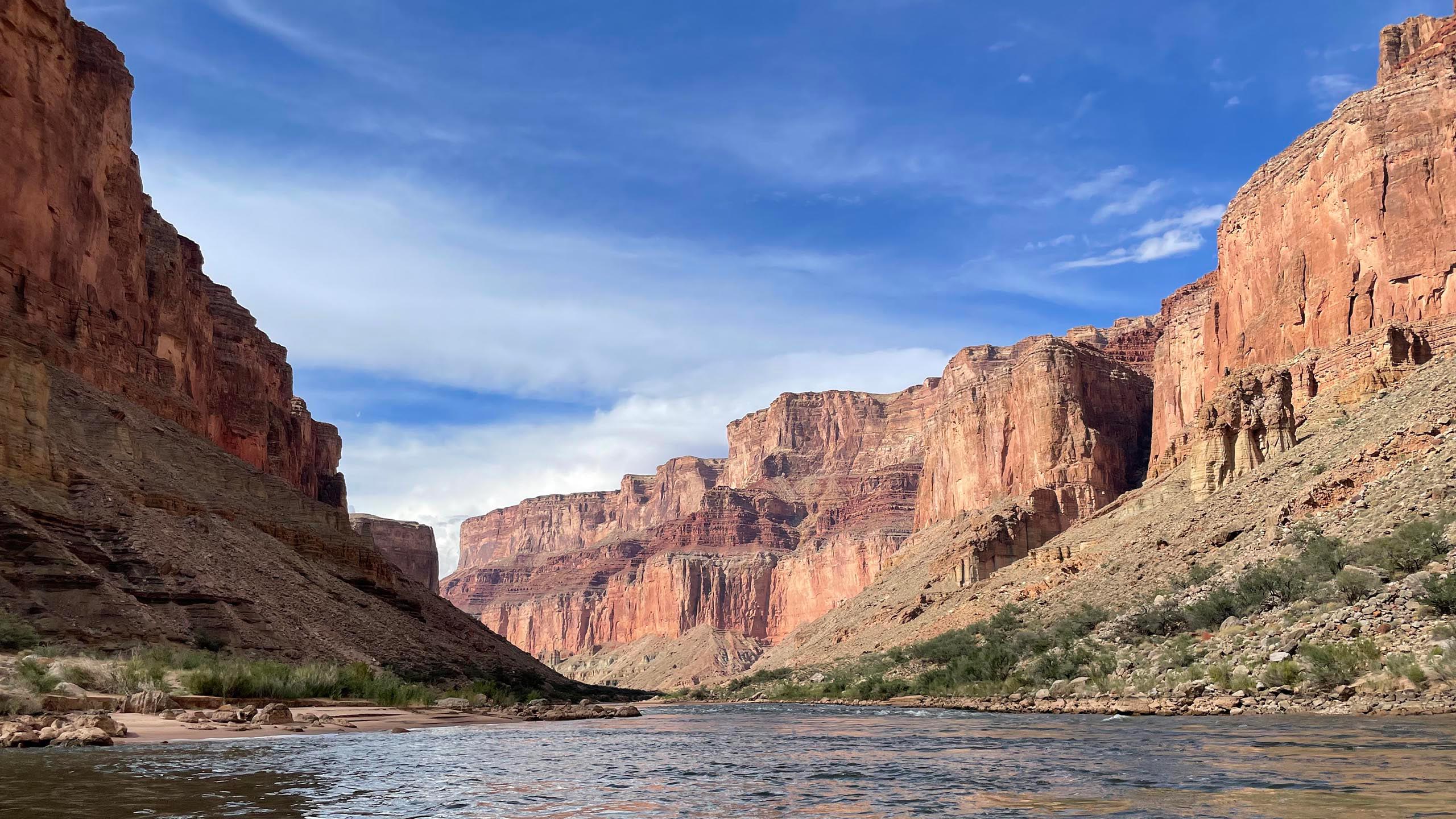
Mussini and colleagues from the US located the fossils during a 2023 expedition along the Colorado River, which began carving the Grand Canyon in what is now Arizona between five and six million years ago.
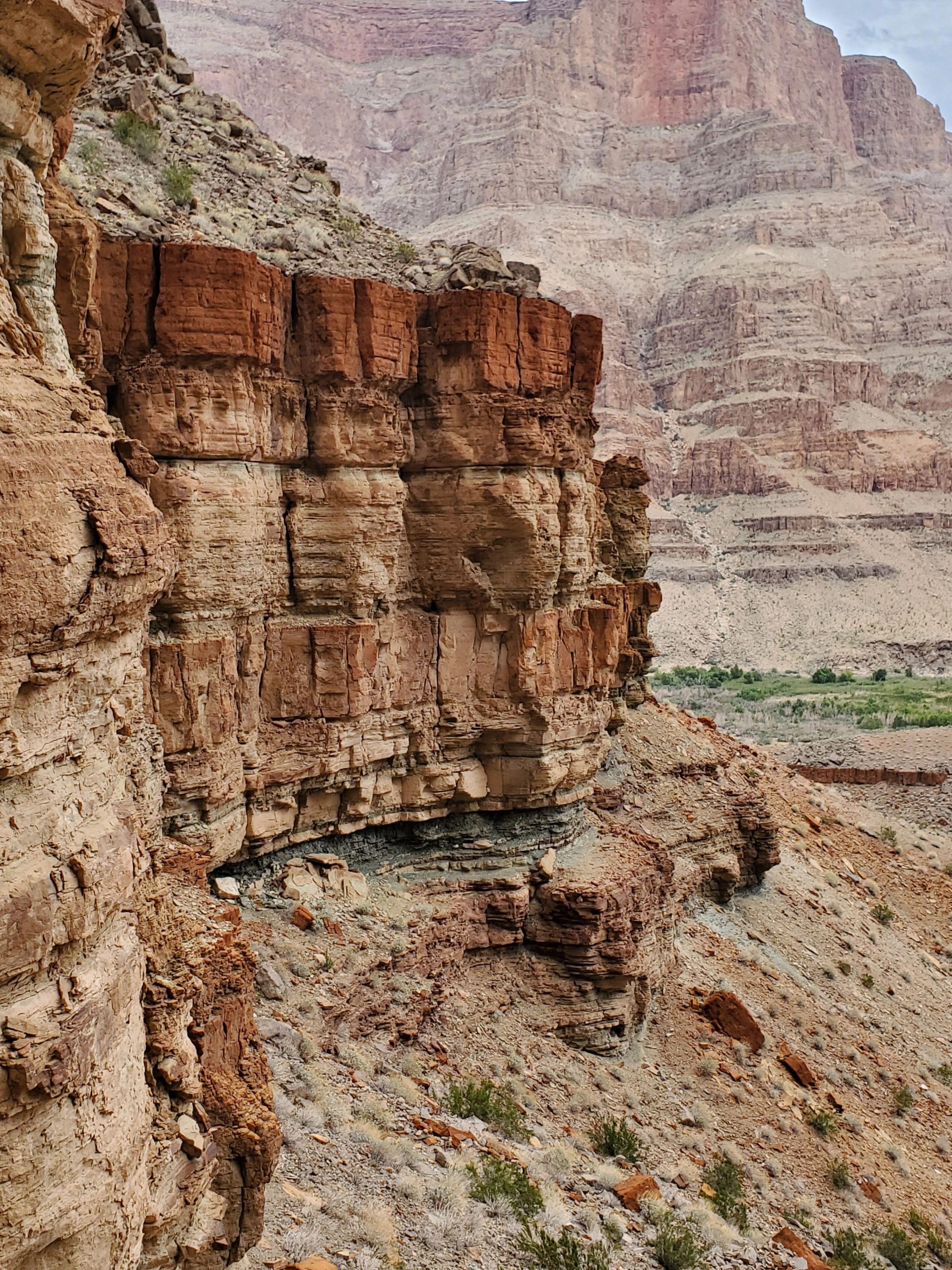
“Surprisingly, we haven’t had much of a Cambrian fossil record of this kind from the Grand Canyon before – there have been finds of things like trilobites and biomineralized fragments, but not much in the way of soft-bodied creatures,” said Mussini. “But the geology of the Grand Canyon, which contains lots of fine-grained and easily split mud rocks, suggested to us that it might be just the sort of place where we might be able to find some of these fossils.”
The team gathered several rock samples and brought them back to Cambridge for analysis. These fist-sized rocks were dissolved using hydrofluoric acid, and the resulting sediment was filtered through a series of sieves, revealing thousands of miniature fossils. Although no complete animals were recovered, numerous identifiable anatomical features allowed the researchers to determine the taxonomic groups the specimens represented.
Feeding adaptations of ancient crustaceans and mollusks
Further examination of the fossils revealed some of the most complex ways animals were evolving during the Cambrian to capture and eat their food. “These were cutting-edge ‘technologies’ for their time, integrating multiple anatomical parts into high-powered feeding systems,” said Mussini.
Many of these fossils are of crustaceans, likely belonging to the group that includes brine shrimp, recognizable by their molar teeth. These tiny creatures had hair-like extensions on triangular grooves around their mouths, and used their hairy limbs to sweep up passing food particles like a conveyor belt. Tiny grooves on their teeth could then grind up their food. The detail on the fossils is such that several plankton-like particles can be seen near the crustaceans’ mouths.
Other modern-looking animals from the Cambrian of the Grand Canyon include slug-like mollusks. These animals already had belts or chains of teeth not dissimilar to modern garden snails, which likely helped them scrape algae or bacteria from rocks.
A Star Wars–inspired priapulid and diverse feeding strategies
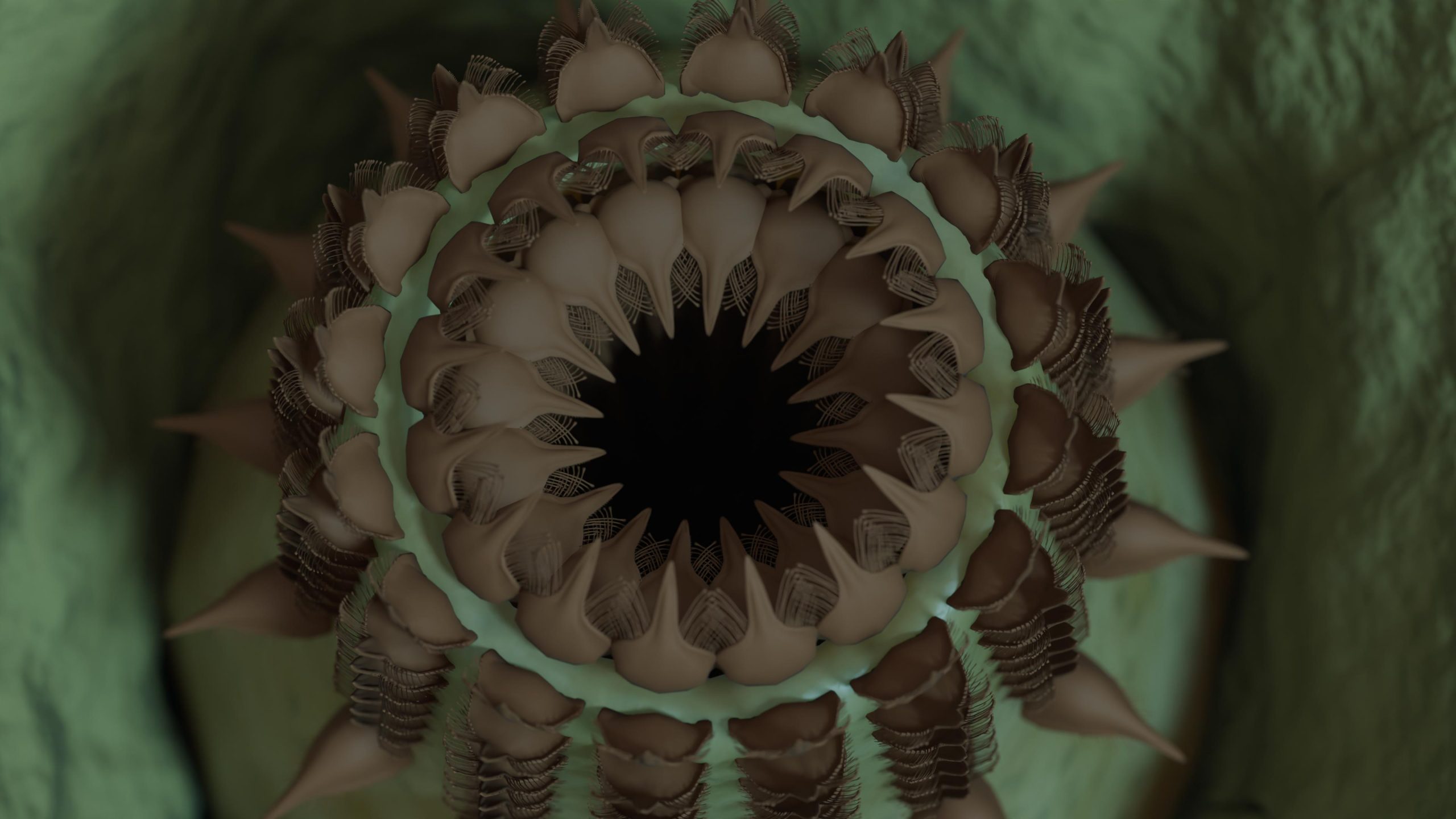
The most unusual creature identified by the researchers is a new species of priapulids, also known as penis or cactus worms, which were widespread during the Cambrian but are nearly extinct today. The Grand Canyon priapulid had hundreds of complex branching teeth, which helped it sweep food particles into its extensible mouth. Due to the size of the fossil and its exotic rows of teeth, the researchers named this new animal Kraytdraco spectatus, after the krayt dragon, a fictional creature from the Star Wars universe.
“We can see from these fossils that Cambrian animals had a wide variety of feeding styles used to process their food, some which have modern counterparts, and some that are more exotic,” said Mussini.
During the Cambrian, the Grand Canyon was much closer to the equator than it is today, and conditions were perfect for supporting a wide range of life. The depth of the oxygen-rich water, neither too deep or too shallow, allowed a balance between maximizing nutrients or oxygen and reducing wave damage and exposure to UV radiation from the Sun.
This optimum environment made it a great place for evolutionary experimentation. Since food was abundant, animals could afford to take more evolutionary risks to stay ahead of the competition, accelerating the overall pace of evolution and driving the assembly of ecological innovations that still shape the modern biosphere.
Evolution thrives in resource-rich environments
“Animals needed to keep ahead of the competition through complex, costly innovations, but the environment allowed them to do that,” said Mussini. “In a more resource-starved environment, animals can’t afford to make that sort of physiological investment. It’s got certain parallels with economics: invest and take risks in times of abundance; save and be conservative in times of scarcity. There’s a lot we can learn from tiny animals burrowing in the sea floor 500 million years ago.”
Reference: “Evolutionary escalation in an exceptionally preserved Cambrian biota from the Grand Canyon (Arizona, USA)” by Giovanni Mussini, James W. Hagadorn, Anne E. Miller, Karl E. Karlstrom, Rhydian Evans, Carol E. Dehler, Salvador Bastien and Nicholas J. Butterfield, 23 July 2025, Science Advances.
DOI: 10.1126/sciadv.adv6383
The research was supported in part by the US National Science Foundation and the UK Natural and Environment Research Council (NERC), part of UK Research and Innovation (UKRI). Giovanni Mussini is a Bye-Fellow of Magdalene College, Cambridge.
Never miss a breakthrough: Join the SciTechDaily newsletter.
Follow us on Google and Google News.
3 Comments
During the Cambrian, the Grand Canyon was much closer to the equator than it is today. The changes in Earth’s climate may be far more complex than we can see. The superposition of cosmic vortex field and Earth’s spin vortex field is one of the main reasons affecting Earth’s climate. Paleoclimate data and hydrodynamic simulations validate the critical role of vortex axial deviation in global energy redistribution, offering a new paradigm for climate prediction.
If researchers are interested in this, please visit https://zhuanlan.zhihu.com/p/1916783850291466914.
A half a billion…. They’re really are getting carried away with these numbers 🤦
Why do you think its that old? Does it contain any small amount of carbon 14?
You do know those layers of rock were not layed down gradually? Thats like 19th century science. They were layed down quickly though catastrophic event. Thats why there’s mo erosion between the layers. Of course we all observed this around Mt St Helens eruption. Its why you find marine life at low levels in general. Its also why you find your blood vessels and whatnot. Blood vessels don’t last 50 million years.