
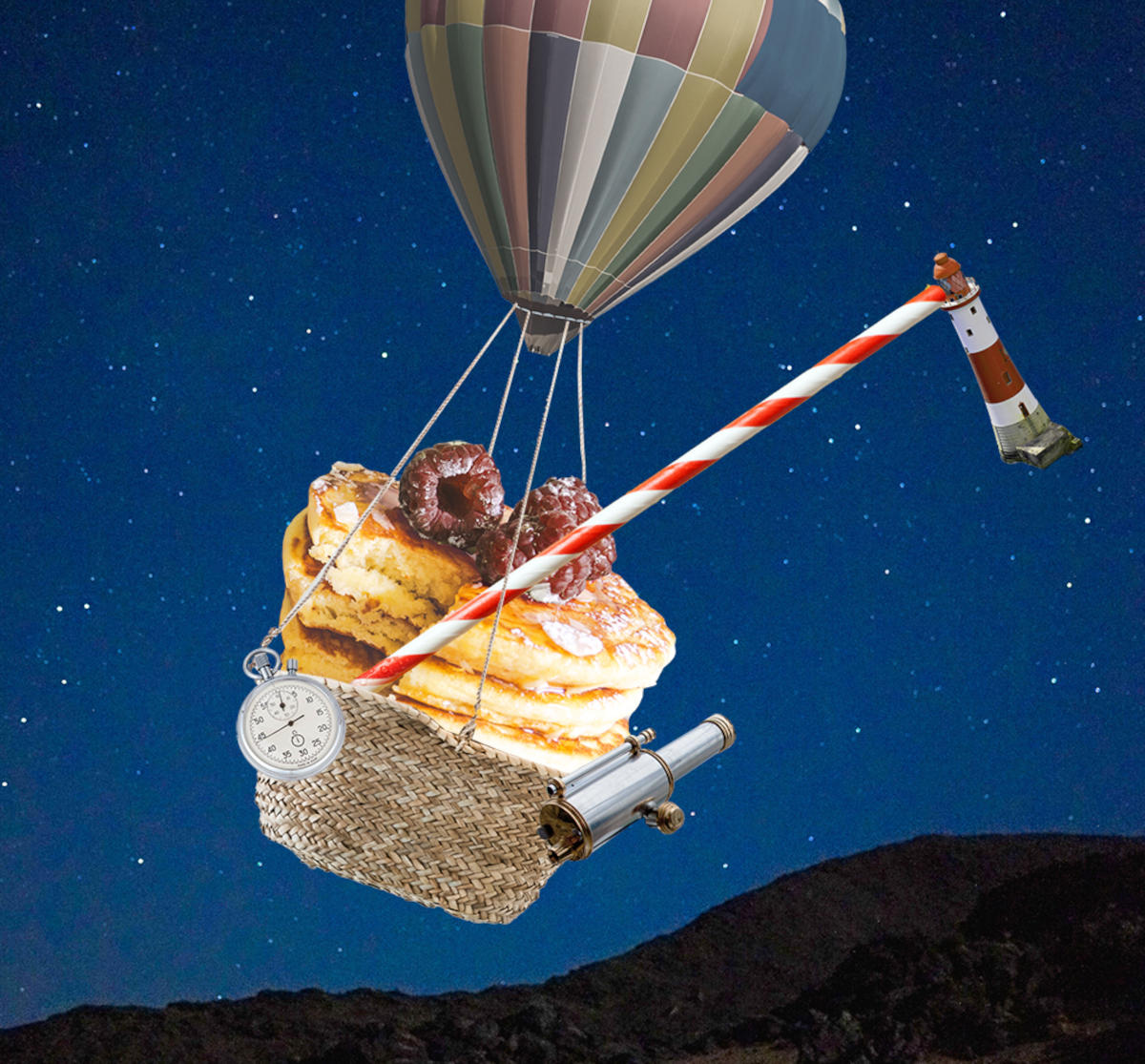
A pancake stack of radioactivity-sensitive films carried through the sky by a balloon was able to take the world’s most accurate picture of a neutron star’s gamma-ray beam. This feat was accomplished by researchers from Kobe University, who merged the earliest techniques of radioactive radiation detection with advanced data capture technologies and an innovative time-logging device.
The stars shine their light on us in the full range of the spectrum of light, from infrared to gamma rays. For each of these bands, different sensing equipment is needed. The most challenging one is gamma rays, famous for being a high-energy product of nuclear fission, because their very short wavelength means that they don’t interact with matter in the same way as other forms of light and thus can’t be deflected with lenses or detected by standard sensors. Thus, there is a gap in our ability to detect the light coming from fascinating stellar objects such as supernovae and their remnants.
Innovative Approach Using Photographic Films
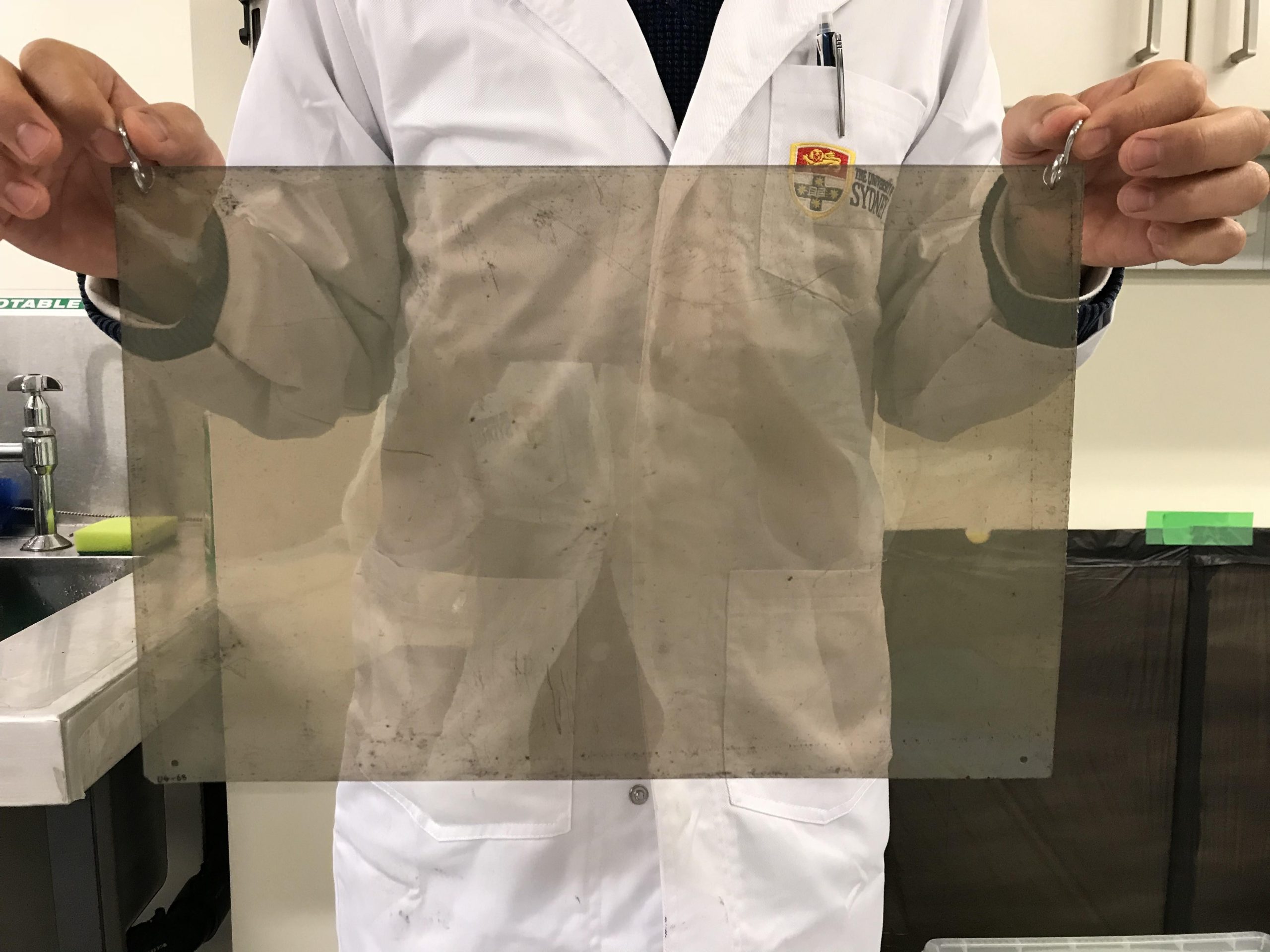
To resolve this issue, Kobe University astrophysicist Aoki Shigeki and his team turned to the very first material that was used to detect radioactivity, photographic films. “Our group has been focusing on the excellent capability of emulsion film to trace gamma rays with high precision and proposed that it could become an excellent gamma-ray telescope by introducing several modern data capture and analysis features,” explains Aoki.
Based on the high sensitivity of these films and a novel, automated, high-speed process of extracting data from them, the physicists’ idea was to stack up a few of them to accurately capture the trajectory of the particles that the gamma-ray produces on impact, just like a single pancake may capture where you poke a straw into it, but it takes a whole stack to record the straw’s direction.
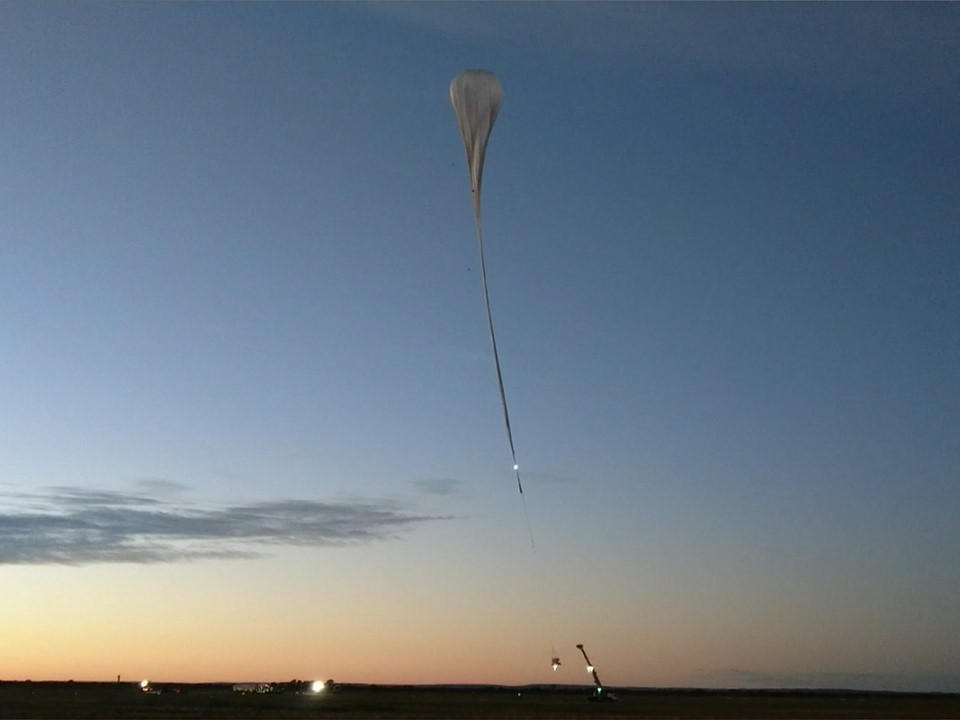
To reduce atmospheric interference, they then mounted the stack of films onto a scientific observation balloon to lift it to a height between 35 and 40 kilometers. However, since a balloon is swaying and twisting in the wind, the direction of the “telescope” is not stable, so they added a set of cameras to record the gondola’s orientation relative to the stars at any time.
But this created another issue, because as anybody who has ever taken a photograph with long exposure knows, photographic film does not record the passage of time and so it is not directly possible to know at what time any given gamma ray impact occurred. To overcome this problem, they made the bottom three layers of film move back and forth at regular but different speeds, just like the hands of a clock. From the relative dislocation of the traces in those lower plates, they could then calculate the precise time of the impact and thus correlate it with the cameras’ footage.
Breakthrough Imaging of Vela Pulsar
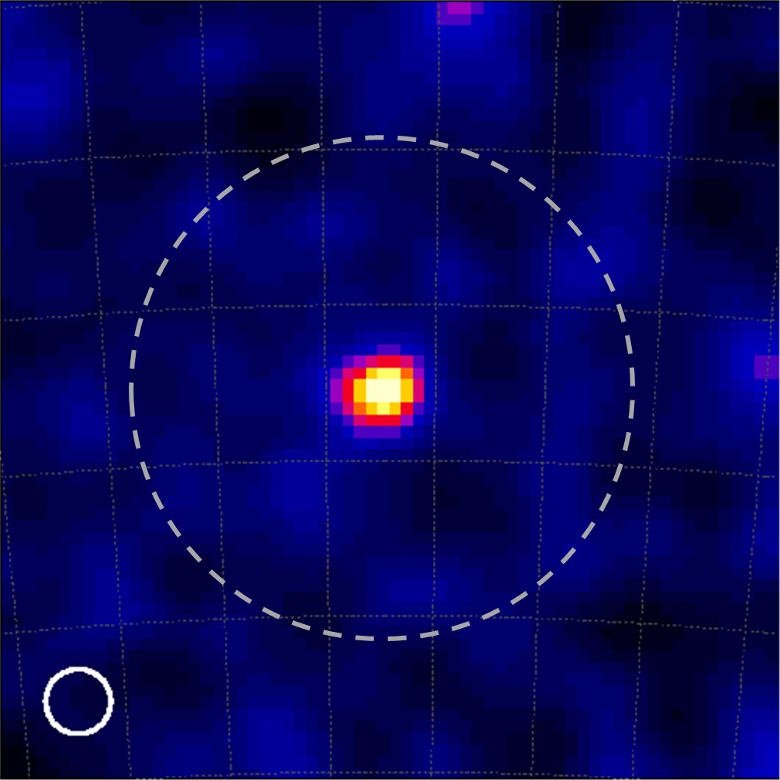
They have now published the first image resulting from this setup in the journal The Astrophysical Journal. It is the most accurate image ever produced of the Vela pulsar, a fast-spinning neutron star that projects a beam of gamma rays into the sky like a lighthouse at night. “We captured a total of several trillion tracks with an accuracy of 1/10,000 millimeters. By adding time information and combining it with attitude monitoring information, we were able to determine ‘when’ and ‘where’ the events originated with such precision that the resulting resolution was more than 40 times higher than that of conventional gamma-ray telescopes,” Aoki summarizes his group’s achievements.
While these results are impressive already, the new technique opens the possibility of capturing more details in this frequency band of light than ever before. The Kobe University researcher explains, “By means of scientific balloon-borne experiments, we can attempt to contribute to many areas of astrophysics, and in particular to open up gamma-ray telescopy to ‘multi-messenger astronomy’ where simultaneous measurements of the same event captured through different techniques are required. Based on the success of the 2018 balloon experiment the data were generated with, we will expand the observation area and time in upcoming balloon flights and are looking forward to scientific breakthroughs in the field of gamma-ray astronomy.”
Reference: “First Emulsion γ-Ray Telescope Imaging of the Vela Pulsar by the GRAINE 2018 Balloon-borne Experiment” by Satoru Takahashi, Shigeki Aoki, Atsushi Iyono, Ayaka Karasuno, Kohichi Kodama, Ryosuke Komatani, Masahiro Komatsu, Masahiro Komiyama, Kenji Kuretsubo, Toshitsugu Marushima, Syota Matsuda, Kunihiro Morishima, Misaki Morishita, Naotaka Naganawa, Mitsuhiro Nakamura, Motoya Nakamura, Takafumi Nakamura, Yuya Nakamura, Noboru Nakano, Toshiyuki Nakano, Kazuma Nakazawa, Akira Nishio, Miyuki Oda, Hiroki Rokujo, Osamu Sato, Kou Sugimura, Atsumu Suzuki, Mayu Torii, Saya Yamamoto and Masahiro Yoshimoto, 21 December 2023, The Astrophysical Journal.
DOI: 10.3847/1538-4357/ad0973
This work was supported by JSPS KAKENHI grants 17H06132, 18H01228, and 18K13562. It was conducted in collaboration with researchers from Okayama University of Science, Aichi University of Education, Nagoya University, and Gifu University.
Never miss a breakthrough: Join the SciTechDaily newsletter.
Follow us on Google and Google News.
1 Comment
Trash