
Close Menu
    Facebook X (Twitter) Instagram
    SciTechDaily
    • Biology
    • Chemistry
    • Earth
    • Health
    • Physics
    • Science
    • Space
    • Technology
    Facebook X (Twitter) Pinterest YouTube RSS
    SciTechDaily
    Home»Biology»Plant Life Expanding Around Mount Everest and Across the Himalayan Region
    Biology

    Plant Life Expanding Around Mount Everest and Across the Himalayan Region

    By University of ExeterJanuary 12, 2020No Comments3 Mins Read
    Facebook Twitter Pinterest Telegram LinkedIn WhatsApp Email Reddit
    Share
    Facebook Twitter LinkedIn Pinterest Telegram Email Reddit
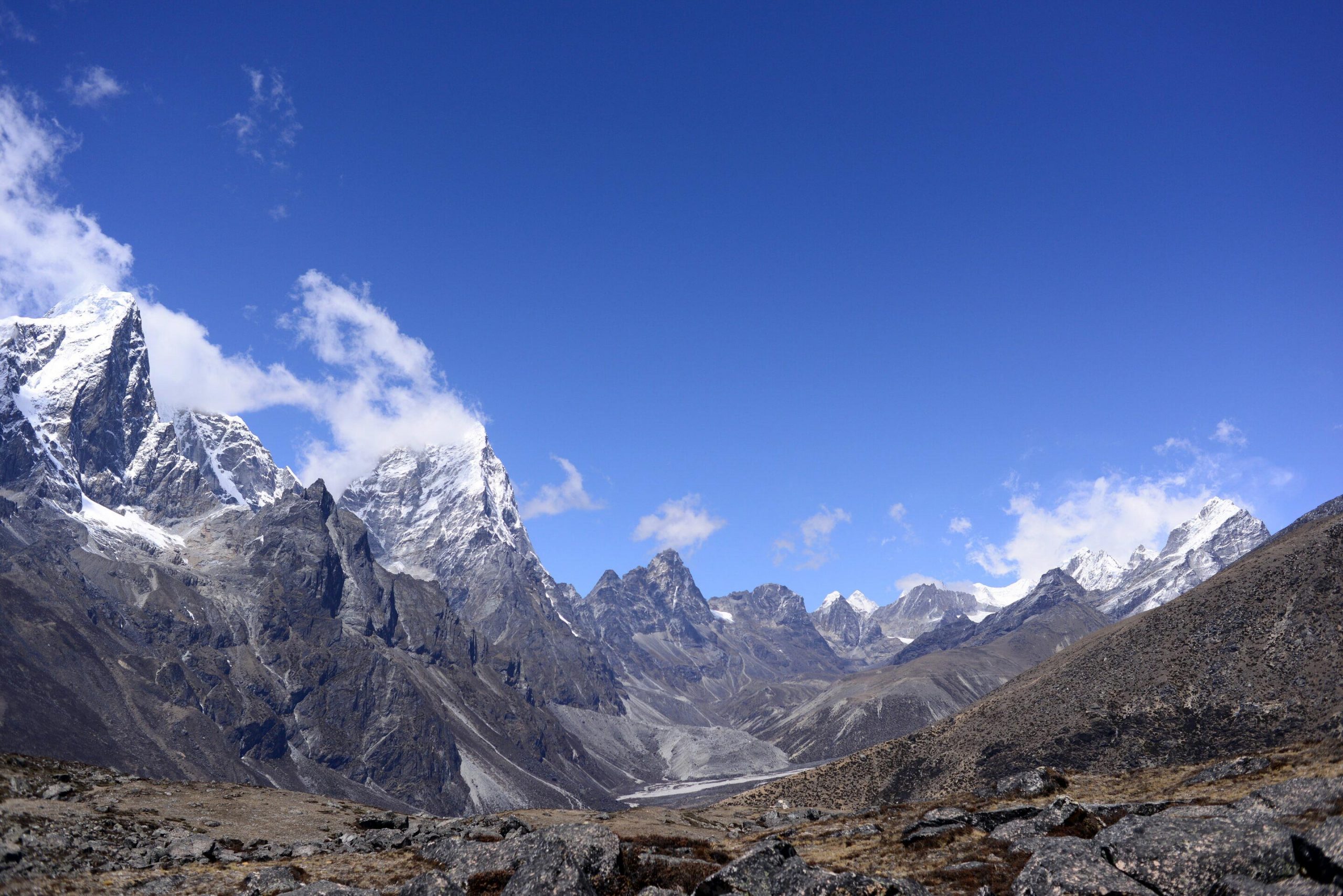
    View Towards Khumbu and Cholatse
    View towards Khumbu and Cholatse from below Ama Dablam at about 4,900 m showing typical subnival vegetation in the foreground. Credit: Karen Anderson

    New research shows plant life is expanding in the area around Mount Everest, and across the Himalayan region.

    Scientists used satellite data to measure the extent of subnival vegetation — plants growing between the treeline and snowline — in this vast area.

    Little is known about these remote, hard-to-reach ecosystems, made up of short-stature plants (predominantly grasses and shrubs) and seasonal snow, but the study reveals they cover between 5 and 15 times the area of permanent glaciers and snow.

    Using data from 1993 to 2018 from NASA’s Landsat satellites, University of Exeter researchers measured small but significant increases in subnival vegetation cover across four height brackets from 4,150-6,000 meters (13,600-19,700 feet) above sea level.
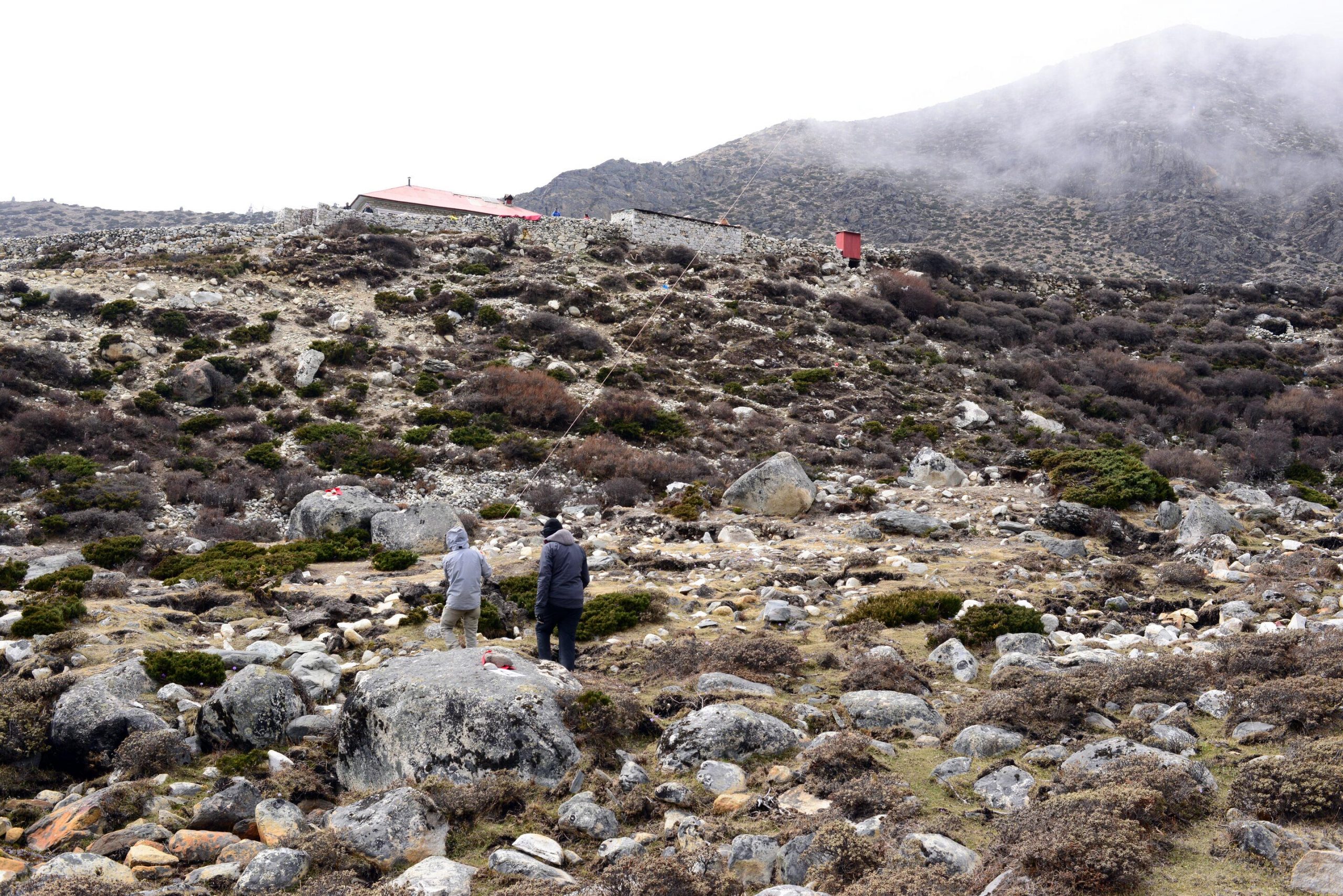
    Scrubby Vegetation Near Nepalese Village Dingboche
    Scrubby vegetation near the Nepalese village of Dingboche about 4,400 m above sea level. Credit: Karen Anderson

    Results varied at different heights and locations, with the strongest trend in increased vegetation cover in the bracket 5,000-5,500m (16,400-18,000f).

    Around Mount Everest, the team found a significant increase in vegetation in all four height brackets. Conditions at the top of this height range have generally been considered to be close to the limit of where plants can grow.

    Though the study doesn’t examine the causes of the change, the findings are consistent with modeling that shows a decline in “temperature-limited areas” (where temperatures are too low for plants to grow) across the Himalayan region due to global warming.

    Other research has suggested Himalayan ecosystems are highly vulnerable to climate-induced vegetation shifts.
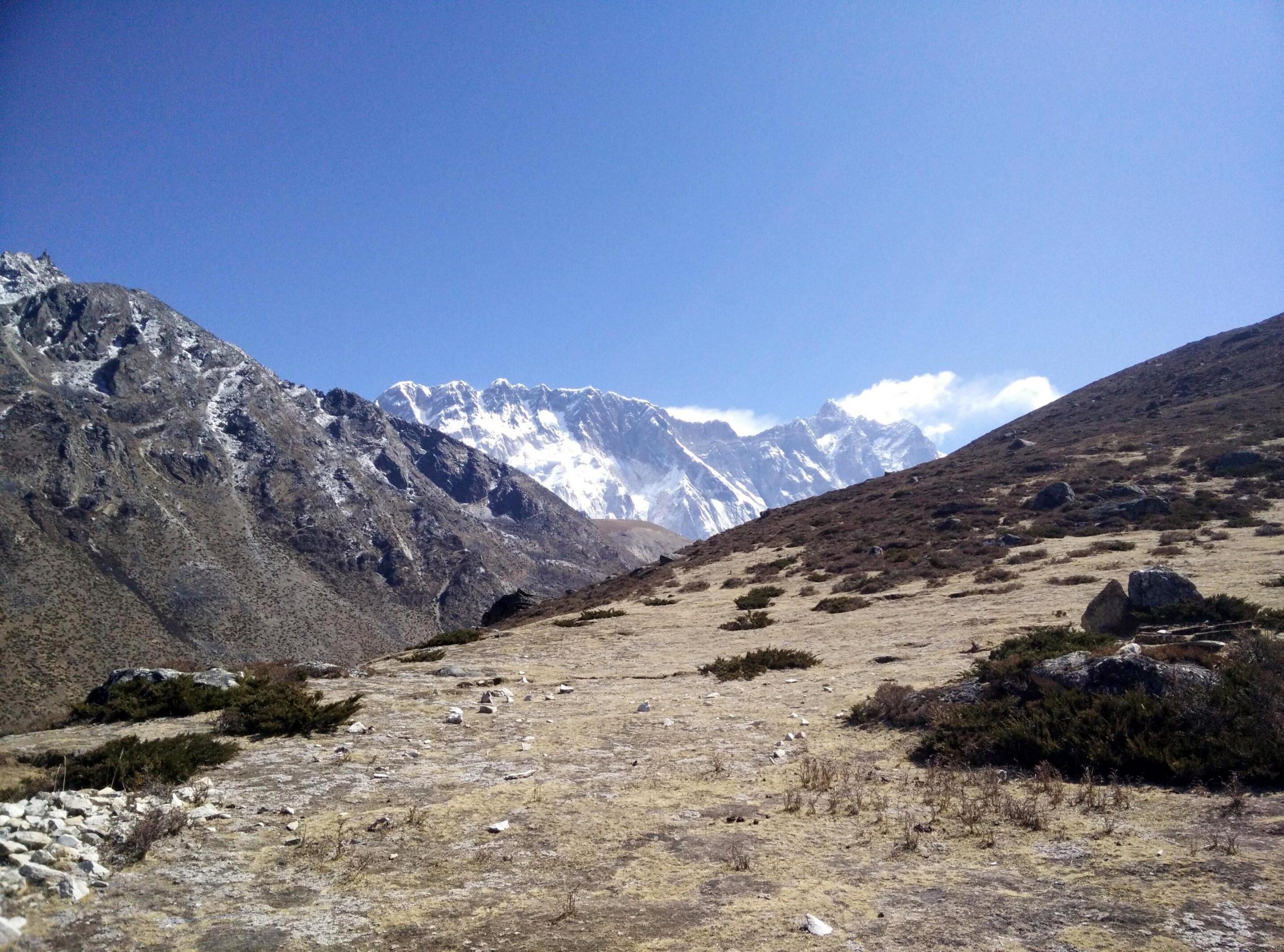
    Subnival Vegetation in the Himalayan Region

    “A lot of research has been done on ice melting in the Himalayan region, including a study that showed how the rate of ice loss doubled between 2000 and 2016,” said Dr. Karen Anderson, of the Environment and Sustainability Institute on Exeter’s Penryn Campus in Cornwall.

    “It’s important to monitor and understand ice loss in major mountain systems, but subnival ecosystems cover a much larger area than permanent snow and ice and we know very little about them and how they moderate water supply.

    “Snow falls and melts here seasonally, and we don’t know what impact changing subnival vegetation will have on this aspect of the water cycle — which is vital because this region (known as ‘Asia’s water towers’) feeds the ten largest rivers in Asia.”

    Dr. Anderson said “some really detailed fieldwork” and further validation of these findings is now required to understand how plants in this high-altitude zone interact with soil and snow.

    Dominic Fawcett, who coded the image processing, said: “These large-scale studies using decades of satellite data are computationally intensive because the file sizes are huge. We can now do this relatively easily on the cloud by using Google Earth Engine, a new and powerful tool freely available to anyone, anywhere.”

    The Hindu Kush Himalayan region extends across all or part of eight countries, from Afghanistan in the west to Myanmar in the east. More than 1.4 billion people depend on water from catchments emanating here.

    The paper, published in the journal Global Change Biology, is entitled: “Vegetation expansion in the subnival Hindu Kush Himalaya.”

    Reference: “Vegetation expansion in the subnival Hindu Kush Himalaya” by Karen Anderson, Dominic Fawcett, Anthony Cugulliere, Sophie Benford, Darren Jones and Ruolin Leng, 9 January 2020, Global Change Biology.
    DOI: 10.1111/gcb.14919

    Never miss a breakthrough: Join the SciTechDaily newsletter.
    Follow us on Google and Google News.

    Biodiversity Climate Change Plant Science University of Exeter
    Share. Facebook Twitter Pinterest LinkedIn Email Reddit

    Related Articles

    “The Future Is Fungal” – A New Era for Boreal Biodiversity

    Disappearing Glaciers Puts Alpine Plants at Risk of Extinction

    Climate Change Drives Babbler Birds Into “Ecological Trap”

    Larger Trees More Likely to Die From Drought in the Amazon – Small Trees Offer Hope for Rainforests

    Climate Could Cause Abrupt British Vegetation Changes According to High Resolution Study

    Long-Living Tropical Trees Play Much Larger Role in Carbon Storage Than Previously Thought

    Nearly 40% of Global Species Are Very Rare, at Risk for Extinction From Climate Change

    Phenological Index – Tool to Understand How Ecosystems Are Responding to a Changing Climate

    Biodiversity on Earth Increases With Global Warming

    Leave A Reply Cancel Reply

    • Facebook
    • Twitter
    • Pinterest
    • YouTube

    Don't Miss a Discovery

    Subscribe for the Latest in Science & Tech!

    Trending News

    Breakthrough Bowel Cancer Trial Leaves Patients Cancer-Free for Nearly 3 Years

    Natural Compound Shows Powerful Potential Against Rheumatoid Arthritis

    100,000-Year-Old Neanderthal Fossils in Poland Reveal Unexpected Genetic Connections

    Simple “Gut Reset” May Prevent Weight Gain After Ozempic or Wegovy

    2.8 Days to Disaster: Scientists Warn Low Earth Orbit Could Suddenly Collapse

    Common Food Compound Shows Surprising Power Against Superbugs

    5 Simple Ways To Remember More and Forget Less

    The Atomic Gap That Could Cost the Semiconductor Industry Billions

    Follow SciTechDaily
    • Facebook
    • Twitter
    • YouTube
    • Pinterest
    • Newsletter
    • RSS
    SciTech News
    • Biology News
    • Chemistry News
    • Earth News
    • Health News
    • Physics News
    • Science News
    • Space News
    • Technology News
    Recent Posts
    • After 37 Years, the World’s Longest-Running Soil Warming Experiment Uncovers a Startling Climate Secret
    • NASA Satellite Captures First-Ever High-Res View of Massive Pacific Tsunami
    • ADHD Isn’t Just a Deficit: Study Reveals Powerful Hidden Strengths
    • Scientists Uncover “Astonishing” Hidden Property of Light
    • Scientists Discover Stem Cells That Could Regrow Teeth and Bone
    Copyright © 1998 - 2026 SciTechDaily. All Rights Reserved.
    • Science News
    • About
    • Contact
    • Editorial Board
    • Privacy Policy
    • Terms of Use

    Type above and press Enter to search. Press Esc to cancel.