
Close Menu
    Facebook X (Twitter) Instagram
    SciTechDaily
    • Biology
    • Chemistry
    • Earth
    • Health
    • Physics
    • Science
    • Space
    • Technology
    Facebook X (Twitter) Pinterest YouTube RSS
    SciTechDaily
    Home»Biology»Plant Used in Traditional Chinese Medicine Evolves to Become Less Visible to Humans
    Biology

    Plant Used in Traditional Chinese Medicine Evolves to Become Less Visible to Humans

    By University of ExeterNovember 21, 20201 Comment3 Mins Read
    Facebook Twitter Pinterest Telegram LinkedIn WhatsApp Email Reddit
    Share
    Facebook Twitter LinkedIn Pinterest Telegram Email Reddit
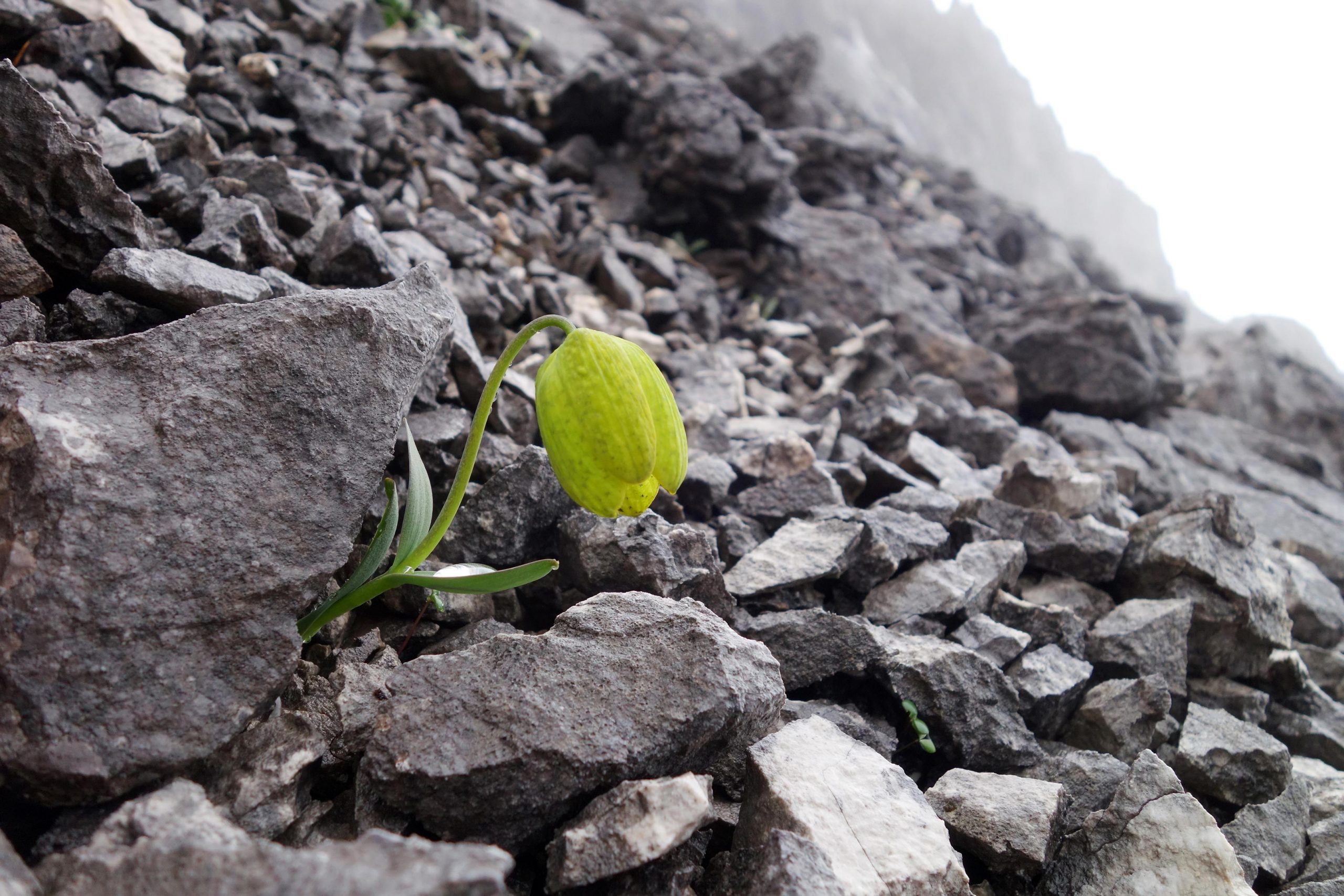
    Fritillaria delavayi Low Harvest Pressure
    Fritillaria delavayi in a population with low harvest pressure. Credit: Yang Niu

    A plant used in traditional Chinese medicine has evolved to become less visible to humans, new research shows.

    Scientists found that Fritillaria delavayi plants, which live on rocky slopes of China’s Hengduan mountains, match their backgrounds most closely in areas where they are heavily harvested.

    This suggests humans are “driving” evolution of this species into new color forms because better-camouflaged plants have a higher chance of survival.
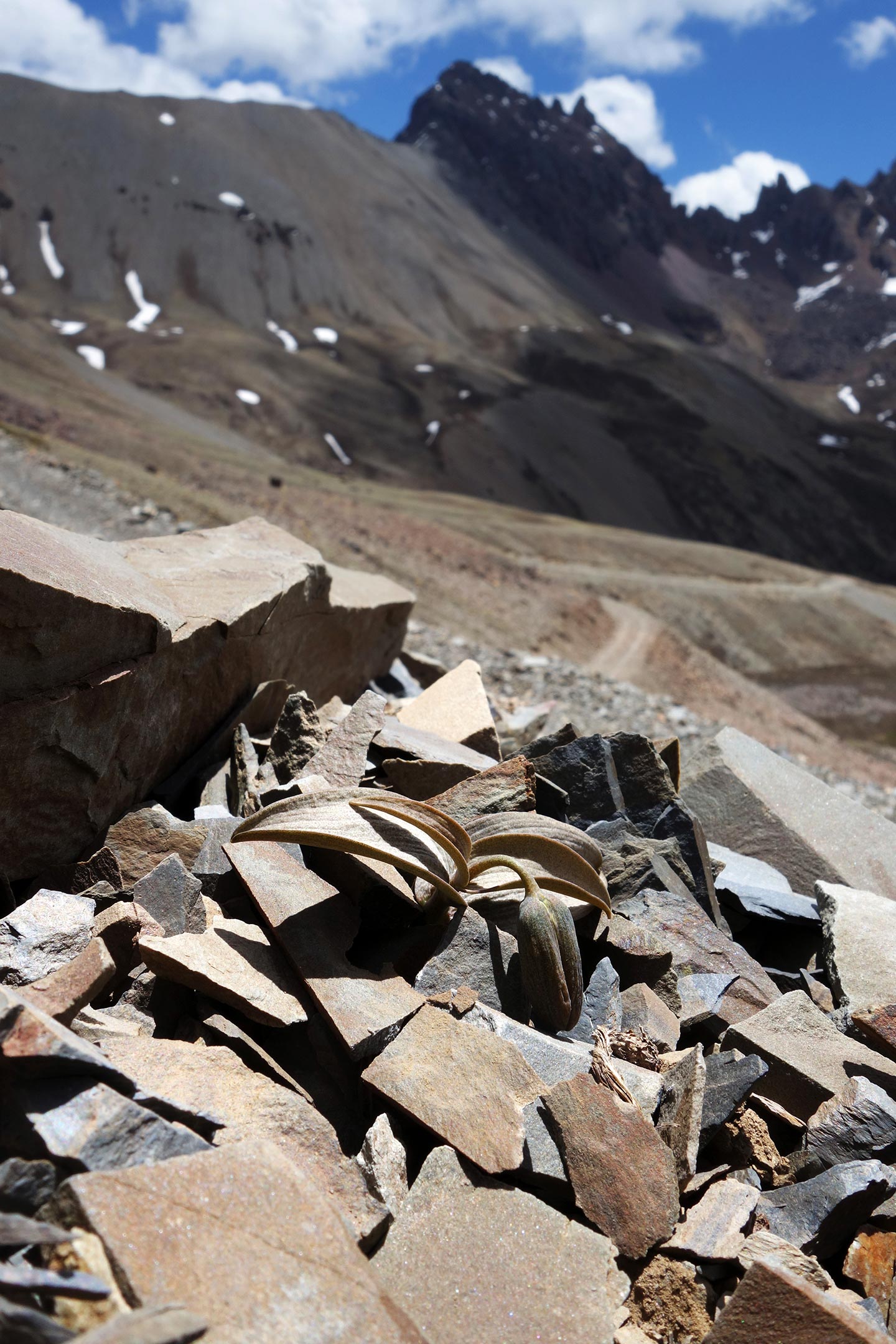
    Fritillaria delavayi High Harvest Pressure
    Fritillaria delavayi in a population with high harvest pressure. Credit: Yang Niu

    The study was carried out by the Kunming Institute of Botany (Chinese Academy of Sciences) and the University of Exeter.

    “It’s remarkable to see how humans can have such a direct and dramatic impact on the coloration of wild organisms, not just on their survival but on their evolution itself,” said Professor Martin Stevens, of the Centre for Ecology and Conservation on Exeter’s Penryn Campus in Cornwall.

    “Many plants seem to use camouflage to hide from herbivores that may eat them – but here we see camouflage evolving in response to human collectors.

    “It’s possible that humans have driven evolution of defensive strategies in other plant species, but surprisingly little research has examined this.”

    In the new study, the researchers measured how closely plants from different populations matched their mountain environment and how easy they were to collect, and spoke to local people to estimate how much harvesting took place in each location.

    They found that the level of camouflage in the plants was correlated with harvesting levels.

    In a computer experiment, more-camouflaged plants also took longer to be detected by people.

    Fritillaria delavayi is a perennial herb that has leaves – varying in color from grey to brown to green – at a young age, and produces a single flower per year after the fifth year.

    The bulb of the fritillary species has been used in Chinese medicine for more than 2,000 years, and high prices in recent years have led to increased harvesting.
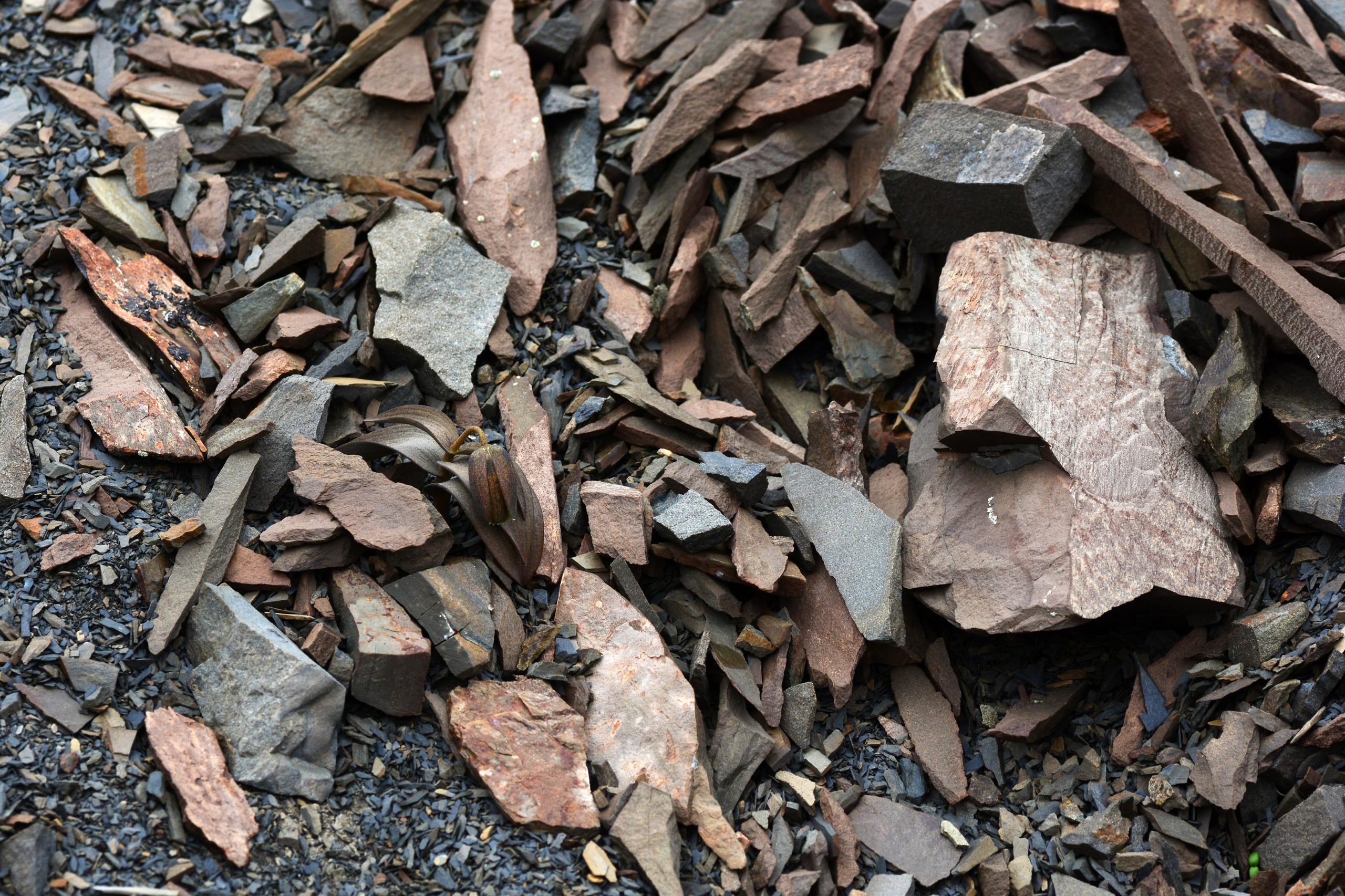
    Fritillaria delavayi
    Fritillaria delavayi in a population with high harvest pressure. Credit: Yang Niu

    “Like other camouflaged plants we have studied, we thought the evolution of camouflage of this fritillary had been driven by herbivores, but we didn’t find such animals,” said Dr. Yang Niu, of the Kunming Institute of Botany.

    “Then we realized humans could be the reason.”

    Professor Hang Sun, of the Kunming Institute of Botany, added: “Commercial harvesting is a much stronger selection pressure than many pressures in nature.

    “The current biodiversity status on the earth is shaped by both nature and by ourselves.”

    The research was funded by Chinese Academy of Sciences and National Natural Science Foundation of China.

    The paper, published in the journal Current Biology, is entitled: “Commercial harvesting has driven the evolution of camouflage in an alpine plant.”

    Reference: “Commercial Harvesting Has Driven the Evolution of Camouflage in an Alpine Plant” by Yang Niu, Martin Stevens and Hang Sun, 20 November 2020, Current Biology.
    DOI: 10.1016/j.cub.2020.10.078

    Never miss a breakthrough: Join the SciTechDaily newsletter.
    Follow us on Google and Google News.

    Ecology Evolution Genetics Plant Science University of Exeter
    Share. Facebook Twitter Pinterest LinkedIn Email Reddit

    Related Articles

    Climate Change Drives Babbler Birds Into “Ecological Trap”

    Genomes Offer New Insights Into Fascinating Fig-Wasp Symbiotic System

    World’s Largest Inventory of Known Plant Species Compiled by German Researchers

    Evolution Favors New Epidemic Diseases of “Intermediate” Severity

    Poop Is Full of Secrets: DNA in Fringe-Lipped Bat Poop Reveals Unexpected Eating Habits

    DNA Shows Plants Are Extraordinary Chemists – Making Love and War

    Intriguing Genetics That Flipped the Food Chain to Allow Carnivorous Plants to Hunt Animals

    1 Billion Years of Evolution Illuminated by Genetic Sequencing of 1,100 Plants

    Researchers Discover First-Known Hybrid Bird Species from the Amazon

    1 Comment

    1. The 10th Man on November 21, 2020 6:03 am

      I can imagine that just about every living thing in China wishes it could hide from the Chinese. They eat anything that moves right? Poor thing probably wants to move to Canada.

      Reply
    Leave A Reply Cancel Reply

    • Facebook
    • Twitter
    • Pinterest
    • YouTube

    Don't Miss a Discovery

    Subscribe for the Latest in Science & Tech!

    Trending News

    The Universe Is Expanding Too Fast and Scientists Can’t Explain Why

    “Like Liquid Metal”: Scientists Create Strange Shape-Shifting Material

    Early Warning Signals of Esophageal Cancer May Be Hiding in Plain Sight

    Common Blood Pressure Drug Shows Surprising Power Against Deadly Antibiotic-Resistant Superbug

    Scientists Uncover Dangerous Connection Between Serotonin and Heart Valve Disease

    Scientists Discover a “Protector” Protein That Could Help Reverse Hair Loss

    Bone-Strengthening Discovery Could Reverse Osteoporosis

    Scientists Uncover Hidden Trigger Behind Stem Cell Aging

    Follow SciTechDaily
    • Facebook
    • Twitter
    • YouTube
    • Pinterest
    • Newsletter
    • RSS
    SciTech News
    • Biology News
    • Chemistry News
    • Earth News
    • Health News
    • Physics News
    • Science News
    • Space News
    • Technology News
    Recent Posts
    • A Common Diabetes Drug May Hold the Key to Stopping HIV From Coming Back
    • Ancient “Syphilis-Like” Disease in Vietnam Challenges Key Scientific Assumptions
    • Drinking Alcohol To Cope in Your 20s Could Damage Your Brain for Life
    • Scientists Crack Alfalfa’s Chromosome Mystery After Decades of Debate
    • Ancient Ant-Plant Alliance Collapses As Predatory Wasps Move In
    Copyright © 1998 - 2026 SciTechDaily. All Rights Reserved.
    • Science News
    • About
    • Contact
    • Editorial Board
    • Privacy Policy
    • Terms of Use

    Type above and press Enter to search. Press Esc to cancel.