
The Study Showed That CRISPR Therapeutics Can Damage the Genome
The researchers caution: “The CRISPR genome editing method is very effective, but not always safe. Sometimes cleaved chromosomes do not recover and genomic stability is compromised – which in the long run might promote cancer.”
Using CRISPR therapeutics, a novel, Nobel Prize-winning technique that entails cleaving and editing DNA, to treat conditions including cancer, liver, and intestinal disorders, and genetic syndromes, comes with hazards, according to recent research from Tel Aviv University. Researchers looked at how this technique affected T-cells, which are white blood cells in the immune system, and found that up to 10% of the treated cells had lost genetic material. They explain that such loss may result in destabilization of the genome, which may result in cancer.
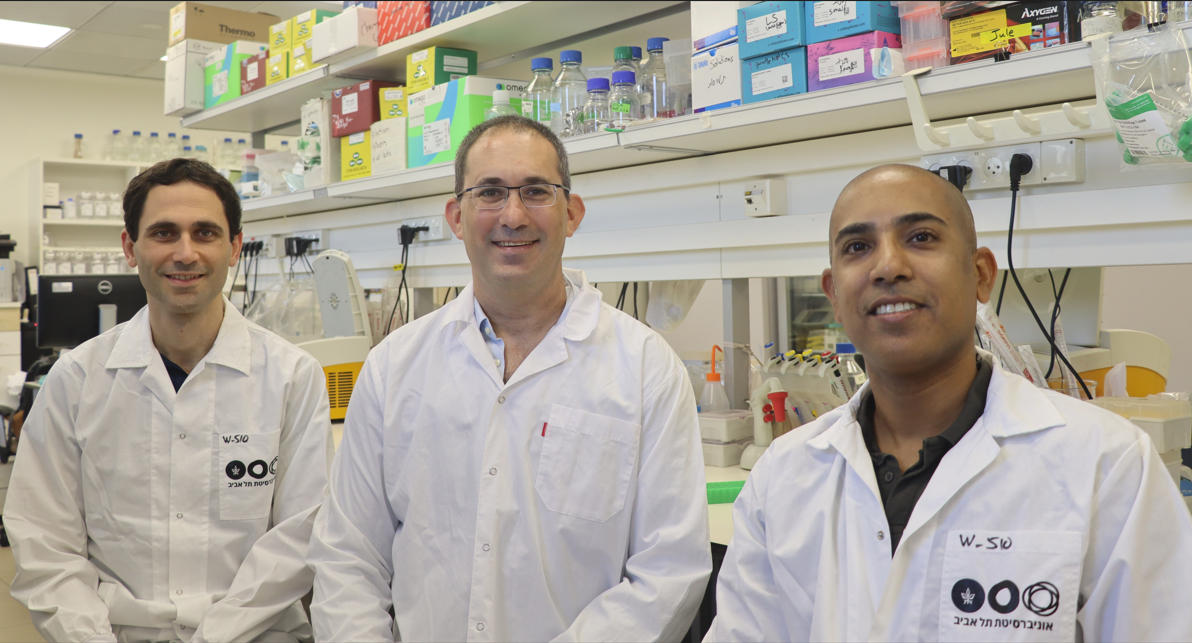
Dr. Adi Barzel of TAU’s Wise Faculty of Life Sciences and Dotan Center for Advanced Therapies led the study, which was a collaboration between the Tel Aviv Sourasky Medical Center (Ichilov) and Tel Aviv University, and Dr. Asaf Madi and Dr. Uri Ben-David of TAU’s Faculty of Medicine and Edmond J. Safra Center for Bioinformatics. The research was recently published in the prestigious scientific journal Nature Biotechnology.
CRISPR is a revolutionary technique for editing DNA that cleaves DNA sequences at specific locations to eliminate undesired segments or repair or introduce beneficial segments. The method, which was developed around a decade ago, has already proven to be quite successful in treating a variety of disorders, including cancer, liver disease, genetic syndromes, and more.
The first authorized clinical study to use CRISPR was conducted in 2020 at the University of Pennsylvania when researchers applied the technology to T-cells – white blood cells of the immune system. Using T-cells from a donor, scientists created an engineered receptor that targets cancer cells while using CRISPR to destroy genes coding for the original receptor, which would otherwise have prompted the T-cells to attack cells in the recipient’s body.
In the present study, the researchers sought to examine whether the potential benefits of CRISPR therapeutics might be offset by risks resulting from the cleavage itself, assuming that broken DNA is not always able to recover.
Findings Reveal Chromosomal Loss in T-Cells
Dr. Ben-David and his research associate Eli Reuveni explain: “The genome in our cells often breaks due to natural causes, but usually it is able to repair itself, with no harm done. Still, sometimes a certain chromosome is unable to bounce back, and large sections, or even the entire chromosome, are lost. Such chromosomal disruptions can destabilize the genome, and we often see this in cancer cells. Thus, CRISPR therapeutics, in which DNA is cleaved intentionally as a means for treating cancer, might, in extreme scenarios, actually promote malignancies.”
To examine the extent of potential damage, the researchers repeated the 2020 Pennsylvania experiment, cleaving the T-cells’ genome in exactly the same locations – chromosomes 2, 7, and 14 (of the human genome’s 23 pairs of chromosomes). Using a state-of-the-art technology called single-cell RNA sequencing they analyzed each cell separately and measured the expression levels of each chromosome in every cell.
In this way, a significant loss of genetic material was detected in some of the cells. For example, when Chromosome 14 had been cleaved, about 5% of the cells showed little or no expression of this chromosome. When all chromosomes were cleaved simultaneously, the damage increased, with 9%, 10%, and 3% of the cells unable to repair the break in chromosomes 14, 7, and 2 respectively. The three chromosomes did differ, however, in the extent of the damage they sustained.
Potential for Genome Destabilization and Cancer Risk
Dr. Madi and his student Ella Goldschmidt explain: “Single-cell RNA sequencing and computational analyses enabled us to obtain very precise results. We found that the cause for the difference in damage was the exact place of the cleaving on each of the three chromosomes. Altogether, our findings indicate that over 9% of the T-cells genetically edited with the CRISPR technique had lost a significant amount of genetic material. Such loss can lead to destabilization of the genome, which might promote cancer.”
Based on their findings, the researchers caution that extra care should be taken when using CRISPR therapeutics. They also propose alternative, less risky, methods, for specific medical procedures, and recommend further research into two kinds of potential solutions: reducing the production of damaged cells or identifying damaged cells and removing them before the material is administered to the patient.
Dr. Barzel and his Ph.D. student Alessio Nahmad conclude: “Our intention in this study was to shed light on potential risks in the use of CRISPR therapeutics. We did this even though we are aware of the technology’s substantial advantages. In fact, in other studies, we have developed CRISPR-based treatments, including a promising therapy for AIDS. We have even established two companies – one using CRISPR and the other deliberately avoiding this technology. In other words, we advance this highly effective technology, while at the same time cautioning against its potential dangers. This may seem like a contradiction, but as scientists, we are quite proud of our approach, because we believe that this is the very essence of science: we don’t ‘choose sides.’ We examine all aspects of an issue, both positive and negative, and look for answers.”
Reference: “Frequent aneuploidy in primary human T cells after CRISPR–Cas9 cleavage” by Alessio David Nahmad, Eli Reuveni, Ella Goldschmidt, Tamar Tenne, Meytal Liberman, Miriam Horovitz-Fried, Rami Khosravi, Hila Kobo, Eyal Reinstein, Asaf Madi, Uri Ben-David and Adi Barzel, 30 June 2022, Nature Biotechnology.
DOI: 10.1038/s41587-022-01377-0
Never miss a breakthrough: Join the SciTechDaily newsletter.
Follow us on Google and Google News.