
Close Menu
    Facebook X (Twitter) Instagram
    SciTechDaily
    • Biology
    • Chemistry
    • Earth
    • Health
    • Physics
    • Science
    • Space
    • Technology
    Facebook X (Twitter) Pinterest YouTube RSS
    SciTechDaily
    Home»Science»Rabbit Pain Can Be Assessed Through Grimace Scale
    Science

    Rabbit Pain Can Be Assessed Through Grimace Scale

    By SciTechDailySeptember 10, 2012No Comments2 Mins Read
    Facebook Twitter Pinterest Telegram LinkedIn WhatsApp Email Reddit
    Share
    Facebook Twitter LinkedIn Pinterest Telegram Email Reddit
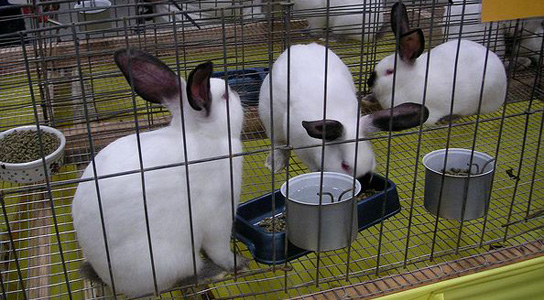
    rabbits-in-cage
    Rabbits can express pain through facial grimaces.

    Rabbits are able to express pain through grimaces. Rabbits have become the latest focus of scientists trying to measure animal discomfort by monitoring facial expressions. Traditionally, researchers had to rely on after-the-fact measurements involving weight loss or food and water consumption, as well as subjective judgments done by the researchers themselves.

    Scientists have been able to adapt the earlier discovered mouse grimace scale to rabbits. Matthew Leach, an animal welfare researcher at Newcastle University in the UK, has been working on the various pain expressions in different animals. He’s been able to develop a rabbit grimace scale. The findings were published in the journal PLoS One.
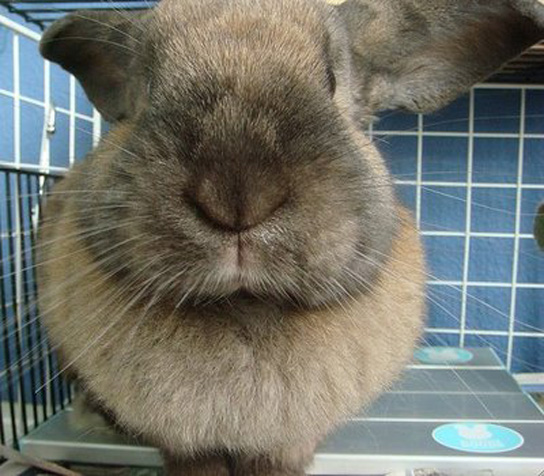
    rabbit-whiskers

    The scale relies on scores, such as narrowing of the eyes and bulging of the cheeks, varying from 0 and 2. The combined score indicates the total amount of pain. The scale, which was initially developed for mice, was quickly adopted by veterinarians to assess post-operative pain among animals.

    The rabbit grimace scale was prompted by the Swedish government, which wanted to assess how painful ear tattooing was. The procedure is commonly used to identify animals in agriculture and breeding shows.

    As expected, the rabbit scale has a significant overlap with the existing mouse and rat scales. Scores for rabbits tattooed without anesthetic averaged 4 after the procedure, whereas before treatment, after sham treatment, and after treatment with a local anesthetic, the scores averages less than 2. A difference of at least 2 is a significant result in this study.

    The team is now working on scales for rhesus macaques, as well as collaborating on scales for lambs, horses, and pigs.

    Reference: “Evaluation of EMLA Cream for Preventing Pain during Tattooing of Rabbits: Changes in Physiological, Behavioural and Facial Expression Responses” by Stephanie C. J. Keating, Aurelie A. Thomas, Paul A. Flecknell and Matthew C. Leach, 7 September 2012, PLoS One.
    DOI: 10.1371/journal.pone.0044437

    Never miss a breakthrough: Join the SciTechDaily newsletter.
    Follow us on Google and Google News.

    Animals Genetics Pain Management Rabbit
    Share. Facebook Twitter Pinterest LinkedIn Email Reddit

    Related Articles

    Transgenic Animal Research Lacks Funding & Approval in the USA

    Growing Genetically Engineered Stingrays for Footwear Raises Ethical Concerns

    Examining the Genes of Stone Age Farmers

    Stickleback Fish Used Pre-Existing Genes to Go from Saltwater to Freshwater Environments

    Genetic Clues to Van Gogh’s Teddy Bear Sunflower Florets Uncovered

    Noise Affects More Than Just Your Ears

    Massages Change Gene Expression and Reduce Inflammation

    Researchers Use Genetic Programming to Figure out What Tastes Good

    Dingo Solves Complex Problem, Moves Furniture to Reach Food

    Leave A Reply Cancel Reply

    • Facebook
    • Twitter
    • Pinterest
    • YouTube

    Don't Miss a Discovery

    Subscribe for the Latest in Science & Tech!

    Trending News

    One of the Universe’s Largest Stars May Be Getting Ready To Explode

    Scientists Discover Enzyme That Could Supercharge Ozempic-Like Weight Loss Drugs

    Popular Sweetener Linked to DNA Damage – “It’s Something You Should Not Be Eating”

    Ancient “Rock” Microbes May Reveal How Complex Life Began

    Researchers Capture Quantum Interference in One of Nature’s Rarest Atoms

    “A Plague Is Upon Us”: The Mass Death That Changed an Ancient City Forever

    Scientists Discover Game-Changing New Way To Treat High Cholesterol

    This Small Change to Your Exercise Routine Could Be the Secret to Living Longer

    Follow SciTechDaily
    • Facebook
    • Twitter
    • YouTube
    • Pinterest
    • Newsletter
    • RSS
    SciTech News
    • Biology News
    • Chemistry News
    • Earth News
    • Health News
    • Physics News
    • Science News
    • Space News
    • Technology News
    Recent Posts
    • New Research Uncovers Hidden Side Effects of Popular Weight-Loss Drugs
    • Scientists Rethink Extreme Warming After Surprising Ocean Discovery
    • The Surprising Role of Asteroids in the Origin of Life
    • Scientists Raise Concerns Over Newly Recognized Pollutant Found Everywhere in the Air
    • New Study Challenges 40-Year Puzzle About Childhood Body Fat
    Copyright © 1998 - 2026 SciTechDaily. All Rights Reserved.
    • Science News
    • About
    • Contact
    • Editorial Board
    • Privacy Policy
    • Terms of Use

    Type above and press Enter to search. Press Esc to cancel.