
Close Menu
    Facebook X (Twitter) Instagram
    SciTechDaily
    • Biology
    • Chemistry
    • Earth
    • Health
    • Physics
    • Science
    • Space
    • Technology
    Facebook X (Twitter) Pinterest YouTube RSS
    SciTechDaily
    Home»Technology»AI-Driven Dynamic Face Mask Adapts To Exercise and Pollution Levels
    Technology

    AI-Driven Dynamic Face Mask Adapts To Exercise and Pollution Levels

    By American Chemical SocietySeptember 29, 2021No Comments3 Mins Read
    Facebook Twitter Pinterest Telegram LinkedIn WhatsApp Email Reddit
    Share
    Facebook Twitter LinkedIn Pinterest Telegram Email Reddit
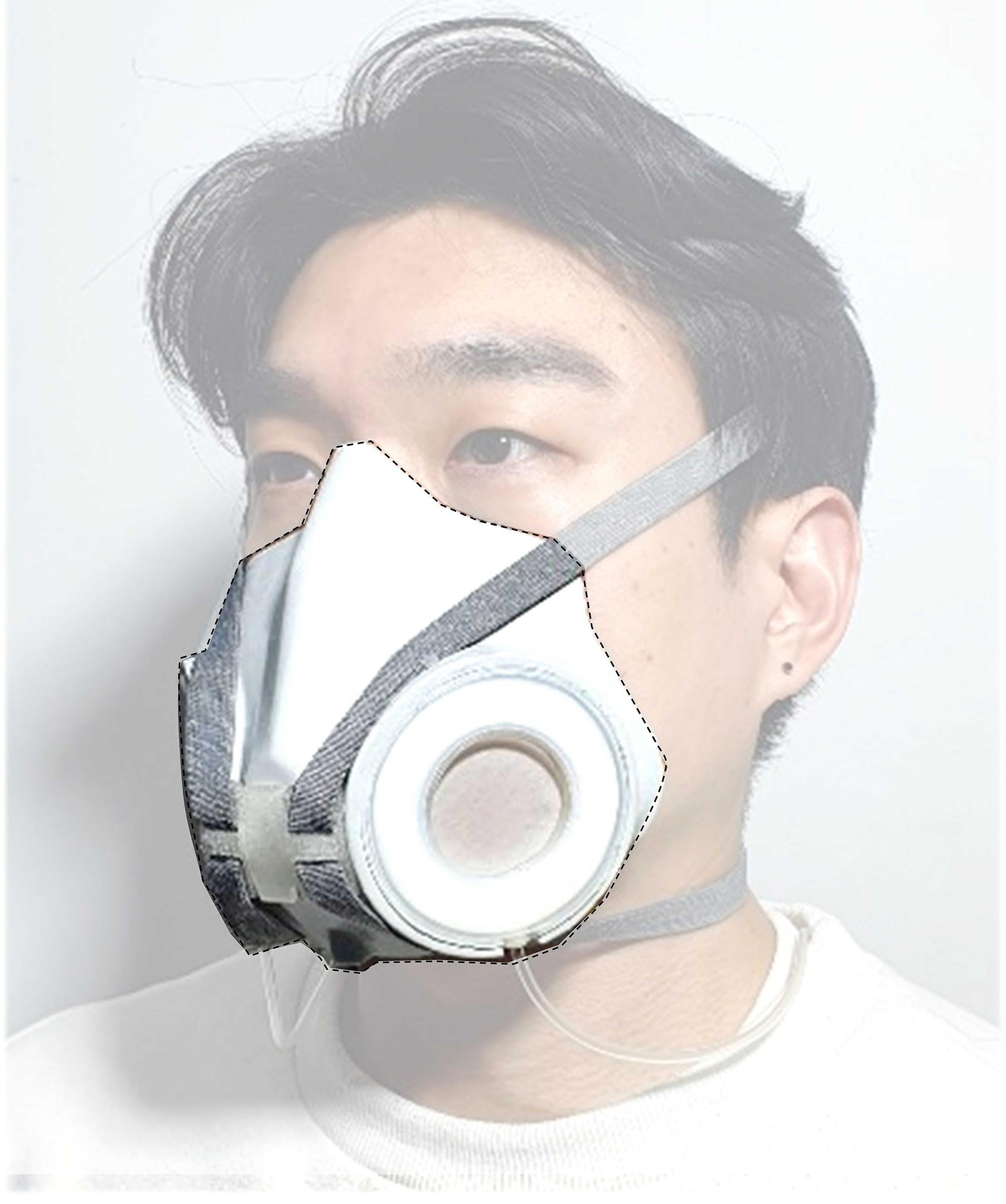
    AI-Driven Dynamic Face Mask
    A dynamic respirator changes its pore size in response to changing conditions, making it easier for the wearer to breathe; clear tubing connects the mask to a portable device that communicates with a computer. Credit: Adapted from ACS Nano 2021, DOI: 10.1021/acsnano.1c06204

    A new AI-powered respirator adjusts pore size based on breathing and air quality, offering more comfort with nearly unchanged filtration.

    During the coronavirus pandemic, many people have grown accustomed to wearing face masks to protect themselves and others, but that doesn’t mean the masks are always comfortable — especially during exercise. Now, researchers reporting in ACS Nano have developed a dynamic respirator that modulates its pore size in response to changing conditions, such as exercise or air pollution levels, allowing the wearer to breathe easier when the highest levels of filtration are not required.

    Face masks protect against the spread of the virus that causes COVID-19, but they are also worn by people with respiratory problems to filter out harmful pollutants. However, in some circumstances, high levels of filtration aren’t needed, such as when air pollution levels are low, or when someone is exercising outdoors alone — which is generally considered a low-risk activity for spreading COVID-19. But current masks can’t adjust to changing conditions.

    With time, the trapped, exhaled breath can create sensations of heat, humidity, bad breath, and discomfort, especially as more breath gets exhaled during exercise. Seung Hwan Ko and colleagues wanted to make a respirator that could automatically adjust its filtration characteristics in response to changing conditions.

    The researchers developed a dynamic air filter with micropores that expand when the filter is stretched, allowing more air to pass through. A large increase in the breathability of the filter, which was made of electrospun nanofibers, was achieved with only about a 6% loss in filtration efficiency.

    AI-Controlled Device Personalizes Filtration

    The team then placed a stretcher around the filter that was connected to a lightweight, portable device containing a sensor, air pump, and microcontroller chip. The device communicates wirelessly with an external computer running artificial intelligence (AI) software that reacts to particulate matter in the air, as well as changes in the wearer’s respiratory patterns during exercise. Two of the filters were placed on each side of a face mask and tested on human volunteers. The stretcher correctly generated a smaller increase in pore size when a volunteer exercised in a polluted atmosphere than when they exercised in clean air

    Notably, the AI software allows the respirator to adapt to individuals’ unique respiratory characteristics, which could be used to develop a personalized face mask, the researchers say.

    To make the system smaller, lighter, and less cumbersome, the stretcher could eventually be redesigned to have a pump-free mechanism, they add.

    Reference: “Dynamic Pore Modulation of Stretchable Electrospun Nanofiber Filter for Adaptive Machine Learned Respiratory Protection” by Jaeho Shin, Seongmin Jeong, Jinmo Kim, Yun Young Choi, Joonhwa Choi, Jae Gun Lee, Seongyoon Kim, Munju Kim, Yoonsoo Rho, Sukjoon Hong, Jung-Il Choi, Costas P. Grigoropoulos and Seung Hwan Ko,  29 September 2021, ACS Nano.
    DOI: 10.1021/acsnano.1c06204

    The authors acknowledge funding from the National Research Foundation of Korea.

    Never miss a breakthrough: Join the SciTechDaily newsletter.
    Follow us on Google and Google News.

    American Chemical Society Artificial Intelligence COVID-19 Exercise Infectious Diseases Machine Learning Nanotechnology Pollution Public Health
    Share. Facebook Twitter Pinterest LinkedIn Email Reddit

    Related Articles

    Hair Regeneration: AI Helps Design Baldness Treatment That Works Better Than Testosterone or Minoxidil

    Machine Learning AI Can Predict COVID-19 Survival From Single Blood Test

    MIT Quantum COVID Sensor May Offer Faster, Cheaper, and More Accurate Detection of SARS-CoV-2

    Stopping the Airborne Spread of COVID-19: Nanofiber Filter Captures Almost 100% of Coronavirus Aerosols

    Centrifugal Multispun Nanofibers Put an Effective New Spin on COVID-19 Masks

    Copper Foam Is Highly Efficient, Durable as a Filter for Reusable Masks and Air Cleaners

    COVID-19 Coronavirus Breathalyzer Test Developed

    New COVID-19 Test Accurately Detects Viral DNA in Minutes

    New Artificial Intelligence Device Identifies Objects at the Speed of Light

    Leave A Reply Cancel Reply

    • Facebook
    • Twitter
    • Pinterest
    • YouTube

    Don't Miss a Discovery

    Subscribe for the Latest in Science & Tech!

    Trending News

    Popular Sugar-Free Sweetener Linked to Liver Disease, Study Warns

    What Is Hantavirus? The Deadly Disease Raising Alarm Worldwide

    Scientists Just Discovered How the Universe Builds Monster Black Holes

    Scientists Unveil New Treatment Strategy That Could Outsmart Cancer

    A Simple Vitamin May Hold the Key to Treating Rare Genetic Diseases

    Scientists Think the Real Fountain of Youth May Be Hiding in Your Gut

    Ravens Don’t Follow Wolves, They Predict Them

    This Common Knee Surgery May Be Doing More Harm Than Good

    Follow SciTechDaily
    • Facebook
    • Twitter
    • YouTube
    • Pinterest
    • Newsletter
    • RSS
    SciTech News
    • Biology News
    • Chemistry News
    • Earth News
    • Health News
    • Physics News
    • Science News
    • Space News
    • Technology News
    Recent Posts
    • Why Are So Many New Fathers Dying? Scientists Say the U.S. Has a Dangerous Blind Spot
    • Scientists Identify Simple Supplement That Greatly Reduces Alzheimer’s Damage
    • You May Have a Dangerous Type of Cholesterol Even if Your Tests Look Normal
    • Study Reveals Dangerous Flaw in AI Symptom Checkers
    • New MRI Breakthrough Captures Stunningly Clear Images of the Eye and Brain
    Copyright © 1998 - 2026 SciTechDaily. All Rights Reserved.
    • Science News
    • About
    • Contact
    • Editorial Board
    • Privacy Policy
    • Terms of Use

    Type above and press Enter to search. Press Esc to cancel.