
Close Menu
    Facebook X (Twitter) Instagram
    SciTechDaily
    • Biology
    • Chemistry
    • Earth
    • Health
    • Physics
    • Science
    • Space
    • Technology
    Facebook X (Twitter) Pinterest YouTube RSS
    SciTechDaily
    Home»Biology»Rats Can Smell Hunger on Other Rats – Give More Generously to Those in Need
    Biology

    Rats Can Smell Hunger on Other Rats – Give More Generously to Those in Need

    By PLOSMarch 24, 2020No Comments2 Mins Read
    Facebook Twitter Pinterest Telegram LinkedIn WhatsApp Email Reddit
    Share
    Facebook Twitter LinkedIn Pinterest Telegram Email Reddit

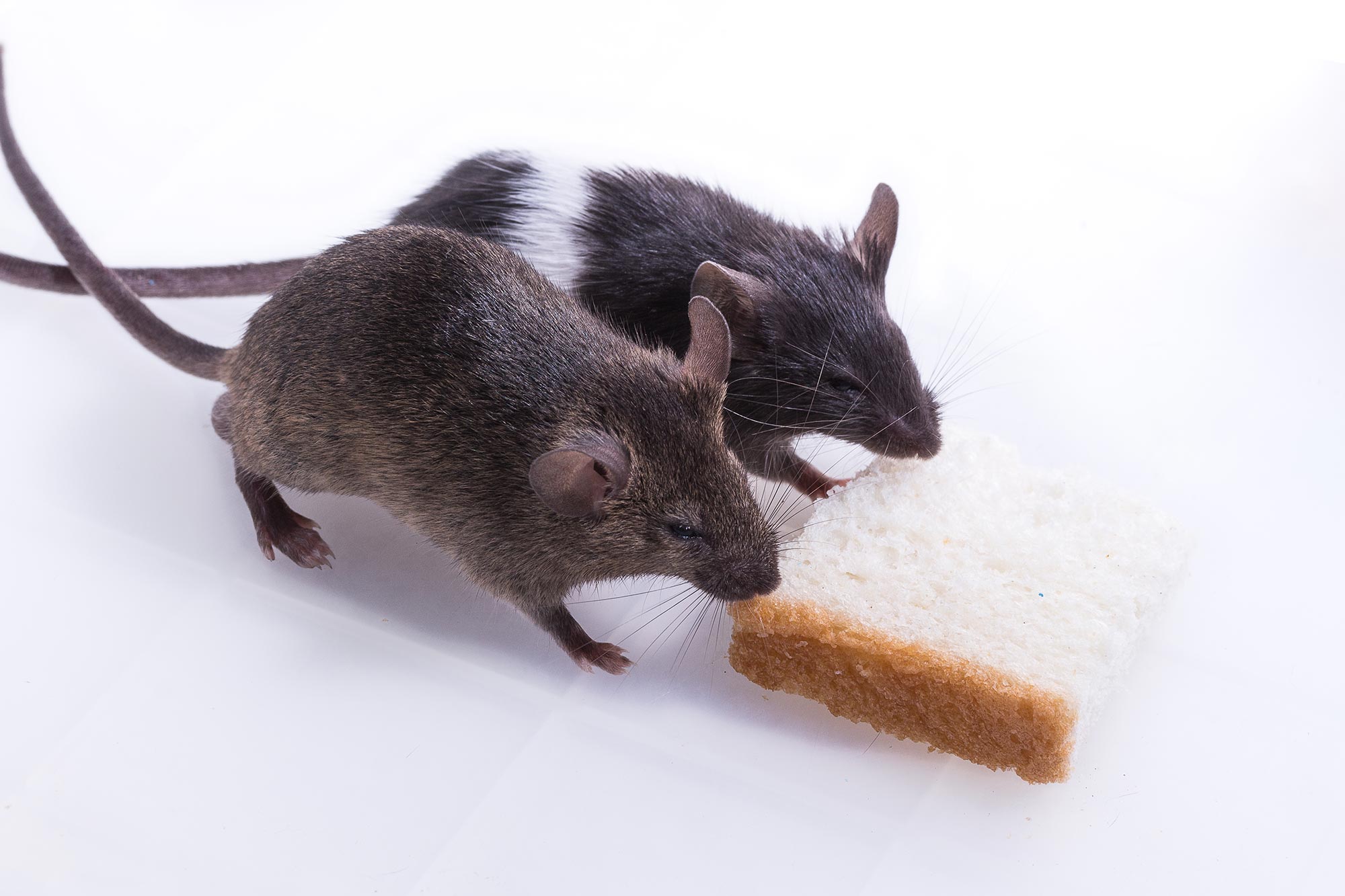
    Lab Rats Share Food

    How do animals that help their brethren manage to prioritize those most in need? A study publishing March 24, 2020, in the open-access journal PLOS Biology by Karin Schneeberger and colleagues of the Universities of Bern in Switzerland and Potsdam in Germany, shows that rats can use odor cues alone to determine how urgently to provide food assistance to other rats in need.

    Reciprocal cooperation among unrelated individuals is widespread in the animal kingdom. For example, Norway rats (Rattus norvegicus) exchange food reciprocally and take into account both the cost of helping and the potential benefit to the receiver. Rats show their need for food through solicitation, which increases the chances they will receive help. But communication through calls and gestures may not honestly reflect the actual need of the recipient, and might instead be used to trick a potential donor into helping. In the new study, Schneeberger and colleagues used Norway rats to investigate odor as a potentially “honest cue” by which prospective donors can assess others’ need for food.
    Rats Give Generously Response Smell Hunger
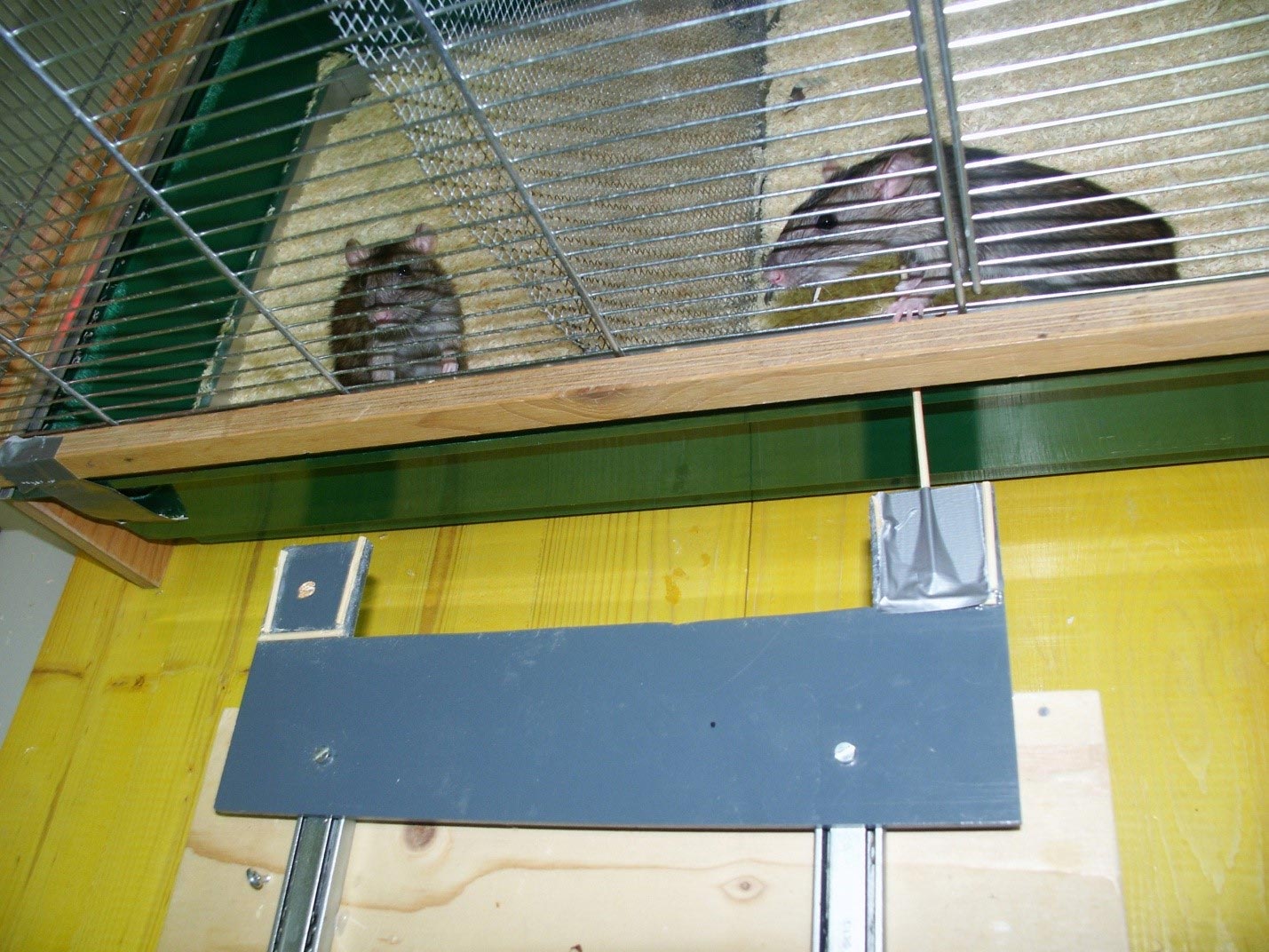
    One rat (right) pulls a tray toward the cage, thereby providing access to food (an oat flake) to the social partner (left) in the other cage compartment. Credit: Res Schmid

    The researchers provided rats with odor cues from hungry or well-fed rats located in a different room. They found that the rats were quicker to provide help (by pulling a food tray within reaching distance of another rat) when they received odor cues from a hungry rat than from a well-fed one.

    The authors then analyzed the air from around the rats, revealing seven different volatile organic chemicals that differed significantly in their abundance between hungry and satiated rats. According to the authors, the olfactory cues may result directly from recently ingested food sources, from metabolic processes involved in digestion, or from a putative pheromone that indicates hunger. This “smell of hunger” can serve as a reliable cue of need in reciprocal cooperation, supporting the hypothesis of honest signaling.

    The authors add: “Rats donate food preferably to social partners in urgent need.”

    Reference: “The smell of hunger: Norway rats provision social partners based on odour cues of need” by Karin Schneeberger, Gregory Röder and Michael Taborsky, 24 March 2020, PLOS Biology.
    DOI: 10.1371/journal.pbio.3000628

    Never miss a breakthrough: Join the SciTechDaily newsletter.
    Follow us on Google and Google News.

    Behavioral Science PLOS
    Share. Facebook Twitter Pinterest LinkedIn Email Reddit

    Related Articles

    This Brain Experiment Made People Choose Others Over Themselves

    Steering Evolution in a Better Direction: Game Theory and Economics Show How

    Wild Animals Lose Fear of Predators Quickly After They Start Encountering Humans

    Cognitive Decline in Aging Pet Dogs Not Impacted by Diet or Prior Training

    Brain Scans Help Predict Whether Patients Will Respond to Therapy

    Odor Processing Function of Fly Resembles Mammalian Brain

    Rational Thinking Ruled Out as Reason for Children’s Selective Imitation

    Sex Deprived Fruit Flies Consume More Alcohol

    Bonobo Great Apes Are Domesticating Themselves

    Leave A Reply Cancel Reply

    • Facebook
    • Twitter
    • Pinterest
    • YouTube

    Don't Miss a Discovery

    Subscribe for the Latest in Science & Tech!

    Trending News

    New Study Reveals Why Ozempic Works Better for Some People Than Others

    Climate Change Is Altering a Key Greenhouse Gas in a Way Scientists Didn’t Expect

    New Study Suggests Gravitational Waves May Have Created Dark Matter

    Scientists Discover Why the Brain Gets Stuck in Schizophrenia

    Scientists Engineer “Tumor-Eating” Bacteria That Devour Cancer From Within

    Even “Failed” Diets May Deliver Long-Term Health Gains, Study Finds

    NIH Scientists Discover Powerful New Opioid That Relieves Pain Without Dangerous Side Effects

    Collapsing Plasma May Hold the Key to Cosmic Magnetism

    Follow SciTechDaily
    • Facebook
    • Twitter
    • YouTube
    • Pinterest
    • Newsletter
    • RSS
    SciTech News
    • Biology News
    • Chemistry News
    • Earth News
    • Health News
    • Physics News
    • Science News
    • Space News
    • Technology News
    Recent Posts
    • The Surprising Reason You Might Want To Sleep Without a Pillow
    • Household Cats Could Hold the Secret to Fighting Breast Cancer
    • Scientists Say This Natural Hormone Reverses Obesity by Targeting the Brain
    • This 15,000-Year-Old Discovery Changes What We Know About Early Human Creativity
    • 35-Million-Year-Old Mystery: Strange Arachnid Discovered Preserved in Amber
    Copyright © 1998 - 2026 SciTechDaily. All Rights Reserved.
    • Science News
    • About
    • Contact
    • Editorial Board
    • Privacy Policy
    • Terms of Use

    Type above and press Enter to search. Press Esc to cancel.