
Overlooked plant compounds may quietly hold new clues for treating some of the most challenging forms of pain.
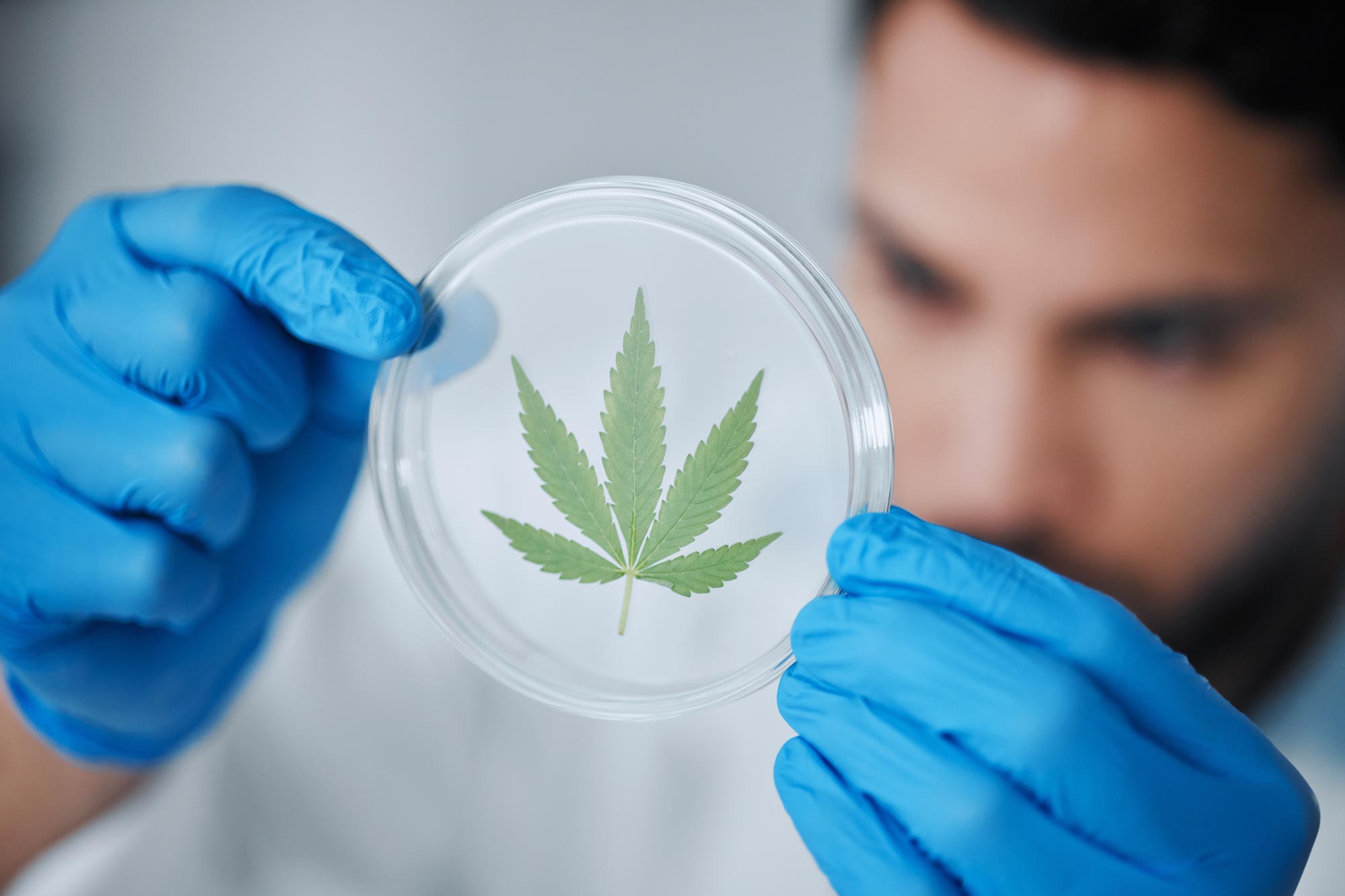
Researchers at the University of Arizona Health Sciences say compounds from Cannabis sativa may help ease two difficult types of pain: fibromyalgia and pain after surgery. Their findings, published in Pharmacological Reports, suggest that terpenes could offer pain relief without the psychoactive effects linked to tetrahydrocannabinol, or THC.
Pain treatments often force patients into trade-offs between limited relief and unwanted side effects. The new study points to plant-derived compounds that may work differently, especially in conditions where better options are badly needed.
Expanding Research on Terpenes
The research builds on earlier studies from John Streicher, PhD, and colleagues showing that terpenes can reduce pain in models of inflammation and chemotherapy-induced nerve pain. In the new work, the team tested whether those effects also extend to fibromyalgia and post-operative pain, two conditions that share some features with chronic pain but remain challenging to treat.
“Our research is showing that terpenes are not a good option for reducing acute pain resulting from an injury, such as stubbing your toe or touching a hot stove; however, we are seeing significant reductions in pain when terpenes are used for chronic or pathological pain,” said Streicher, a professor in the U of A College of Medicine – Tucson’s Department of Pharmacology. “This study was the first to investigate the impact of terpenes in preclinical models of fibromyalgia and post-operative pain and expand the scope of potential pain-relieving treatments using terpenes.”

Terpenes are the natural compounds that give many plants their scent and flavor. They are found throughout the plant world and help create familiar aromas, from floral and citrus notes to spicy or woody smells. In cannabis, these compounds have drawn growing scientific interest because they may have medical effects of their own.
Testing Cannabis-Derived Compounds
For this study, the researchers focused on four terpenes found in moderate to high levels in Cannabis sativa: geraniol, linalool, beta-caryophyllene, and alpha-humulene.
All four reduced pain in mouse models of fibromyalgia and post-operative pain. Geraniol produced the strongest effect, followed by linalool, beta-caryophyllene, and alpha-humulene.
That result is especially notable for fibromyalgia, a chronic musculoskeletal disorder that remains poorly understood and difficult to treat. It affects up to 5% of the world’s population, according to research published in Healthcare (Basel) in 2023. In the United States, the Office on Women’s Health estimates that about 4 million adults have fibromyalgia, and women are affected more often than men.

“With fibromyalgia, there isn’t much understanding of what the pain state is, and there are not a lot of great options for treating it,” Streicher said. “Our findings show that terpenes may be a viable treatment option for fibromyalgia pain, which could potentially have a large impact and make a difference for an under-treated population.”
Rethinking Post-Surgical Pain
The study also highlights why post-surgical pain is not as simple as it may sound. Although it is often temporary, it is not just ordinary short-term pain. Surgery can trigger inflammation and sensitize the body’s pain pathways, creating a more complex pain state.
“Opioids do a good job controlling post-surgical pain, but they can cause constipation that can increase the chances of post-surgical complications such as adhesions,” Streicher said. “We are always looking for better options, and this study suggests that terpenes could be a novel therapeutic for post-operative pain.”
Around 310 million major surgeries are performed worldwide each year, according to 2020 research published in the International Journal of Surgery. Even a modest improvement in post-operative pain care could affect millions of patients.
The Importance of Natural Product Research
Todd Vanderah, PhD, director of the Comprehensive Center for Pain & Addiction at the U of A Health Sciences and professor and head of the Department of Pharmacology at the U of A College of Medicine – Tucson, said the study shows why basic science remains so important.
“The research that is being done by Dr. Streicher’s lab on terpenes and their potential to help those who suffer from chronic pain demonstrates the importance of basic research. There are hundreds of unique chemicals that plants make, including the Cannabis plant, that are undiscovered,” Vanderah said. “Nature is incredible at making unique chemical structures, and many of these chemicals are unknowns when it comes to their abilities to aid in human health, diseases, and disorders. A great current example is the medication semaglutide, sold under the brand name Ozempic, which has a chemical structure that was isolated not from a plant, but from an animal that is prevalent in the Southwest, the Gila monster. These discoveries from natural products through research such as Dr. Streicher’s can result in very useful medications.”
The study found that terpenes reduce pain after surgery and in fibromyalgia through the same biological pathway identified in earlier research. They act on the adenosine A2a receptor, which is the same receptor that caffeine targets and blocks. This interaction points to a possible sedative effect, an area that may be explored further in future studies.
A follow-up study in Neuroscience Letters in 2025 found that terpene blends from Cannabis—similar to what people actually consume—can also relieve nerve pain in mice. Despite having different chemical profiles, all blends reduced pain and produced cannabinoid-like effects. The results confirmed that these effects depend on the adenosine A2a receptor, reinforcing its key role in terpene-based pain relief.
References: “Select terpenes from Cannabis sativa are antinociceptive in mouse models of post-operative pain and fibromyalgia via adenosine A2a receptors” by Caleb A. Seekins, Alyssa M. Welborn, Abigail M. Schwarz and John M. Streicher, 12 December 2024, Pharmacological Reports.
DOI: 10.1007/s43440-024-00687-1
“Terpene blends from Cannabis sativa are cannabimimetic and antinociceptive in a mouse chronic neuropathic pain model via activation of adenosine A2a receptors” by Abigail M. Schwarz, Caleb A. Seekins, Omar El-Sissi and John M. Streicher, 21 March 2025, Neuroscience Letters.
DOI: 10.1016/j.neulet.2025.138205
Never miss a breakthrough: Join the SciTechDaily newsletter.
Follow us on Google and Google News.
1 Comment
As an opioid addict in recovery from edibles that I make, it’s the only thing that got me off street fen that I had began post knee and hip surgery from a wreck that broke my spine. The plant without the THC is not going to be efficient for someone that got addicted to pain medication for real pain. Suboxone didn’t work..Smoking Cannabis didn’t work. It was decarbing the plant raising THC and turpentine that got me off of the hard stuff. I had never did marijuana recreational nor do I find it addictive but rather therapeutic..