
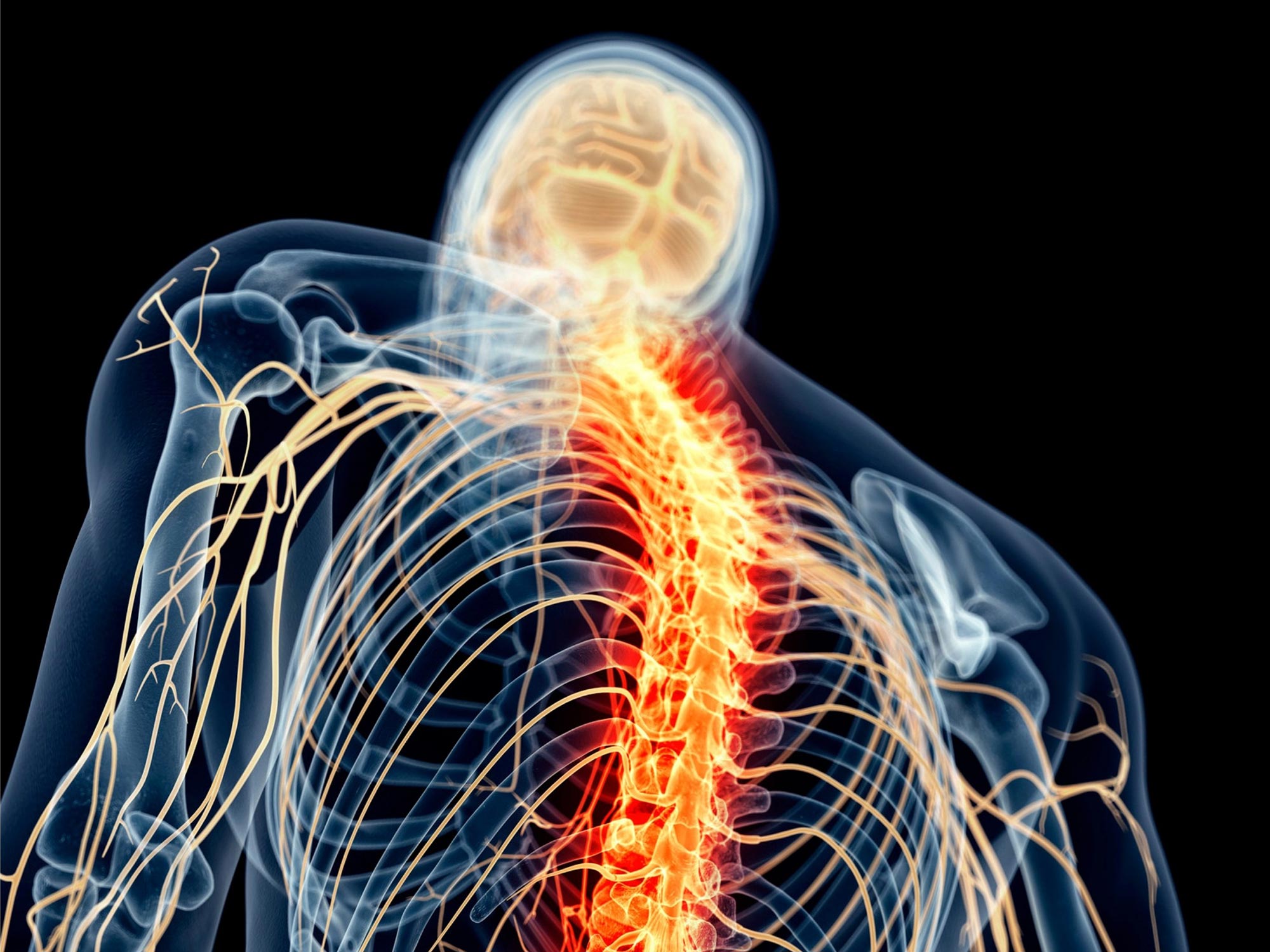
Men and women experience pain relief differently, and a new study may shed light on why women are more prone to chronic pain and less responsive to opioid treatments.
A recent study from the University of California San Diego School of Medicine, investigating meditation as a treatment for chronic lower back pain, has revealed that men and women use different biological mechanisms for pain relief. Men primarily rely on the release of endogenous opioids, the body’s natural painkillers, whereas women depend on alternative, non-opioid pathways to manage pain.
Synthetic opioid drugs, such as morphine and fentanyl, are the most powerful class of painkilling drugs available. Women are known to respond poorly to opioid therapies, which use synthetic opioid molecules to bind to the same receptors as naturally occurring endogenous opioids. This aspect of opioid drugs helps explain why they are so powerful as painkillers, but also why they carry a significant risk of dependence and addiction.
“Dependence develops because people start taking more opioids when their original dosage stops working,” said Fadel Zeidan, Ph.D., professor of anesthesiology and Endowed Professor in Empathy and Compassion Research at UC San Diego Sanford Institute for Empathy and Compassion. “Although speculative, our findings suggest that maybe one reason that females are more likely to become addicted to opioids is that they’re biologically less responsive to them and need to take more to experience any pain relief.”
The Study Design
The study combined data from two clinical trials involving a total of 98 participants, including both healthy individuals and those diagnosed with chronic lower back pain. Participants underwent a meditation training program, then practiced meditation while receiving either placebo or a high-dose of naloxone, a drug that stops both synthetic and endogenous opioids from working. At the same time, they experienced a very painful but harmless heat stimulus to the back of the leg. The researchers measured and compared how much pain relief was experienced from meditation when the opioid system was blocked versus when it was intact.
The study found:
- Blocking the opioid system with naloxone inhibited meditation-based pain relief in men, suggesting that men rely on endogenous opioids to reduce pain.
- Naloxone increased meditation-based pain relief in women, suggesting that women rely on non-opioid mechanisms to reduce pain.
- In both men and women, people with chronic pain experienced more pain relief from meditation than healthy participants.
“These results underscore the need for more sex-specific pain therapies, because many of the treatments we use don’t work nearly as well for women as they do for men,” said Zeidan.
The researchers conclude that by tailoring pain treatment to an individual’s sex, it may be possible to improve patient outcomes and reduce the reliance on and misuse of opioids.
“There are clear disparities in how pain is managed between men and women, but we haven’t seen a clear biological difference in the use of their endogenous systems before now,” said Zeidan. “This study provides the first clear evidence that sex-based differences in pain processing are real and need to be taken more seriously when developing and prescribing treatment for pain.”
Reference: “Self-regulated analgesia in males but not females is mediated by endogenous opioids” by Jon G Dean, Mikaila Reyes, Valeria Oliva, Lora Khatib, Gabriel Riegner, Nailea Gonzalez, Grace Posey, Jason Collier, Julia Birenbaum, Krishnan Chakravarthy, Rebecca E Wells, Burel Goodin, Roger Fillingim and Fadel Zeidan, 14 October 2024, PNAS Nexus.
DOI: 10.1093/pnasnexus/pgae453
This study was funded, in part, by the National Center for Complementary and Integrative Health (grants R21-AT010352, R01-AT009693, R01AT011502) and the National Center for Advancing Translational Sciences (UL1TR001442).
Never miss a breakthrough: Join the SciTechDaily newsletter.
Follow us on Google and Google News.