
Close Menu
    Facebook X (Twitter) Instagram
    SciTechDaily
    • Biology
    • Chemistry
    • Earth
    • Health
    • Physics
    • Science
    • Space
    • Technology
    Facebook X (Twitter) Pinterest YouTube RSS
    SciTechDaily
    Home»Health»Researchers Identify New Heart Disease Risk Factor for Women
    Health

    Researchers Identify New Heart Disease Risk Factor for Women

    By Karolinska InstitutetOctober 22, 2024No Comments3 Mins Read
    Facebook Twitter Pinterest Telegram LinkedIn WhatsApp Email Reddit
    Share
    Facebook Twitter LinkedIn Pinterest Telegram Email Reddit
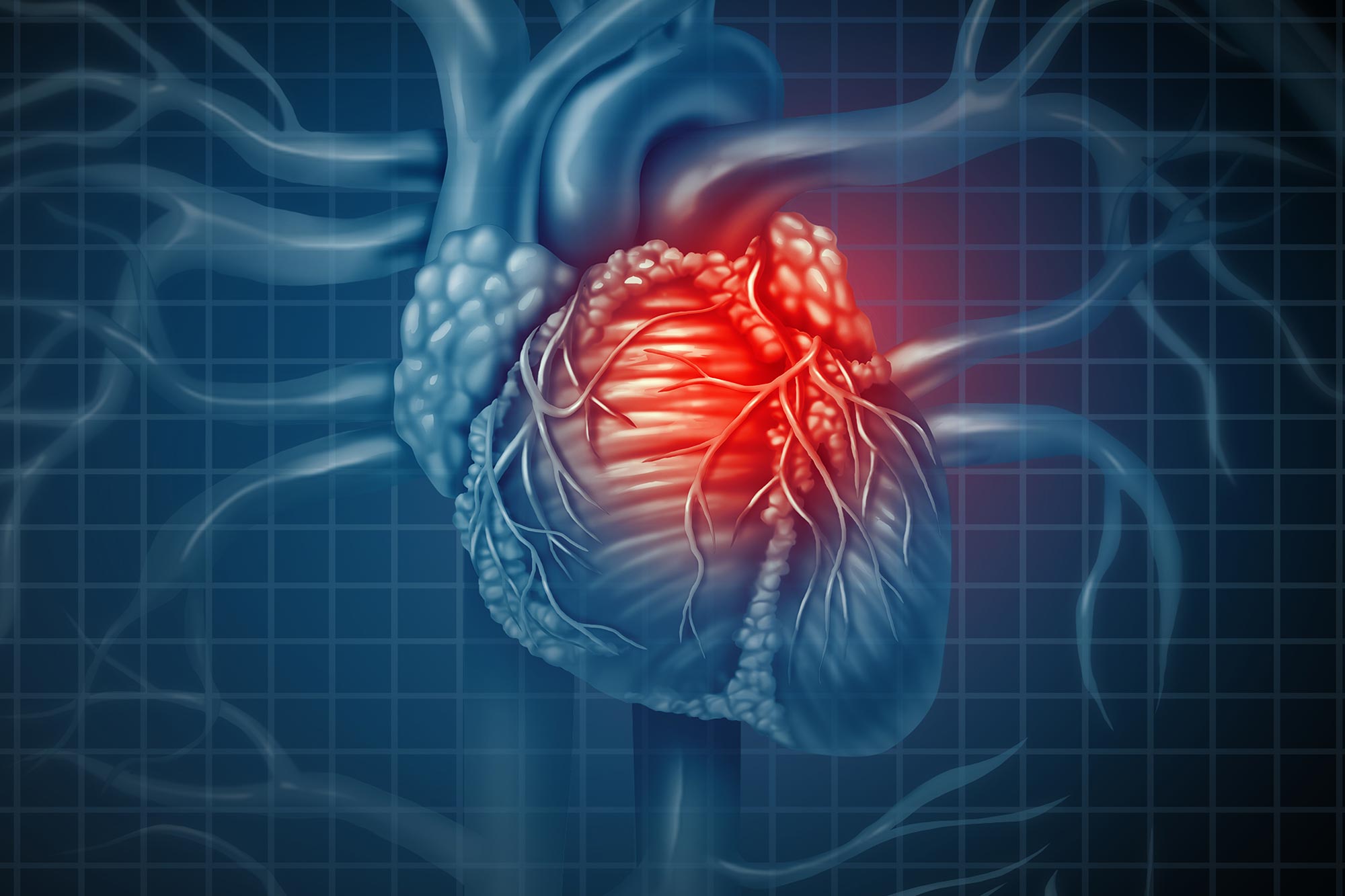
    Heart Disease Concept
    Researchers found that low levels of the antibody anti-PC may increase the risk of cardiovascular disease in women, potentially serving as a new risk marker.

    A study by Karolinska Institutet researchers found that low levels of the antibody anti-PC may increase the risk of heart disease in women. Further research aims to define protective anti-PC levels and explore the development of a vaccine.

    Researchers at Karolinska Institutet have discovered a potential new risk marker for cardiovascular disease in women. The study reveals a link between low levels of an anti-inflammatory antibody and an increased risk of heart attack and coronary heart disease. The findings were published in the Journal of the American College of Cardiology.

    Cardiovascular disease is the leading cause of death for both women and men in Sweden. However, research on women’s heart health has historically been neglected. Women are affected later in life and have more risk factors such as high blood pressure, diabetes, and heart failure. Now a new study shows how low levels of antibodies to the fatty substance phosphorylcholine, called anti-PC, may be a new independent risk marker for cardiovascular disease in older women. Previous studies have shown that this is the case in men.

    Anti-PC and Atherosclerosis

    “We can show that a low level of the natural antibody to phosphorylcholine can be used as a risk marker for cardiovascular disease also in women, independent of previously known risk factors. “We have previously shown that the antibody has an anti-inflammatory effect, which means that it protects against atherosclerosis, which is a chronic inflammation of the vessel wall,” says Johan Frostegård, Professor of Medicine at the Institute of Environmental Medicine and Head of the Immunology and Chronic Disease Unit.

    The study was conducted using the Swedish Mammography Cohort (SMC) and followed 932 women with an average age of 66 years over 16 years. Of these, 113 women developed cardiovascular disease. The results show that women with a high level of the anti-PC antibody had a 25 percent lower risk of coronary heart disease and heart attack. However, the study cannot show which level is protective.

    “We now need to go further to determine what level of anti-PC can be used as a risk level in a similar way to the levels found for high blood pressure, for example. We are now working on an even larger study that includes both men and women where we hope to establish such a level,” says Johan Frostegård.

    The researchers hope that the study can contribute to the development of a vaccine against atherosclerosis that can raise the level of anti-PC in those who show riskily low levels.

    Reference: “Antibodies Against Phosphorylcholine in Prediction of Cardiovascular Disease Among Women” by Johan Frostegård, Agneta Åkesson, Emilie Helte, Fredrik Söderlund, Jun Su, Xiang Hua, Susanne Rautiainen and Alicja Wolk, 2 October 2024, JACC: Advances.
    DOI: 10.1016/j.jacadv.2024.101298

    The research was funded by the Swedish Heart-Lung Foundation, the Swedish Science Fund, the King Gustaf V Foundation’s 80th Anniversary Fund and the EU consortium CVDIMMUNE. Johan Frostegård is co-founder of Annexin Pharmaceuticals and also holds patents related to anti-PC.

    Never miss a breakthrough: Join the SciTechDaily newsletter.
    Follow us on Google and Google News.

    Antibodies Cardiology Heart Karolinska Institutet
    Share. Facebook Twitter Pinterest LinkedIn Email Reddit

    Related Articles

    Diabetes Doesn’t Just Raise Sugar It Can Change Your Blood

    Scientists Discover Self-Healing Secrets of the Human Heart

    Medical Miracle: Scientists Baffled as Men Overcome “Incurable” Heart Failure

    New Treatment Repairs Heart Damage After a Heart Attack With No Side Effects

    Elevated Resting Heart Rate Linked to Increased Risk of Dementia

    Viagra May Prolong Life for Men With Coronary Artery Disease – Lower Risk of Experiencing a New Heart Attack

    Research Shows There Is a Medical Benefit to Reducing D2B Time

    UCLA Cardiologists Complete Their First Transcatheter Aortic Valve Replacement

    Survival Rates for Mitral Valve Surgery Patients Improve

    Leave A Reply Cancel Reply

    • Facebook
    • Twitter
    • Pinterest
    • YouTube

    Don't Miss a Discovery

    Subscribe for the Latest in Science & Tech!

    Trending News

    Monster Storms on Jupiter Unleash Lightning Beyond Anything on Earth

    Scientists Create “Liquid Gears” That Spin Without Touching

    The Simple Habit That Could Help Prevent Cancer

    Millions Take These IBS Drugs, But a New Study Finds Serious Risks

    Scientists Unlock Hidden Secrets of 2,300-Year-Old Mummies Using Cutting-Edge CT Scanner

    Bread Might Be Making You Gain Weight Even Without Eating More Calories

    Scientists Discover Massive Magma Reservoir Beneath Tuscany

    Europe’s Most Active Volcano Just Got Stranger – Here’s Why Scientists Are Rethinking It

    Follow SciTechDaily
    • Facebook
    • Twitter
    • YouTube
    • Pinterest
    • Newsletter
    • RSS
    SciTech News
    • Biology News
    • Chemistry News
    • Earth News
    • Health News
    • Physics News
    • Science News
    • Space News
    • Technology News
    Recent Posts
    • Scientists Discover a Surprising Reason Intermittent Fasting Extends Life
    • Scientists Discover a New Meteor Shower From a Mysterious Crumbling Asteroid
    • This Simple Fruit Wash Could Make Produce Safer and Last Days Longer
    • These Tiny Robots 50x Smaller Than a Hair Can Hunt and Move Bacteria
    • Simple Blood Test May Predict Alzheimer’s Years Before Brain Scans Show Signs
    Copyright © 1998 - 2026 SciTechDaily. All Rights Reserved.
    • Science News
    • About
    • Contact
    • Editorial Board
    • Privacy Policy
    • Terms of Use

    Type above and press Enter to search. Press Esc to cancel.