
Close Menu
    Facebook X (Twitter) Instagram
    SciTechDaily
    • Biology
    • Chemistry
    • Earth
    • Health
    • Physics
    • Science
    • Space
    • Technology
    Facebook X (Twitter) Pinterest YouTube RSS
    SciTechDaily
    Home»Science»Researchers Translate Insect Defense Chemicals Into Eerie Sounds – Listen Now
    Science

    Researchers Translate Insect Defense Chemicals Into Eerie Sounds – Listen Now

    By Cell PressSeptember 23, 2021No Comments3 Mins Read
    Facebook Twitter Pinterest Telegram LinkedIn WhatsApp Email Reddit
    Share
    Facebook Twitter LinkedIn Pinterest Telegram Email Reddit
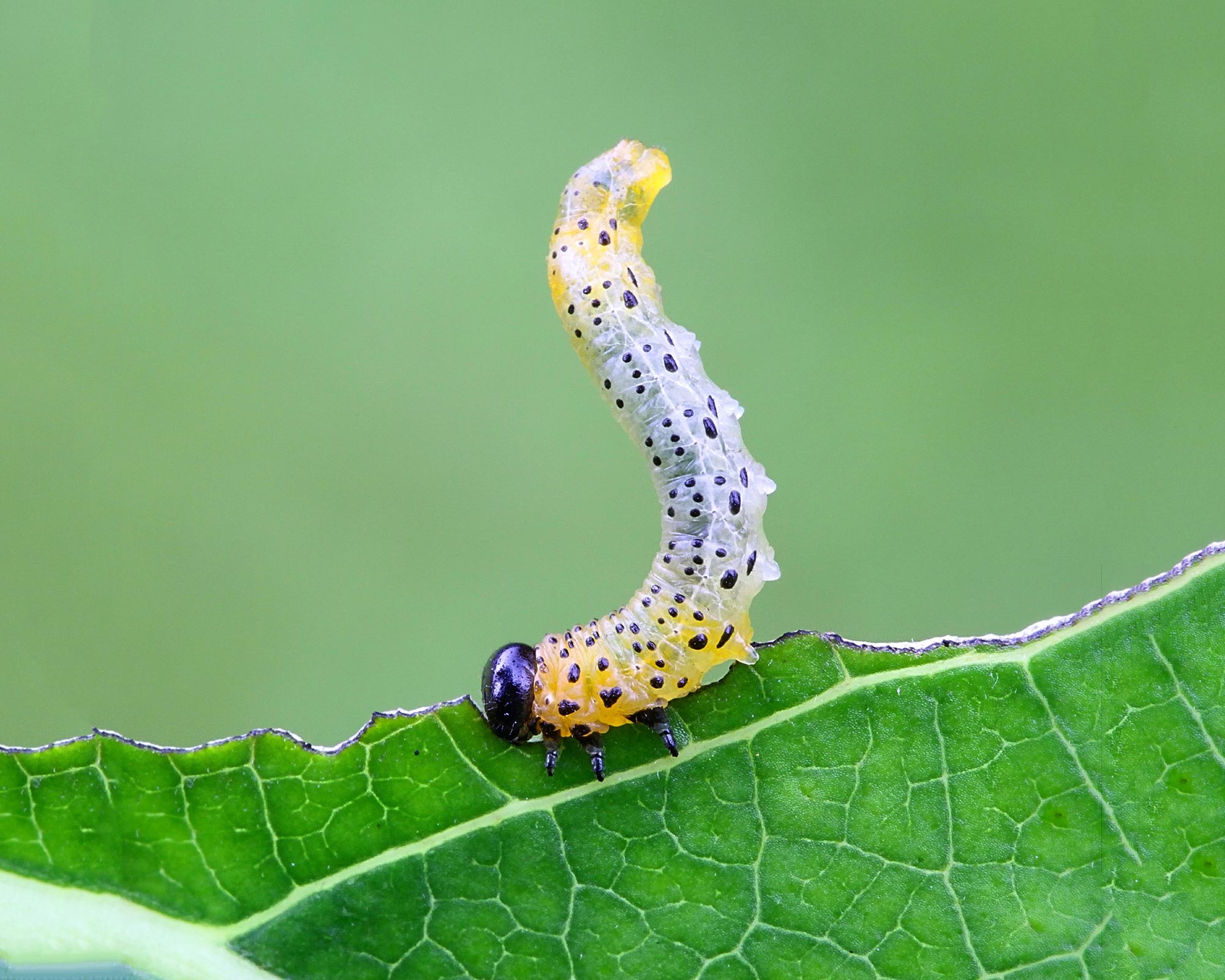
    Sawfly Larvae
    Sawfly Larvae

    Scientists translated insect defense chemicals into sounds—and humans found them just as unpleasant as the predators do.

    Sawfly larvae protect themselves by secreting cocktails of unpleasant, volatile chemicals intended to repel predators, particularly ants. Researchers can assess the effectiveness of these defenses by staging meetups, so-called bioassays, between prey and predator. But entomologist Jean-Luc Boevé and informatics engineer Rudi Giot have taken a different approach, translating the secretions’ chemical composition into sounds, and measuring how humans react. Their work appears September 23rd in the journal Patterns.

    Boevé and Giot quantified how unpleasant the sounds were to the human ear by measuring how far back each subject walked to reach a “comfort distance” away from loudspeakers. Part of the approximately 50 participants described some of the sounds as unpleasant or even frightening. The sounds may be comparable to short excerpts from the background music in a horror or science fiction film.

    https://scitechdaily.com/images/Insect-Defense-As-Eerie-Sound.mp3

    This is an audio clip of the chemical defense of a sawfly (Craesus septentrionalis) converted into a sound by sonification. Credit: Jean-Luc Boeve and Rudi Giot

    “Interestingly, we could show that the responses by ants and humans are correlated, thus indicating that sonification can approximate the ‘real world’ of predator-prey interactions,” says Boevé, of the Royal Belgian Institute of Natural Sciences, in Brussels.  

    He first conceived the idea of transforming volatile chemicals into sounds back in April 2009. “For instance, you have small molecules like acetic acid contained in vinegar or pungent formic acid emitted by some ants, they’re very volatile and diffuse into the air rapidly,” he says. “So, I thought it would be possible to translate a high or low volatility into high or low tones, as well as other chemical traits into other sound traits.”
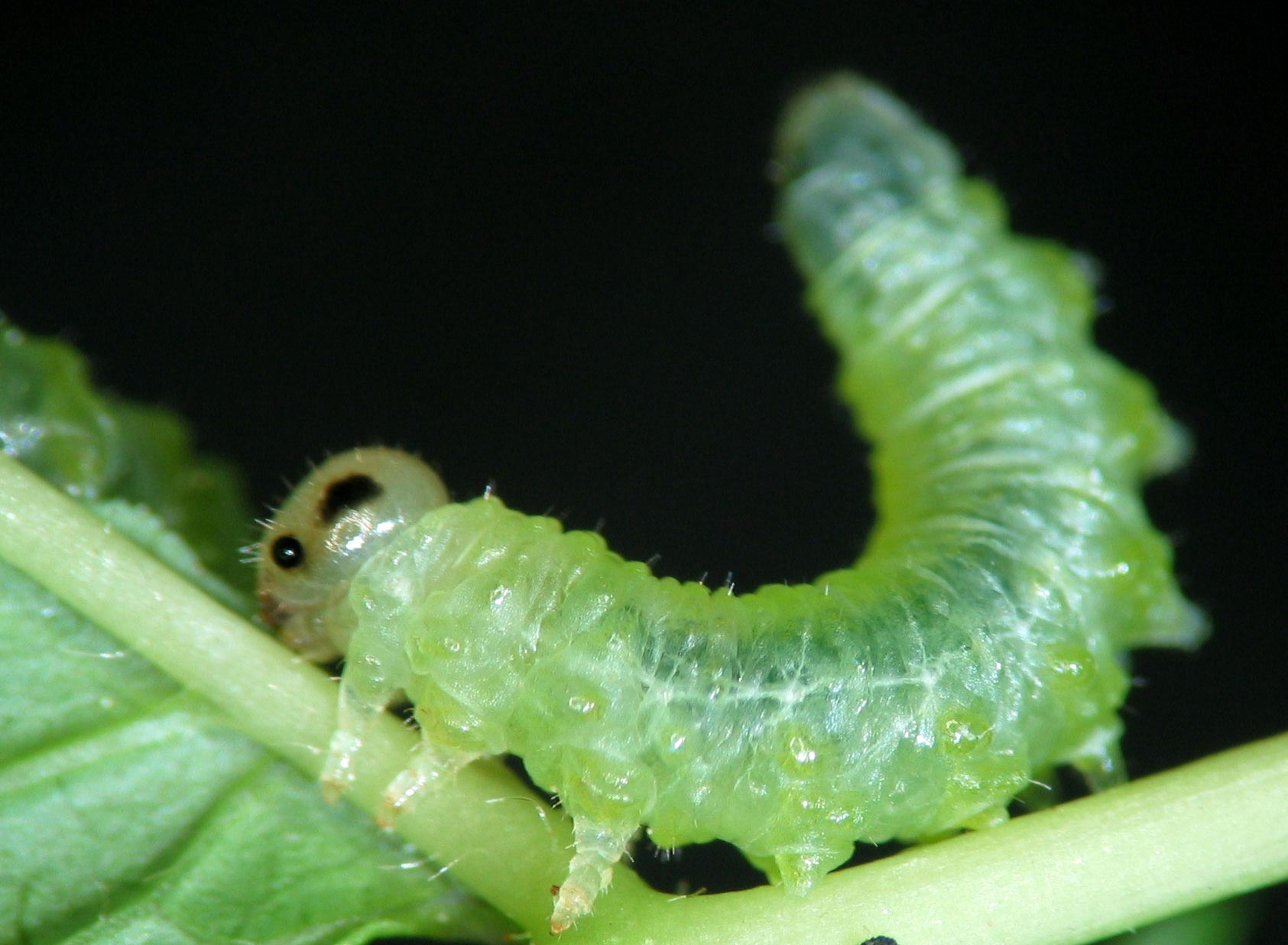
    Sawfly Larva
    This image shows a sawfly larva (Nematus spiraeae). By raising its abdomen the insect stays ready to emit defensive volatiles upon harassment. Credit: Jean-Luc_Boeve

    Chemicals are transformed into sounds using a process called sonification. Important characteristics of each molecule, like its molecular weight and what functional groups it has, are mapped onto different parameters of sound, like pitch, duration, and timbre. The chemical information is fed into a synthesizer which produces a sound for each molecule and these sounds are then mixed at various volume levels to construct a sound for the defensive secretion of each insect species.

    This study takes advantage of the fact that our brains process information differently depending on what sense we use to perceive it. “Typically, a sonification process is used to detect particular phenomena in large datasets,” says Giot, of the Institut Supérieur Industriel de Bruxelles. “Examples of such phenomena are earthquakes in seismologic data, or network hacking in internet data streaming.”
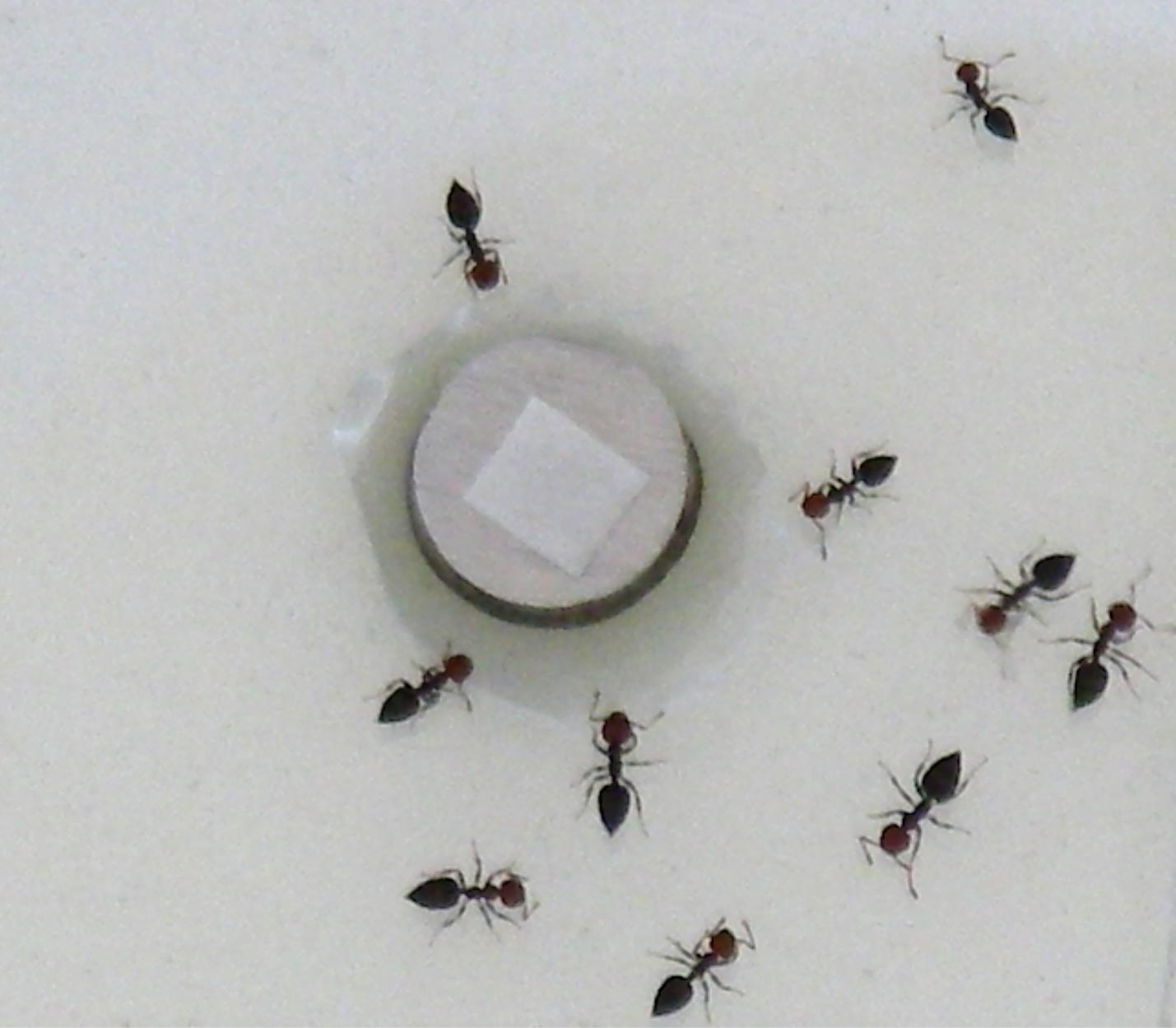
    Test Ants for Volatile Repllence
    This image shows an example of testing ants for the repellence of a volatile. Credit: Jean-Luc Boeve

    This project required years of laying down groundwork and completing other more classical experiments, including chemical and morphological analyses of the insects. “To be honest, I considered the sonification project so far-fetched myself that I set the project aside, sometimes for several months,” says Boevé.

    He hopes that his method will be complementary to already existing techniques of testing volatiles, especially in cases when an insect’s seasonal availability is unfavorable or harvesting large enough quantities of its secretion is challenging.

    Reference: “Chemical composition: Hearing insect defensive volatiles” by Jean-Luc Boevé and Rudi Giot, 23 September 2021, Patterns.
    DOI: 10.1016/j.patter.2021.100352

    Never miss a breakthrough: Join the SciTechDaily newsletter.
    Follow us on Google and Google News.

    Ants Cell Press
    Share. Facebook Twitter Pinterest LinkedIn Email Reddit

    Related Articles

    Scientists Discover Bizarre 113-Million-Year-Old Hell Ant With Killer Scythe Jaws

    Farming in the Dark: How Electro-Agriculture Outpaces Photosynthesis

    Nature’s Hidden Happy Hour: The Truth About Wild Animals and Alcohol

    800-Year-Old Mystery Solved: Scientists Reveal the Identity of Norway’s “Well-Man”

    Auditory Illusions: Are Magic Tricks Possible for a Blind Audience?

    Mystery of the Mummies’ Cheese: World’s Oldest Cheese Unlocks Secrets of Ancient Kefir

    Hidden Neanderthal Lineage Found: “Thorin” Survived 50,000 Years in Isolation

    Goodbye Traditional Farming? German Scientists Harvest Protein From Air and Water

    Panic at the Ant Hill: The Specialized Pheromone Response in Ant Brains

    Leave A Reply Cancel Reply

    • Facebook
    • Twitter
    • Pinterest
    • YouTube

    Don't Miss a Discovery

    Subscribe for the Latest in Science & Tech!

    Trending News

    Popular Sugar-Free Sweetener Linked to Liver Disease, Study Warns

    What Is Hantavirus? The Deadly Disease Raising Alarm Worldwide

    Scientists Just Discovered How the Universe Builds Monster Black Holes

    Scientists Unveil New Treatment Strategy That Could Outsmart Cancer

    A Simple Vitamin May Hold the Key to Treating Rare Genetic Diseases

    Scientists Think the Real Fountain of Youth May Be Hiding in Your Gut

    Ravens Don’t Follow Wolves, They Predict Them

    This Common Knee Surgery May Be Doing More Harm Than Good

    Follow SciTechDaily
    • Facebook
    • Twitter
    • YouTube
    • Pinterest
    • Newsletter
    • RSS
    SciTech News
    • Biology News
    • Chemistry News
    • Earth News
    • Health News
    • Physics News
    • Science News
    • Space News
    • Technology News
    Recent Posts
    • GLP-1 Weight Loss Linked To Dramatically Lower Risk of Sleep Apnea, Kidney Disease and More
    • Scientists Uncover the Surprising Source of Strange Clouds Near the Milky Way’s Supermassive Black Hole
    • This Dazzling Green Snake Was Hiding in Plain Sight for Decades
    • Scientists Discover That a Single Dose of Psilocybin Changes the Human Brain
    • “Totally Unexpected” – Scientists Discover Pancreatic Cancer’s Fatal Addiction
    Copyright © 1998 - 2026 SciTechDaily. All Rights Reserved.
    • Science News
    • About
    • Contact
    • Editorial Board
    • Privacy Policy
    • Terms of Use

    Type above and press Enter to search. Press Esc to cancel.