
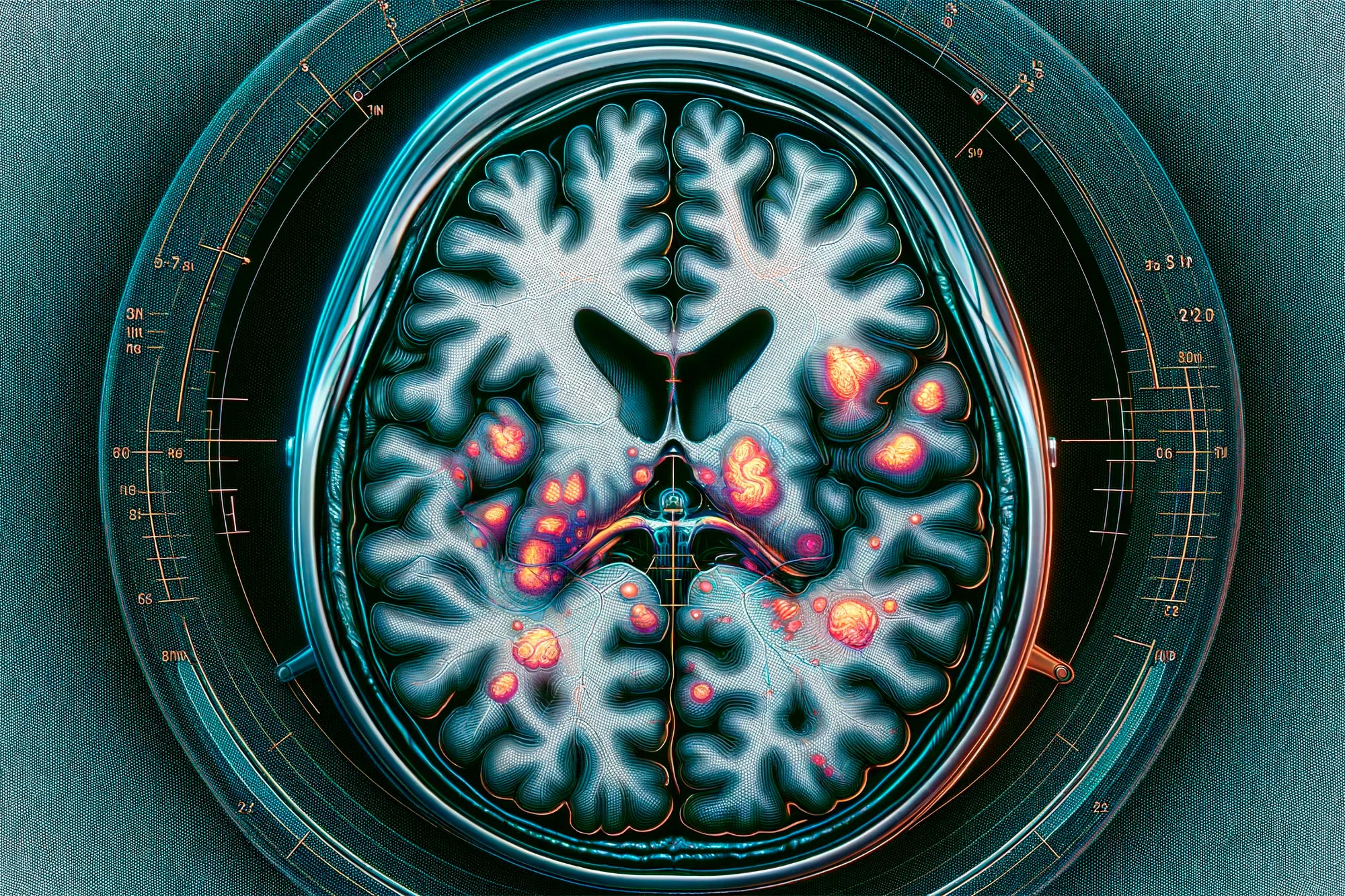
Researchers found that COVID-19 may accelerate biological processes linked to Alzheimer’s, showing changes in brain-related biomarkers similar to years of aging.
The impact was most pronounced in severe cases and those with pre-existing risk factors. While the study cannot confirm a direct cause, it suggests that infections like COVID-19 may contribute to neurodegeneration.
COVID-19 and Alzheimer’s Risk
Researchers from Imperial College London and the UK Dementia Research Institute have found that people who previously had COVID-19 were more likely to show increased levels of biomarkers linked to faulty amyloid proteins — one of the key indicators of Alzheimer’s disease.
On average, these changes in the brain were similar to four years of aging. The most significant effects were observed in individuals who had been hospitalized with severe COVID-19 or had existing risk factors for dementia, such as smoking or high blood pressure.
Study Findings and Implications
The findings suggest that even mild or moderate COVID-19 could accelerate biological processes that promote amyloid buildup in the brain, potentially increasing the long-term risk of developing Alzheimer’s disease. However, more research is needed to fully understand this connection.
The research urge caution with the findings. They explain their observational study is unable to prove any causal links between COVID-19 and dementia. They also stress it is still unclear whether the effect is specific to SARS-CoV-2 infection, or if a similar effect could be associated with other common infections such as influenza or pneumonia.
The findings were published on January 30 in the journal Nature Medicine.
Dr. Eugene Duff, first author on the study from the Department of Brain Sciences at Imperial College London, said: “Our findings suggest COVID-19 may drive changes which contribute to neurodegenerative disease. We think this may be due to the inflammation triggered by the disease, although how this inflammation might impact the brain and changes to amyloid is not yet fully clear.”
“We can’t say that catching the SARS-CoV-2 virus directly causes these changes, or if it does, by how much a single episode of infection increases someone’s risk. But our findings do suggest that COVID-19 may increase the risk of Alzheimer’s in future — as has been suggested in the past for other kinds of infections — especially among people with pre-existing risk factors.”
Understanding Beta Amyloid Build-Up
Amyloid is a common protein with a range of functions in the body. But the buildup of an abnormal form of the protein, called beta amyloid (Aβ), is a key component of many diseases.
Aβ forms the characteristic clumps seen in the brains of patients with Alzheimer’s disease, which are thought to cause damage to the neurons in the brain, leading to changes in cognition and behaviour.
In the latest study, researchers from Imperial’s Department of Brain Sciences and the UK Dementia Research Institute at Imperial set out to explore the link between COVID-19 and known protein biomarkers associated with Alzheimer’s disease which can be detected in the blood – including the relative amounts of different forms of Aβ.
The team analyzed biomarkers in 1,252 participants from the UK Biobank, aged 46 to 80 years of age, both before and after confirmed SARS-CoV-2 infections. The team then compared these biomarkers to those in participants with similar characteristics, but without evidence of any prior infection.
They found SARS-CoV-2 infection was associated with changes in several blood proteins previously linked to brain Aβ pathology. The magnitude of the changes was similar to that associated with a well-known genetic risk factor for AD, a genetic variant called APOE4.
Greater changes were found in older participants and those who had been hospitalized with COVID-19-19 or had a history of hypertension. These correlated with poorer cognitive test scores and measures of overall health, as well as subtle changes in brain imaging patterns associated with neurodegeneration.
Study Limitations and Future Research
The researchers highlight several limitations to the study, including limited information on the severity of infections in the cohort, as well as other factors not captured by the data contributing to changes in blood biomarker levels. They also caution that the blood biomarkers for amyloid and tau are still a relatively new tool and their clinical utility is still being assessed.
Professor Paul Matthews, Group Leader in the UK Dementia Research Institute at Imperial and senior author on the paper, said: “We’ve long suspected a link between infectious diseases and the progression of neurodegenerative disease – both with viral diseases, like herpes and influenza, and with some chronic bacterial infections. This latest analysis suggests that SARS-CoV-2 infection could potentially be another of these drivers of disease, particularly among those with underlying risk factors.”
“More studies now are needed to prove any causal links. Ultimately, the more we know about factors that contribute to dementia risk – whether they are directly under our control, like lifestyle or diet, or modifiable by vaccines or early treatment for infectious diseases – the more opportunities we may have to intervene for the prevention of dementia.”
Reference: “Plasma proteomic evidence for increased β-amyloid pathology after SARS-CoV-2 infection” by Eugene P. Duff, Henrik Zetterberg, Amanda Heslegrave, Abbas Dehghan, Paul Elliott, Naomi Allen, Heiko Runz, Rhiannon Laban, Elena Veleva, Christopher D. Whelan, Benjamin B. Sun and Paul M. Matthews, 30 January 2025, Nature Medicine.
DOI: 10.1038/s41591-024-03426-4
The research was funded by the UK Dementia Research Institute and by the NIHR Imperial Biomedical Research Centre Multiple Long-Term Conditions theme, as well as by an endowment to Imperial College London from the Edmond J Safra Foundation and Lily Safra to support Professor Matthews’ chair.
Never miss a breakthrough: Join the SciTechDaily newsletter.
Follow us on Google and Google News.