
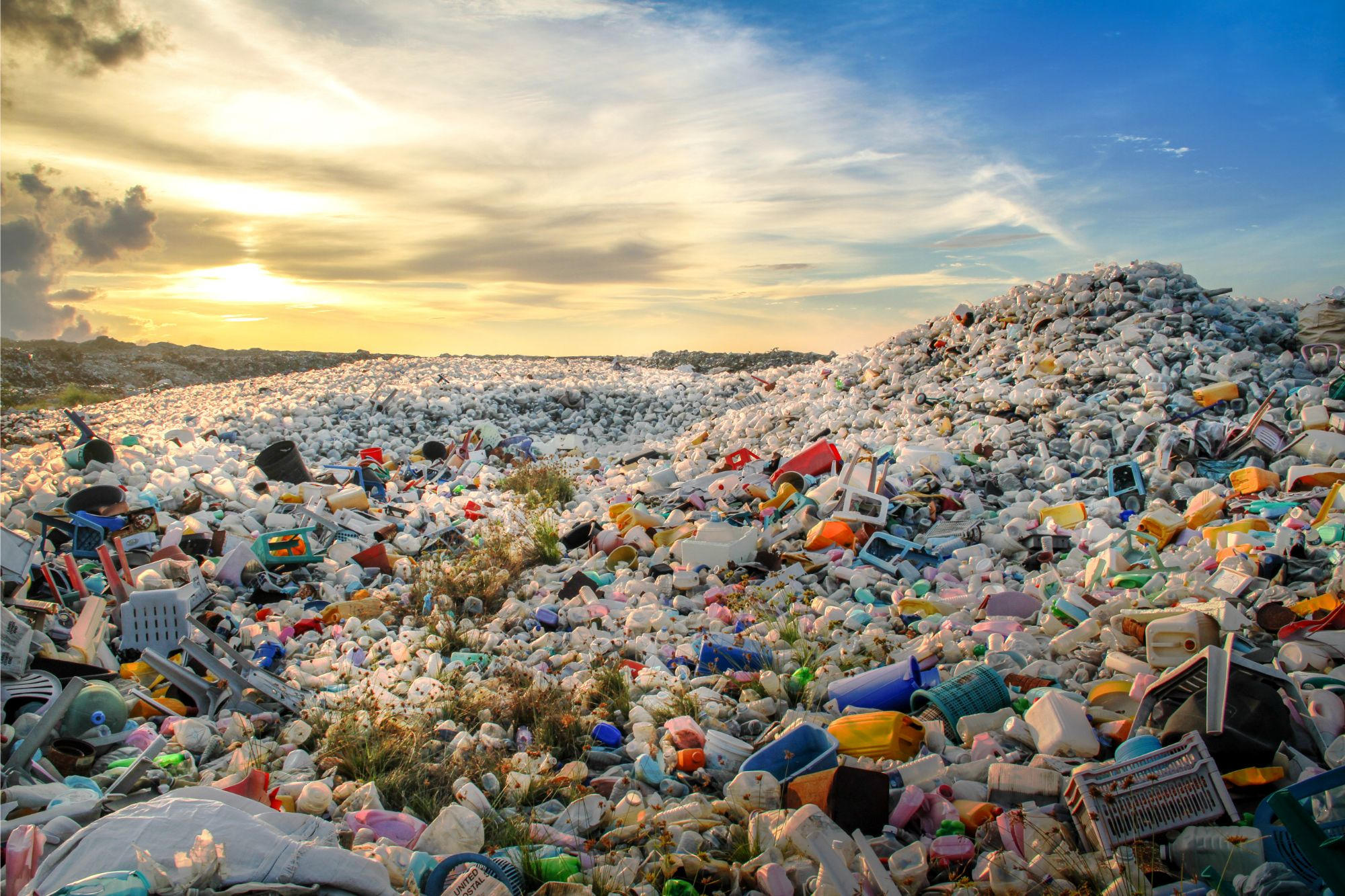
Chemical recycling offers a sustainable alternative to traditional plastic recycling by breaking down plastics into high-quality products. Researchers have optimized this process with a new mathematical formula.
Each year, hundreds of millions of tons of plastic waste are produced globally. In response, scientists are diligently developing innovative methods to recycle a significant portion of this waste into high-quality products, aiming to create a truly circular economy.
However, current recycling practices fall short of this goal. Most plastic waste is recycled mechanically: shredded and then melted down. Although this process does result in new plastic products, their quality deteriorates with each recycling step.
An alternative to this is chemical recycling, which avoids loss of quality. This method involves breaking down long-chain plastic molecules (polymers) into their fundamental building blocks (monomers), which can be reassembled into new, high-quality plastics, creating a truly sustainable cycle.
Fuels from plastic waste
As the approach of chemical recycling develops, the initial focus is on breaking down these long polymer chains into shorter-chain molecules that can be used as liquid fuels, say, or lubricants. This gives plastic waste a second life as petrol, jet fuel, or engine oil. Scientists at ETH Zurich have now laid down important foundations for developing this process. These enable the global scientific community to engage in more targeted and effective recycling development work.
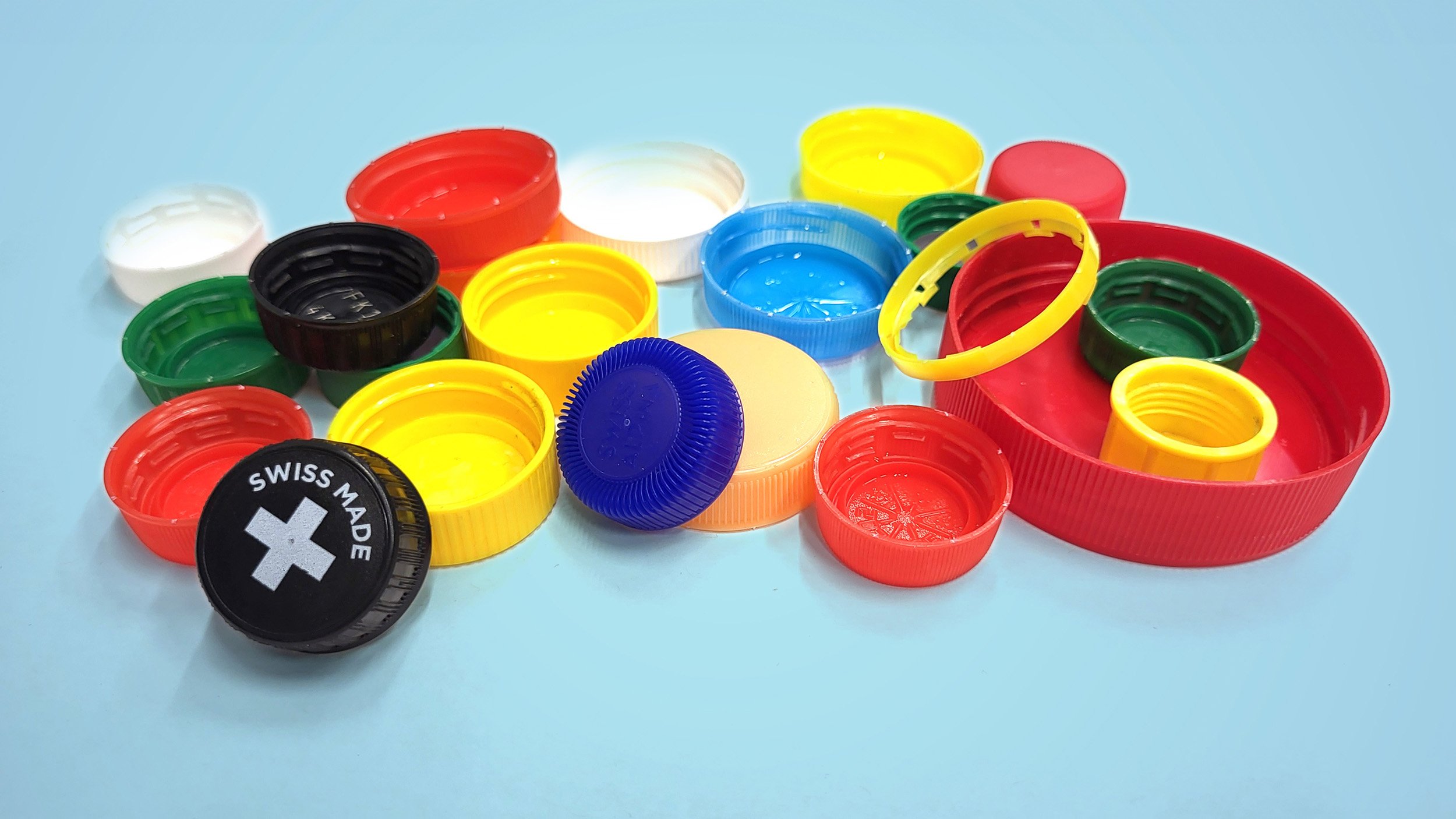
Researchers in the group led by Javier Pérez-Ramírez, Professor of Catalysis Engineering, investigated how to break down polyethylene and polypropylene with hydrogen. Here, too, the first step is to melt the plastic in a steel tank. Gaseous hydrogen is then introduced into the molten plastic.
A crucial step involves adding a powdered catalyst containing metals such as ruthenium. By carefully selecting a suitable catalyst, researchers can increase the efficiency of the chemical reaction, promoting the formation of molecules with specific chain lengths while minimizing byproducts such as methane or propane.
Rotational speed and geometry are key
“The molten plastic is a thousand times thicker than honey. The key is how you stir it in the tank to ensure the catalyst powder and hydrogen get mixed right through,” explains Antonio José Martín, a scientist in Pérez-Ramírez’s group. Through experiments and computer simulations, the research team demonstrated that the plastic is best stirred using an impeller with blades parallel to the axis. Compared to a propeller with angled blades or a turbine-shaped stirrer, this results in more even mixing and fewer flow vortices. The stirring speed is equally crucial. It must be neither too slow nor too fast; the ideal speed is close to 1,000 revolutions per minute.
The researchers successfully developed a mathematical formula to describe the entire chemical recycling process with all its parameters. “It’s every chemical engineer’s dream to have a formula like this at hand for their process,” Pérez-Ramírez says. All scientists in the research field can now precisely calculate the effect of the stirrer’s geometry and speed.
With this formula, future experiments can focus on directly comparing different catalysts with the influence of mixing under control. In addition, the principles developed here are central for scaling up the technology from the laboratory to large recycling plants. “But for now, our focus remains on researching better catalysts for the chemical recycling of plastics,” Martín says.
Reference: “Assessment of transport phenomena in catalyst effectiveness for chemical polyolefin recycling” by Shibashish D. Jaydev, Antonio J. Martín, David Garcia, Katia Chikri and Javier Pérez-Ramírez, 28 August 2024, Nature Chemical Engineering.
DOI: 10.1038/s44286-024-00108-3
Never miss a breakthrough: Join the SciTechDaily newsletter.
Follow us on Google and Google News.
6 Comments
More American Chemistry Council (think Exxon, Dow, etc.) disinformation. These fancy promises only work under laboratory and test conditions. They fail when facing real world contamination, moisture, and economic conditions.
Ignore, move along, stop buying plastic packaging to the extent you can.
Please explain.
So, if I read that right, they need chemicals which can only be acids. Where does that go afterwards? They need precious metals like ruthenium which are scarce enough as it is. They want to mix thick stuff in giant cauldrons at 1000 rpm which requires a lot of energy which I guarantee you wouldn’t come from renewables. They want to blow in hydrogen which again takes a lot of energy.
If you scale all that to the real world requirements, because we’re talking about millions upon millions of tonnes of plastic, you get insanity that would only exacerbate the ecological problems instead of mitigating then.
Luckily, this will never exit the lab. Just another coulda-woulda-shoulda
type of hype.
Good response.
Excellent idea please keep me update with similar type of news letter as I am looking for new business opportunities in recycling business
Thanks
DM Bharadwaj
Handheld no : 91 9760004027
Stop producing new plastics. But wait, we won’t, because it’s a multi-billion dollar industry? Okay. This sounds like American Plastics Council or the plastics industry in general adding to the pile of lies.