
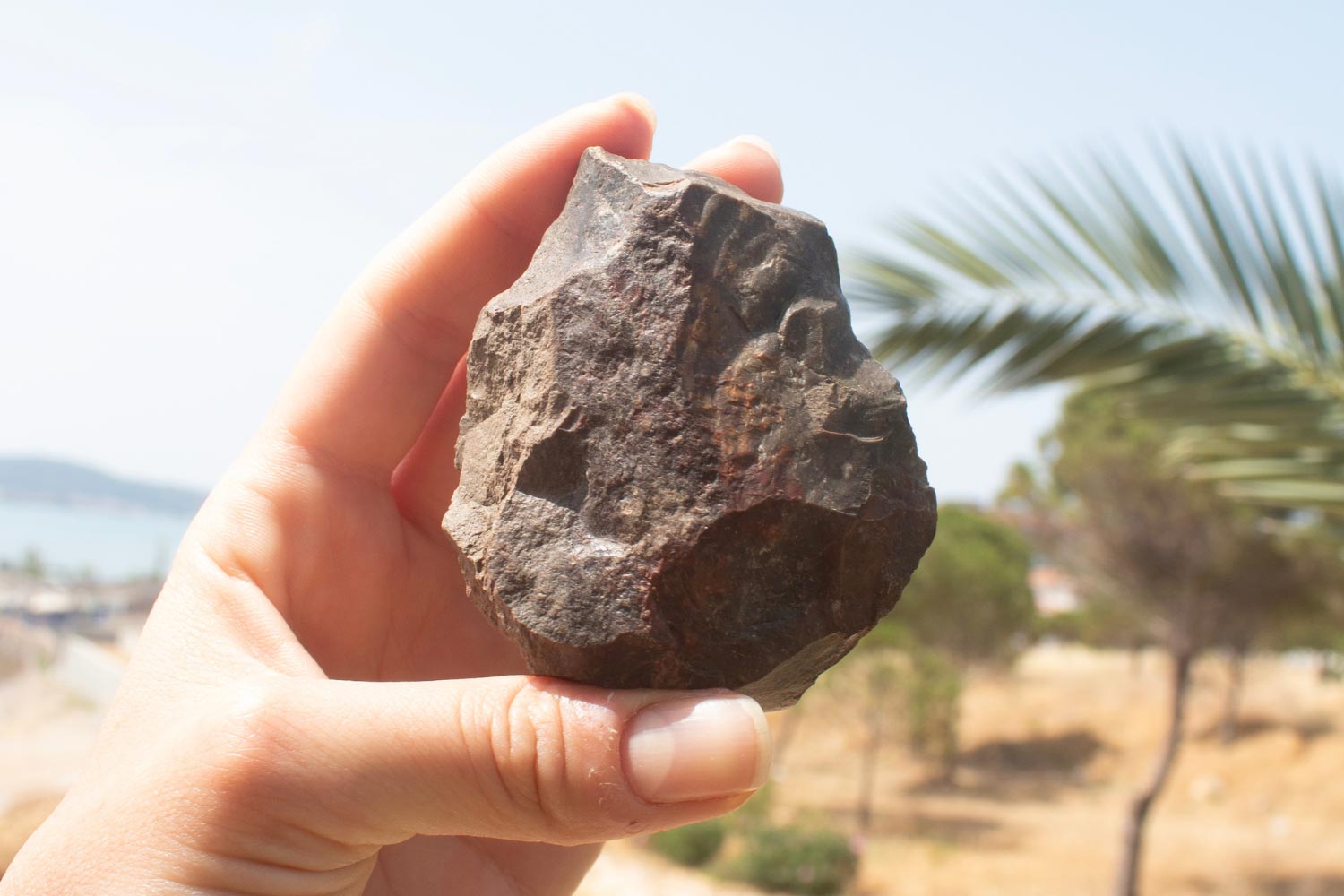
An “emotional and inspiring” archaeological find of Paleolithic tools has revealed a long-lost prehistoric passage that may have enabled movement between Ayvalık and Europe.
Continuous stretches of land, now lying beneath the sea, may once have allowed early humans to move between what is now Türkiye and Europe, according to groundbreaking research in a region that has remained largely unexamined.
The findings, published on 19 September 2025 in the peer-reviewed Journal of Island and Coastal Archaeology, document the first evidence of a Paleolithic presence in Ayvalık. More significantly, they may reshape our understanding of how humans entered Europe.
For decades, the prevailing view has been that Homo sapiens reached the continent mainly through the Balkans and the Levant, traveling from Africa into the Middle East.
Yet, the recent discovery of 138 stone tools across 10 sites spanning 200 km² suggests a different possibility: long before Ayvalık became known for its olive groves and coastal landscapes, its northeastern Aegean shoreline may have provided an alternative pathway for humans adapting to a shifting prehistoric world.
“Our archaeological discovery has unveiled that this now-idyllic region once potentially offered a vital land bridge for human movement during the Pleistocene era—when sea levels dropped and the now-submerged landscape was briefly exposed,” explains Dr Göknur Karahan, from the Department of Archaeology-Prehistory, at Hacettepe University, in Turkey, who was part of a fully female team of expert archaeologists from the country.
“We are very excited and delighted with this discovery. These findings mark Ayvalık as a potential new frontier in the story of human evolution, placing it firmly on the map of human prehistory – opening up a new possibility for how early humans may have entered Europe.
“It feels like we are adding an entirely new page to the story of human dispersal. Our research raises exciting possibilities for future exploration, and we hope it emerges as a body of work that will shift the approach of Pleistocene archaeology for decades to come.”
How were these findings possible?
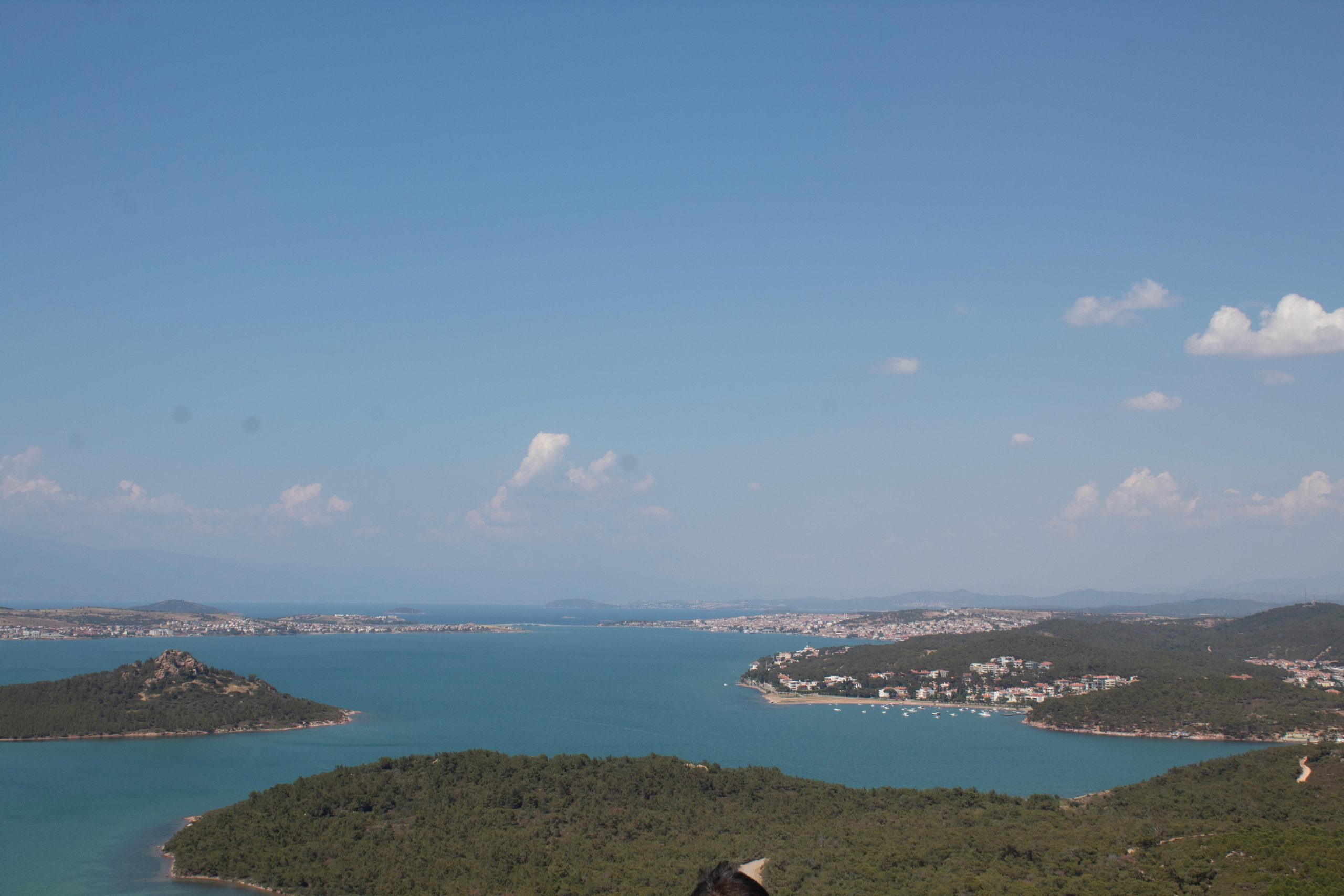
During the Ice Age, sea levels were more than 100 meters lower than today, revealing broad stretches of land that are now submerged. In that period, the islands and peninsulas of modern Ayvalık were connected as part of a single landmass, creating a natural corridor between Anatolia and Europe.
The newly uncovered tools lie along the present coastline, offering direct evidence of people inhabiting and traveling across these landscapes that later disappeared beneath the sea.
Until now, factors such as environmental changes and the depth at which remains are buried have made it difficult to identify and preserve archaeological evidence in the Ayvalık region.
“In all these periods, the present-day islands and peninsulas of Ayvalık would have formed interior zones within an expansive terrestrial environment,” explains co-author Professor Kadriye Özçelik, from Ankara University.
“These paleogeographic reconstructions underscore the importance of the region for understanding hominin dispersals across the northeastern Aegean during the Pleistocene.”
What was found?
The region’s shifting geology and active coastlines in the North Aegean made preservation difficult and the number of items uncovered “limited.” However, this research team managed to uncover Levallois technologies from various Paleolithic periods, as well as handaxes and cleavers.
Among the most significant finds include Levallois-style flake tools, sophisticated implements linked to the Middle Paleolithic Mousterian tradition – these are often associated with Neanderthals and early Homosapiens.
“These large cutting tools are among the most iconic artifacts of the Paleolithic and are instantly recognizable even today, so are a very important find,” explains Dr Karahan.
“The presence of these objects in Ayvalık is particularly significant, as they provide direct evidence that the region was part of wider technological traditions shared across Africa, Asia, and Europe.”
Describing the initial discovery of the 131 items, Dr Karahan adds: “It was a truly unforgettable moment for us. Holding the first tools in our hands was both emotional and inspiring.
“And each find from there on was a moment of excitement for the whole team.
“Holding these objects —after walking across landscapes where no one had ever documented Paleolithic remains before— was unforgettable.”
What does this discovery tell us about early humans?
The experts’ key argument hinges on the potential of Ayvalık as a dynamic site for interaction and exchange, facilitating early human movement between the Anatolia peninsula and Europe.
Exploring how Anatolia, with a specific focus on Ayvalık, and Europe were linked during glacial sea-level low stands offers alternative pathways for how early humans moved around the region beyond dominantly emphasised northern mainland-centered routes.
Addressing a gap in the scholarship, the authors’ work provides a new foundation for examining resources and migration routes in which Ayvalık may have featured as part of a mobility corridor.
The survey’s yield of tools demonstrates a “consistent use of Levallois technology and flake production… and a diversified toolkit,” whilst all artefacts together offer what the team state are “valuable insights into early human presence, raw material preferences, and technological variability.”
“The findings paint a vivid picture of early human adaptation, innovation, and mobility along the Aegean,” Dr Karahan explains.
“The results confirmed that Ayvalık – which had never before been studied for its Paleolithic potential – holds vital traces of early human activity.”
Incredible recoveries, hundreds of thousands of years later
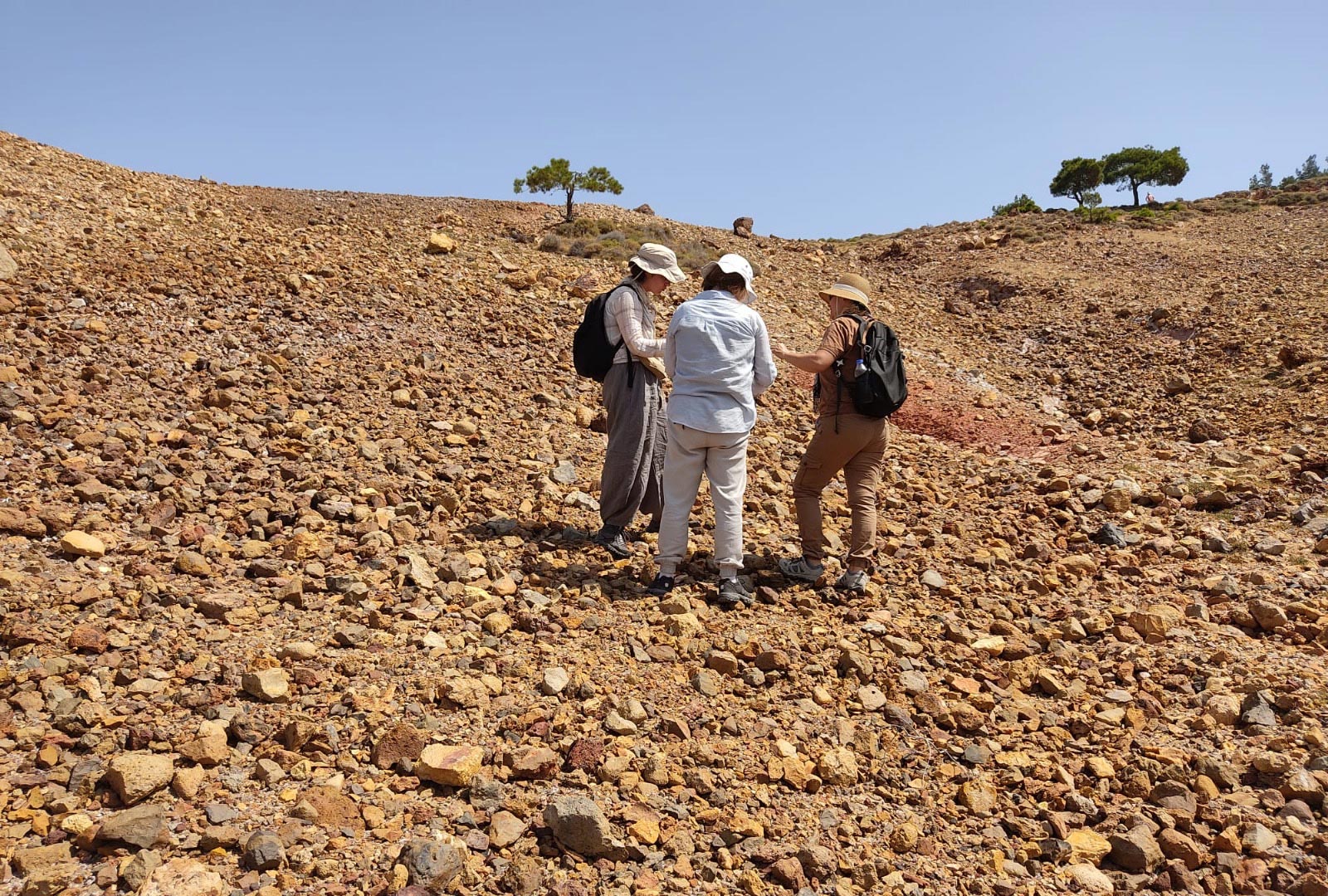
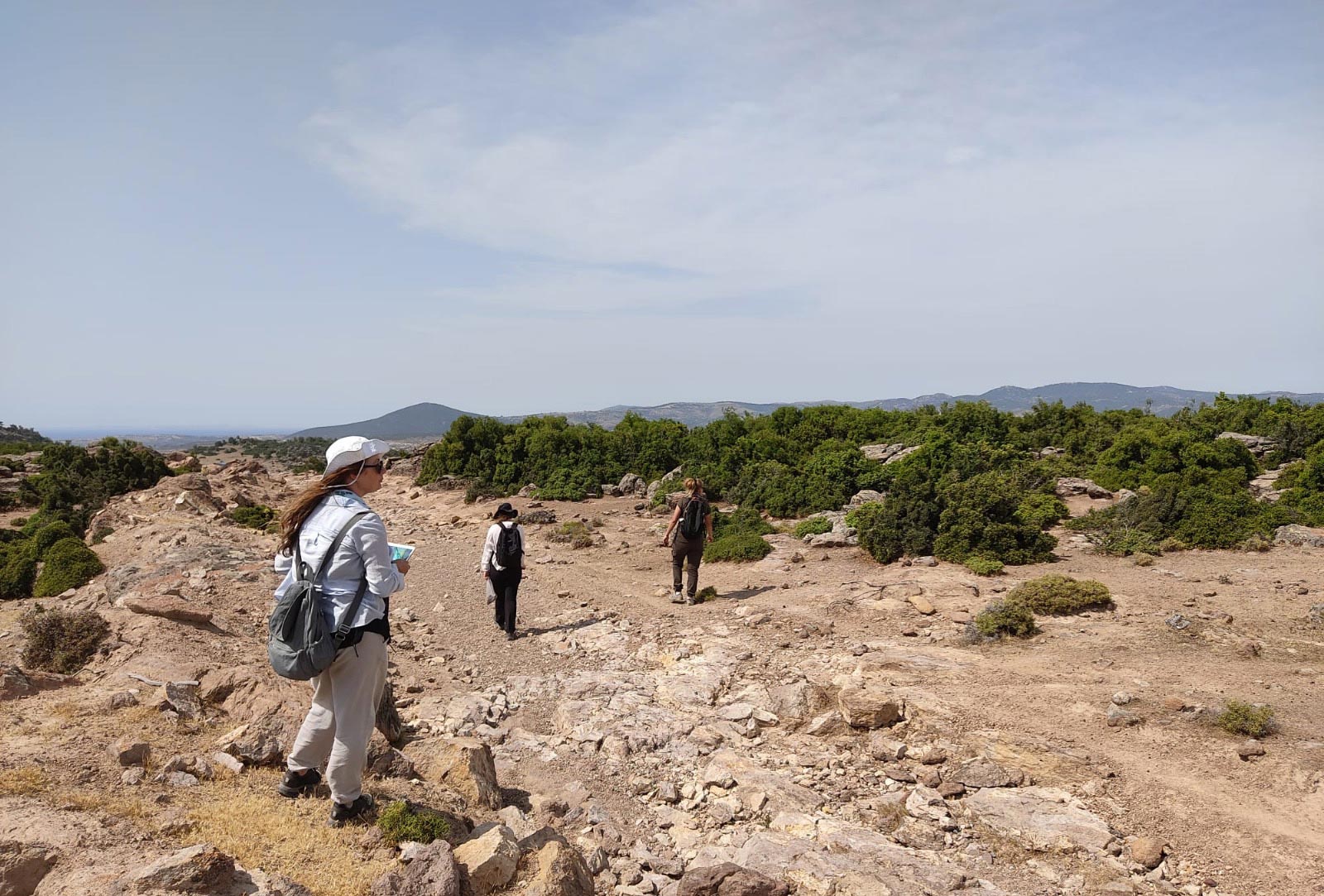
As this was a survey (carried out across a two-week period in June 2022) rather than an excavation, the team could not be certain of what they would find when they set off. They knew from the region’s geology and paleogeography that there was potential. They explored – often muddy, (particularly in lowland basins and coastal plains) – sites by foot.
What followed was a “discovery of such a diverse and well-preserved set of artifacts, which exceeded our expectations,” Dr Karahan says.
Although these recovery efforts were not without challenges, the authors explore what both the challenges and findings reveal in the paper.
They state: “The widespread, muddy cover was considered a limiting factor for the preservation and detectability of Paleolithic materials.
“However, despite these constraints, high-quality raw material sources, such as flint and chalcedony, were identified in multiple locations, including areas affected by alluvial deposition.”
Future potential
Fellow author Dr Hande Bulut, from Düzce University, adds: “Ultimately, the results underline Ayvalık’s potential as a long-term hominin habitat and a key area for understanding Paleolithic technological features in the eastern Aegean.
“While preliminary, the current findings underscore the region’s potential to contribute to broader debates on Aegean connectivity and technological evolution during the Pleistocene.
“Excitingly, the region between the North Aegean and the Anatolian mainland, may still hold valuable clues to early occupation despite the challenges posed by active geomorphological processes.”
The team recommends future research uses a multidisciplinary approach to outline absolute dating, stratigraphic excavation, and paleoenvironmental reconstruction, which they describe as “essential to clarify the temporal depth and functional character of the Ayvalık assemblage.”
Reference: “Discovering the Paleolithic Ayvalık: A Strategic Crossroads in Early Human Dispersals Between Anatolia and Europe” by Hande Bulut, Göknur Karahan and Kadriye Özçelik, 17 September 2025, Journal of Island and Coastal Archaeology.
DOI: 10.1080/15564894.2025.2542777
Never miss a breakthrough: Join the SciTechDaily newsletter.
Follow us on Google and Google News.