

Scientists have discovered that urban sewers may be a surprisingly significant source of methane emissions.
Methane ranks behind carbon dioxide as the world’s second most important greenhouse gas. The Climate and Clean Air Coalition estimates that human-caused methane emissions are responsible for nearly 45% of current net warming, making methane a major driver of climate change.
Now, an international team led by a City University of Hong Kong (CityUHK) scholar has identified sewers as a previously underestimated methane source and created the first estimation tool designed for global use.
The researchers estimate that sewer systems release 1.18 to 1.95 million tons of methane worldwide each year. The finding suggests that wastewater management contributes more to greenhouse gas emissions and warming than previously recognized, and that sewer emissions should be included more accurately in climate accounting and reduction plans.
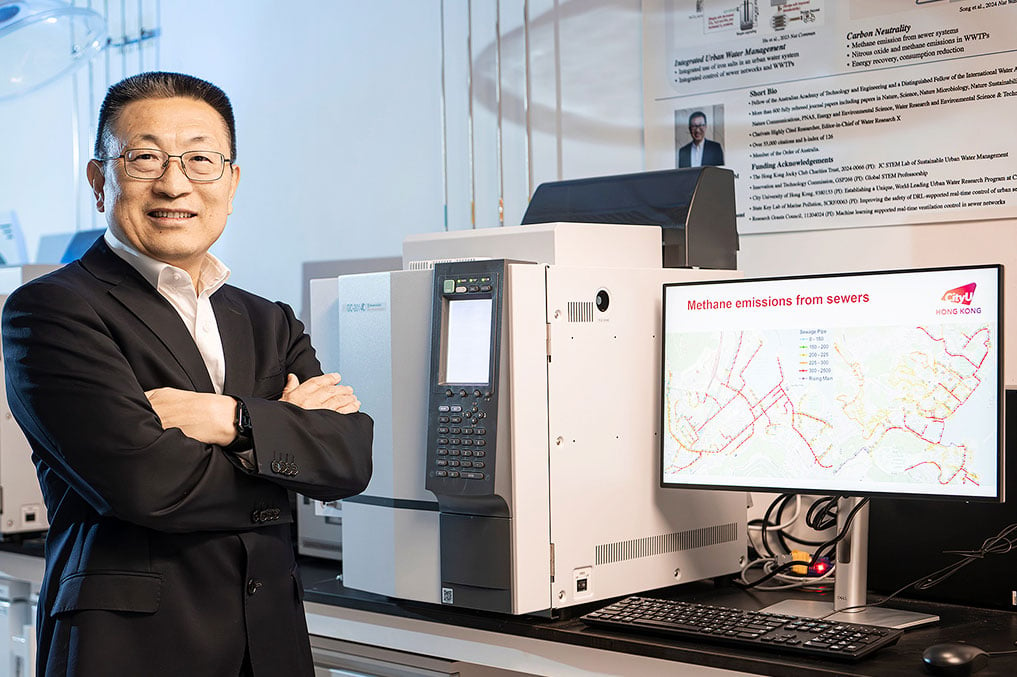
The 20-year research effort was led by Professor Yuan Zhiguo, Chair Professor of the School of Energy and Environment at CityUHK. The team included scholars from The University of Queensland, The Hong Kong Polytechnic University, Tianjin University, and Tongji University. Their study was recently published in Nature Water.
Sewers were wrongly overlooked
Urban sewers have often been treated as a negligible methane source because wastewater was thought to move through them too quickly for substantial methane formation, and because emissions from sewer networks are hard to measure and quantify. As a result, greenhouse gas inventories from the IPCC and many countries currently assume that methane emissions from urban sewers are zero.
Yet sewage contains large amounts of biodegradable organic matter, while oxygen-poor conditions are common inside sewer systems. Together, those factors can create an environment where methane can form.
A model built from pipes
Professor Yuan’s research team has long focused on new approaches for wastewater systems and environmental biotechnology. In 2008, the team developed the SeweX model, which simulates physical, chemical, and biological processes inside sewers, including the production of hydrogen sulfide and methane.
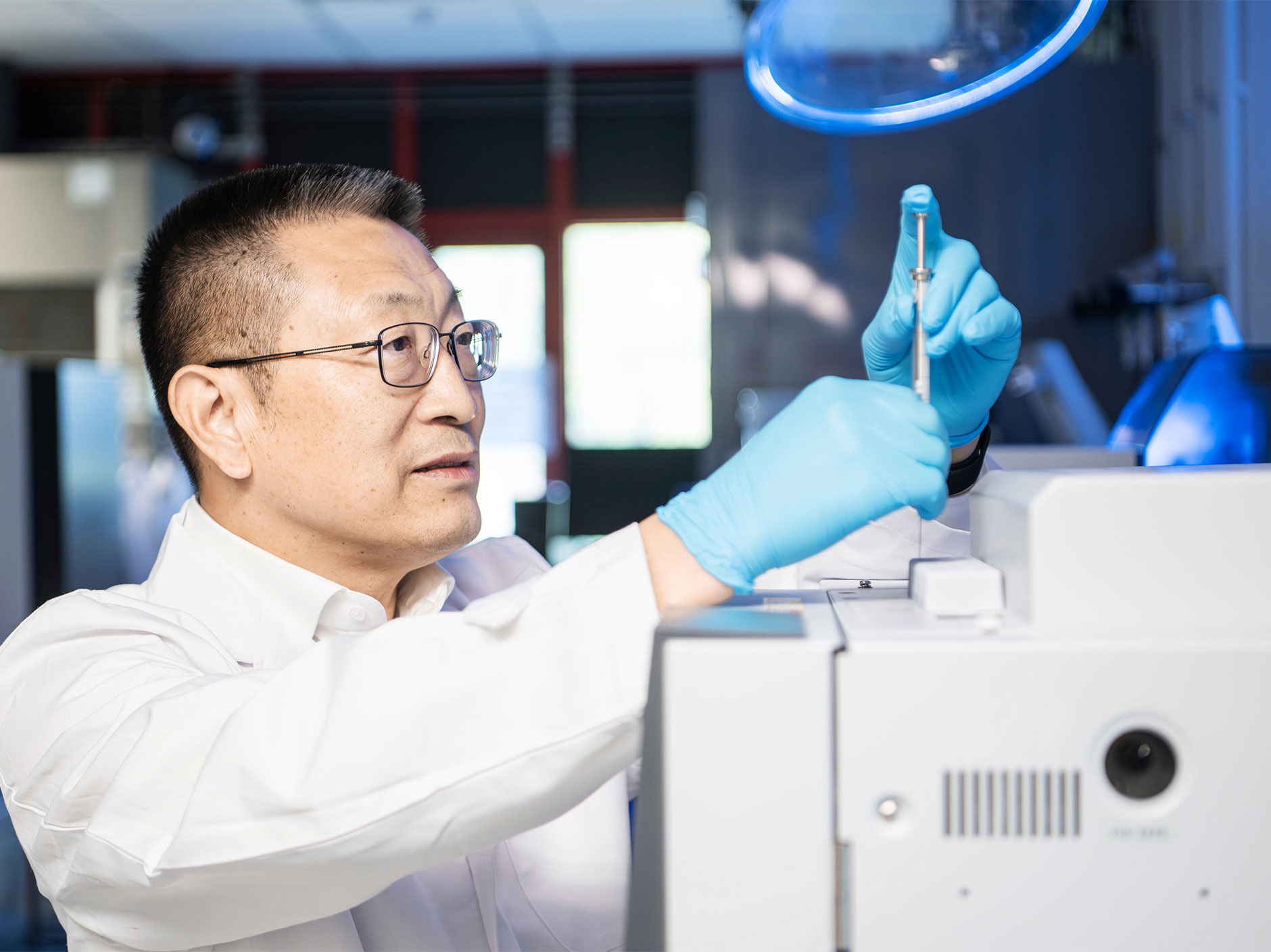
Because field data were limited for calibrating the methane prediction parts of SeweX, the team gathered measurements from sewer networks in Australia using a customized online sensor. Those data were used to calibrate and validate the model.
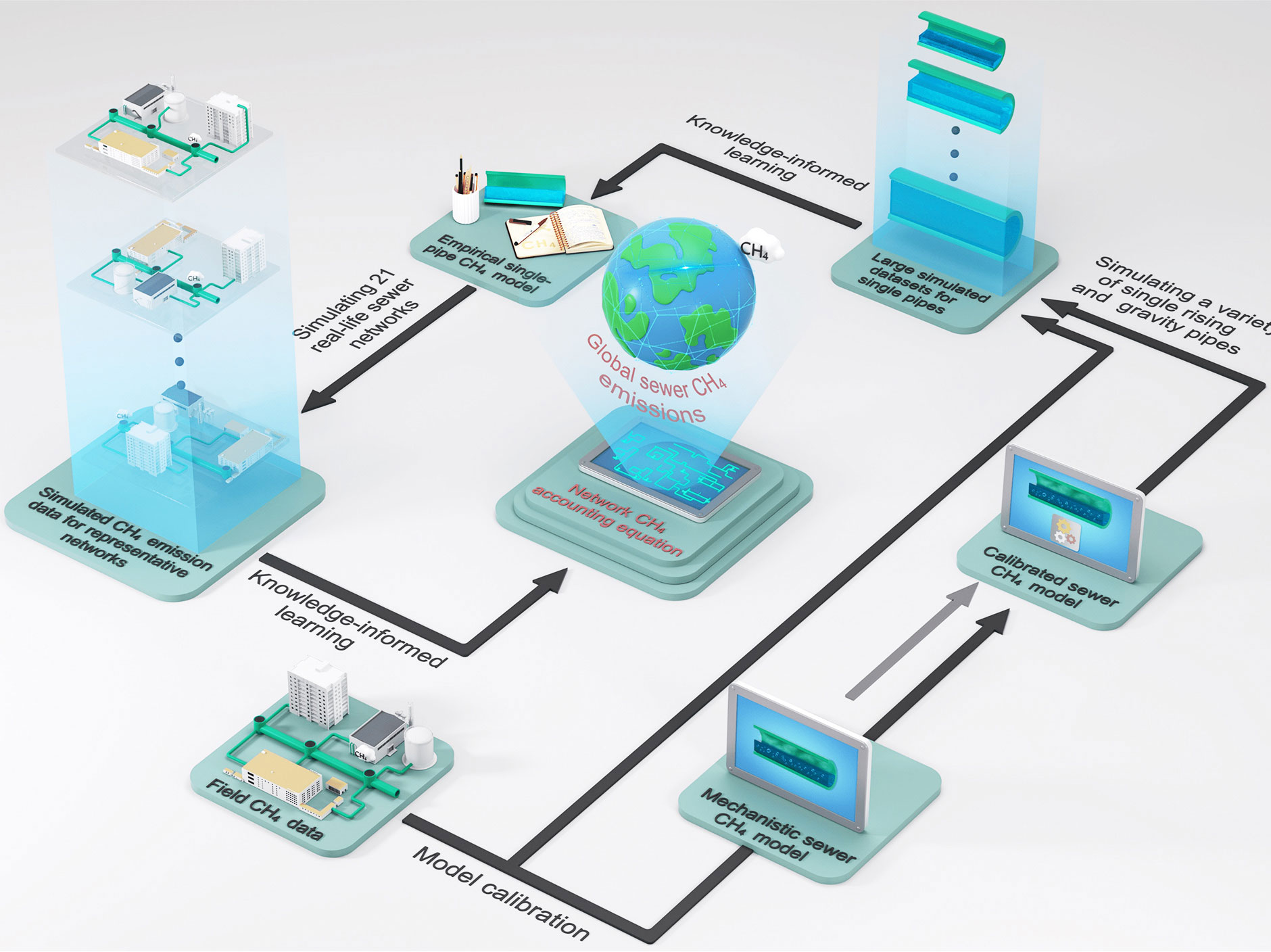
After calibrating SeweX, the researchers modeled nearly 3,000 pipeline scenarios with different structures and operating conditions. Their results showed that methane production in sewers is closely linked to the wetted surface of pipes. From that finding, they developed a simplified model that can estimate sewer methane emissions using information such as pipe size, slope, designed and actual average dry weather flows, and wastewater temperature.
The model was then tested against real-world data from 21 cities in Australia, the United States, China, and Belgium, leading to a comprehensive tool for estimating methane emissions from sewer systems.
Wastewater’s hidden climate cost
Using the new tool, the team estimated that sewer systems worldwide release about 1.18 to 1.95 million tons of methane each year. That would add 1.7% to 3.3% to current estimates of global methane emissions from the waste sector, and about 16% to 38% to the estimated overall carbon footprint of wastewater management.
Professor Yuan remarked, “Our research confirms that sewers are not a zero-emission source; rather they represent a quantifiable source of methane emissions with significant global climate implications. As urban sewers continue to expand, their potential methane emissions will also increase. Therefore, including them in the greenhouse gas accounting system will help improve national greenhouse gas inventories and provide a new entry point for emissions reduction, further advancing the global goal of sustainable development.”
Reference: “Estimating methane emissions from global sewer networks” by Keshab Sharma, Jiuling Li, Tao Liu, John Willis, Yiwen Liu, Zhiyu Zhang and Zhiguo Yuan, 2 February 2026, Nature Water.
DOI: 10.1038/s44221-025-00574-w
Funding: Australian Research Council, City of Gold Coast, Melbourne Water Corporation, South East Water, Water Corporation Western Australia, and District of Columbia Water and Sewer Authority (LP110201095, Z.Y. and K.S.); Water Research Foundation (U5R12a/4885a and U5R12a/4885b, to J.W., K.S. and Z.Y.); Innovation, Technology and Industry Bureau (ITIB), Education Bureau (EDB) of the Government of the Hong Kong SAR, China (GSP266, to Z.Y.); The Hong Kong Jockey Club Charities Trust (2024-0066, to Z.Y.); Australian Research Council (LP210300584 and IE250100256, to J.L.)
Never miss a breakthrough: Join the SciTechDaily newsletter.
Follow us on Google and Google News.
2 Comments
“The finding suggests that wastewater management contributes more to greenhouse gas emissions and warming than previously recognized, …”
That means the contribution from fossil fuels is lower than generally claimed because, regardless of the source, we have measurements from around the world that give us good estimates on the concentration and annual increase of global methane.
I doubt that an annual increase of about 0.01 parts per million molar fraction per year (out of a total concentration of less than 2 PPMv) can account for 45% of the historical increase in methane. See here: https://wattsupwiththat.com/2023/03/06/the-misguided-crusade-to-reduce-anthropogenic-methane-emissions/
The above should read, “… historical increase in global temperature,” NOT methane. Obviously, the annual increase in methane accounts for 100% of the historical increase in methane.