
Close Menu
    Facebook X (Twitter) Instagram
    SciTechDaily
    • Biology
    • Chemistry
    • Earth
    • Health
    • Physics
    • Science
    • Space
    • Technology
    Facebook X (Twitter) Pinterest YouTube RSS
    SciTechDaily
    Home»Health»Scientists Discover How To Turn Gut Microbiome Into a Longevity Factory
    Health

    Scientists Discover How To Turn Gut Microbiome Into a Longevity Factory

    By Howard Hughes Medical InstituteNovember 16, 2025No Comments3 Mins Read
    Facebook Twitter Pinterest Telegram LinkedIn WhatsApp Email Reddit
    Share
    Facebook Twitter LinkedIn Pinterest Telegram Email Reddit
    Intestinal Gut Bacteria Microbiome
    A new study has uncovered a way to stimulate gut bacteria into producing molecules linked to healthier aging. Early tests in worms and mice hint at surprising metabolic effects triggered by a simple, non-absorbed antibiotic. Credit: Shutterstock

    Researchers found that a non-absorbed antibiotic can trigger gut bacteria to make longevity-promoting compounds.

    A research team has discovered a method for turning the bacteria that live in animal digestive systems to function like miniature factories capable of generating compounds that support longer life in their hosts, showing a potential new direction for drug development.

    Janelia Senior Group Leader Meng Wang and her colleagues focus on the biology of aging, and they wanted to explore how their discoveries about longevity-enhancing compounds might be applied in real-world settings.

    One approach they pursued involved encouraging the gut microbiota (the diverse community of bacteria in the digestive tract that produces numerous chemical substances) to make metabolites that positively influence the animals they inhabit. Their initial target was colanic acid, a gut bacterial compound previously shown to extend lifespan in roundworms and fruit flies.
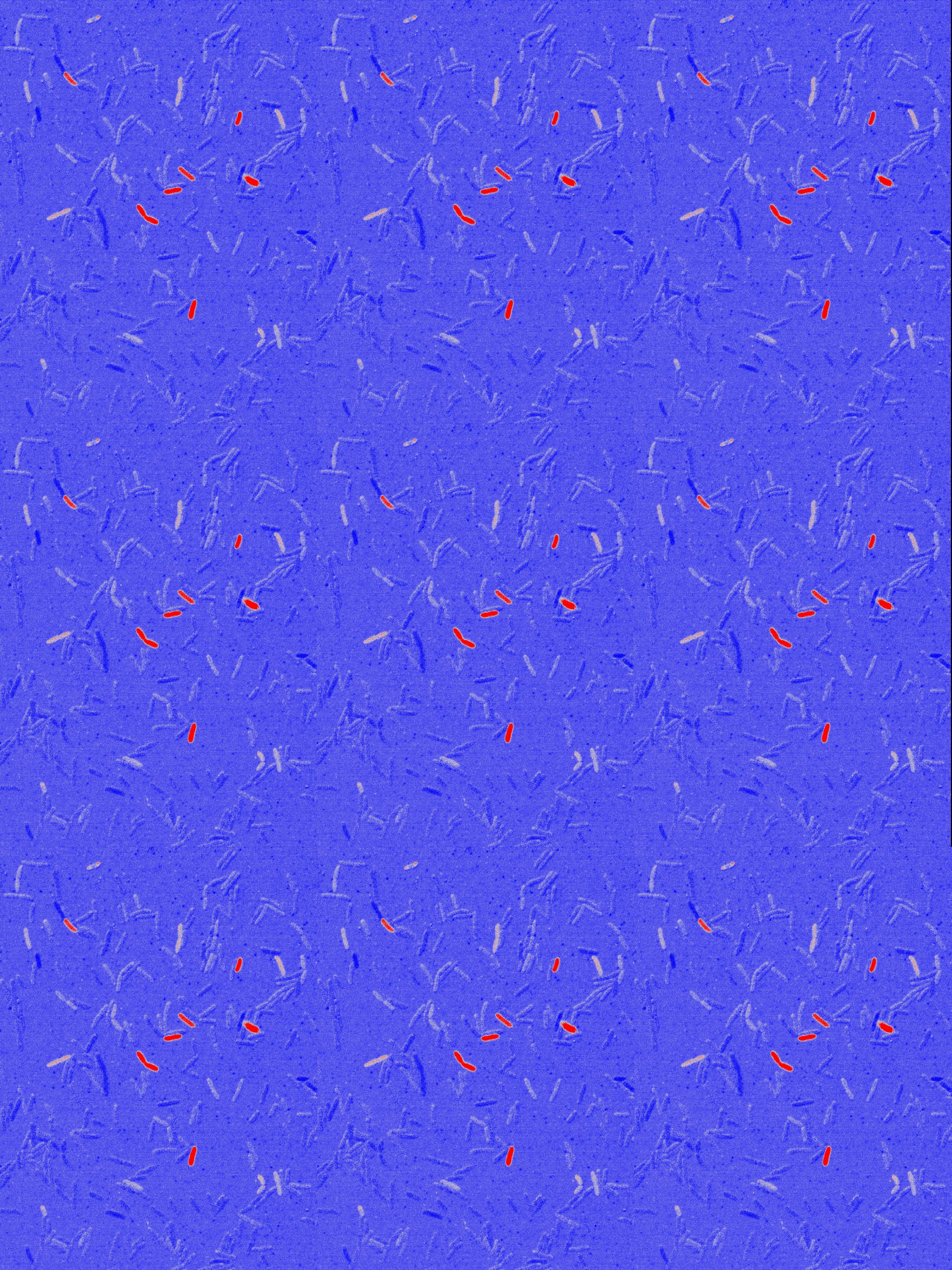
    Cephalordine and Cps Operon Graphic
    New research finds that low doses of the antibiotic cephalordine induces the cps operon in bacteria, visualized in red. This operon is responsible for synthesizing colanic acids, resulting in attenuation of age-related metabolic changes. Credit: Meng Wang

    In new research, Wang’s team shows that bacteria overproduce colanic acids when exposed to low doses of the antibiotic cephaloridine, and roundworms treated with cephaloridine lived longer.

    Effects Observed in Mice

    In mice, low doses of cephaloridine induced transcription in a portion of the gut bacteria’s genome responsible for synthesizing colanic acids. This resulted in changes in age-related metabolic changes in the animals: increases in good cholesterol and decreases in bad cholesterol in males and reductions in insulin levels in females.

    Because cephaloridine does not get absorbed by the body if it is ingested orally, the antibiotic induces changes in the gut microbiome without affecting the rest of the animal’s body, eliminating side effects and toxicity.

    The researchers say the new work highlights a promising path for leveraging bacteria-targeting drugs to promote longevity. They hope it can also inspire a new way of thinking about drug development. Rather than developing drugs that target the body directly, the research suggests scientists could potentially design compounds that target the microbiota, inducing changes that enable them to produce compounds beneficial to their host animals.

    Reference: “Chemical modulation of gut bacterial metabolism induces colanic acid and extends the lifespan of nematode and mammalian hosts” by Guo Hu, Marzia Savini, Matthew Brandon Cooke, Xin Wei, Dinghuan Deng, Shihong M. Gao, Ruyue Alps Xia, Youchen Guan, Alice X. Wen, Xin Yu, Jin Wang, Chao Jiang, Christophe Herman, Jiefu Li and Meng C. Wang, 11 November 2025, PLOS Biology.
    DOI: 10.1371/journal.pbio.3002749

    Never miss a breakthrough: Join the SciTechDaily newsletter.
    Follow us on Google and Google News.

    Gut Howard University Longevity Microbiology Popular
    Share. Facebook Twitter Pinterest LinkedIn Email Reddit

    Related Articles

    Your Gut Bacteria Might Hold the Secret to a Longer, Healthier Life

    Low-Carb Diets May Fuel Colorectal Cancer, Concerning New Study Reveals

    Lean Red Meat: Scientists Uncover Surprising Secret to a Healthy Gut and Heart

    Intestinal Bacteria – The Secret to Living to 100?

    Drinking 1% vs 2% Milk Associated With a Significant Difference in Aging

    Tea Drinkers Live Longer, Healthier Lives – Here’s What You Need to Know

    Protein Levels in People’s Blood Accurately Predicts Their Age – Aging Isn’t Smooth Continuous Process

    Warning: Deadly Superbugs Lurking in More Than 90% of Make-Up Bags

    Study: Eat Apples and Drink Tea to Live Longer

    Leave A Reply Cancel Reply

    • Facebook
    • Twitter
    • Pinterest
    • YouTube

    Don't Miss a Discovery

    Subscribe for the Latest in Science & Tech!

    Trending News

    Even Occasional Binge Drinking May Triple Liver Damage Risk

    Liftoff! NASA’s Artemis II Launch Sends Astronauts Around the Moon for First Time in 50 Years

    Scientists Discover New Way To Eliminate “Zombie Cells” Driving Aging

    This New Quantum Theory Could Change Everything We Know About the Big Bang

    This One Vitamin May Help Protect Your Brain From Dementia Years Later

    Stopping Weight-Loss Drugs Like Ozempic Can Quickly Erase Heart Benefits

    A 500-Million-Year-Old Surprise Is Forcing Scientists to Rethink Spider Evolution

    Coffee and Blood Pressure: What You Need To Know Before Your Next Cup

    Follow SciTechDaily
    • Facebook
    • Twitter
    • YouTube
    • Pinterest
    • Newsletter
    • RSS
    SciTech News
    • Biology News
    • Chemistry News
    • Earth News
    • Health News
    • Physics News
    • Science News
    • Space News
    • Technology News
    Recent Posts
    • Chemists Thought Phosphorus Was Fully Understood – They Were Wrong
    • Scientists Discover Strange Property of Rice and Turn It Into a Smart Material
    • New Water Filter Removes up to 98% of Hard-To-Catch “Forever Chemicals”
    • This Nearby Earth-Sized Planet Could Answer Big Questions About Alien Worlds
    • A Fiery Finale: How NASA’s Artemis II Moon Mission Returns to Earth
    Copyright © 1998 - 2026 SciTechDaily. All Rights Reserved.
    • Science News
    • About
    • Contact
    • Editorial Board
    • Privacy Policy
    • Terms of Use

    Type above and press Enter to search. Press Esc to cancel.