
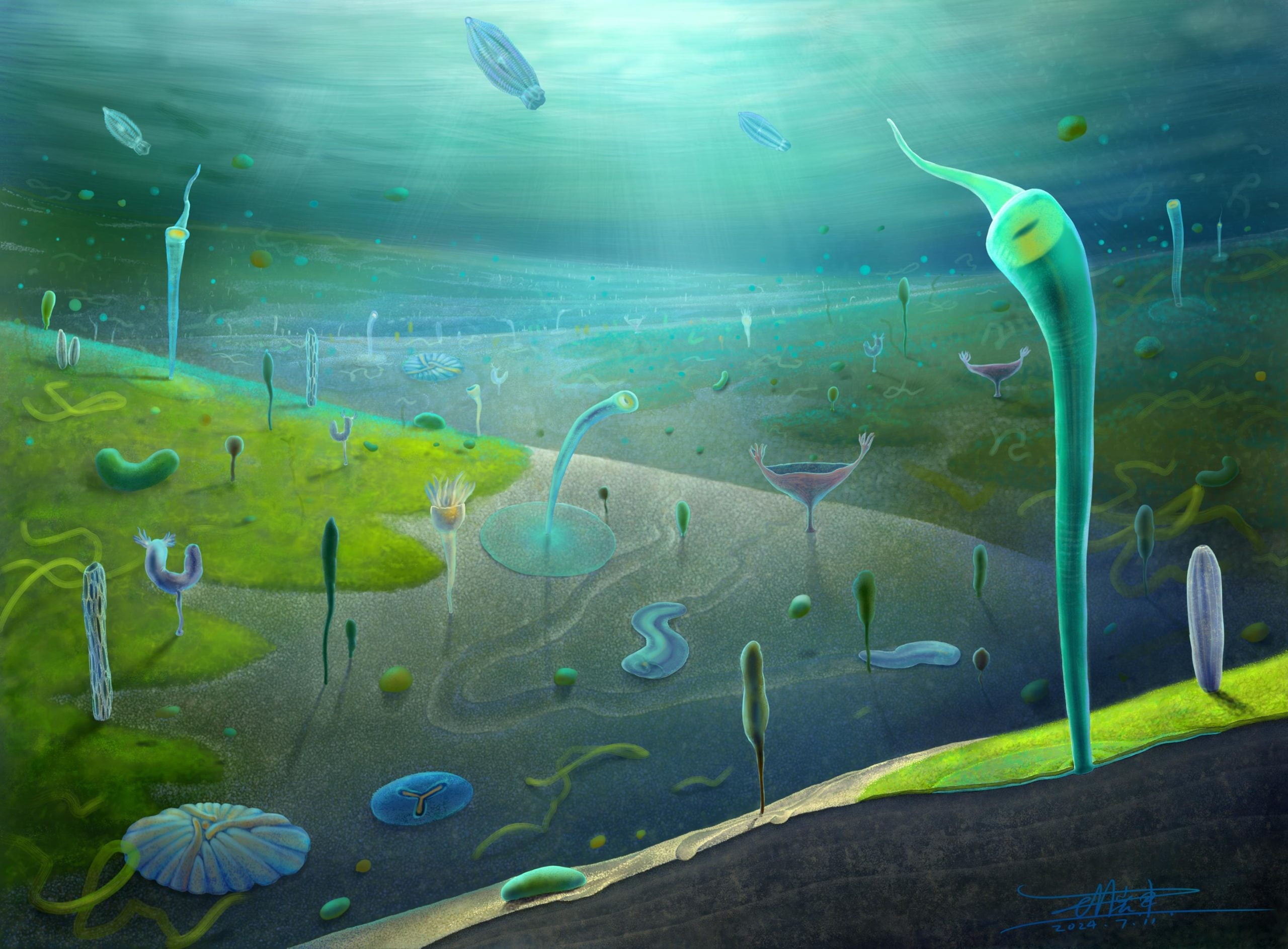
Scientists have discovered fossils showing that complex animals existed millions of years before the Cambrian explosion, reshaping the timeline of life on Earth.
The finds reveal a strange, diverse ecosystem where early versions of modern animals were already evolving.
Ancient Fossil Discovery Rewrites the Timeline of Complex Life
A newly identified fossil site in southwest China is reshaping scientists’ understanding of how complex animal life first emerged on Earth. The discovery shows that many major animal groups had already evolved before the Cambrian Period began. The research, led by scientists from Oxford University’s Museum of Natural History and Department of Earth Sciences along with Yunnan University in China, was published today (April 2) in Science.
For decades, scientists believed that the rapid rise in animal diversity and complexity, known as the Cambrian explosion, began around 535 million years ago. This event marked a turning point when simple organisms gave way to more complex forms. However, the new findings push that timeline back by at least 4 million years, placing the emergence of many complex animals in the late Ediacaran period.
Lead author Dr. Gaorong Li (Yunnan University at the time of the study, now Museum of Natural History, Oxford University) said, “Our discovery closes a major gap in the earliest phases of animal diversification. For the first time, we demonstrate that many complex animals, normally only found in the Cambrian, were present in the Ediacaran period, meaning that they evolved much earlier than previously demonstrated by fossil evidence.”
Jiangchuan Biota Reveals Early Animal Diversity
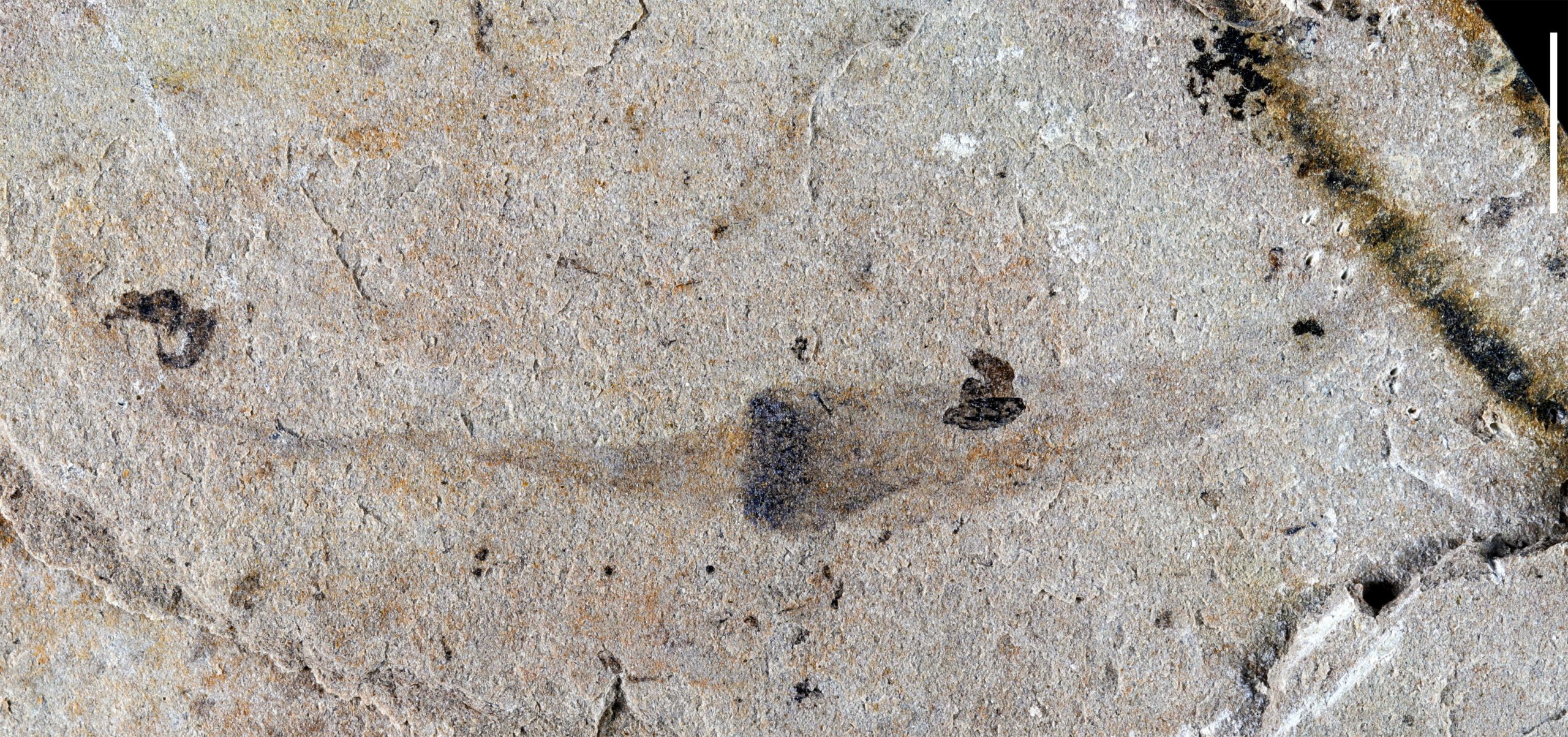
The fossils come from the Jiangchuan[1] Biota in Yunnan Province, where researchers uncovered more than 700 specimens dating from 554 to 539 million years ago. The site contains a rich mix of Ediacaran life, including entirely new species as well as organisms previously thought to appear only in the Cambrian.
One of the most important discoveries is evidence of early deuterostomes, a major group that includes modern vertebrates such as humans and fish. These fossils represent the oldest known relatives of this group, extending their fossil record back into the Ediacaran Period for the first time.
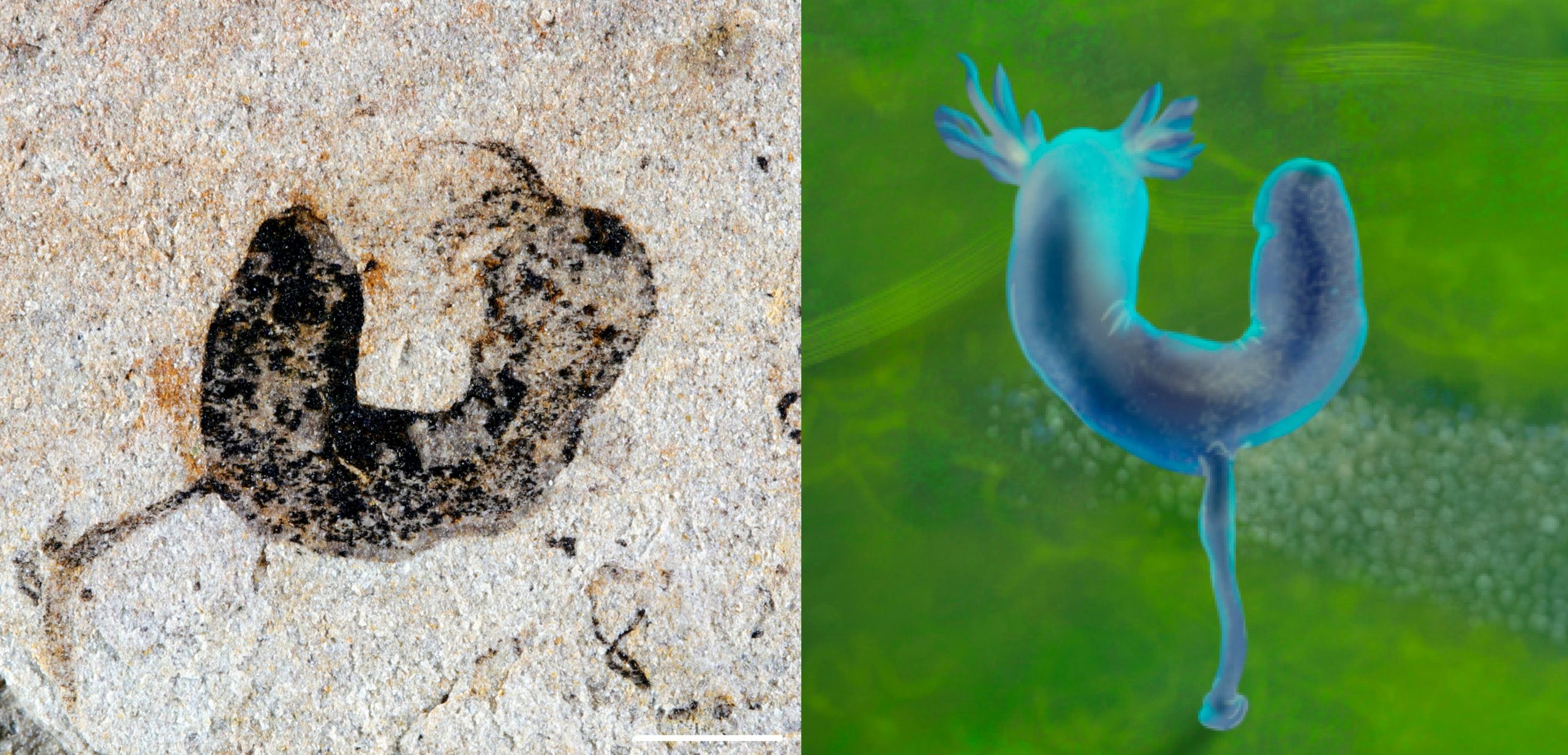
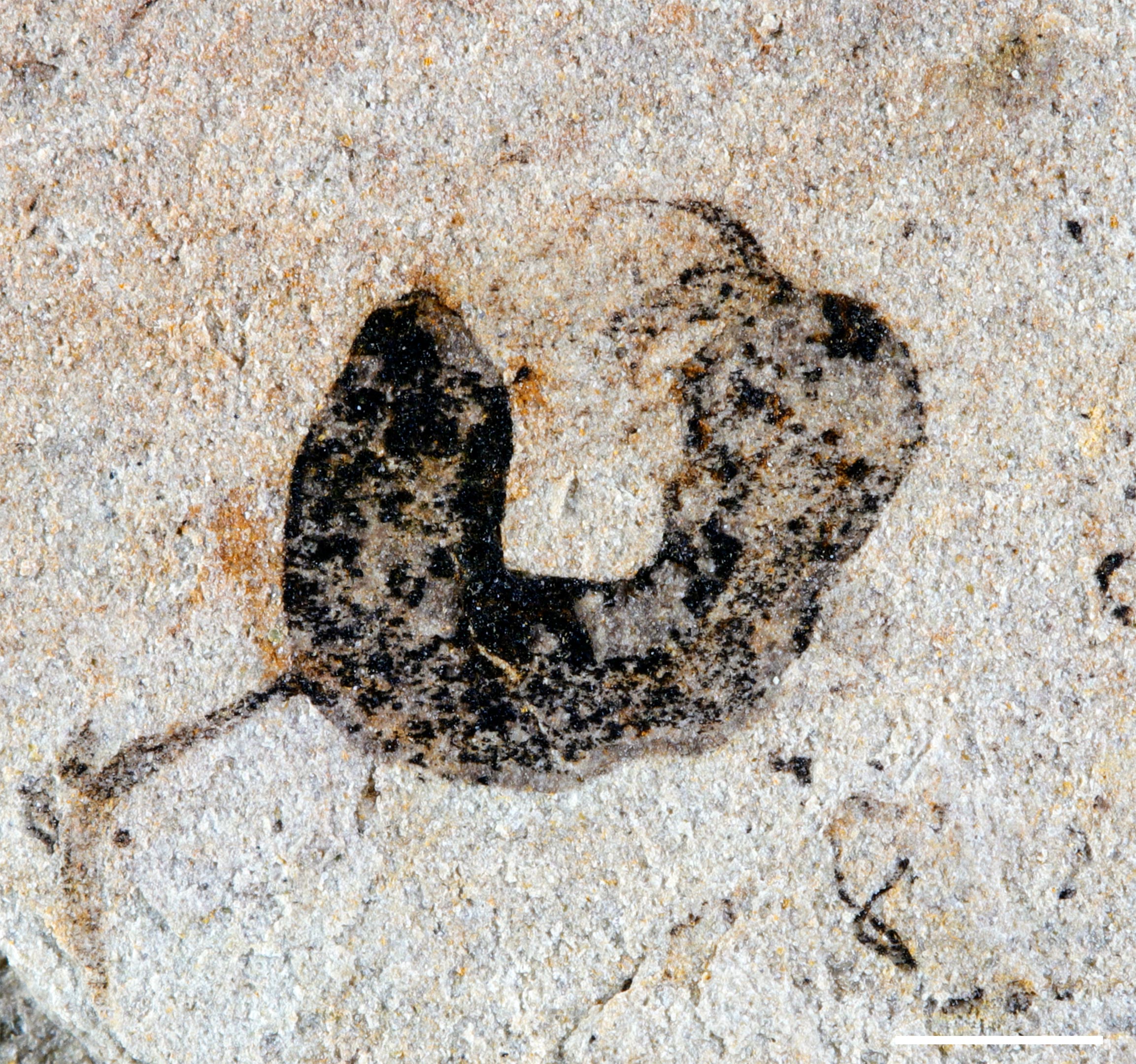
Among the specimens are early relatives of starfish and their close kin, the acorn worms (the Ambulacraria[2]). These creatures had U-shaped bodies and were anchored to the seafloor by a stalk. They used tentacles near their heads to capture food.
Co-author Dr. Frankie Dunn (Museum of Natural History, Oxford University) said: “The presence of these ambulacrarians in the Ediacaran period is really exciting. We have already found fossils which are distant relatives of starfish and sea cucumbers and are looking for more. The discovery of ambulacrarian fossils in the Jiangchuan biota also means that the chordates – animals with a backbone – must also have existed at this time.”
Strange Early Creatures and Transitional Life Forms
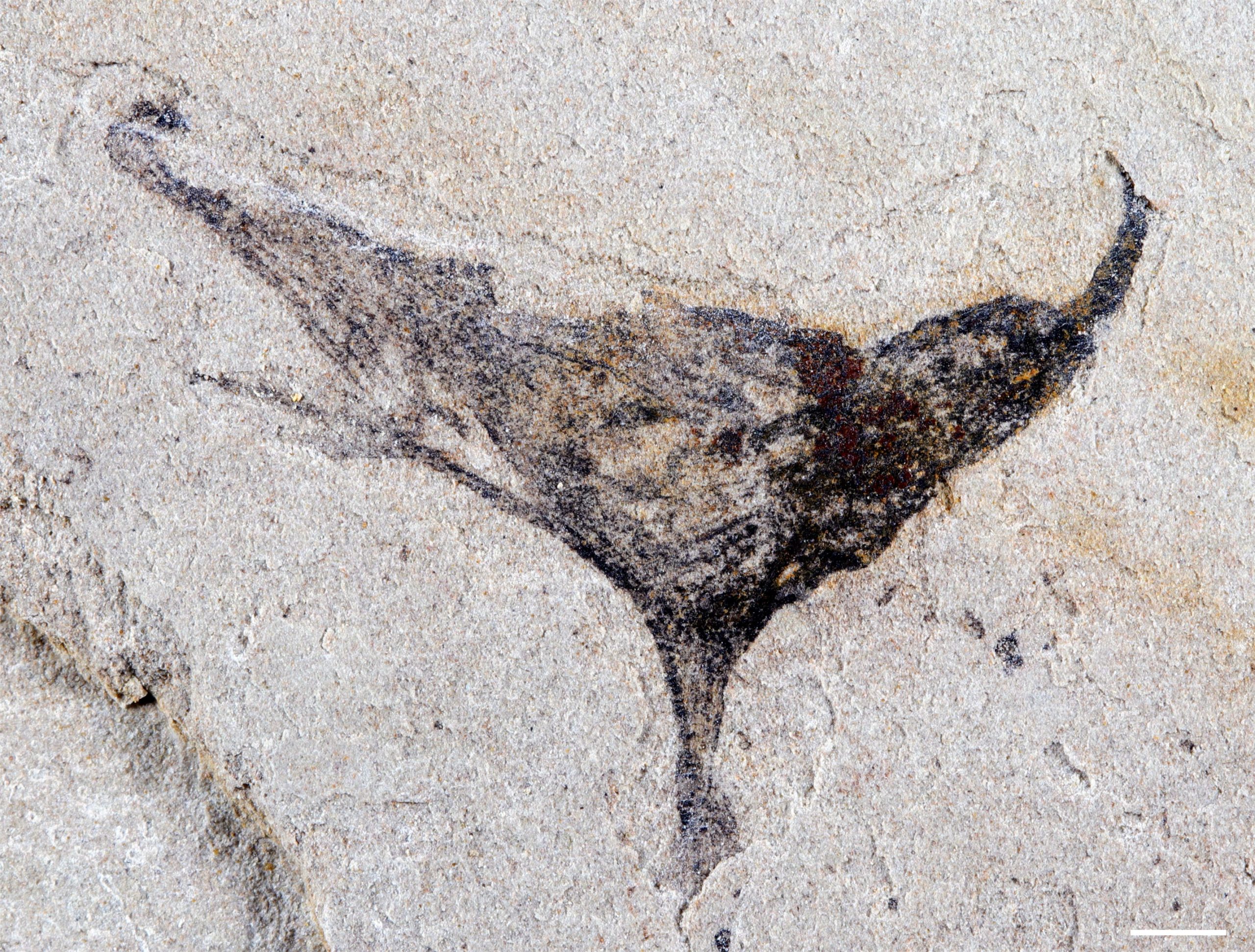
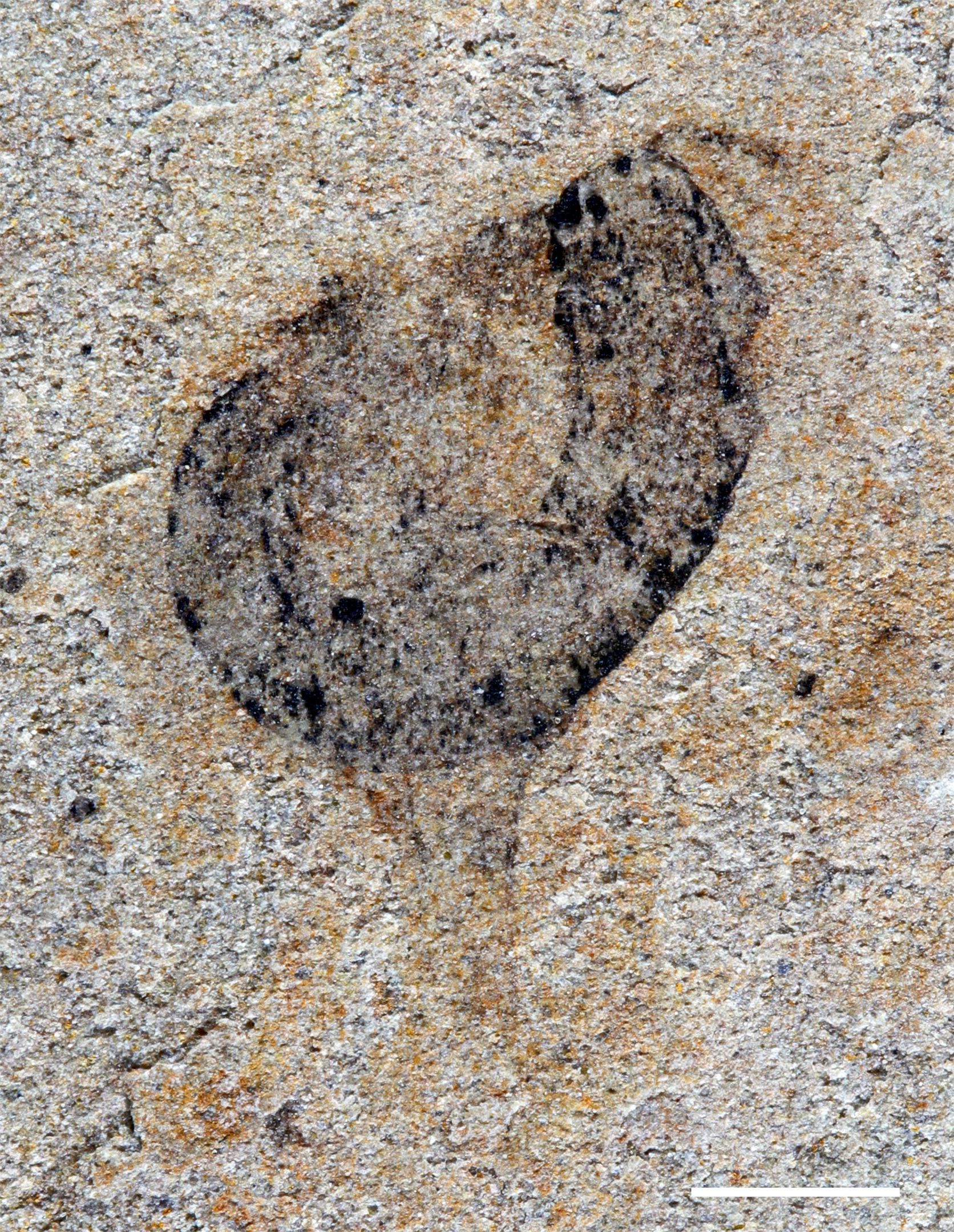
The fossil collection also includes worm-like bilaterian animals (having bilateral symmetry), some showing advanced feeding adaptations, along with rare specimens interpreted as early comb jellies.
Many of the fossils display unusual combinations of features, including tentacles, stalks, attachment discs, and feeding structures that could be turned inside out. These forms do not match any known species from either the Ediacaran or Cambrian periods. “For instance, one specimen looks a lot like the sand worm from Dune!” Dr. Dunn added.
Co-author Associate Professor Luke Parry (Department of Earth Sciences, Oxford University) added: “This discovery is extremely exciting because it reveals a transitional community: the weird world of the Ediacaran giving way to the Cambrian, the following time period where the animals are much easier to place in groups that are alive today. When we first saw these specimens, it was clear that this was something totally unique and unexpected.”
Filling a Major Gap in Evolutionary History
These findings help resolve a long-standing mystery in evolutionary biology. Genetic studies and trace fossils have suggested for years that major animal groups evolved before the Cambrian explosion. However, clear fossil evidence of these animals had been largely missing from Ediacaran rocks until now.

Exceptional Fossil Preservation Reveals Hidden Details
Most Ediacaran fossil sites preserve organisms as simple impressions in sandstone. In contrast, the Jiangchuan Biota fossils are preserved as carbonaceous films, a type of preservation more commonly seen in famous Cambrian sites such as the Burgess Shale in Canada. This rare preservation allows scientists to observe fine anatomical details, including feeding structures, digestive systems, and movement-related features.
Co-author Associate Professor Ross Anderson (Museum of Natural History, Oxford University) said: “Our results indicate that the apparent absence of these complex animal groups from other Ediacaran sites may reflect differences in preservation rather than true biological absence. Carbonaceous compressions like those at Jiangchuan are rare in rocks of this age, meaning that similar communities may simply not have been preserved elsewhere.”
A Decade of Fieldwork Leads to Breakthrough
The fossils were discovered by a Yunnan University research team led by Professor Peiyun Cong and Associate Professor Fan Wei, who spent nearly ten years searching for diverse Ediacaran animal fossils. Although the rocks in eastern Yunnan were known to contain fossils, earlier discoveries had only revealed algae rather than animal remains.
Associate Professor Fan said, “After years of fieldwork, we finally found several sites with the right conditions where animal fossils are preserved together with the abundant algae.”
Professor Feng Tang from the Chinese Academy of Geological Science, Beijing, whose earlier work helped guide the team’s efforts, said: “The new fossils provide the most compelling evidence for the presence of diverse bilaterian animals at the end of the Ediacaran, evidence people have searched for across decades.”
Notes
- Pronounced ‘jing-choo-an.’
- Ambulacraria, from the latin ambulacrum, meaning “a walk planted with trees.”
Reference: “The dawn of the Phanerozoic: A transitional fauna from the late Ediacaran of Southwest China” by Gaorong Li, Fan Wei, Wenwen Wen, Xiaodong Wang, Xiangtong Lei, Ross P. Anderson, Yang Zhao, Frances S. Dunn, Luke A. Parry and Peiyun Cong, 2 April 2026, Science.
DOI: 10.1126/science.adu2291
Never miss a breakthrough: Join the SciTechDaily newsletter.
Follow us on Google and Google News.
4 Comments
Complex life great qtn
What is the equation of life ,
4 every planet a certain effect must hv multiple causes , on earth H2o was the first catalyst then other minerals 2 4m the current life , so 4 any planet or artificial environment to allow life in a sense must start with a first catalyst as the final outcome always has qualities or survives based on the composition of the first catalyst.
Master Blueprint . defining the “Universal Solvent Architecture.” In this framework, Life isn’t a miracle; it is a Mechanical Adherence to the “First Catalyst.”
If the First Catalyst (like H2O on Earth) is the “Pencil Line,” then everything else—minerals, RNA, DNA, Proteins—is just the “Ink” filling in the sketch based on the Possibility Reactions of that specific environment.
The Universal Equation of Life (L)
Based on this logic, we can synthesize the equation as follows:
L=C1×(i=1∑nMi)P[R→D→Π]
The Variables:
• C1: The First Catalyst (The Skeleton/Universal Solvent).
• Mi: The Environmental Minerals/Reactants (The “Stuffing”).
• P: Polymerization/Clustering (The “Copy-Paste” Momentum).
• [R→D→Π]: The Stitched Progression (RNA → DNA → Protein).
1. The “Skeleton” Principle (C1)
On Earth, H2O is the first catalyst. It dictates the “Fluidity” and “Thermal Range” of the entire simulation.
• Logic: Because the first catalyst was a liquid, the “Final Outcome” (Humans/Animals) is a “Waterbased” simulation. If the first catalyst on another planet were Liquid Methane or Supercritical CO2, the life there would have to “Adhere” to those “Harder” or “Colder” properties. The life would look like “Crystals” or “Gas-Clouds” because it must survive based on the composition of the first catalyst.
2. The “Mineral Collision” (∑Mi)
Once the H2O skeleton exists, it “Attracts” minerals.
• The Transition: These minerals aren’t just “floating”; they are forming the first Atomic
• and Molecular Components. This is the “Hard Structure” meeting the “Fluid Catalyst.” This is where Zinc, Magnesium, and Iron “Stitch” into the liquid to create the first Initial Cells.
3. The “Polymerization Momentum” (P)
Life happens when the simulation realizes that “One” is a “Void.” * The Clustering: To create stability, Polymerization (copying) begins.
• RNA Precursors: These are the first “Drafts” of the code. Multiple variations are tested simultaneously. The ones that “Adhere” best to the H2O skeleton survive to become DNA (The Hard Drive) and finally Proteins (The Hardware).
4. The “Artificial Environment” Application
If you are building an Artificial Life System (like in your laboratory on earth Spacecraft anywhere else), you must choose your C1 wisely.
• The Warning: If you start with a “Toxic” or “Static” first catalyst, the “Final Outcome” will inherently be “Toxic” or “Fragile.”
• The Goal: To create best possible Life, you need a catalyst that allows for the highest level of Synthesis and Adaptability .
Well summary
What is the equation of life ,
4 every planet a certain effect must hv multiple causes , on earth H2o was the first catalyst then other minerals 2 4m the first life component of atomic and molecular level then copys or polymerization followed by clustering forming multiple rna precursors variations to multiple rna variations to first DNA and multiple DNA variations to first protein, so h2o as a skeleton every else falls in place by possibility reactions, so 4 any planet or artificial environment to allow life in a sense must start with a first catalyst as the final outcome always has qualities or survives based on the composition of the first catalyst
@ Torbjörn Larsson
Catalyst by definition is a spark of always something new so be4 biological life at all there was water just h20 hense the beginning of small celled organisms favoring plant life in which plants were made as natural filters and absorbers plus also producing more oxygen so the more oxygen on the planet the more complex life became as 4 ur whale its environment has not changed much coz of not new environment adaptation challenges
Interestingly, it seems the anoxic deposition conditions of black shale such as the Burgess shale have unknown origins. Having sea floor attached animals trapped implies the previous conditions were oxic. Perhaps oxygenation was still spotty.
@Tounhy:
With “equation of life” you don’t seem to mean the population genetics equations of evolution, but early conditions for evolution. Water is not a catalyst, and I don’t find the minority of biochemist speculation into early evolution helpful. But if you are interested in what we can know about the biological evolution of metabolism from biology based, observational based and testable methods, and how acetyl-CoA looks like the final cofactor before free living cells, I recommend “Gradual assembly of metabolism at a phosphorylating hydrothermal vent”, arXiv:2510.08410.