
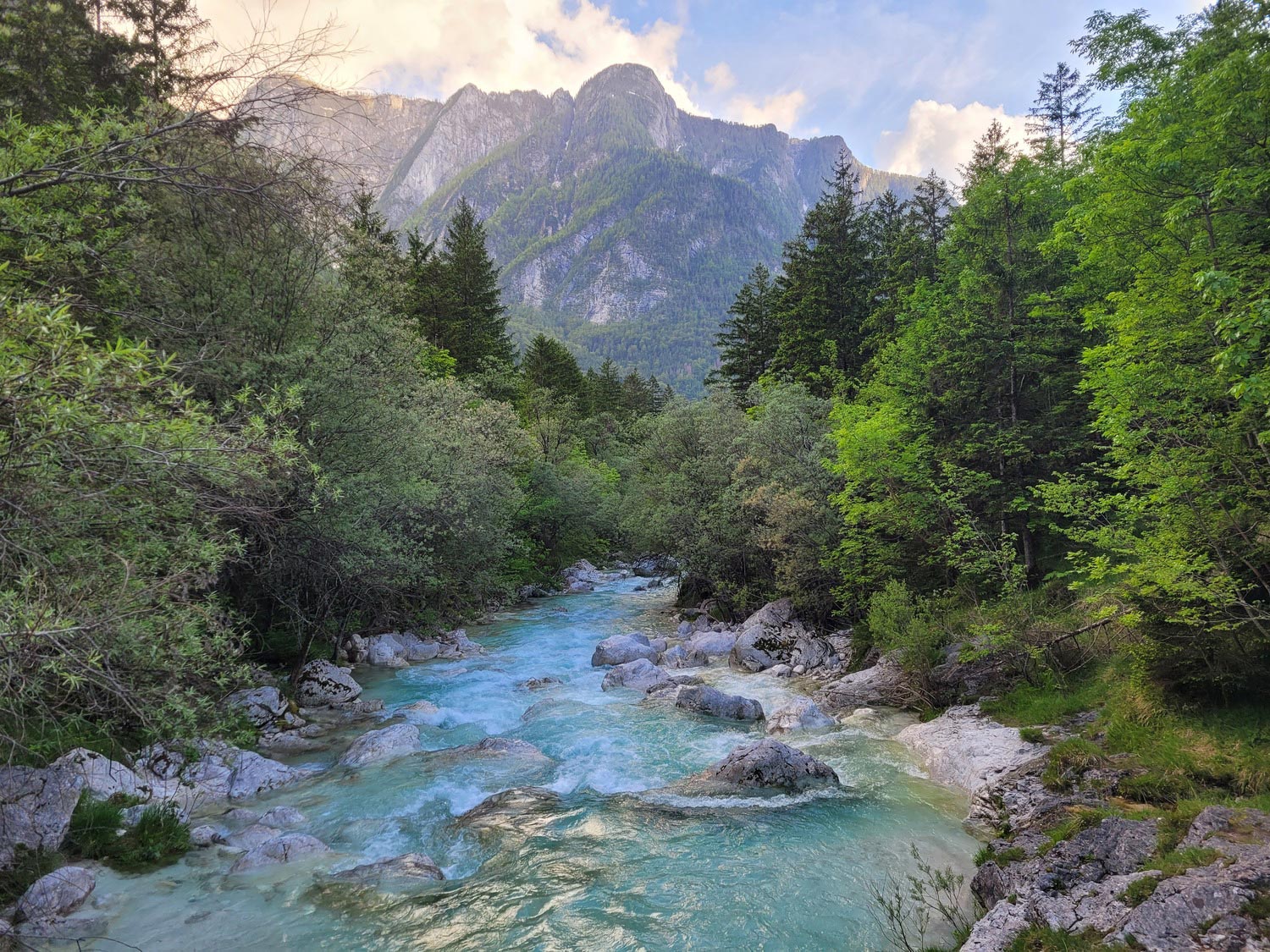
Global research team explores how environmental factors and dispersal barriers influence biodiversity.
Why do certain plants flourish in some regions but not in others? A study led by researchers at the University of Göttingen sheds light on the factors that determine where plants grow and how these patterns have evolved over millions of years.
The team analyzed data from nearly 270,000 seed plant species across the globe. Their findings, published in Nature Ecology & Evolution, reveal that both environmental conditions and natural barriers to movement, such as mountains, oceans, and climate zones, play key roles in shaping global plant diversity.
To uncover these patterns, the researchers used advanced techniques that combine current plant distribution data with information about evolutionary relationships between species. They also incorporated modern environmental data and reconstructed Earth’s past climate and geography to understand how these factors have influenced plant distributions through deep time.
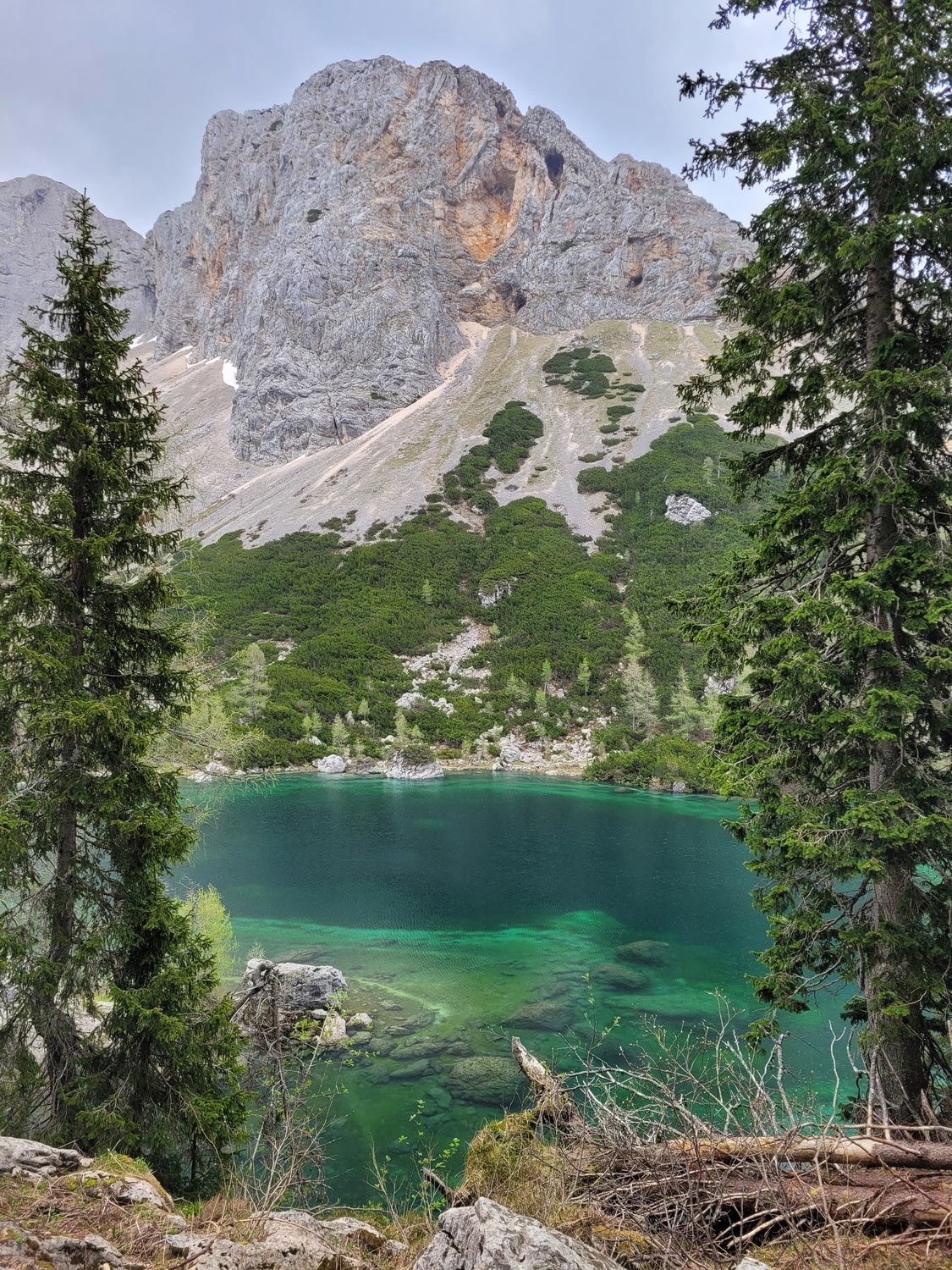
The team examined how variations in climate, soil, and other environmental factors determine where plants can thrive and how physical barriers – such as oceans, mountain ranges, and areas with inhospitable climates – restrict plant dispersal.
Environment vs. Barriers
The findings show that environmental conditions, particularly climate, are important factors in shaping plant distributions, with their influence remaining consistent across evolutionary timescales.
Physical barriers like oceans and mountains played a significant role in limiting the spread of more recently evolved plant groups but had a much smaller effect on ancient plant groups, which have had longer periods to disperse widely. Past tectonic plate positions and movements, reconstructed from geological data, were found to have only a modest impact on plant diversity, with their strongest effects occurring between 20 and 50 million years ago.
“These findings reveal a fundamental process in nature,” says Dr Lirong Cai from the University of Göttingen and the German Centre for Integrative Biodiversity Research (iDiv). “Given enough time, plants can overcome the barriers of vast distances and geography, but they often remain limited by the environments they encounter.”
Reference: “Environmental filtering, not dispersal history, explains global patterns of phylogenetic turnover in seed plants at deep evolutionary timescales” by Lirong Cai, Holger Kreft, Pierre Denelle, Amanda Taylor, Dylan Craven, Wayne Dawson, Franz Essl, Mark van Kleunen, Jan Pergl, Petr Pyšek, Marten Winter, Francisco J. Cabezas, Viktoria Wagner, Pieter B. Pelser, Jan J. Wieringa and Patrick Weigelt, 29 November 2024, Nature Ecology & Evolution.
DOI: 10.1038/s41559-024-02599-y
Never miss a breakthrough: Join the SciTechDaily newsletter.
Follow us on Google and Google News.
3 Comments
Nature is purely the expression of the laws of physics and chemistry. It is nothing else. Nature has no purpose & no direction. It wil go wherever it is pushed or pulled by a combination of those factors.
Everything else is part of the Noosphere. The concept of a sphere of intelligence which seeks to use those laws for the benefit of the individual using it.
Nature has one great advantage over the noosphere… that is time.
It is my impression that even geologists and paleontologists tend to think of the world as being 2-dimensional. That is, because mountains erode down to a peneplane, destroying or redistributing the rocks, we tend to think of past landscapes as being like the Outback in Australia. That may not be wrong, but it ignores the topographic changes that accompany orogenies, which create new ecological niches because of the lapse rate. That is, as land rises, the ground temperatures decrease and the precipitation increases; albeit, rain shadows develop on the leeward side. Weathering, dominated by chemical processes, is replaced by mechanical processes such as freeze/thaw cycles. Rugged topography makes for difficult access, except for animals like mountain goats that evolved to deal with the difficult terrain. Herbivores have little incentive go much above the ‘timber line.’ Once the mountains wear down in a few tens of millions of years, animals like mountain goats no longer have a survival value from their evolutionary adaptations. Thus, they become extinct. Where there dinosaurs that specialized in environments like the Himalayas? We will probably never know.
“Were there dinosaurs …?