
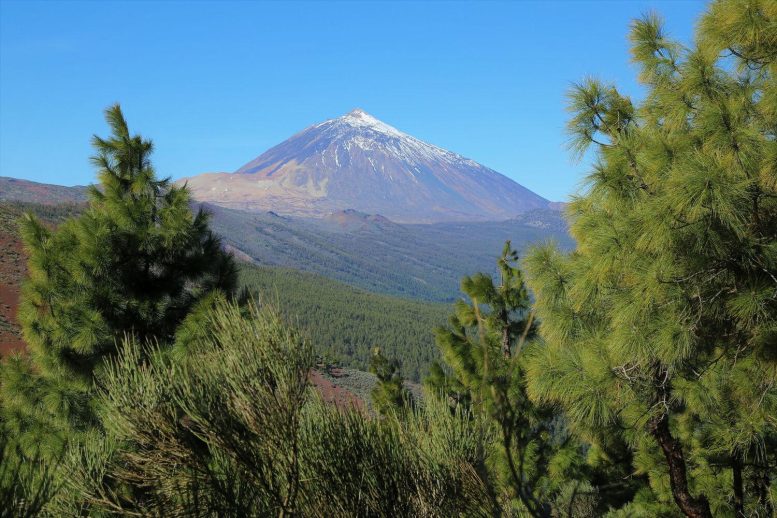
Göttingen University-led research team examines differences in form and function of island and mainland plants.
Oceanic islands serve as valuable platforms for studies in ecology, biogeography, and evolution. Many groundbreaking discoveries, including Darwin’s theory of evolution, have been derived from examining species interactions on these islands with their biotic and abiotic surroundings. Recently, an international team of researchers, led by the University of Göttingen, delved into the plant life of Tenerife in the Canary Islands.
The findings were unexpected: the island’s plant life exhibits a remarkable diversity of forms. Yet, in terms of functionality, these plants don’t significantly vary from their mainland counterparts. However, unlike the flora of the mainland, the flora of Tenerife is dominated by slow-growing, woody shrubs with a “low-risk” life strategy. The results were recently published in the journal Nature.
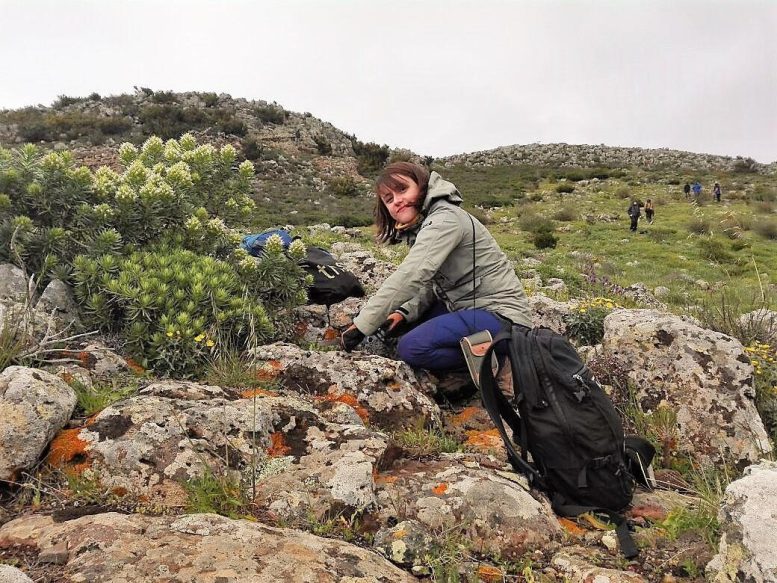
The researchers investigated how the plants of Tenerife differ in functional terms from plants from other parts of the world. They conducted extensive field research and measurements at over 500 sites using the most up-to-date methods of functional ecology. The sites were scattered all over the island at altitudes ranging from sea level to mountainous regions above 3,300 meters.
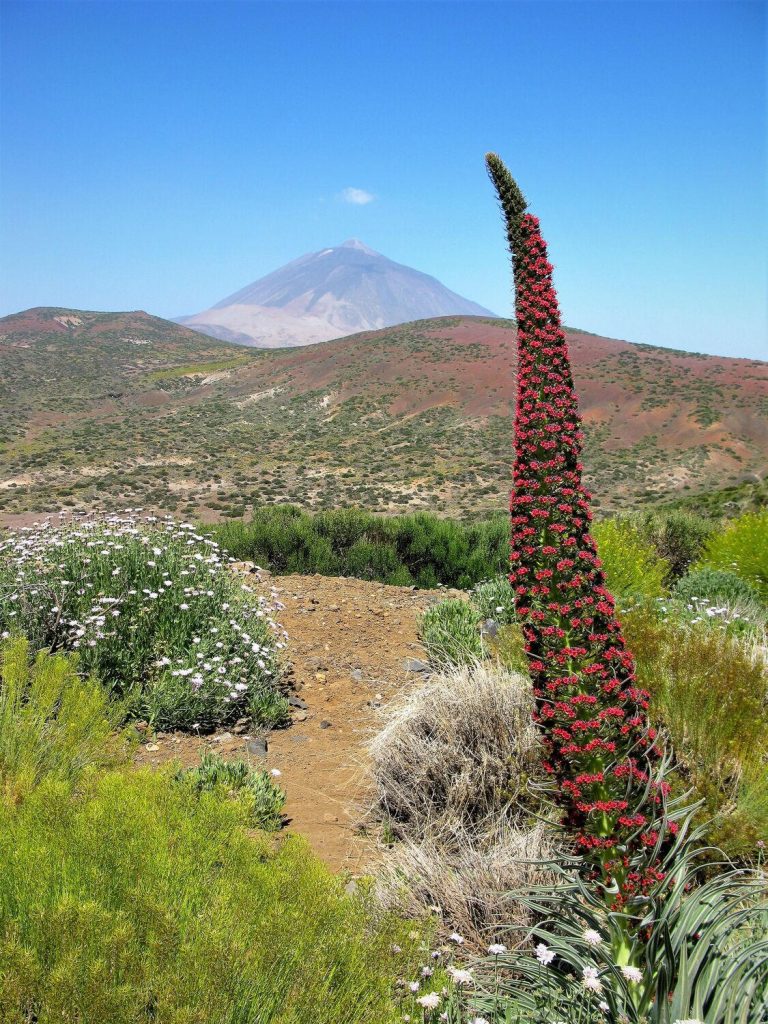
The scientists recorded about 80% of Tenerife’s native seed plants and surveyed eight plant characteristics: plant size, specific wood density, leaf thickness, absolute and specific leaf area, leaf dry matter, nitrogen concentration in leaf tissue, and seed weight. They compared their data with data on more than 2,000 plant species found on the mainland.
Surprising Lack of Functional Novelty
“Our study shows, for the first time and contrary to all expectations, that species groups that evolved on the Canary Islands do not contribute to the expansion of the breadth of different traits. This means they do not lead to more functional diversity,” explains the lead of the study, Professor Holger Kreft, and Göttingen University’s Biodiversity, Macroecology and Biogeography research group.
Previous comparisons show that species occurring on islands can differ significantly from their relatives on the mainland. A well-known example is provided by the Galapagos giant tortoise: the species is only found on the Galapagos Islands and, as a result of adaptation to its environmental conditions, is much larger than tortoises from the mainland.
The Influence of Climate Constraints
The research team expected similar differences between island and mainland plants, but this was not the case. “Rather, we see that most species follow the constraints of the island climate. Thus, medium-sized, woody species develop. These tend to live with limited resources and high risks of extinction on the island. That is, they grow slowly. The high functional diversity is mainly due to the species that are widespread on the island and the nearby mainland,” explains Kreft.
“At the beginning of our research, we assumed that island plants would show fundamental differences and would be characterized by rather limited diversity in terms of function due to their geographical isolation,” explains first author Dr. Paola Barajas Barbosa. The results are part of her doctoral thesis, which she did at the University of Göttingen. She now does research at the German Centre for Integrative Biodiversity Research in Leipzig (iDiv). “We were all the more surprised to find that the plants of Tenerife have a comparatively high functional diversity.”
Reference: “Assembly of functional diversity in an oceanic island flora” by Martha Paola Barajas Barbosa, Dylan Craven, Patrick Weigelt, Pierre Denelle, Rüdiger Otto, Sandra Díaz, Jonathan Price, José María Fernández-Palacios and Holger Kreft, 12 July 2023, Nature.
DOI: 10.1038/s41586-023-06305-z
Never miss a breakthrough: Join the SciTechDaily newsletter.
Follow us on Google and Google News.