
Close Menu
    Facebook X (Twitter) Instagram
    SciTechDaily
    • Biology
    • Chemistry
    • Earth
    • Health
    • Physics
    • Science
    • Space
    • Technology
    Facebook X (Twitter) Pinterest YouTube RSS
    SciTechDaily
    Home»Health»Scientists Tested an 8-Hour Eating Window and Found a Surprising Brain Benefit
    Health

    Scientists Tested an 8-Hour Eating Window and Found a Surprising Brain Benefit

    By American Society for NutritionJuly 29, 2026No Comments3 Mins Read
    Facebook Twitter Pinterest Telegram LinkedIn WhatsApp Email Reddit
    Share
    Facebook Twitter LinkedIn Pinterest Telegram Email Reddit
    Circadian Rhythm Body Clock Science
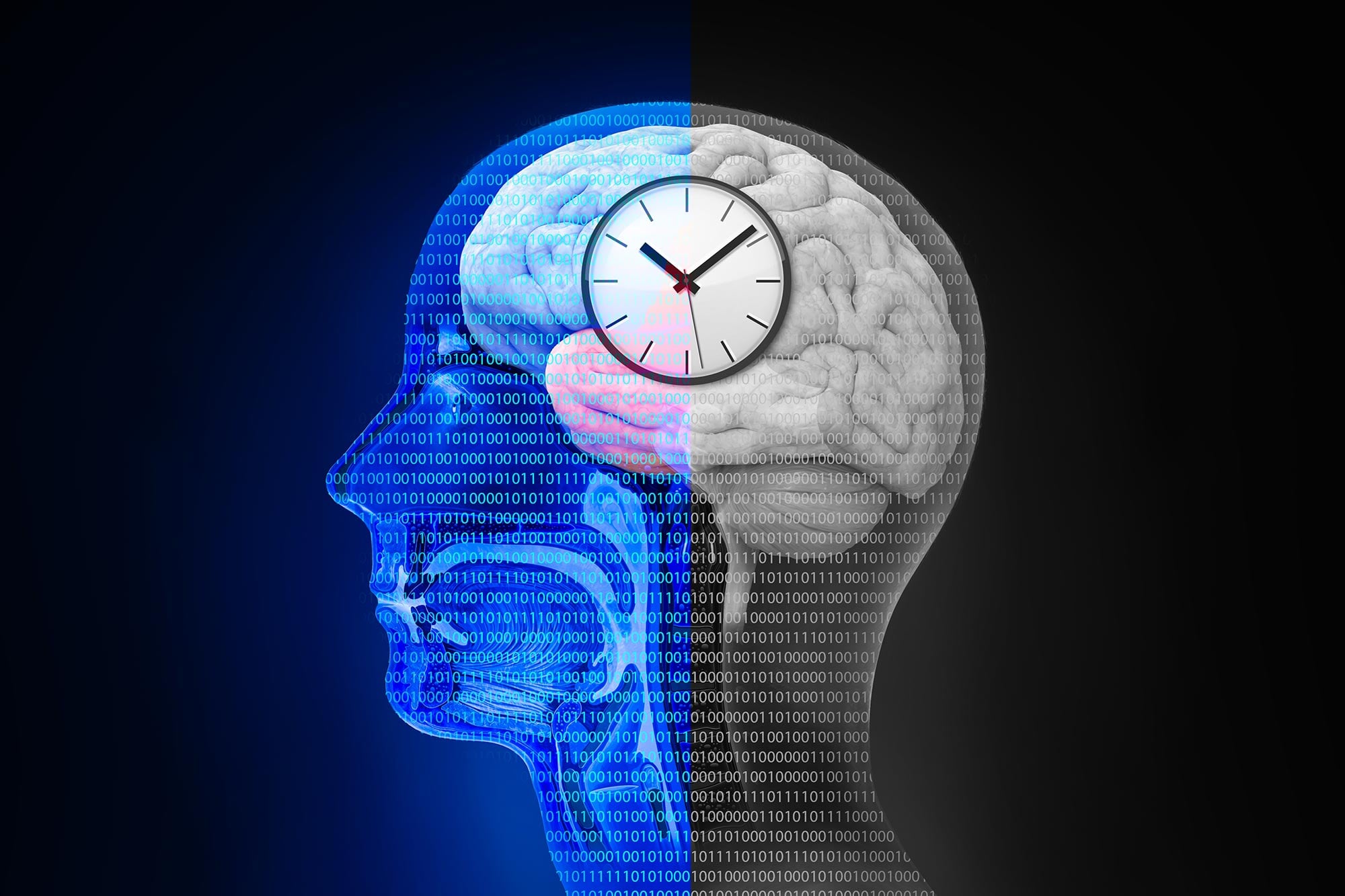
    An eight-hour eating window may offer the aging brain a modest boost beyond weight loss alone. Shutterstock

    Limiting the daily eating window may provide brain benefits beyond those associated with weight loss.

    Eating within a shorter daily window may provide cognitive benefits beyond those associated with weight loss alone, according to results from a small clinical trial. The pilot study followed older women with overweight or obesity during a weight-loss program and found modest improvements on certain thinking tests among participants who compressed their daily eating period rather than only cutting calories.

    “Losing weight alone will ward off some of the aging-related cognitive decline, and these data suggest that there may be additional benefits if you stop eating 4 hours prior to going to sleep and reduce food intake to 8-9 hours per day, compared to the usual eating window of 12 hours per day,” said Sue Shapses, PhD, RD, DFASN, professor at Rutgers University and Rutgers-RWJ Medical Center, the study’s Principal Investigator.

    Shapses and her colleagues presented the results at NUTRITION 2026, the American Society for Nutrition’s flagship annual meeting.

    Lifestyle changes could alter dementia risk

    As populations grow older, Alzheimer’s disease and other forms of dementia are becoming increasingly common. Women and people with overweight or obesity generally face a greater likelihood of developing these conditions. Although diet and other lifestyle habits have been associated with dementia risk, relatively little research has tested whether changing those factors can lower it.

    Two eating schedules put to the test

    The trial included 47 women between ages 50 and 79 who had overweight or obesity. Every participant received guidance to reduce daily calorie intake by 500 calories. Of the group, 26 women were instructed to consume all food within fewer than nine hours each day, while the remaining participants continued eating across a typical window of about 12 hours. Those assigned to time-restricted eating generally ate between 10 a.m. and 6 p.m. Their average eating period was 8.2 hours per day, compared with 12.3 hours among women following the standard schedule.

    A shorter window improves select skills

    After six months, women in both groups had lost an average of approximately 15 pounds. Despite similar weight loss, participants eating within an 8-9 hour period showed significantly greater improvements in spatial planning and problem-solving than those maintaining a 12-hour window. They also tended to make fewer mistakes on tests of memory and learning, although that difference was not statistically significant. No meaningful differences appeared in multitasking ability or reaction time.

    “There was a modest effect of time-restricted eating to improve spatial planning and problem-solving and on reducing errors related to memory and learning,” said Shapses. “These outcomes suggest a better ability to remember information during everyday tasks and reducing mistakes related to memory, attention and problem-solving. Reductions in the eating window predicted greater improvements.”

    Larger trials must confirm the findings

    Because the pilot study involved a small number of participants, the researchers emphasized that larger trials are necessary to verify the results. They also intend to examine possible biological explanations for the apparent benefits, including links among circadian rhythms, nutrient-sensing pathways, inflammation and metabolic health.

    Meeting: NUTRITION 2026

    Never miss a breakthrough: Join the SciTechDaily newsletter.
    Follow us on Google and Google News.

    American Society for Nutrition Brain Cognition Nutrition Popular Weight Loss
    Share. Facebook Twitter Pinterest LinkedIn Email Reddit

    Related Articles

    Stanford Scientists Rewrite the Ketosis Rulebook: Metabolites That Suppress Hunger and Promote Weight Loss

    Turning Back Time: Study Links Key Nutrients to Slower Brain Aging

    Scientific Studies Show Drinking Green Tea May Help You Lose Weight

    Chasing the Rush: Sugar Actually Changes the Chemistry of Your Brain

    Burn Twice as Many Calories: Eat a Big Breakfast Rather Than a Large Dinner

    Yale Researchers Find Keto Diet Can Be Healthful or Harmful, Depending on the Timing

    Most Widely Used Cooking Oil Causes Genetic Changes in the Brain

    Caffeine May Be the Way to Offset Health Risks of High in Fat, Sugar Diets

    Artificial Sweeteners Doing More Harm Than Good – More Likely to Gain Weight

    Leave A Reply Cancel Reply

    • Facebook
    • Twitter
    • Pinterest
    • YouTube

    Don't Miss a Discovery

    Subscribe for the Latest in Science & Tech!

    Trending News

    Scientists May Have Solved a Long-Standing Melanoma Treatment Mystery

    This Flesh-Eating Fly Is Back in the U.S. – Scientists Are Tracking Where It Could Strike Next

    Scientists Have Uncovered a Troubling New Pattern Hidden in America’s Rivers

    “Entirely Surprising” – Scientists Have Found a Martian Meteorite Unlike Any Known Before

    “Find of the Year” – Archaeologists Discover the Smallest Ice Age Figurines Ever Found

    New Research Challenges Common Exercise Advice for Bone Health

    Avoiding These 3 Health Risks in Midlife Linked to 13 More Years Without Dementia

    Where Were All the Tiny Dinosaurs? Scientists May Finally Have an Answer

    Follow SciTechDaily
    • Facebook
    • Twitter
    • YouTube
    • Pinterest
    • Newsletter
    • RSS
    SciTech News
    • Biology News
    • Chemistry News
    • Earth News
    • Health News
    • Physics News
    • Science News
    • Space News
    • Technology News
    Recent Posts
    • Scientists Discover a Hidden Hormone Pathway That Protects the Liver From Damage
    • Quitting Alcohol Can Change the Brain in Surprising Ways, Mouse Study Finds
    • FDA-Approved Drug Shows Promise for Reversing Osteoarthritis Damage
    • A 2-Billion-Year-Old Clue Challenges a Popular Earth Science Theory
    • Paleontologists Reconstruct 56-Million-Year-Old Forests – and Find a Chilling Warning for Today
    Copyright © 1998 - 2026 SciTechDaily. All Rights Reserved.
    • Science News
    • About
    • Contact
    • Editorial Board
    • Privacy Policy
    • Terms of Use

    Type above and press Enter to search. Press Esc to cancel.