
Bacterial changes linked to improved memory and cognitive performance
A study from Tulane University suggests that the Mediterranean diet may enhance brain function by altering the balance of gut bacteria.
Published in Gut Microbes Reports, the research from Tulane University School of Medicine found that individuals who followed a Mediterranean diet developed unique gut microbiome profiles distinct from those on a typical Western diet. These changes in gut bacteria were linked to improved memory and cognitive abilities.
Dietary Choices and Cognitive Health
“We’ve known that what we eat affects brain function, but this study explores how that could be happening,” said lead author Rebecca Solch-Ottaiano, PhD, neurology research instructor at Tulane’s Clinical Neuroscience Research Center. “Our findings suggest that dietary choices can influence cognitive performance by reshaping the gut microbiome.”
The study found that rats fed a Mediterranean-style diet rich in olive oil, fish, and fiber over 14 weeks showed increases in four beneficial types of gut bacteria and decreases in five others compared to rats eating a Western diet high in saturated fats.
These bacterial changes were linked to improved performance on maze challenges designed to test memory and learning.
Key Gut Bacteria and Cognitive Performance
Specifically, higher levels of bacteria such as Candidatus Saccharimonas were associated with better cognitive performance, while increased levels of other bacteria, such as Bifidobacterium, correlated with poorer memory function.
The Mediterranean diet group also showed better cognitive flexibility — the ability to adapt to new information — and improved working memory compared to the Western diet group. They maintained lower levels of “bad” LDL cholesterol.
This study is the first to assess the effects of the Mediterranean on microbiota and cognitive function outcomes relative to the Western diet in a rodent model. The researchers used young rats approximately equivalent in age to 18-year-old humans to model the effects of diet during a critical developmental period. The diets were based on human consumption and used ingredients reflecting the complexity of human diets. The Mediterranean diet (MeDi) showed clear benefits for cognitive flexibility, memory, and gut health, suggesting potential parallels in young adults whose brains and bodies are still maturing.
“Our findings suggest that the Mediterranean diet or its biological effects could be harnessed to improve scholastic performance in adolescents, or work performance in young adults,” said corresponding author Dr. Demetrius M. Maraganore, Herbert J. Harvey, Jr. Chair of Neurosciences. “While these findings are based on animal models, they echo human studies linking the Mediterranean diet to improved memory and reduced dementia risk.”
The researchers emphasize that larger human studies are needed to confirm these effects and better understand the complex relationship between diet, gut bacteria, and brain function in young people.
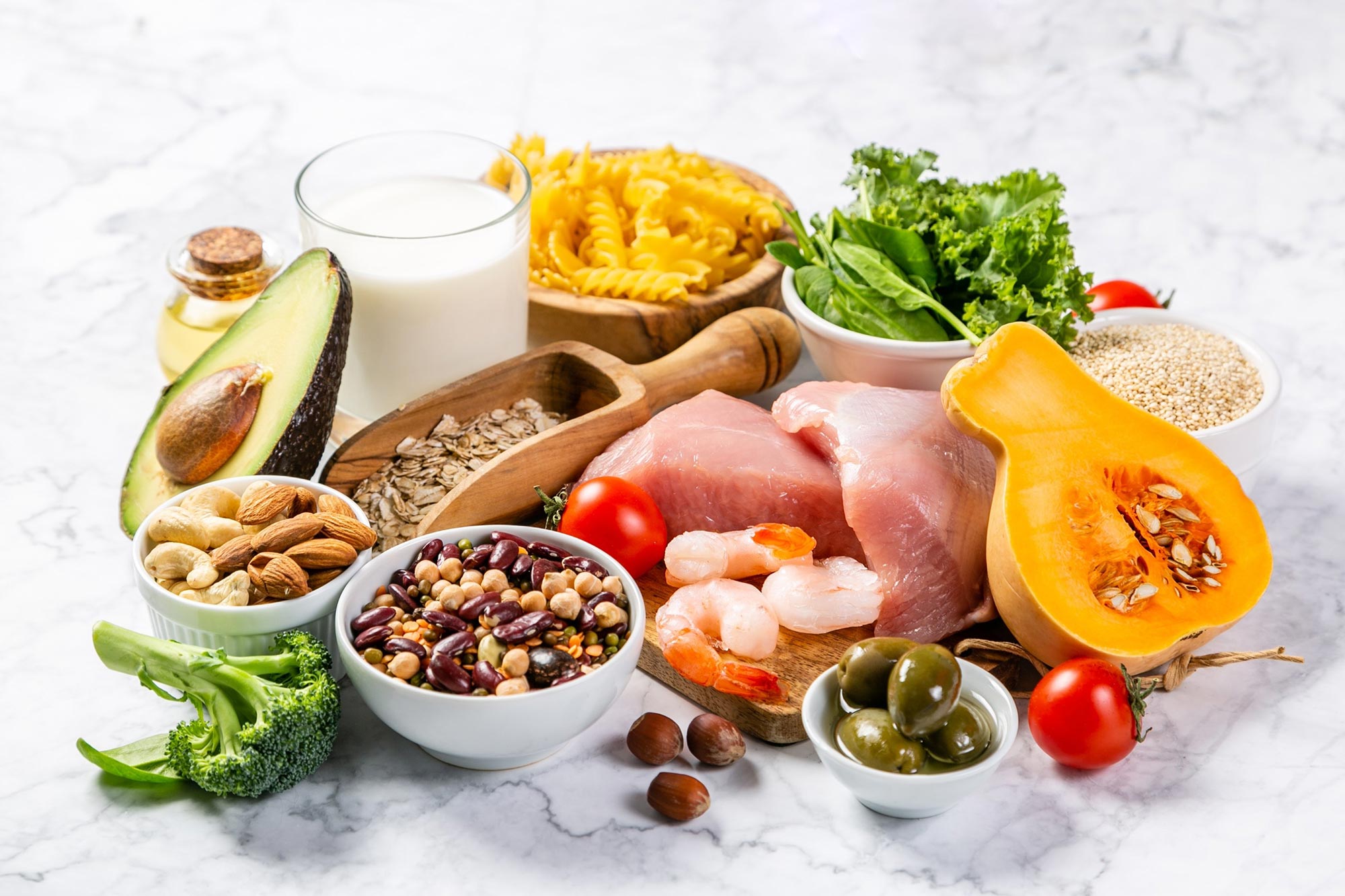
For those interested in following a Mediterranean eating pattern, key components include:
- Olive oil as the primary fat source
- Abundant vegetables, fruits and whole grains
- Fish and lean proteins
- Limited red meat and saturated fats
- High fiber intake from various plant sources
Reference: “Comparison between two divergent diets, Mediterranean and Western, on gut microbiota and cognitive function in young sprague dawley rats” by Rebecca J. Solch-Ottaiano, Elizabeth B. Engler-Chiurazzi, Colin Harper, Savannah Wasson, Sharon Ogbonna, Blake Ouvrier, Hanyun Wang, Madison Prats, Katherine McDonald, Ifechukwude J. Biose, Lori A. Rowe, MaryJane Jones, Chad Steele, Gregory Bix and Demetrius M. Maraganore, 18 December 2024, Gut Microbes Reports.
DOI: 10.1080/29933935.2024.2439490
The study was funded by the National Institutes of Health.
Never miss a breakthrough: Join the SciTechDaily newsletter.
Follow us on Google and Google News.
1 Comment
Thanks for sharing these interesting article.
One note: the illustration shows raw chicken with fruits and salad, which might conflict with kitchen hygiene advice as these foods aren’t usually heat-treated.
(I see you have other similar illustrations as well)
Separating them could better reflect safe practices, also for the Mediterranean cuisine.