

Close Menu
    Facebook X (Twitter) Instagram
    SciTechDaily
    • Biology
    • Chemistry
    • Earth
    • Health
    • Physics
    • Science
    • Space
    • Technology
    Facebook X (Twitter) Pinterest YouTube RSS
    SciTechDaily
    Home»Health»Ultra-Processed Foods Linked to Alarming Differences in Brain Structure
    Health

    Ultra-Processed Foods Linked to Alarming Differences in Brain Structure

    By University of HelsinkiNovember 6, 2025No Comments3 Mins Read
    Facebook Twitter Pinterest Telegram LinkedIn WhatsApp Email Reddit
    Share
    Facebook Twitter LinkedIn Pinterest Telegram Email Reddit
    Eating Donut Junk Food
    New research suggests that ultra-processed foods may do more than harm the body: they could alter the brain in unexpected ways. Credit: Shutterstock

    A major international study has found that frequent consumption of ultra-processed foods is linked to structural differences in the brain that could drive overeating.

    A groundbreaking global study that analyzed brain scans from around 30,000 individuals has revealed concerning links between eating ultra-processed foods (UPFs) and measurable differences in brain structure. Researchers suggest these brain changes may be connected to patterns of overeating, potentially creating a cycle that reinforces unhealthy eating behaviors.

    Ultra-processed foods are products that undergo extensive industrial processing and contain ingredients rarely used in home cooking, such as emulsifiers, flavor enhancers, artificial sweeteners, and preservatives. These foods often include items like packaged snacks, sugary cereals, soft drinks, and processed meats. They tend to be high in calories, salt, and added sugars while lacking essential nutrients.

    “Our findings suggest that higher consumption of ultra-processed foods is associated with differences in the brain. These associations could be linked to behavioral patterns such as overeating, though causal relationships cannot be confirmed by our study. The observed associations are not solely explained by inflammation or obesity; ingredients and additives typical to UPFs, such as emulsifiers may also play a role, although this requires further longitudinal or experimental evidence,” explains the shared first author of the research Arsène Kanyamibwa from the University of Helsinki.
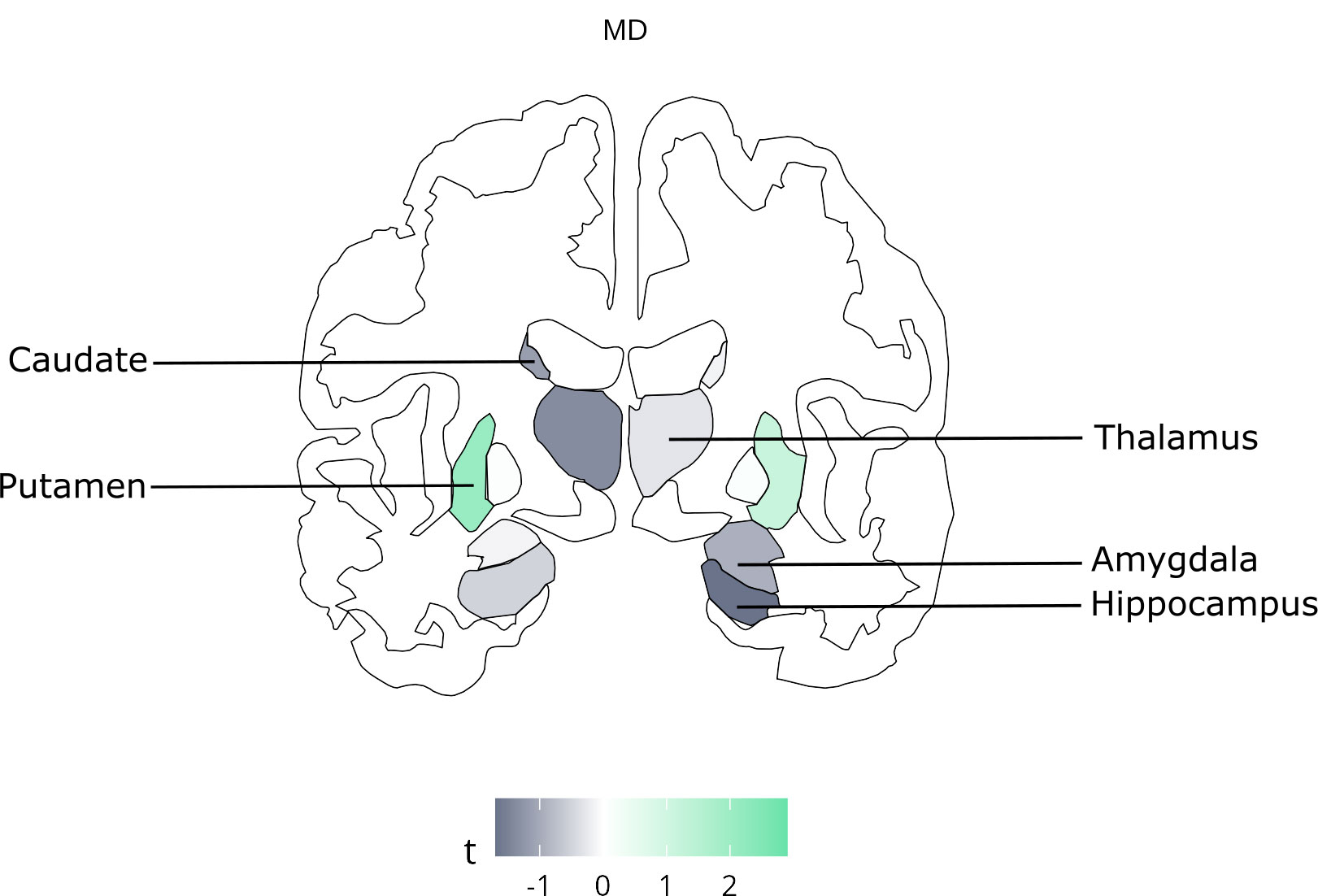
    Brain Regions Associated with High Consumption of Ultra Processed Foods
    This image shows brain areas linked to high consumption of ultra-processed foods. The grey regions indicate lower cell density, which may suggest a loss of brain cells—a possible sign of brain degeneration. The green regions show higher cell density, which could reflect inflammation in the brain. Credit: Image provided by the study authors

    Understanding Processed vs. Ultra-Processed Foods

    While not all processed foods are inherently harmful—many, particularly plant-based processed items, play beneficial roles in our diet—the study highlights the pressing concern regarding UPFs, which contain chemically modified ingredients and additives.

    “In particular, processed foods of plant origin, such as frozen vegetables, can be recommended. Another good example of the benefits of processing is the pasteurization of milk. In contrast, foods high in chemically modified ingredients and additives, such as processed meat products, are problematic.”

    Kanyamibwa emphasizes the importance of this growing body of evidence in shaping public health strategies and personal dietary choices.

    “Given the growing body of evidence, reducing ultra-processed food intake and strengthening regulatory standards in food manufacturing may be crucial steps toward ensuring better public health outcomes,” Kanyamibwa asserts.

    Reference: “Ultra-processed food consumption affects structural integrity of feeding-related brain regions independent of and via adiposity” by Filip Morys, Arsene Kanyamibwa, Daniel Fängström, Max Tweedale, Alexandre Pastor-Bernier, Houman Azizi, Lang Liu, Annette Horstmann and Alain Dagher, 8 April 2025, npj Metabolic Health and Disease.
    DOI: 10.1038/s44324-025-00056-3

    The study, utilizing the UK Biobank’s extensive cohort of middle-aged individuals from the United Kingdom, was conducted in partnership with researchers from the University of Helsinki and McGill University’s Montréal Neurological Institute.

    Never miss a breakthrough: Join the SciTechDaily newsletter.
    Follow us on Google and Google News.

    Brain Diet Nutrition Popular Public Health University of Helsinki
    Share. Facebook Twitter Pinterest LinkedIn Email Reddit

    Related Articles

    Scientists: This Diet Can Boost Your Brain by Changing Your Gut Microbiome

    New Research Links Plant-Based Meat to Depression

    Stanford Scientists Rewrite the Ketosis Rulebook: Metabolites That Suppress Hunger and Promote Weight Loss

    Eating Dark Chocolate 5 Times a Week Could Lower Your Risk of Diabetes

    New Study Reveals Diet Can Turn Back the Clock on Brain Aging

    New Study Reveals That Eating Pistachios Could Improve Your Eye Health in Just 6 Weeks

    Scientists Uncover Exciting New Brain Benefits of Eating Strawberries

    Weight Loss Secrets: Scientists Identify Two Key Habits Linked to a Lower BMI

    Startling Findings: New Research Links Coffee, Fruit Juice, and Fizzy Drinks to Stroke

    Leave A Reply Cancel Reply

    • Facebook
    • Twitter
    • Pinterest
    • YouTube

    Don't Miss a Discovery

    Subscribe for the Latest in Science & Tech!

    Trending News

    Breakthrough Bowel Cancer Trial Leaves Patients Cancer-Free for Nearly 3 Years

    Natural Compound Shows Powerful Potential Against Rheumatoid Arthritis

    100,000-Year-Old Neanderthal Fossils in Poland Reveal Unexpected Genetic Connections

    Simple “Gut Reset” May Prevent Weight Gain After Ozempic or Wegovy

    2.8 Days to Disaster: Scientists Warn Low Earth Orbit Could Suddenly Collapse

    Common Food Compound Shows Surprising Power Against Superbugs

    5 Simple Ways To Remember More and Forget Less

    The Atomic Gap That Could Cost the Semiconductor Industry Billions

    Follow SciTechDaily
    • Facebook
    • Twitter
    • YouTube
    • Pinterest
    • Newsletter
    • RSS
    SciTech News
    • Biology News
    • Chemistry News
    • Earth News
    • Health News
    • Physics News
    • Science News
    • Space News
    • Technology News
    Recent Posts
    • After 37 Years, the World’s Longest-Running Soil Warming Experiment Uncovers a Startling Climate Secret
    • NASA Satellite Captures First-Ever High-Res View of Massive Pacific Tsunami
    • ADHD Isn’t Just a Deficit: Study Reveals Powerful Hidden Strengths
    • Scientists Uncover “Astonishing” Hidden Property of Light
    • Scientists Discover Stem Cells That Could Regrow Teeth and Bone
    Copyright © 1998 - 2026 SciTechDaily. All Rights Reserved.
    • Science News
    • About
    • Contact
    • Editorial Board
    • Privacy Policy
    • Terms of Use

    Type above and press Enter to search. Press Esc to cancel.