
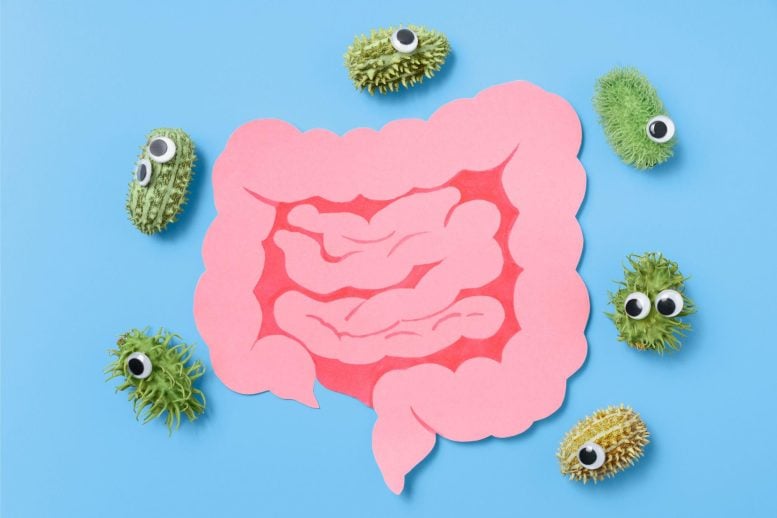
The study examines the connection in overweight adults.
Prebiotics help promote the growth of beneficial gut bacteria by acting as their food source. These non-digestible dietary fibers can be found in foods like onions, leeks, artichokes, wheat, bananas, and in high concentrations in chicory root. They support gut health by promoting the growth and activity of beneficial gut bacteria. Researchers have now investigated whether certain prebiotics can also influence brain function by improving communication between the gut microbiome and the brain.
The interventional study led by the University of Leipzig Medical Center indicates that consumption of high-dose dietary prebiotics leads to a reduction in reward-related brain activation in response to high-calorie food stimuli. “The results suggest a potential link between gut health and brain function, in this case, food decision-making,” says PD Dr Veronica Witte, co-author of the study and a scientist at the University of Leipzig Medical Center.
Study Design and Methodology
Young to middle-aged adults with overweight were selected for the study who followed an omnivorous, Western diet. The 59 volunteers consumed 30 grams of inulin, a prebiotic from chicory root, daily for 14 days. During functional MRI imaging, participants were shown pictures of food and asked how much they desired to eat the meals depicted. Following the MRI experiment, they were provided with their highest-rated dish and asked to consume it.
The MRI examination was repeated at four time points, before and after the prebiotic administration and before and after a placebo phase in which the participants were given a preparation with identical energy density but without prebiotics. When the participants evaluated high-calorie foods, there was comparatively less activation of reward-related brain areas after they had consumed the prebiotic fiber. This effect was accompanied by a shift in the composition of the gut bacteria.
Findings and Implications
The findings, derived from advanced neuroimaging, next-generation sequencing of gut bacteria, and combined analyses of potential metabolic pathways, suggest that functional microbial changes may underlie the altered brain response towards high-caloric food cues. Fasting blood samples from the participants underwent analysis for gastrointestinal hormones, glucose, lipids, and inflammatory markers. In addition, gut microbiota and their metabolites, namely short-chain fatty acids, were measured in stool samples. The research was conducted within the Collaborative Research Centre 1052, “Obesity Mechanisms.”
“Further studies are needed to investigate whether treatments that alter the microbiome could open up new avenues for less invasive approaches to the prevention and treatment of obesity. A better understanding of the underlying mechanisms between the microbiome, gut, and brain could help to develop new strategies that promote healthier eating habits in people at risk” says Dr Witte. A follow-up study is currently underway, examining the effects of long-term, high-dose prebiotic administration over six months on eating behavior, brain function, and body weight in people living with overweight and obesity.
Reference: “Prebiotic diet changes neural correlates of food decision-making in overweight adults: a randomised controlled within-subject cross-over trial” by Evelyn Medawar, Frauke Beyer, Ronja Thieleking, Sven-Bastiaan Haange, Ulrike Rolle-Kampczyk, Madlen Reinicke, Rima Chakaroun, Martin von Bergen, Michael Stumvoll, Arno Villringer and A Veronica Witte, 4 October 2023, Gut.
DOI: 10.1136/gutjnl-2023-330365
Never miss a breakthrough: Join the SciTechDaily newsletter.
Follow us on Google and Google News.
1 Comment
One of these articles suggested that tomatoes may be very beneficial to the microbiom. You ought to consult Dr. Stephan Gundy, he’s all hot on the idea that tomatoes have lectins that tear said microbiom.