
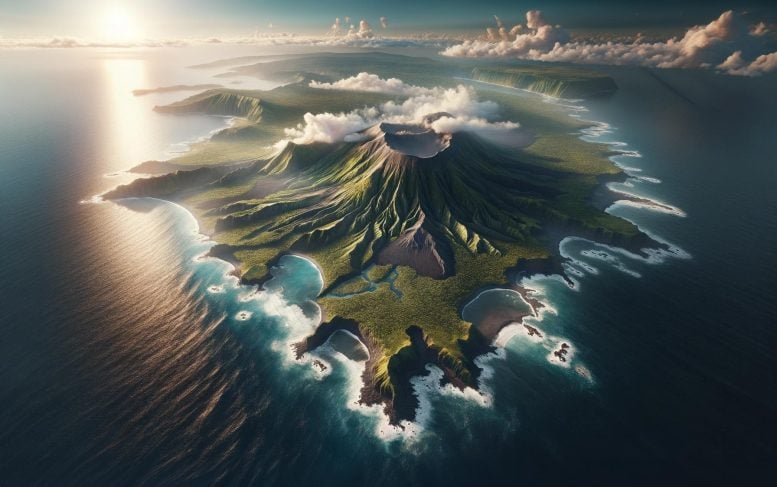
The vast expanse of the United States is replete with captivating landscapes and features. Islands, especially, hold a unique allure. From the tropical ambiance of Hawaii to the rugged terrains of Alaska, American islands paint a vivid picture of nature’s marvels. Let’s embark on a journey through science and geography as we explore the five largest islands in the U.S.
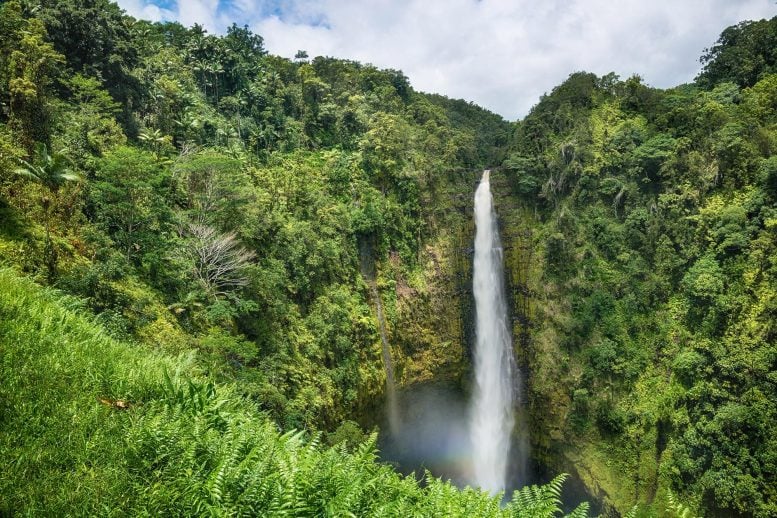
1. Hawaii’s Big Island
- Area: Approximately 4,028 square miles (10,432 square kilometers)
- Interesting Fact: Also known as Hawai’i Island, this is the youngest among the Hawaiian chain. The island is still growing, thanks to the active Kilauea volcano, which has been erupting continuously since 1983.
- Cultural Blend: The Big Island offers a rich tapestry of cultures. From the ancient petroglyphs carved by indigenous Hawaiians to the modern coffee farms influenced by immigrant settlers, the island is a melting pot of traditions.
- Natural Phenomenon: The island’s diverse climate zones range from tropical rainforests to arid deserts and snow-capped mountains, making it an extraordinary microcosm of the world’s climates in one place.
- Scientific Snippet: The Mauna Kea, though only 13,796 feet (4,205 meters) above sea level, is the tallest mountain in the world when measured from its base on the ocean floor. It rises about 33,500 feet (10,211 meters), overshadowing even Mount Everest!
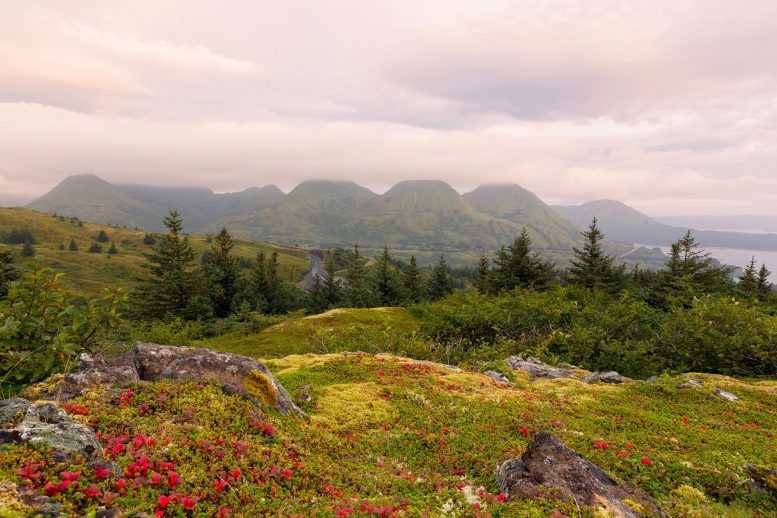
2. Kodiak Island, Alaska
- Area: Approximately 3,595 square miles (9,311 square kilometers)
- Interesting Fact: It’s home to the famous Kodiak bear, the largest subspecies of brown bear.
- Marine Bounty: The waters surrounding Kodiak teem with marine life. The island’s economy heavily relies on fishing, with the most famous catch being the Kodiak King Crab, sought after by gourmets worldwide.
- Scientific Snippet: Kodiak’s ecosystem is a prime example of the rich biodiversity of the North Pacific rainforest. Scientists study this environment to understand species interactions, especially between salmon and the island’s carnivores.
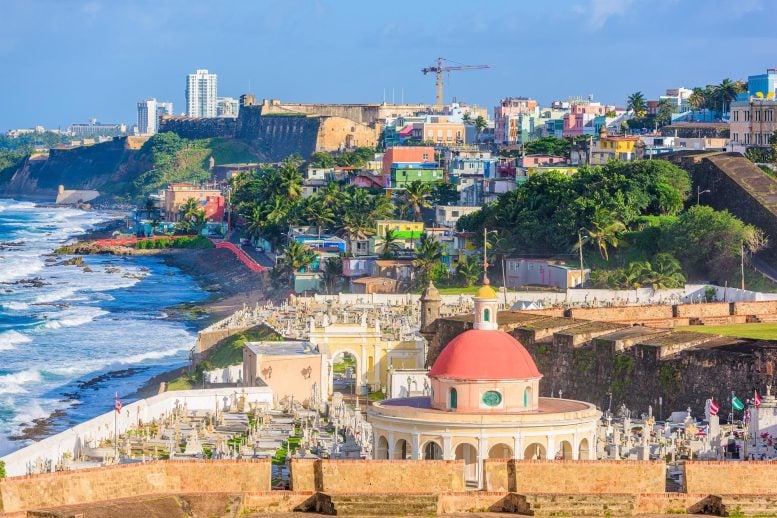
3. Puerto Rico
- Area: Approximately 3,515 square miles (9,103 square kilometers)
- Interesting Fact: Though it’s a territory of the U.S. and not a state, Puerto Rico boasts a rich history that melds Taino, Spanish, African, and U.S. influences.
- Natural Beauty: El Yunque National Forest, the only tropical rainforest in the U.S. National Forest System, offers hiking trails with panoramic views, waterfalls, and the unique sounds of the native coquí frog.
- Architectural Marvel: Old San Juan, with its cobblestone streets and vibrant colonial architecture, is a UNESCO World Heritage site. Its fortresses, like El Morro and La Fortaleza, have stood guard for centuries against pirates and invaders.
- Scientific Snippet: The Arecibo Observatory, until its collapse in 2020, was one of the world’s largest and most powerful radio telescopes. Scientists used it to study celestial objects, make critical astronomical discoveries, and even search for extraterrestrial intelligence.

4. Prince of Wales Island, Alaska
- Area: Approximately 2,577 square miles (6,674 square kilometers)
- Interesting Fact: It’s the fourth largest island in the U.S. but has a population of less than 6,000 people.
- Cave Exploration: The island is known for its vast karst landscape. The El Capitan Pit, one of the deepest vertical caves in the U.S., beckons spelunkers and geologists alike.
- Scientific Snippet: The island is a treasure trove for geologists and paleontologists. Limestone caves dotted across the island have revealed fascinating artifacts and fossils, shedding light on the ancient inhabitants of North America.
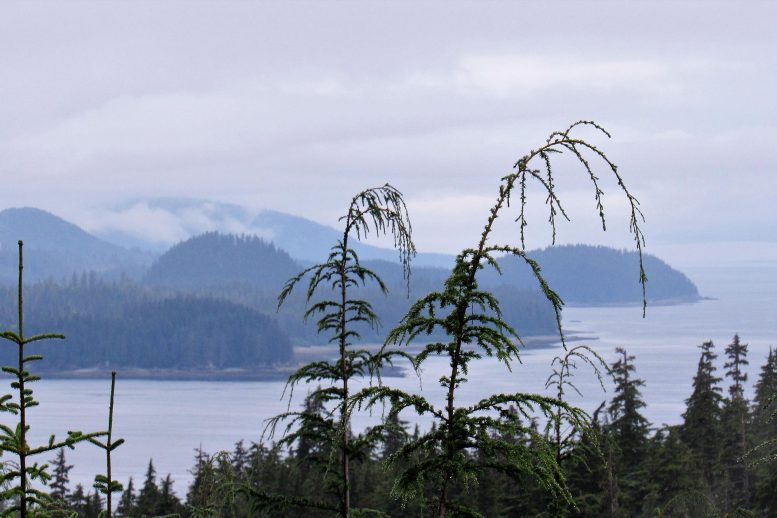
5. Chichagof Island, Alaska
- Area: Approximately 2,048 square miles (5,304 square kilometers)
- Interesting Fact: Along with its neighbor Baranof Island, it boasts the highest population of bears per square mile in the world.
- Adventure Haven: Hoonah, the largest village on the island, is a gateway for travelers looking for wilderness adventures, from bear viewing to zip-lining amidst the towering trees.
- Scientific Snippet: Chichagof is a haven for biologists, with its dense temperate rainforests playing host to a myriad of species. The island’s old-growth Sitka spruce forests are particularly valuable for climate research, as these trees absorb and store a significant amount of carbon dioxide.
In Conclusion
These islands are not just large land masses; they are dynamic ecosystems, repositories of history, and hubs for scientific discovery. Exploring them doesn’t just satiate the wanderlust of the geographically inclined, but also provides valuable insights into Earth’s history, biodiversity, and the intricate tapestry of life. The United States, with its vast terrains and diverse landscapes, remains a playground for scientists and nature enthusiasts alike
Never miss a breakthrough: Join the SciTechDaily newsletter.
Follow us on Google and Google News.
1 Comment
While we are keeping score, the continuous Kilauea eruption that started in 1983 ended in 2018. It has erupted multiple times since and stopped. It will probably erupt in the next few days/weeks given recent activity and past trends.