
Close Menu
    Facebook X (Twitter) Instagram
    SciTechDaily
    • Biology
    • Chemistry
    • Earth
    • Health
    • Physics
    • Science
    • Space
    • Technology
    Facebook X (Twitter) Pinterest YouTube RSS
    SciTechDaily
    Home»Health»Scientists Uncover Hidden RNA Structure That Triggers Parkinson’s Disease
    Health

    Scientists Uncover Hidden RNA Structure That Triggers Parkinson’s Disease

    By Kumamoto UniversityNovember 27, 2024No Comments3 Mins Read
    Facebook Twitter Pinterest Telegram LinkedIn WhatsApp Email Reddit
    Share
    Facebook Twitter LinkedIn Pinterest Telegram Email Reddit
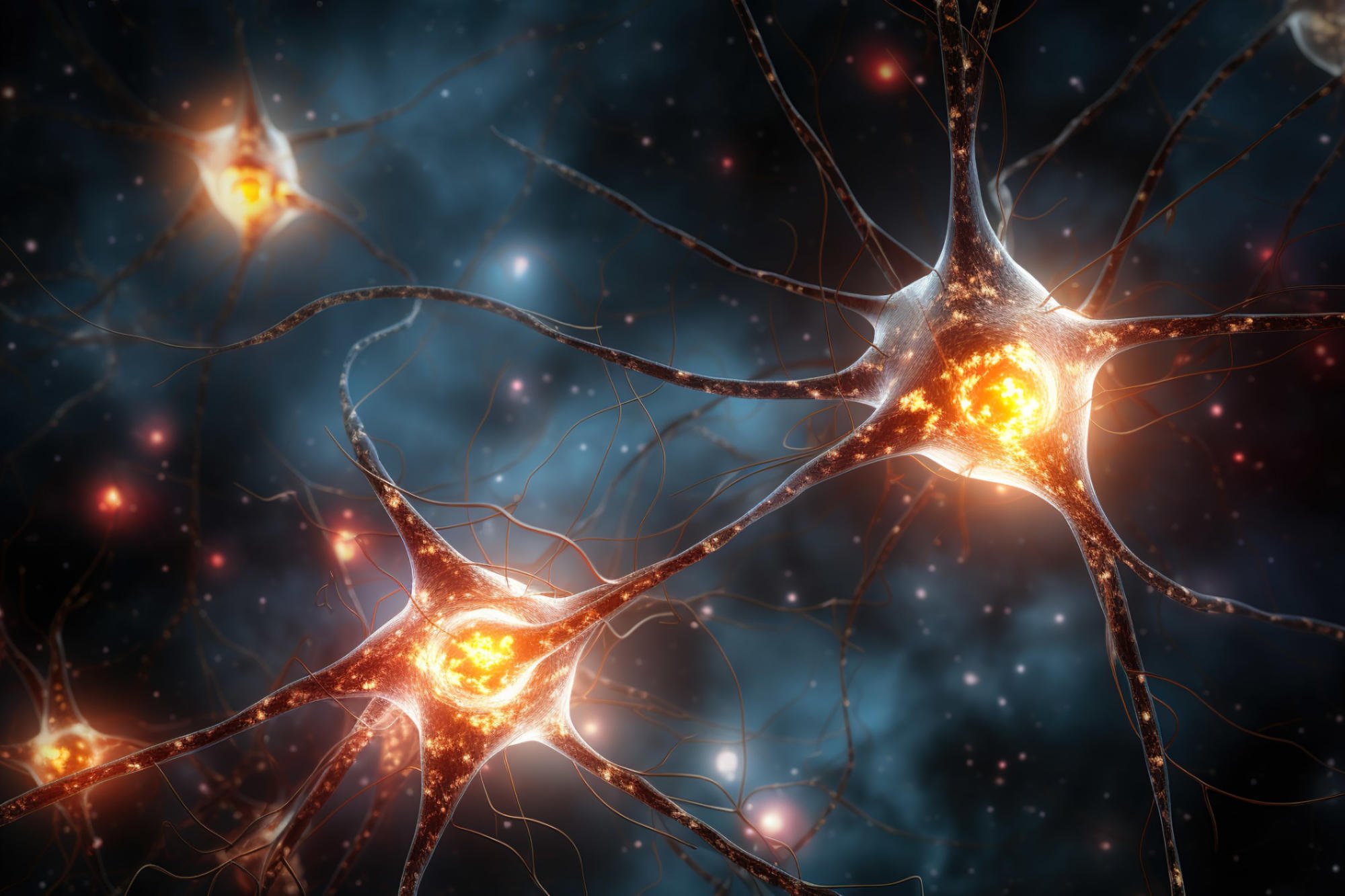
    Parkinson's Glowing Neuron
    Researchers discovered that G4 RNA structures drive harmful protein aggregations linked to neurodegeneration, suggesting new treatment possibilities. Credit: SciTechDaily.com

    Researchers have identified that G-quadruplexes promote harmful protein aggregation in neurodegenerative diseases. Blocking G4s with 5-ALA stopped Parkinson’s-like symptoms in mice, suggesting a promising path for early disease intervention.

    Researchers at Kumamoto University have discovered a groundbreaking mechanism behind the formation of harmful protein aggregates that contribute to neurodegenerative diseases like Parkinson’s Disease.

    The team, led by Professor Norifumi Shioda and Associate Professor Yasushi Yabuki, identified for the first time that unique RNA structures called G-quadruplexes (G4s) play a central role in promoting the aggregation of α-synuclein, a protein associated with neurodegeneration. By demonstrating that inhibiting G4 assembly could potentially prevent the onset of synucleinopathies, this discovery positions G4 as a promising target for early intervention in these diseases.

    In a healthy state, α-synuclein typically regulates neuronal function. However, in neurodegenerative diseases, it aggregates together, leading to cell damage and motor symptoms.

    Mechanism of Neurodegeneration Involving G4 Assembly
    The trigger for neurodegeneration is the assembly of G4 structures driven by increased intracellular calcium ions (Ca2+) due to cellular stress. α-Synuclein binds directly to G4, shifting into an aggregate-prone structure that employs G4 as a scaffold to form harmful clusters. Therefore, inhibiting G4 assembly can prevent α-synuclein aggregation, helping to protect against neuronal function loss. Credit: Norifumi Shioda, Yasushi Yabuki, Kumamoto University

    The researchers identified that G4s, four-stranded RNA structures that form in response to cellular stress, function as a “scaffold” that facilitates α-synuclein aggregation. Elevated calcium levels, often seen under stress, trigger G4 assembly, which then attracts α-synuclein, converting it into a harmful, aggregate-prone state.

    A Novel Intervention: 5-ALA Treatment

    The team went a step further, demonstrating a new approach to prevent this process. They administered 5-aminolevulinic acid (5-ALA), a compound that blocks G4 formation, to model mice exhibiting Parkinson’s-like symptoms. Impressively, 5-ALA treatment not only prevented α-synuclein aggregation but also halted the progression of motor symptoms, a promising sign for potential therapies targeting early-stage neurodegeneration.

    This breakthrough could significantly advance treatments aimed at neurodegenerative diseases by focusing on G4 regulation. Since G4s are also implicated in other diseases such as Alzheimer’s Disease, this discovery may broaden the impact of such treatments beyond Parkinson’s Disease. These findings also shed new light on preemptive strategies to combat neurodegeneration and improve the quality of life for aging populations.

    Reference: “RNA G-quadruplexes form scaffolds that promote neuropathological α-synuclein aggregation” by Kazuya Matsuo, Sefan Asamitsu, Kohei Maeda, Hiroyoshi Suzuki, Kosuke Kawakubo, Ginji Komiya, Kenta Kudo, Yusuke Sakai, Karin Hori, Susumu Ikenoshita, Shingo Usuki, Shiori Funahashi, Hideki Oizumi, Atsushi Takeda, Yasushi Kawata, Tomohiro Mizobata, Norifumi Shioda and Yasushi Yabuki, 18 October 2024, Cell.
    DOI: 10.1016/j.cell.2024.09.037

    Funding: Japan Agency for Medical Research and Development, Japan Society for the Promotion of Science, Fusion Oriented REsearch for disruptive Science and Technology, MEXT Promotion of Development of a Joint Usage/Research System Project: Coalition of Universities for Research Excellence Program (CURE), Pharmacological Research Foundation, Tokyo, Kowa Life Science Foundation, Narishige Neuroscience Research Foundation, Mochida Memorial Foundation for Medical and Pharmaceutical Research, Astellas Foundation for Research on Metabolic Disorders, the Foundation of SBI Pharmaceuticals Co., Ltd., Takeda Science Foundation

    Never miss a breakthrough: Join the SciTechDaily newsletter.
    Follow us on Google and Google News.

    Brain Neurology Parkinson's Disease
    Share. Facebook Twitter Pinterest LinkedIn Email Reddit

    Related Articles

    Scientists May Have Solved the “Mystery Density” Behind Alzheimer’s and Parkinson’s

    Study: Diabetes Drug May Cut Risk of Alzheimer’s and Parkinson’s by 20%

    How a Simple Worm May Hold the Key to Stopping Parkinson’s and Alzheimer’s

    Groundbreaking Study Challenges Key Theory on Parkinson’s Disease Protein Aggregation

    Scientists Propose “Radically Different” New Way of Looking at Parkinson’s Disease

    Scientists Find Way To Detect Parkinson’s Disease 30 Years Before Symptoms

    Neurological Warning: Groundbreaking Study Reveals That Air Pollution Could Increase Your Risk of Parkinson’s by 56%

    Beyond the Brain: Unveiling the Unexpected Origins of Parkinson’s Disease

    Unexpected Discovery: Vascular Defects Appear to Underlie the Progression of Parkinson’s Disease

    Leave A Reply Cancel Reply

    • Facebook
    • Twitter
    • Pinterest
    • YouTube

    Don't Miss a Discovery

    Subscribe for the Latest in Science & Tech!

    Trending News

    Scientists Uncover Potential Brain Risks of Popular Fish Oil Supplements

    Scientists Discover a Surprising Way To Make Bread Healthier and More Nutritious

    After 60 Years, Scientists Uncover Unexpected Brain Effects of Popular Diabetes Drug Metformin

    New Research Uncovers Hidden Side Effects of Popular Weight-Loss Drugs

    Scientists Rethink Extreme Warming After Surprising Ocean Discovery

    Landmark Study Links Never Marrying to Significantly Higher Cancer Risk

    Researchers Discover Unknown Beetle Species Just Steps From Their Lab

    Largest-Ever Study Finds Medicinal Cannabis Ineffective for Anxiety, Depression, PTSD

    Follow SciTechDaily
    • Facebook
    • Twitter
    • YouTube
    • Pinterest
    • Newsletter
    • RSS
    SciTech News
    • Biology News
    • Chemistry News
    • Earth News
    • Health News
    • Physics News
    • Science News
    • Space News
    • Technology News
    Recent Posts
    • Scientists Finally Crack Decades-Old Mystery of “Breathing” Lasers
    • “Like Liquid Metal”: Scientists Create Strange Shape-Shifting Material
    • Early Warning Signals of Esophageal Cancer May Be Hiding in Plain Sight
    • Researchers Have Discovered a THC-Free Cannabis Compound That May Replace Opioids
    • Common Blood Pressure Drug Shows Surprising Power Against Deadly Antibiotic-Resistant Superbug
    Copyright © 1998 - 2026 SciTechDaily. All Rights Reserved.
    • Science News
    • About
    • Contact
    • Editorial Board
    • Privacy Policy
    • Terms of Use

    Type above and press Enter to search. Press Esc to cancel.