
Close Menu
    Facebook X (Twitter) Instagram
    SciTechDaily
    • Biology
    • Chemistry
    • Earth
    • Health
    • Physics
    • Science
    • Space
    • Technology
    Facebook X (Twitter) Pinterest YouTube RSS
    SciTechDaily
    Home»Space»Scientists Unveil Results of First Archaeology Project in Space
    Space

    Scientists Unveil Results of First Archaeology Project in Space

    By Chapman UniversitySeptember 9, 2024No Comments3 Mins Read
    Facebook Twitter Pinterest Telegram LinkedIn WhatsApp Email Reddit
    Share
    Facebook Twitter LinkedIn Pinterest Telegram Email Reddit
    Space Station Expedition 56
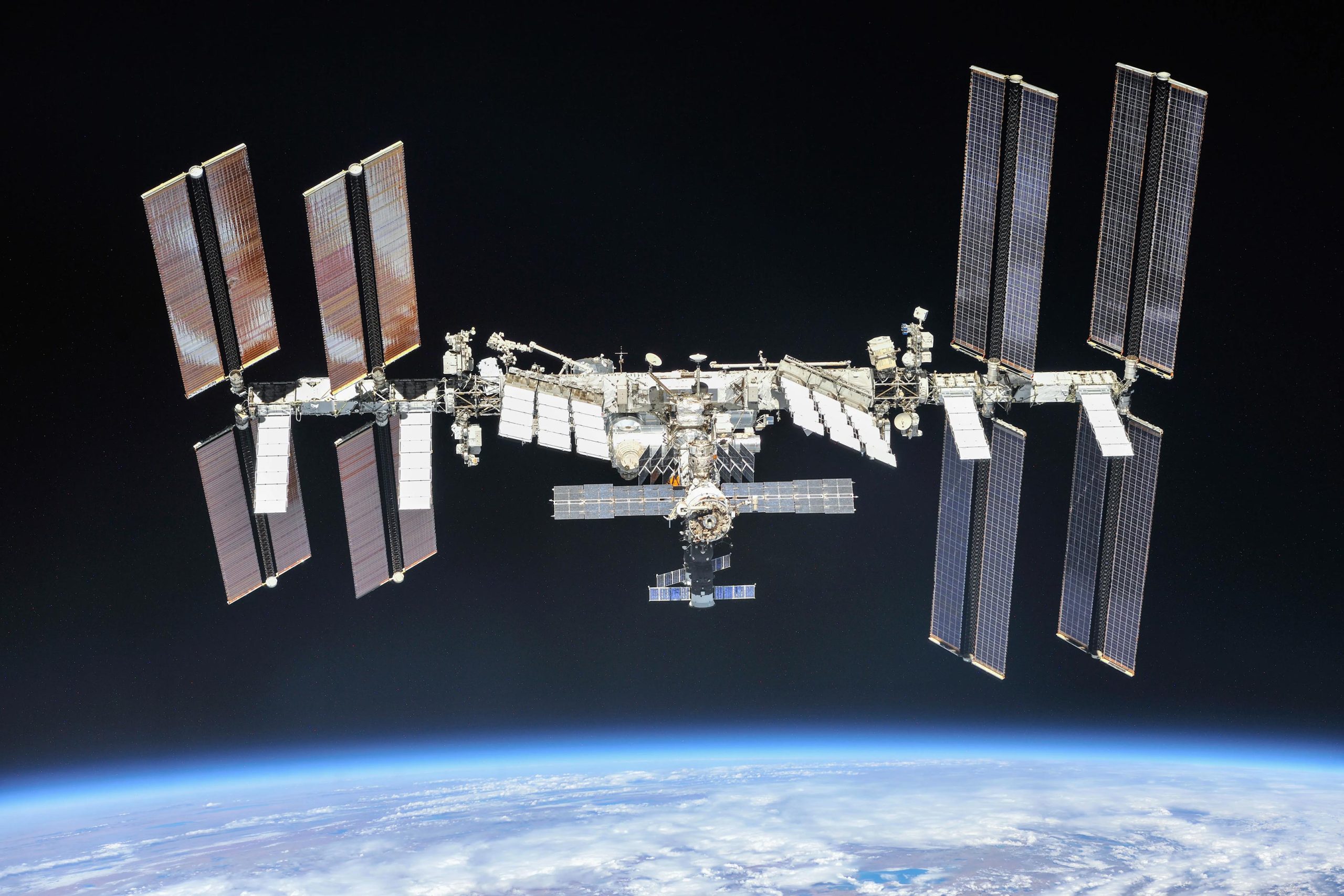
    The first space archaeological study on the ISS has uncovered how astronauts utilize and adapt their environment, influencing the design of future space habitats through innovative documentation and analysis of daily living and working spaces. Credit: NASA/Roscosmos

    The inaugural space archaeological survey on the ISS reveals how astronauts adapt their living and working spaces, offering insights for future space habitat designs and demonstrating the versatility of archaeological methods in extreme environments.

    The first archaeological survey conducted in space has revealed fresh insights into how astronauts utilize and adapt their living environments aboard the International Space Station. These findings could shape the design of future space stations once the ISS is retired.

    Findings from the research team behind the International Space Station Archaeological Project (ISSAP) were published in the journal PLOS ONE. Archaeologist Justin Walsh of Chapman University is available to discuss the discoveries of the team’s first on-orbit project, the Sampling Quadrangle Assemblages Research Experiment (SQuARE).
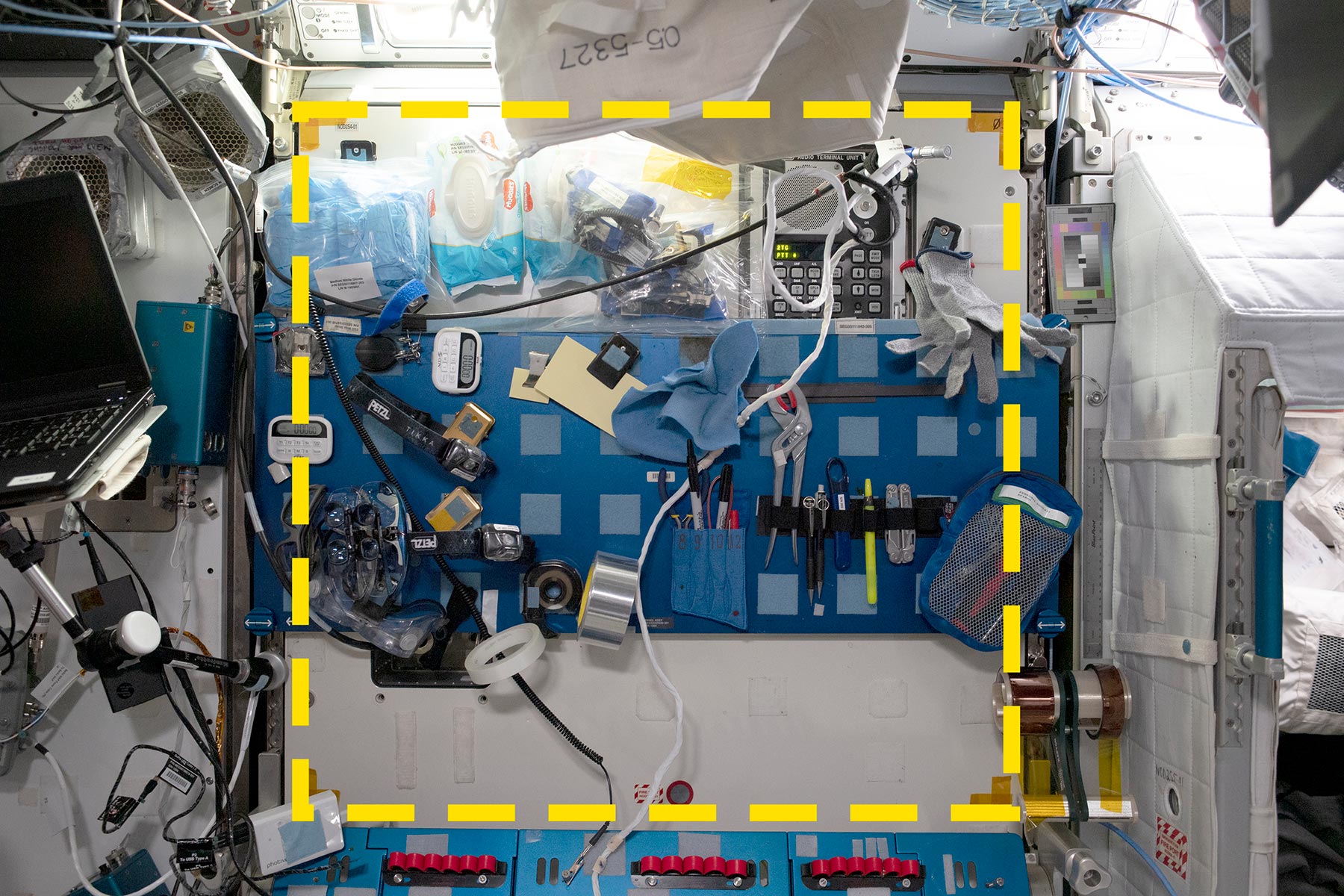
    Sampling Quadrangle Assemblages Research Experiment (SQuARE)
    A sample location from the Sampling Quadrangle Assemblages Research Experiment (SQuARE), Square 03 in the starboard Maintenance Work Area of the International Space Station. An open crew berth is visible at right. The yellow dotted line indicates the boundaries of the sample area. Credit: NASA/ISSAP

    While Earth-bound archaeologists dig one-meter squares to understand a site and strategize further study, the ISSAP team had the astronauts use adhesive tape to define one-meter areas of the International Space Station and document them with daily photographs to study how the spaces were used over 60 days in 2022. The squares were placed in a handful of work and leisure locations on the space station, including the U.S. galley table, workstations, experimental EXPRESS racks, and on the wall across from the latrine where astronauts kept their toiletries.

    Adaptations and Utilization of Space

    The team’s findings provide the first glimpse into how astronauts adapt to life and conduct research without gravity, how international cooperation plays out in the tight quarters, how they use their space for work and leisure while in orbit, and more. By cross-referencing the photos with astronaut activity reports, the researchers found that the area near the exercise equipment and latrine, while not designated for any particular purpose, had been used as storage for toiletries, resealable bags, and a rarely used computer. The equipment maintenance area was actually used for storage, with little maintenance carried out there.

    Beyond informing the future of space habitats, these findings demonstrate how traditional archaeological techniques can be adapted to study extreme and remote habitats, such as Antarctic research stations or the peak of Mt. Everest. ISSAP’s innovative work on SQuARE won awards from the Archaeological Institute of America and the American Anthropological Association in 2023, and the team’s two co-PIs were both named to the Explorers Club 50 Class of 2024.

    “Archaeology is not just about the very distant past,” said Walsh, who is also a co-founder of Brick Moon, a consultancy in space habitat design and use. “It’s about using objects, artifacts, built spaces, and architecture as primary evidence for how humans behave, interpret, and adapt to the world around them. Archaeology has a place in space.”

    Reference: “Archaeology in space: The Sampling Quadrangle Assemblages Research Experiment (SQuARE) on the International Space Station. Report 1: Squares 03 and 05” by Justin St. P. Walsh, Shawn Graham, Alice C. Gorman, Chantal Brousseau and Salma Abdullah, 7 August 2024, PLOS ONE.
    DOI: 10.1371/journal.pone.0304229

    Never miss a breakthrough: Join the SciTechDaily newsletter.
    Follow us on Google and Google News.

    Archaeology International Space Station
    Share. Facebook Twitter Pinterest LinkedIn Email Reddit

    Related Articles

    Space Archaeology: Astronauts’ Secret Habits Caught on Camera

    Out of This World Archaeological Experiment Lands in Space

    International Space Station Image of Northern Lights Over Canada

    Composite Image Shows International Space Station Transiting the Sun

    Good Night From Space – NASA Astronaut Scott Kelly Shares an Image

    Meteor Shower Viewed From the Space Station

    Image of the Sunrise from the International Space Station

    SpaceX Falcon 9 Launches, Dragon Capsule Headed Towards Space Station

    Japanese Astronaut Plays A One-Man Game Of Baseball In Space

    Leave A Reply Cancel Reply

    • Facebook
    • Twitter
    • Pinterest
    • YouTube

    Don't Miss a Discovery

    Subscribe for the Latest in Science & Tech!

    Trending News

    The Universe Is Expanding Too Fast and Scientists Can’t Explain Why

    “Like Liquid Metal”: Scientists Create Strange Shape-Shifting Material

    Early Warning Signals of Esophageal Cancer May Be Hiding in Plain Sight

    Common Blood Pressure Drug Shows Surprising Power Against Deadly Antibiotic-Resistant Superbug

    Scientists Uncover Dangerous Connection Between Serotonin and Heart Valve Disease

    Scientists Discover a “Protector” Protein That Could Help Reverse Hair Loss

    Bone-Strengthening Discovery Could Reverse Osteoporosis

    Scientists Uncover Hidden Trigger Behind Stem Cell Aging

    Follow SciTechDaily
    • Facebook
    • Twitter
    • YouTube
    • Pinterest
    • Newsletter
    • RSS
    SciTech News
    • Biology News
    • Chemistry News
    • Earth News
    • Health News
    • Physics News
    • Science News
    • Space News
    • Technology News
    Recent Posts
    • A Common Diabetes Drug May Hold the Key to Stopping HIV From Coming Back
    • Ancient “Syphilis-Like” Disease in Vietnam Challenges Key Scientific Assumptions
    • Drinking Alcohol To Cope in Your 20s Could Damage Your Brain for Life
    • Scientists Crack Alfalfa’s Chromosome Mystery After Decades of Debate
    • Ancient Ant-Plant Alliance Collapses As Predatory Wasps Move In
    Copyright © 1998 - 2026 SciTechDaily. All Rights Reserved.
    • Science News
    • About
    • Contact
    • Editorial Board
    • Privacy Policy
    • Terms of Use

    Type above and press Enter to search. Press Esc to cancel.